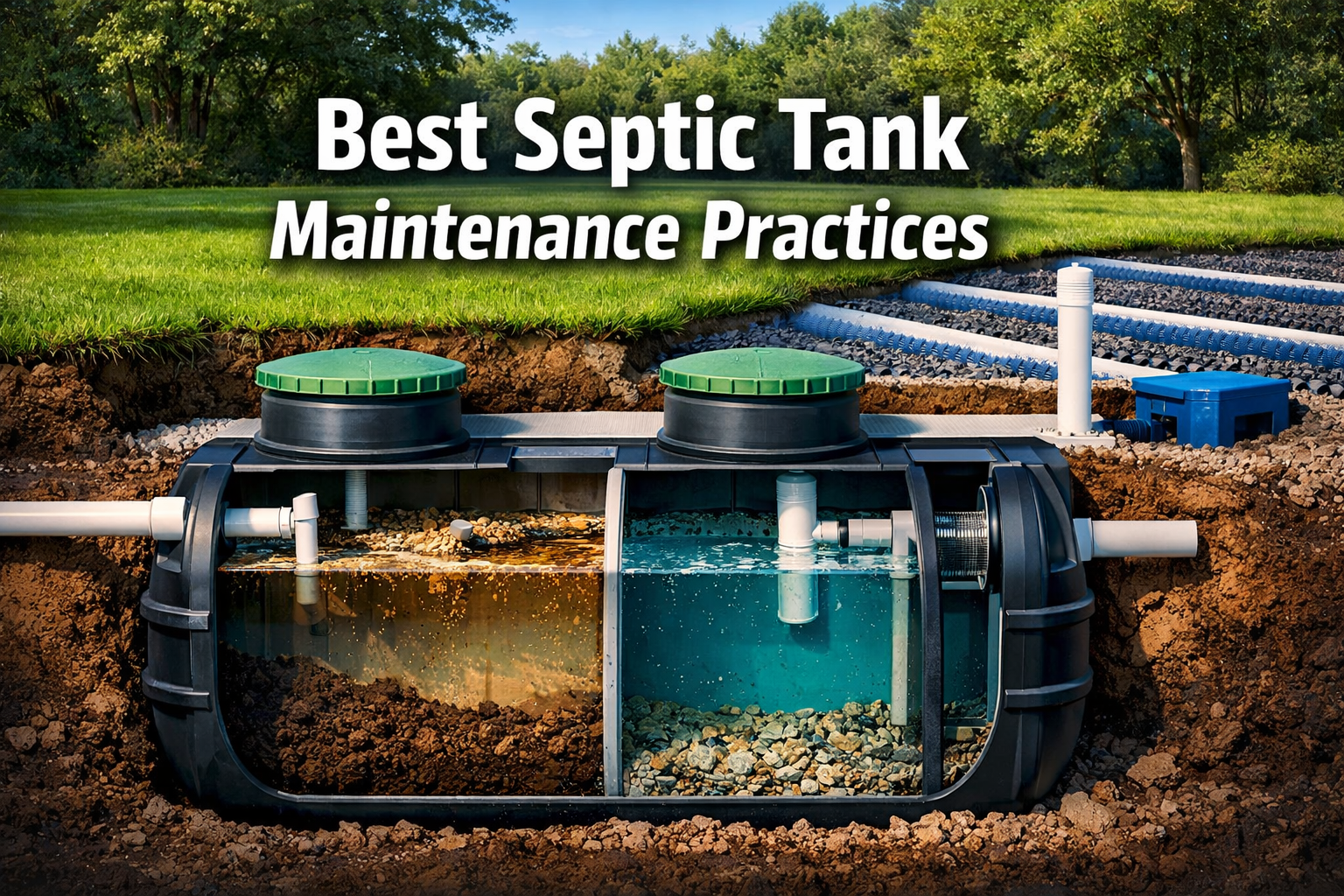
Best Septic Tank Maintenance Practices: Complete Guide for Homeowners
Last updated: February 19, 2026
Key Takeaways
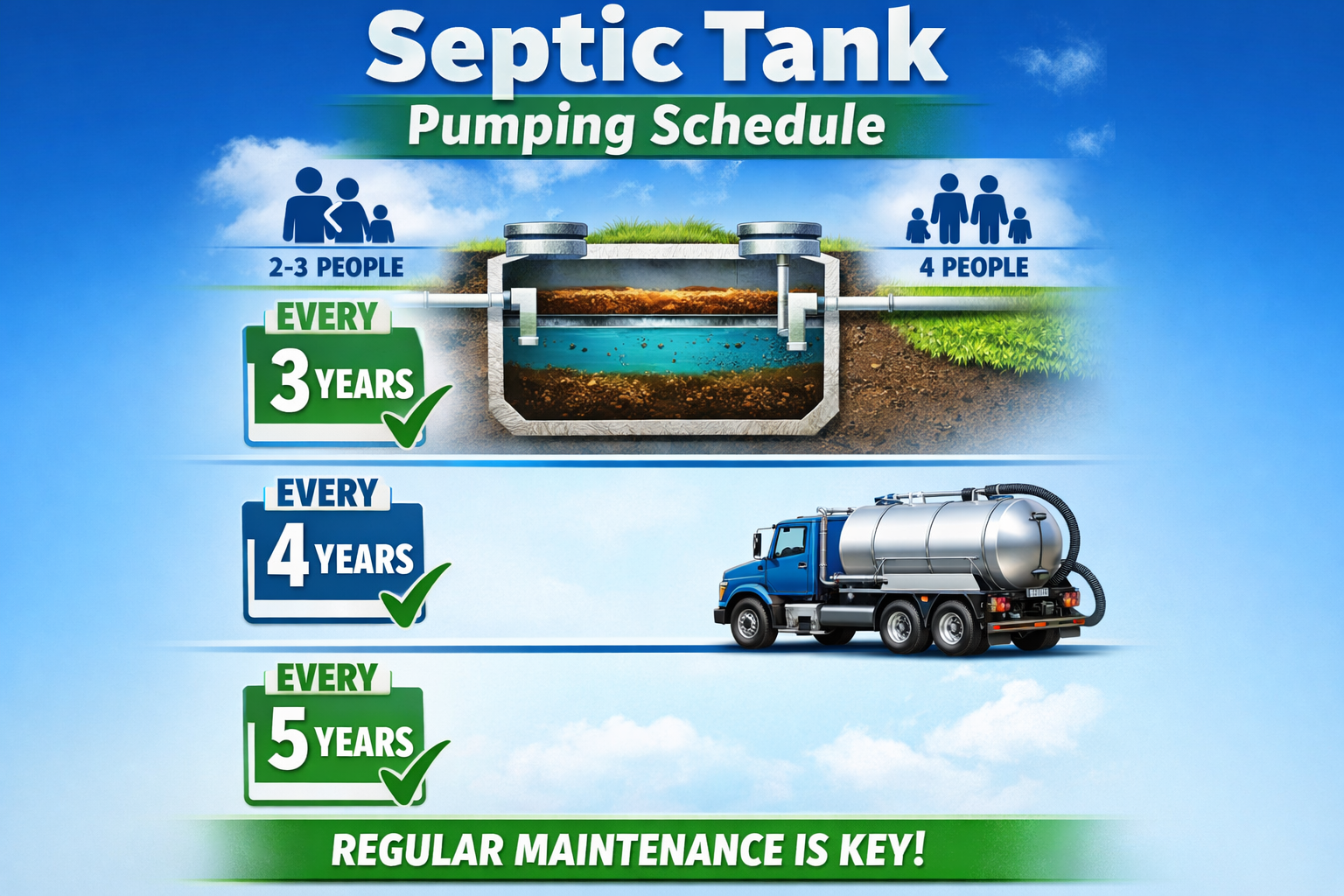
- Pump your septic tank every 3-5 years based on household size and usage patterns
- Schedule annual inspections to catch problems early and avoid costly repairs
- Use water efficiently and avoid flushing harmful chemicals or non-biodegradable items
- Monitor warning signs like slow drains, odors, and wet spots in your drain field
- Maintain detailed records of all pumping, inspections, and repairs for system tracking
Quick Answer
The best septic tank maintenance practices center on regular pumping every 3-5 years, annual inspections, efficient water use, and avoiding harmful substances. These simple steps prevent system failures that can cost thousands to repair and protect your property value.
How Often Should You Pump Your Septic Tank?
Pump your septic tank every 3-5 years for most households, with frequency depending on tank size, household occupancy, and water usage patterns.
The Department of Environmental Health and Quality recommends pumping at least every 3 years to maintain optimal performance. For a typical household of four people, pumping every 3 years prevents dangerous solid accumulation that can damage your entire system.
Factors that determine pumping frequency:
- Household size: More people = more frequent pumping needed
- Tank capacity: Smaller tanks fill faster and need more frequent service
- Water usage: High-efficiency appliances can extend pumping intervals
- Garbage disposal use: Increases solid waste and requires more frequent pumping
Choose 3-year intervals if your household has 4+ people, uses a garbage disposal regularly, or has older plumbing fixtures. Choose 5-year intervals if you have 1-2 people, use high-efficiency appliances, and practice water conservation.
A common mistake homeowners make is waiting for problems before pumping. By then, solids may have already entered your drain field, causing expensive damage that pumping alone cannot fix.
What Are the Essential Septic System Inspection Requirements?
Schedule professional inspections annually for standard systems, or every 3 years minimum, with alternative systems requiring annual checks due to mechanical components.
Annual or biannual inspections catch problems early when they’re still affordable to fix. Alternative septic systems with mechanical parts should be inspected annually because these components can fail without warning.
Key inspection checkpoints include:
- Sludge and scum layer measurements: Combined thickness shouldn’t exceed one-third of tank depth
- Outlet tee clearance: Scum layer must stay 3+ inches away, sludge layer 8+ inches away
- Structural integrity: Checking for cracks, leaks, or damaged baffles
- Drain field condition: Looking for wet spots, odors, or standing water
Professional inspections typically cost $200-400 but can prevent repairs costing $3,000-10,000. During inspections, ask for written reports documenting sludge levels, structural conditions, and recommended maintenance timing.
Red flag: If an inspector recommends immediate pumping without measuring sludge levels first, get a second opinion. Legitimate professionals measure before making recommendations.
How Can You Practice Water Conservation for Septic Health?
Reduce daily water usage to prevent overwhelming your septic system’s processing capacity, focusing on spacing out laundry loads and fixing leaks promptly.
Toilet use accounts for 25-30% of indoor water consumption, and excess water can rapidly fill your system beyond its design capacity. Your septic tank needs time to separate solids from liquids – too much water disrupts this natural process.
Effective water conservation strategies:
- Install low-flow fixtures: High-efficiency toilets and showerheads reduce daily volume
- Space out laundry loads: Run one load per day instead of multiple loads on weekends
- Fix leaks immediately: A running toilet can add hundreds of gallons daily
- Take shorter showers: Reduce shower time by 2-3 minutes per person
- Run dishwashers only when full: Partial loads waste water and energy
Avoid running multiple water-intensive activities simultaneously. For example, don’t run the dishwasher, washing machine, and take showers all within the same hour.
FYI: Some links may be affiliate links, which means I may earn a small commission at no extra cost to you.
For homeowners looking for an easy way to maintain their septic system health, products like Septifix tablets can help break down waste and reduce buildup while you focus on these water conservation practices. These tablets work alongside proper maintenance habits to keep your system running efficiently.
Which Items Should Never Enter Your Septic System?
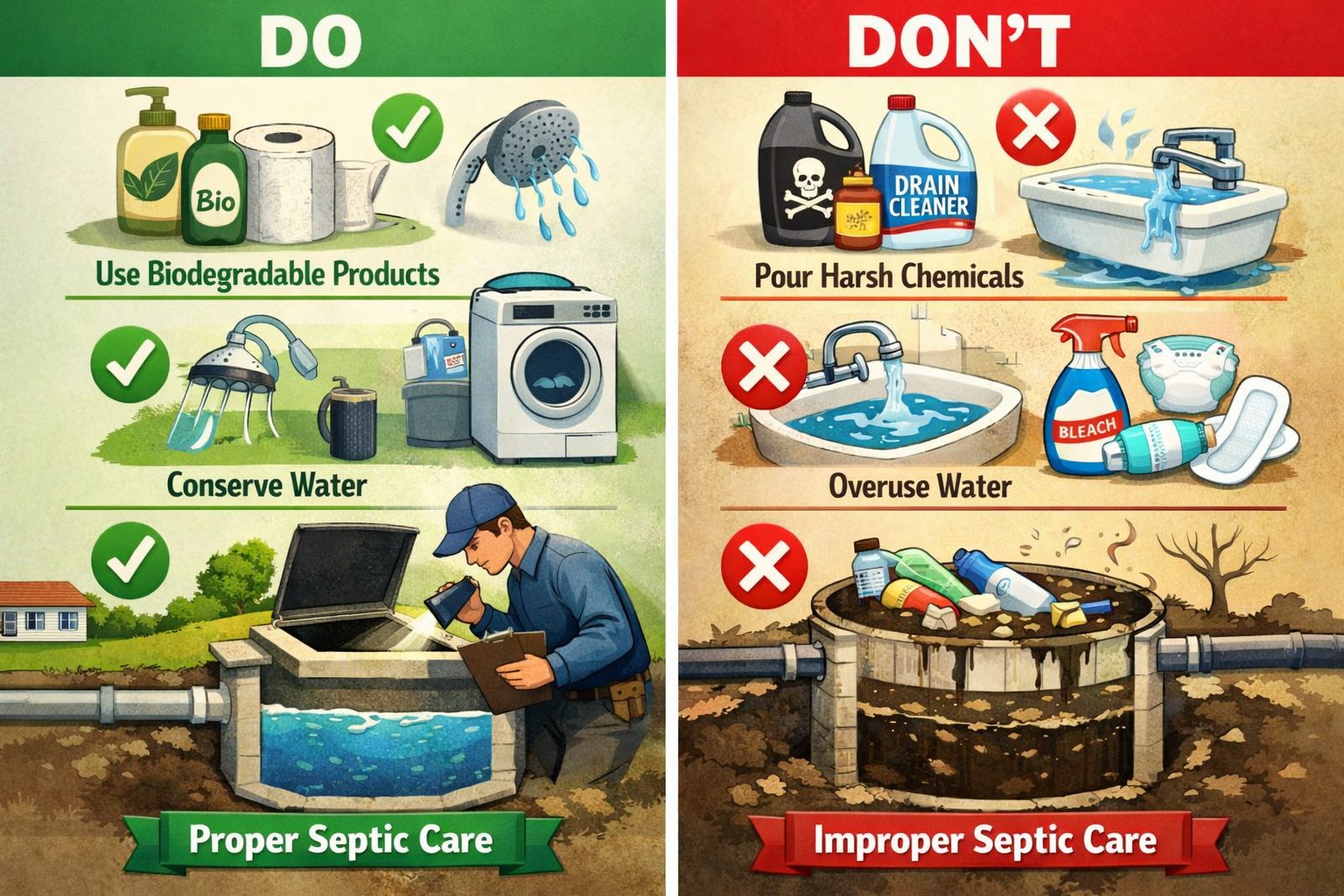
Never flush chemicals, medications, grease, or non-biodegradable items down drains, as these substances kill beneficial bacteria and cause system blockages.
Your septic tank relies on natural bacteria to break down organic waste. Harsh chemicals destroy these beneficial microorganisms, while non-biodegradable items accumulate and block pipes or pumps.
Prohibited items include:
Household chemicals:
- Bleach, ammonia, and disinfectants in large quantities
- Paint, solvents, and automotive fluids
- Pesticides and herbicides
Personal care items:
- Medications and antibiotics
- Feminine hygiene products
- Diapers and baby wipes (even “flushable” ones)
Kitchen waste:
- Cooking grease and oils
- Coffee grounds and eggshells
- Cigarette butts
Choose septic-safe cleaning products labeled as biodegradable. When you must use strong cleaners, use them sparingly and space out usage over several days.
Common mistake: Assuming “flushable” wipes are safe for septic systems. These products don’t break down quickly enough and commonly cause pump failures in advanced treatment systems.
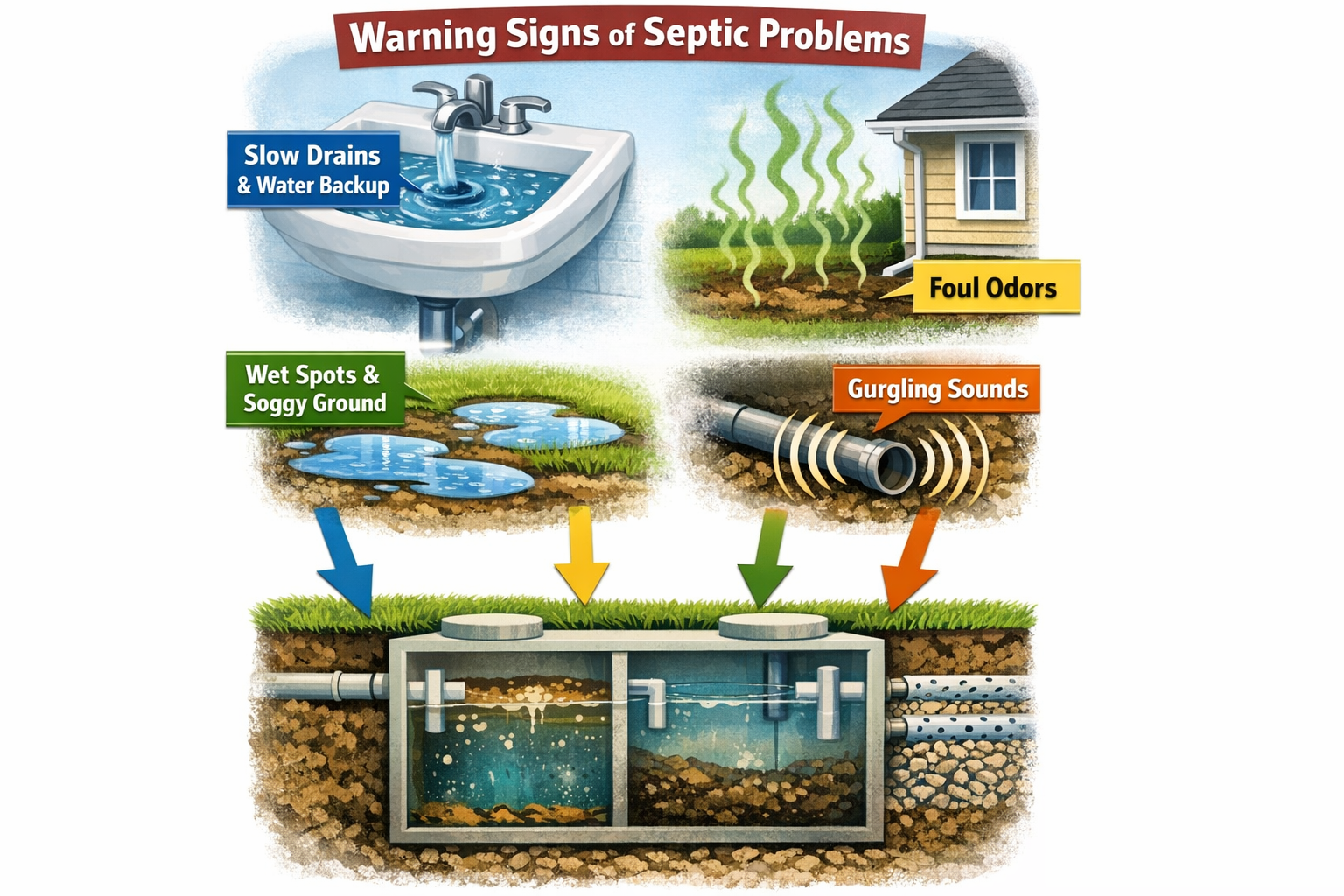
How Do You Recognize Early Warning Signs of Septic Problems?
Watch for slow drains, sewage odors, wet spots in your yard, and gurgling sounds from plumbing fixtures as early indicators of system stress or failure.
Early detection saves thousands in repair costs. Most septic problems develop gradually, giving you time to address issues before they become emergencies.
Primary warning signs:
- Slow drains throughout the house: Not just one fixture, but multiple drains backing up
- Sewage odors: Smells near the tank, drain field, or inside your home
- Wet, soggy areas: Standing water or unusually green grass over the drain field
- Gurgling sounds: Air bubbles in toilets or drains when water runs elsewhere
Advanced warning signs requiring immediate attention:
- Sewage backup in the house: Raw sewage in basements, lowest-level drains
- Strong chemical odors: May indicate tank damage or improper waste disposal
- Visible sewage: Surface sewage around the tank or drain field area
If you notice multiple warning signs simultaneously, contact a septic professional immediately. Don’t wait for the weekend or try DIY fixes when sewage backup threatens your home’s safety.
For more guidance on identifying these issues, check our detailed guide on how to tell if your septic tank is full.
What Professional Services Should You Schedule Regularly?
Schedule annual inspections with certified septic professionals and coordinate pumping services every 3-5 years based on your household’s specific usage patterns.
Professional services cost more upfront but prevent expensive emergency repairs. Licensed technicians have specialized equipment to safely access, inspect, and service your system components.
Essential professional services:
Annual inspections ($200-400):
- Sludge and scum layer measurements
- Structural integrity assessment
- Drain field evaluation
- Component testing (pumps, alarms, controls)
Regular pumping ($300-600):
- Complete waste removal from all tank compartments
- Tank cleaning and inspection during pumping
- Filter cleaning or replacement
- Documentation of tank condition
Choose certified professionals with proper licensing, insurance, and disposal permits. Ask for written reports after each service and keep detailed maintenance records.
Avoid companies that:
- Offer unusually low prices without explaining what’s included
- Recommend expensive repairs during routine pumping without clear evidence
- Cannot provide current licensing and insurance documentation
How Should You Maintain Septic System Records?
Keep detailed records of all pumping dates, inspection reports, repairs, and system modifications to track performance patterns and comply with local regulations.
Proper documentation helps you identify maintenance patterns, proves compliance with local codes, and increases property value during sales. Many municipalities require maintenance records for permit renewals or system upgrades.
Essential records to maintain:
- Pumping receipts: Dates, volumes removed, tank condition notes
- Inspection reports: Professional assessments, recommendations, photos
- Repair documentation: Work performed, parts replaced, warranty information
- System diagrams: Tank location, drain field layout, access points
Create a simple maintenance log noting unusual observations between professional visits: slow drains, odors, wet spots, or changes in household water usage.
Store records both physically and digitally. Take photos of paper documents and keep digital copies in cloud storage. This prevents loss during emergencies or property transfers.
Pro tip: Schedule your next pumping appointment immediately after each service. Most companies offer scheduling discounts for advance bookings and send reminder notifications.
Best Septic Tank Maintenance Practices for Different Seasons
Adjust your maintenance approach seasonally, focusing on freeze protection in winter, drain field monitoring in spring, and water conservation during summer peak usage.
Seasonal changes affect septic system performance differently. Cold weather slows bacterial activity, while heavy rains can overwhelm drain fields. Summer typically brings peak water usage from guests and lawn irrigation.
Winter maintenance priorities:
- Insulate exposed pipes and tank risers
- Avoid driving vehicles over the drain field when ground is soft
- Maintain moderate bacterial activity with consistent waste input
- Keep tank lids accessible despite snow cover
Spring maintenance focus:
- Inspect for winter damage after ground thaws
- Check drain field for standing water or erosion
- Schedule annual professional inspection
- Test and clean effluent filters
Summer considerations:
- Monitor water usage during peak occupancy periods
- Avoid overloading the system during parties or extended family visits
- Maintain adequate bacterial levels during high-usage periods
- Consider using Septifix tablets during busy summer months to help maintain optimal bacterial balance and prevent system stress
Fall preparation:
- Complete any needed repairs before winter
- Remove leaves and debris from tank access areas
- Document system performance over the past year
- Schedule pumping if due within the next 6 months
Helpful Resource for Ongoing Maintenance
If you want a simple way to support your septic system between professional services, Septifix tablets offer an easy maintenance solution. These tablets help break down waste, reduce buildup, and maintain healthy bacterial levels with minimal effort. While not a replacement for proper pumping and inspection schedules, they can be helpful for homeowners who want extra peace of mind about their system’s day-to-day performance.
The tablets are designed to work with your existing maintenance routine, making them a practical option for busy property managers or homeowners who prefer proactive care approaches.
FAQ
How much does septic tank maintenance cost annually?
Annual maintenance typically costs $200-600, including one inspection ($200-400) and pumping every 3-5 years ($300-600). This prevents repair costs of $3,000-10,000 for system failures.
Can I pump my own septic tank?
No, septic pumping requires specialized equipment, proper disposal permits, and safety training. DIY pumping is illegal in most areas and extremely dangerous due to toxic gases.
What happens if I skip regular maintenance?
Skipping maintenance leads to solid buildup, drain field damage, and eventual system failure. Repairs typically cost 5-10 times more than preventive maintenance.
How do I find my septic tank location?
Check your property survey, building permits, or contact your local health department. Most tanks are 10-25 feet from the house, often between the house and drain field.
Is it normal for septic tanks to smell?
Occasional mild odors near the tank are normal. Strong, persistent smells indicate problems like overfilling, ventilation issues, or system backup requiring professional attention.
Can heavy rain damage my septic system?
Yes, excessive water can overwhelm the drain field and cause backup. Ensure proper drainage around your tank and avoid water-intensive activities during heavy rain periods.
Should I add bacteria products to my septic tank?
Most systems don’t need bacterial additives if you avoid harsh chemicals. However, some homeowners use products like bacteria tablets after antibiotic use or chemical exposure to restore bacterial balance.
How long do septic systems typically last?
Well-maintained septic systems last 20-30 years. Poor maintenance can reduce lifespan to 10-15 years, while excellent care can extend it beyond 30 years.
What size septic tank do I need?
Tank size depends on household size and local codes. Most homes need 1,000-1,500 gallon tanks. Consult local regulations and septic professionals for specific requirements.
Can I install a garbage disposal with a septic system?
Yes, but use sparingly. Garbage disposals increase solid waste by 25-50%, requiring more frequent pumping and potentially shortening system lifespan.
What should I do if sewage backs up into my house?
Stop using water immediately, contact a septic professional, and avoid contact with sewage. This is a health emergency requiring immediate professional response.
How do I prepare my septic system for vacation?
Reduce water usage before leaving, avoid harsh chemicals, and consider having someone check the system weekly during extended absences. Don’t add special products unless recommended by professionals.
Key Takeaways
- Schedule pumping every 3-5 years based on household size, with 4-person families typically needing 3-year intervals to prevent dangerous solid accumulation
- Arrange annual professional inspections to catch problems early when repairs cost hundreds instead of thousands of dollars
- Practice efficient water use by spacing out laundry loads, fixing leaks promptly, and installing high-efficiency fixtures to prevent system overload
- Avoid flushing chemicals, medications, and non-biodegradable items that kill beneficial bacteria or cause blockages in your system components
- Monitor warning signs actively including slow drains, sewage odors, wet spots in the drain field, and unusual gurgling sounds from fixtures
- Keep detailed maintenance records of all pumping, inspections, and repairs to track system performance and maintain property value
- Adjust maintenance seasonally with winter freeze protection, spring damage assessment, summer usage monitoring, and fall preparation activities
- Work only with licensed professionals who provide written reports, proper documentation, and transparent pricing for all services
- Consider supplemental maintenance products like bacterial tablets during high-stress periods, but never as replacements for proper pumping schedules
- Address problems immediately when multiple warning signs appear simultaneously, as delayed action often multiplies repair costs significantly
For more comprehensive information about septic system care, visit our septic tank care resource center or explore our maintenance and pumping guides.
References
[1] Septic System Repair Guidelines – https://smartsepticpros.com/blog/septic-system-repair-guidelines/
[2] Be Septic Safe Best Practices For Septic System Maintenance – https://hgic.clemson.edu/factsheet/be-septic-safe-best-practices-for-septic-system-maintenance/
[3] The Ultimate Guide To Septic System Maintenance – https://www.bobssepticserviceinc.com/the-ultimate-guide-to-septic-system-maintenance/
[5] How Often To Clean Septic Tanks Essential Guide – https://www.rciseptic.com/how-often-to-clean-septic-tanks-essential-guide