When Your Septic Tank is Backing Up into House: A Complete Guide to Emergency Response and Prevention
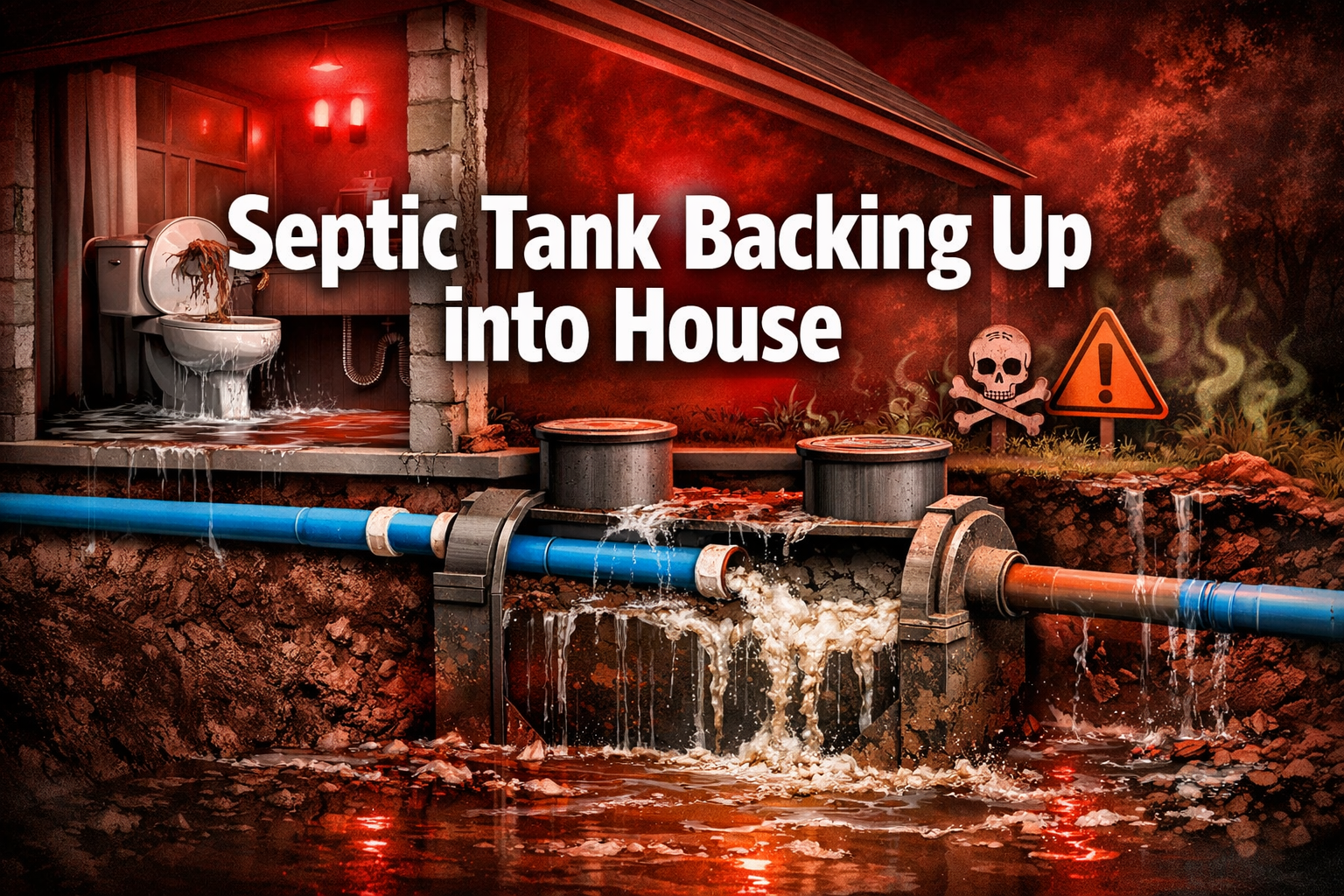
Picture this: You’re getting ready for work on a busy Monday morning when you notice an awful smell coming from your bathroom. The toilet won’t flush properly, and there’s murky water pooling around the floor drain in your basement. If you’re experiencing a septic tank backing up into house, you’re facing one of the most urgent and unpleasant home emergencies that requires immediate attention.
A septic system backup isn’t just inconvenient—it’s a serious health hazard that can cause extensive property damage and expose your family to harmful bacteria and pathogens. In 2026, with more homeowners relying on septic systems than ever before, understanding how to identify, respond to, and prevent these emergencies has become crucial knowledge for property owners.
Key Takeaways
• Immediate action is critical – A septic tank backing up into house requires emergency response to prevent health hazards and property damage
• Multiple warning signs exist before a complete backup occurs, including slow drains, gurgling sounds, and sewage odors
• Common causes include overfilled tanks, clogged pipes, failed drain fields, and improper maintenance
• Professional intervention is often necessary for diagnosis and repair, but homeowners can take preventive measures
• Regular maintenance including pumping every 3-5 years and proper usage habits can prevent most backup situations
Understanding What Happens When Your Septic Tank Backs Up into House
The Septic System Basics
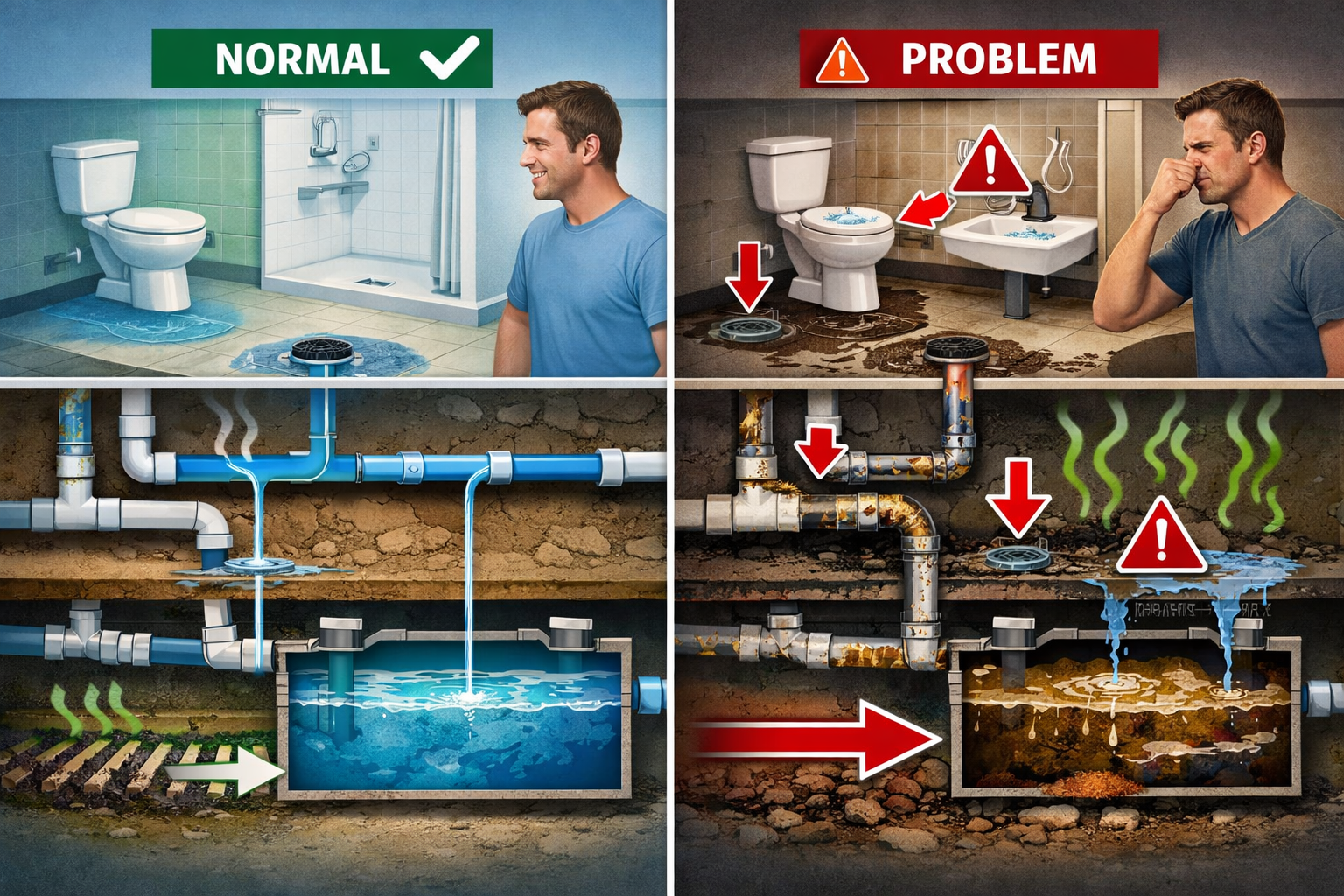
Before diving into backup scenarios, it’s important to understand how your septic system normally functions. A typical septic system consists of three main components:
- Septic tank – Where solids settle and initial decomposition occurs
- Distribution box – Distributes effluent to the drain field
- Drain field – Final filtration through soil
When everything works properly, wastewater flows from your house into the septic tank, where solids sink to the bottom and oils float to the top. The middle layer of clarified liquid flows to the distribution box and then into the drain field for final treatment.
What Goes Wrong During a Backup
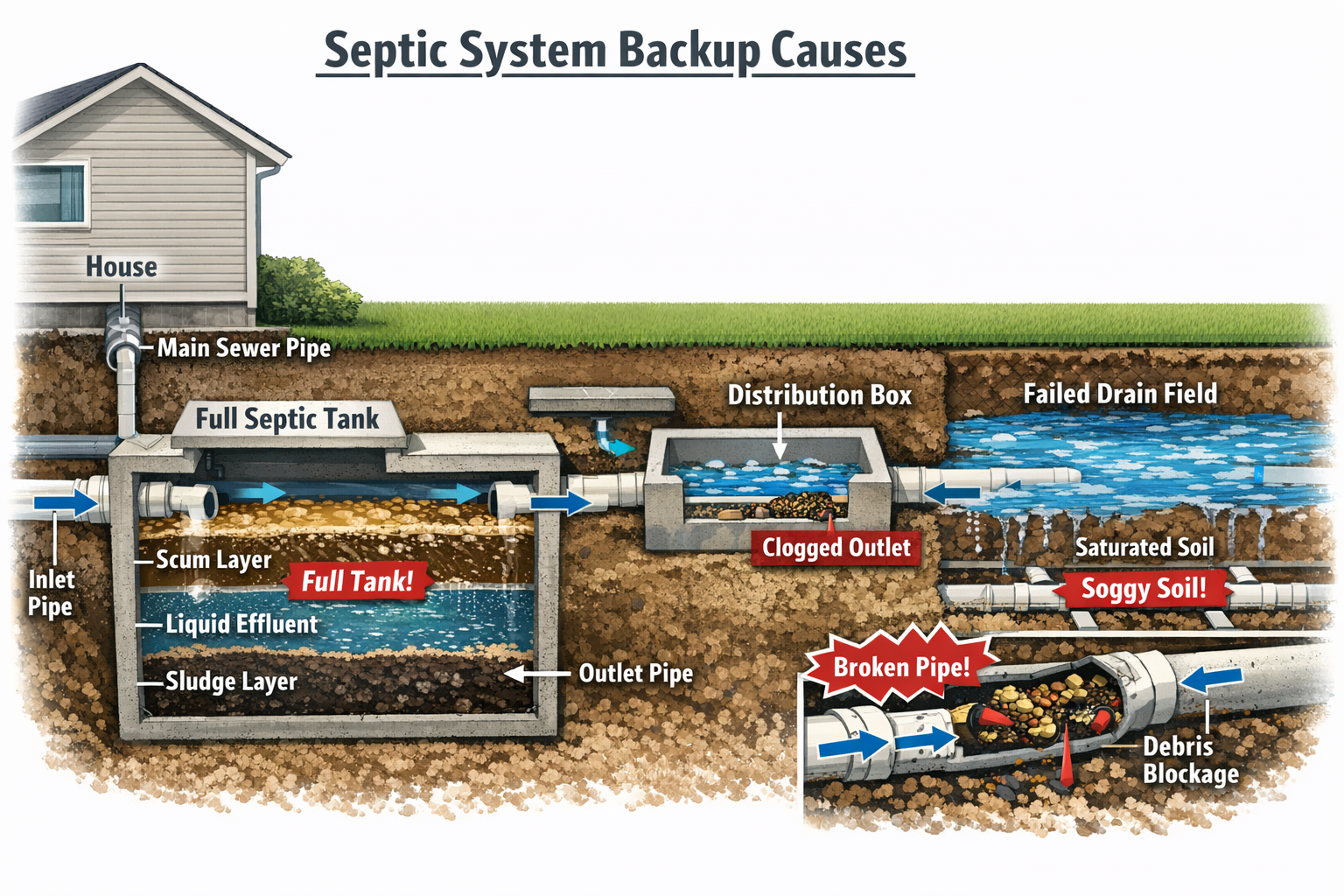
When a septic tank backing up into house occurs, this normal flow gets disrupted. Instead of wastewater moving away from your home, it reverses direction and comes back through your plumbing fixtures. This happens because:
- Pressure builds up in the system when normal drainage is blocked
- Wastewater seeks the path of least resistance – often back into your home
- Gravity works against you as backed-up sewage flows to the lowest points in your house
The result is raw sewage entering your living space through floor drains, toilets, sinks, and other plumbing fixtures – creating an immediate health emergency.
Recognizing the Warning Signs of Septic Tank Backing Up into House
Early Warning Indicators
Smart homeowners can often catch problems before experiencing a full septic tank backing up into house emergency. Watch for these early warning signs:
Drainage Issues:
- Slow-draining sinks, tubs, and showers
- Toilets that flush sluggishly or incompletely
- Multiple fixtures backing up simultaneously
- Water levels rising in toilets when other fixtures are used
Unusual Sounds and Smells:
- Gurgling noises from drains and toilets 🚽
- Sewage odors inside the house
- Strong smells around the septic tank area outside
- Bubbling sounds when water drains
Visual Clues:
- Wet spots or standing water over the drain field
- Lush, green grass growing over the septic area
- Sewage surfacing in the yard
- Water backing up in floor drains
Emergency Warning Signs
These symptoms indicate an imminent or active septic tank backing up into house situation requiring immediate action:
- Raw sewage coming up through floor drains
- Multiple fixtures backing up simultaneously
- Strong sewage odors throughout the house
- Black or gray water appearing in sinks or tubs
- Toilet overflow that won’t stop
“The key to minimizing damage from septic backups is recognizing the warning signs early and taking immediate action. Don’t wait for the situation to resolve itself.” – Professional Septic Technician
For more detailed information about septic system maintenance and troubleshooting, visit our comprehensive resource center.
Common Causes of Septic Tank Backing Up into House
Tank-Related Issues
Overfilled Septic Tank
The most common cause of backups is simply an overfull tank. When solid waste accumulates faster than it decomposes, the tank reaches capacity and can’t accept more wastewater. This typically happens when:
- Tanks haven’t been pumped in 3+ years
- Household size has increased without adjusting pumping schedule
- Non-biodegradable items have been flushed
Damaged Tank Components
Physical damage to the septic tank can disrupt normal operation:
- Cracked or collapsed tank walls
- Damaged inlet or outlet baffles
- Broken or missing tank lids
- Corroded pipes connecting to the tank
Distribution and Drain Field Problems
Clogged Distribution Box
The distribution box can become clogged with:
- Accumulated sludge from the septic tank
- Root intrusion from nearby trees
- Debris and foreign objects
Failed Drain Field
Drain field failure is a serious issue that often requires extensive repairs:
| Cause | Description | Solution Complexity |
|---|---|---|
| Soil saturation | Ground becomes waterlogged | Moderate to High |
| Pipe damage | Broken or crushed distribution pipes | Moderate |
| Biomat buildup | Excessive bacterial growth clogs soil | High |
| Compacted soil | Heavy traffic over drain field | Moderate to High |
Household Usage Issues
Excessive Water Usage
Overwhelming your system with too much water too quickly can cause backups:
- Multiple loads of laundry in one day
- Long showers or filling large tubs
- Running dishwasher and washing machine simultaneously
- Leaky fixtures adding constant water flow
Improper Disposal Habits
What goes down your drains directly impacts system health:
Items That Cause Problems:
- Feminine hygiene products
- Diapers and baby wipes
- Cat litter and pet waste
- Grease and cooking oils
- Harsh chemicals and antibacterial soaps
- Cigarette butts and dental floss
FYI: Some links may be affiliate links, which means I may earn a small commission at no extra cost to you.
If you’re dealing with frequent backups or want to maintain optimal system health, consider using proven septic treatments. Here are some of the most reliable septic tank treatment options for keeping your system clean, odor-free, and working properly—from breaking down waste and reducing buildup to helping prevent blockages and costly repairs. These easy-to-use tablets are trusted by many homeowners to maintain a healthy, efficient septic system with minimal effort.
👉 See how Septifix tablets can keep your septic system clean and efficient
Immediate Steps When Your Septic Tank is Backing Up into House
Emergency Response Protocol
When you discover a septic tank backing up into house situation, follow these critical steps:
Step 1: Ensure Safety First 🚨
- Keep family members and pets away from contaminated areas
- Turn off electricity to affected areas if water is present
- Wear protective gear (gloves, boots, masks) if you must enter contaminated spaces
- Ventilate the area to reduce harmful gas buildup
Step 2: Stop Water Usage Immediately
- Cease all water usage in the house
- Don’t flush toilets, run faucets, or use appliances
- Turn off the main water supply if necessary
- Inform all household members about the water restriction
Step 3: Locate and Assess the Problem
- Check multiple fixtures to determine the extent of backup
- Look for obvious blockages or overflows
- Inspect the septic tank area outside for surface sewage
- Document the situation with photos for insurance purposes
Step 4: Contact Professionals
- Call a licensed septic service company immediately
- Contact your insurance company to report potential damage
- If sewage is extensive, consider calling a water damage restoration service
What NOT to Do During a Backup
Avoid these common mistakes that can worsen the situation:
- Don’t use chemical drain cleaners – They can kill beneficial bacteria
- Don’t try to snake or auger backed-up fixtures connected to septic
- Don’t pump or flush repeatedly – This adds more water to an already overwhelmed system
- Don’t ignore safety precautions – Sewage contains dangerous pathogens
Professional Diagnosis and Repair Solutions
Diagnostic Procedures
When professionals arrive to address your septic tank backing up into house emergency, they’ll typically follow a systematic diagnostic approach:
Initial Assessment:
- System history review – When was it last pumped? Any recent problems?
- Visual inspection – Check tank levels, distribution box, and drain field
- Flow testing – Determine where the blockage or failure is occurring
- Component evaluation – Assess tank integrity, baffles, and pipes
Advanced Diagnostics:
- Camera inspection of pipes and tank interior
- Soil percolation testing for drain field evaluation
- Water level measurements throughout the system
- Bacterial health assessment of tank contents
Common Repair Solutions
Tank Pumping and Cleaning
The most straightforward solution when tanks are simply overfull:
- Complete waste removal and tank cleaning
- Inspection of tank condition during pumping
- Immediate restoration of system capacity
- Cost: $300-$600 depending on tank size and location
Pipe and Component Repairs
For mechanical failures within the system:
- Baffle repair or replacement
- Pipe unclogging or replacement
- Distribution box cleaning or rebuilding
- Tank crack sealing or component replacement
Drain Field Rehabilitation
More complex repairs for failed drain fields:
- Soil fracturing – Breaking up compacted soil
- Pipe replacement – Installing new distribution lines
- Biomat treatment – Removing bacterial buildup
- Complete drain field replacement – Last resort option
Cost Considerations
Understanding potential costs helps you budget for repairs:
| Repair Type | Typical Cost Range | Timeline |
|---|---|---|
| Emergency pumping | $400-$800 | Same day |
| Pipe repairs | $500-$2,000 | 1-2 days |
| Distribution box rebuild | $800-$1,500 | 2-3 days |
| Partial drain field repair | $2,000-$5,000 | 3-7 days |
| Complete system replacement | $8,000-$20,000 | 1-2 weeks |
For additional guidance on septic system costs and maintenance, check our frequently asked questions section.
Prevention Strategies to Avoid Septic Tank Backing Up into House
Regular Maintenance Schedule
Annual Inspections
Schedule professional inspections every year to catch problems early:
- Tank level assessment
- Component condition check
- Drain field evaluation
- System performance testing
Pumping Schedule
Follow appropriate pumping intervals based on household size:
| Household Size | Tank Size | Pumping Frequency |
|---|---|---|
| 1-2 people | 1,000 gallons | Every 5-6 years |
| 3-4 people | 1,000 gallons | Every 3-4 years |
| 5-6 people | 1,000 gallons | Every 2-3 years |
| 3-4 people | 1,500 gallons | Every 4-5 years |
| 5-6 people | 1,500 gallons | Every 3-4 years |
Smart Usage Habits
Water Conservation Practices
Reducing water usage helps prevent system overload:
- Spread out laundry over several days instead of doing multiple loads in one day
- Take shorter showers and avoid filling large bathtubs frequently
- Fix leaks immediately to prevent constant water flow into the system
- Use high-efficiency appliances that consume less water
Proper Disposal Guidelines
Toilet-Safe Items Only:
- Human waste and toilet paper
- Nothing else should be flushed
Kitchen Best Practices:
- Scrape plates before washing
- Dispose of grease in trash, not down drains
- Use garbage disposal sparingly
- Choose septic-safe cleaning products
Bathroom Guidelines:
- No feminine hygiene products
- No medications or chemicals
- No hair removal products
- Minimal use of antibacterial soaps
Protecting Your Drain Field
Physical Protection:
- Never drive or park vehicles over the drain field
- Avoid heavy equipment or construction over the area
- Don’t build structures over drain lines
- Keep livestock away from the septic area
Landscaping Considerations:
- Plant only grass over the drain field
- Keep trees and large shrubs at least 30 feet away
- Avoid deep-rooted plants near septic components
- Ensure proper surface drainage away from the system
When to Call Emergency Services for Septic Tank Backing Up into House
Immediate Emergency Situations
Certain scenarios require immediate professional intervention:
Health and Safety Emergencies:
- Sewage backup in living areas with electrical hazards
- Extensive contamination affecting multiple rooms
- Signs of gas buildup or ventilation problems
- Backup affecting drinking water sources
System Failure Indicators:
- Complete system shutdown with no drainage
- Sewage surfacing extensively in the yard
- Structural damage to tank or major components
- Backup occurring despite recent maintenance
Choosing the Right Professional
Questions to Ask Septic Service Providers:
- Are you licensed and insured for septic work?
- Do you provide emergency services?
- Can you provide references from recent customers?
- What diagnostic equipment do you use?
- Do you offer warranties on repair work?
Red Flags to Avoid:
- Door-to-door solicitors offering septic services
- Companies requiring full payment upfront
- Providers who can’t show proper licensing
- Services that seem significantly underpriced
For professional assistance and to connect with qualified septic service providers in your area, visit our contact page.
Long-Term System Health and Monitoring
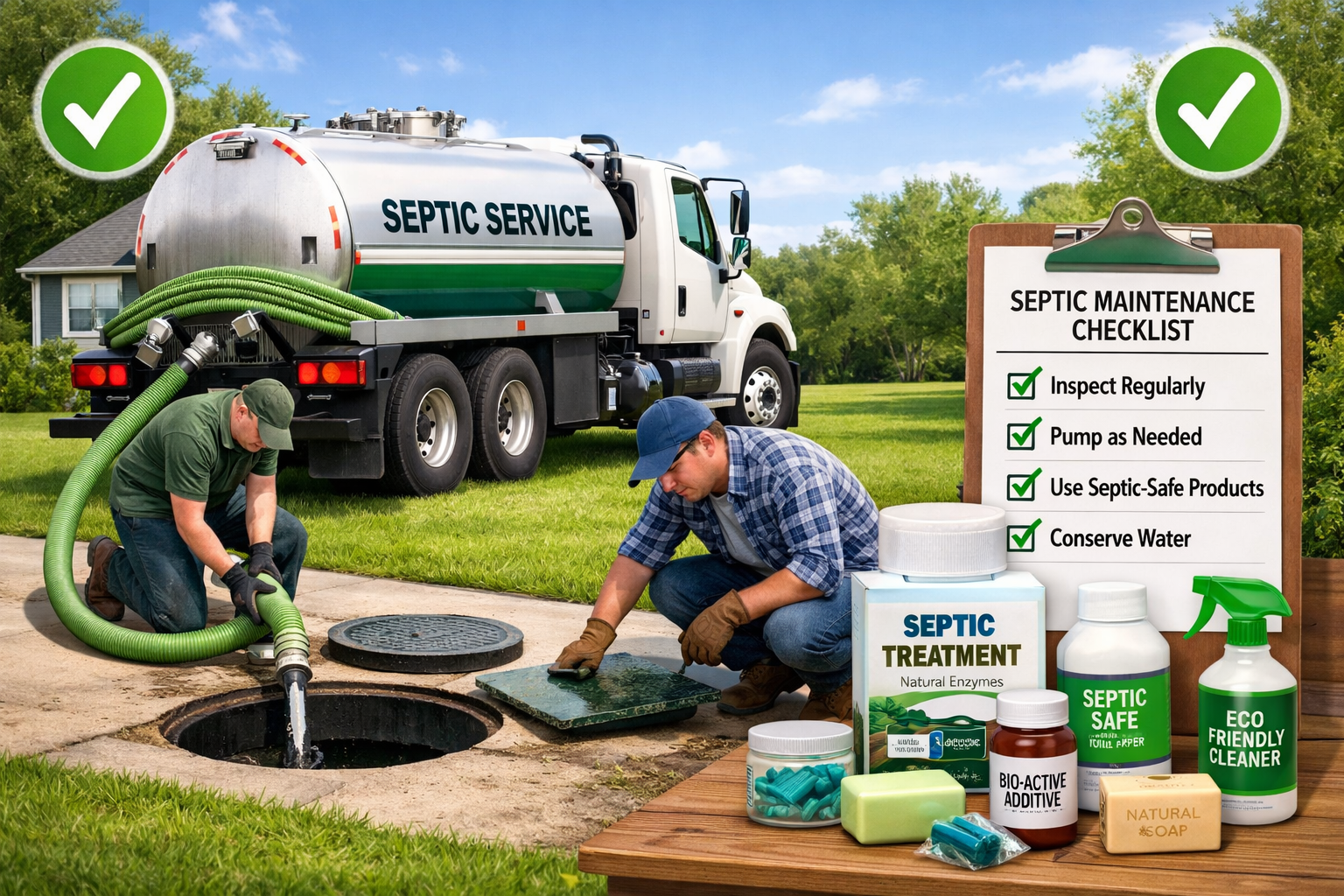
Establishing a Monitoring Routine
Monthly Checks:
- Visual inspection of the drain field area
- Checking for unusual odors around the house
- Monitoring drainage speed in fixtures
- Looking for wet spots or standing water
Seasonal Maintenance:
- Spring: Inspect for winter damage and schedule annual service
- Summer: Monitor system performance during peak usage
- Fall: Prepare system for winter and pump if needed
- Winter: Protect exposed components from freezing
Record Keeping
Maintain detailed records of your septic system:
- Service dates and provider information
- Pumping records with waste levels noted
- Repair history and warranty information
- Inspection reports and recommendations
- Photos of system components and condition
Technology Solutions
Modern technology can help prevent septic tank backing up into house emergencies:
Septic Alarms:
- High water level alerts
- Pump failure notifications
- Wireless monitoring systems
- Smartphone app integration
Smart Water Monitoring:
- Leak detection systems
- Water usage tracking
- Automatic shutoff valves
- Flow rate monitoring
Helpful Resource for System Maintenance
Maintaining a healthy septic system requires consistent care and the right products. If you want something structured to help keep your system running smoothly, consider proven septic maintenance solutions.
Here are some of the most reliable septic tank treatment options for keeping your system clean, odor-free, and working properly—from breaking down waste and reducing buildup to helping prevent blockages and costly repairs. These easy-to-use tablets are trusted by many homeowners to maintain a healthy, efficient septic system with minimal effort.
This can be helpful if you’re looking for a simple way to support your system’s bacterial health and reduce the risk of backups. Not required, but useful for homeowners who want an extra layer of protection for their investment.
👉 See how Septifix tablets can keep your septic system clean and efficient
Environmental and Health Considerations
Health Risks from Septic Backups
A septic tank backing up into house creates serious health hazards:
Immediate Health Risks:
- Bacterial infections from E. coli and Salmonella
- Viral infections including Hepatitis A
- Parasitic infections from contaminated water
- Respiratory issues from toxic gases
Long-term Concerns:
- Mold growth in contaminated areas
- Structural damage to flooring and walls
- Contamination of personal belongings
- Potential groundwater pollution
Environmental Impact
Septic system failures affect more than just your property:
- Groundwater contamination from untreated sewage
- Surface water pollution in nearby streams or lakes
- Soil contamination affecting local ecosystems
- Public health risks in community water sources
Cleanup and Remediation
Professional Cleanup Requirements:
- Sewage contamination requires specialized cleaning
- All affected materials must be properly disinfected
- Some items may need complete replacement
- Air quality testing may be necessary
Insurance Considerations:
- Document all damage thoroughly
- Contact insurance company immediately
- Understand coverage limitations for septic-related damage
- Keep receipts for all emergency services and repairs
For more information about septic system care and maintenance best practices, explore our comprehensive blog with expert tips and guidance.
Conclusion
Dealing with a septic tank backing up into house is one of the most stressful emergencies a homeowner can face, but understanding the causes, warning signs, and proper response can minimize damage and health risks. The key to avoiding these situations lies in proactive maintenance, smart usage habits, and early intervention when problems arise.
Remember that septic systems are complex but manageable with proper care. Regular pumping every 3-5 years, annual inspections, and mindful water usage can prevent most backup scenarios. When problems do occur, immediate action and professional assistance are crucial for protecting your family’s health and your property.
Your Action Plan Moving Forward:
- Schedule an inspection if your system hasn’t been checked in the past year
- Review your pumping schedule and book service if you’re overdue
- Implement water conservation practices to reduce system stress
- Create an emergency contact list with qualified septic professionals
- Establish a monitoring routine to catch problems early
Don’t wait for an emergency to address septic system concerns. Taking preventive action today can save you thousands of dollars and protect your family from the health hazards associated with sewage backups. Your septic system is a significant investment in your property—treat it with the care and attention it deserves.
If you need additional guidance or want to connect with septic care professionals, visit our about page to learn more about our commitment to helping homeowners maintain healthy, efficient septic systems.