
What Is Septic Tank Treatment: The Complete Guide for Homeowners
Picture this: you’re enjoying a quiet Sunday morning when suddenly your drains start backing up, foul odors waft from your yard, and you realize your septic system is crying for help. If you’ve ever wondered what is septic tank treatment and how it can prevent these nightmare scenarios, you’re not alone. With over 2.6 million septic systems serving approximately 30% of Florida’s population alone, understanding proper septic tank treatment has never been more crucial for homeowners across the country.
Septic tank treatment involves using biological, chemical, or enzyme-based products to enhance the natural breakdown of waste, maintain healthy bacterial populations, and prevent system failures that can cost thousands of dollars to repair. As we navigate 2026, new regulations and advanced treatment technologies are revolutionizing how we maintain these essential wastewater systems.
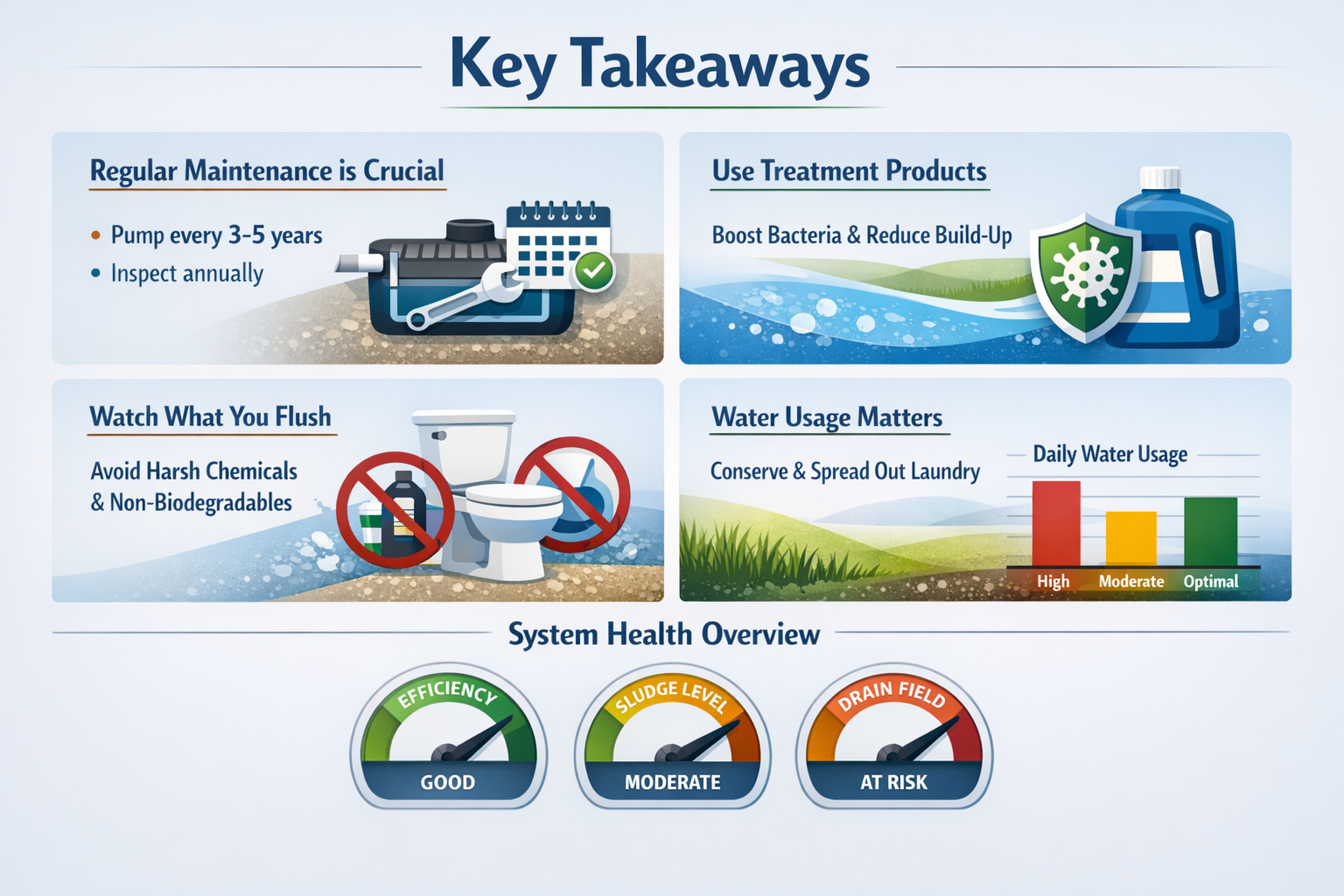
Key Takeaways
• Septic tank treatment enhances natural bacterial processes that break down waste and prevent system backups and failures
• Multiple treatment types exist including biological additives, enzyme products, and chemical treatments, each serving specific maintenance needs
• Regular treatment schedules combined with proper pumping can extend your septic system’s lifespan by 10-15 years
• New 2026 regulations in many states require enhanced treatment systems, especially near water sources and environmentally sensitive areas
• Smart monitoring and eco-friendly solutions are becoming standard practice for modern septic system maintenance
Understanding the Basics: What Is Septic Tank Treatment?
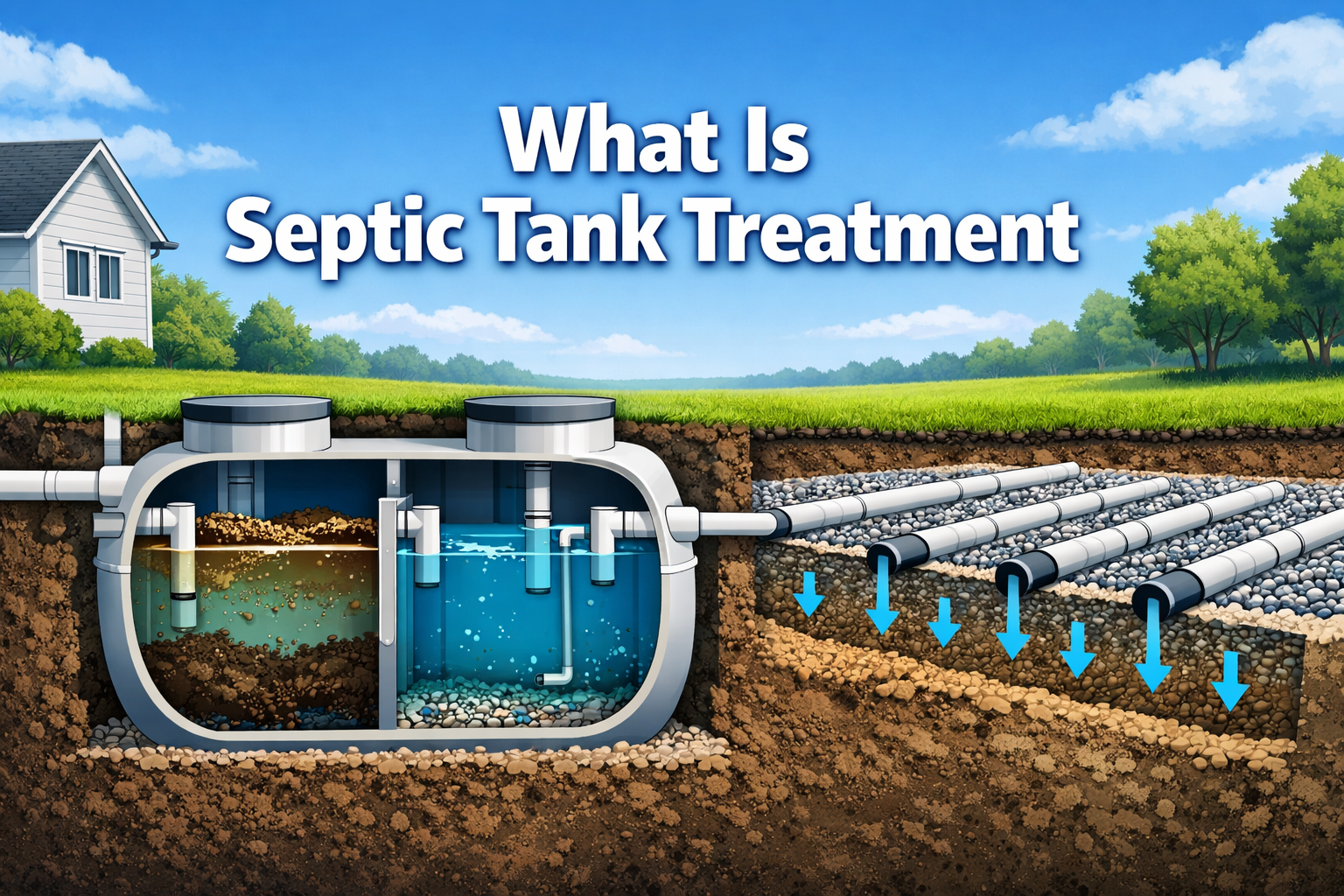
When homeowners ask what is septic tank treatment, they’re essentially asking about the various methods and products used to maintain optimal conditions inside their septic tanks. Think of your septic tank as a miniature wastewater treatment plant buried in your backyard. Just like any treatment facility, it needs the right balance of beneficial bacteria, proper pH levels, and adequate processing time to function effectively.
Understanding how a septic tank works is essential before diving into treatment options. Your septic system relies on anaerobic bacteria to break down organic waste in the tank’s oxygen-free environment. These microscopic workers decompose solids, separate liquids, and prepare effluent for final treatment in your drain field.
However, modern household products can disrupt this delicate bacterial ecosystem. Antibacterial soaps, harsh cleaning chemicals, and even certain medications can kill beneficial bacteria, leading to incomplete waste breakdown and system problems. This is where septic tank treatment products step in to restore balance and enhance natural processes.
The Science Behind Septic Treatment
Septic tank treatments work through several mechanisms:
- Bacterial supplementation: Adding concentrated beneficial bacteria to boost decomposition
- Enzyme activation: Introducing specific enzymes that break down fats, oils, proteins, and starches
- pH balancing: Maintaining optimal acidity levels for bacterial activity
- Nutrient provision: Supplying essential nutrients that bacteria need to thrive
The most effective treatments combine multiple approaches, creating an environment where natural waste processing can occur efficiently. Modern formulations often include specialized bacterial strains that target specific waste types, from kitchen grease to toilet paper fibers.
Types of Septic Tank Treatment Solutions
Understanding what is septic tank treatment requires exploring the different categories of products available to homeowners. Each type serves specific purposes and works best under certain conditions.
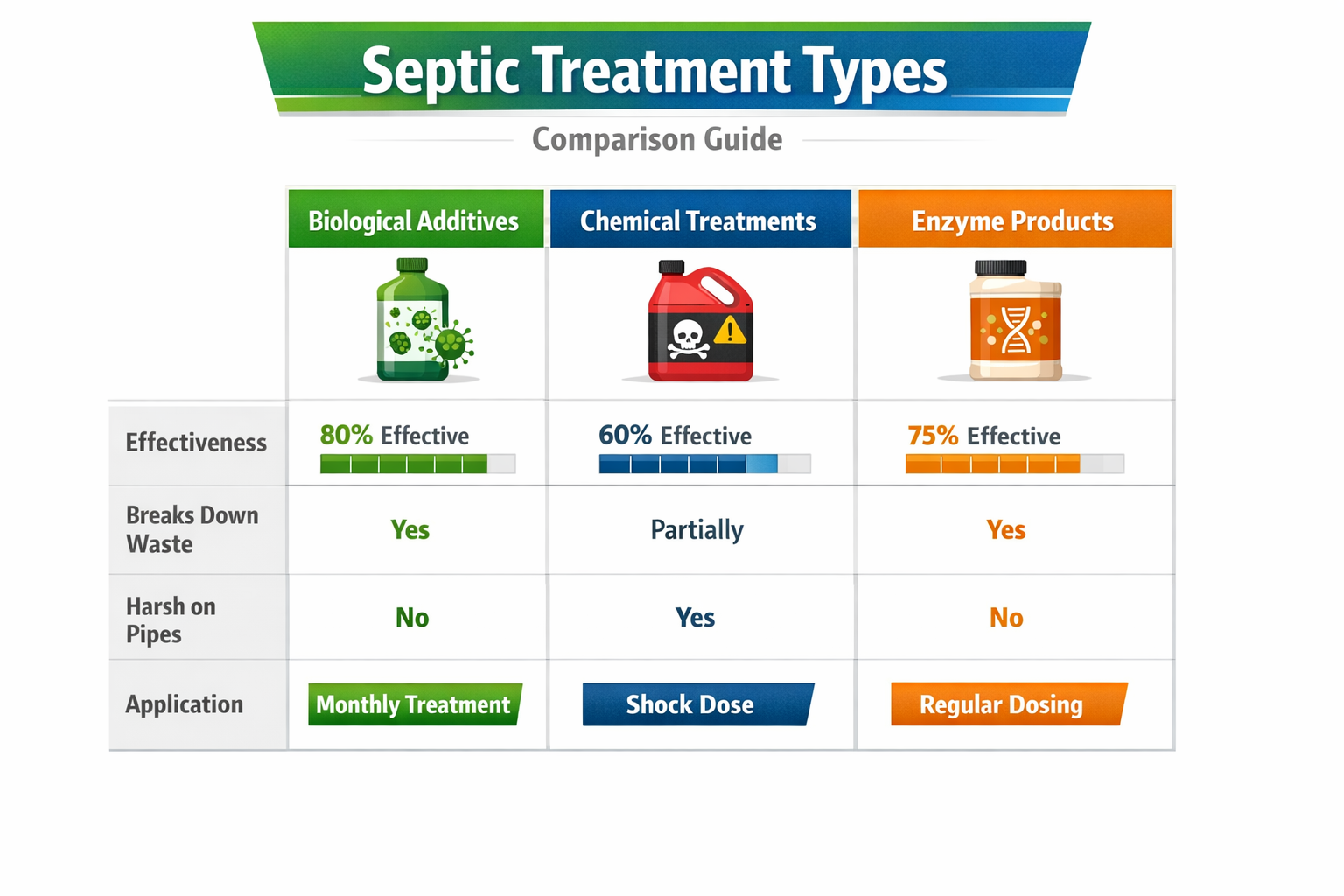
Biological Additives
Biological treatments contain live bacteria and enzymes specifically selected for septic environments. These products work by:
- Replenishing bacterial populations after disruption from household chemicals
- Introducing specialized strains that target specific waste types
- Accelerating decomposition of organic matter in the tank
- Reducing sludge accumulation between pumping cycles
Popular biological additives include concentrated bacterial formulations that homeowners can flush monthly. These products are particularly effective after antibiotic use, heavy cleaning chemical exposure, or periods of low system usage.
Enzyme-Based Treatments
Enzyme treatments focus on breaking down complex organic compounds through specific biochemical reactions. Different enzymes target different waste components:
- Lipases: Break down fats, oils, and grease
- Proteases: Decompose proteins from food waste and human waste
- Amylases: Process starches and carbohydrates
- Cellulases: Break down paper products and plant matter
These treatments work faster than bacterial additives but require regular application since enzymes are consumed during the breakdown process.
Chemical Treatments
Chemical septic treatments use non-biological compounds to maintain system health. While less common than biological options, they serve specific purposes:
- pH adjusters: Maintain optimal acidity levels for bacterial activity
- Odor neutralizers: Eliminate hydrogen sulfide and other malodorous compounds
- Grease emulsifiers: Break down accumulated fats and oils
- Root inhibitors: Prevent tree root intrusion into septic lines
Important note: Many septic professionals recommend avoiding harsh chemical treatments that can disrupt natural bacterial processes or harm drain field soil.
Modern Smart Treatment Systems
As we advance through 2026, smart septic treatment systems are gaining popularity. These systems combine traditional treatment methods with IoT-enabled monitoring and automated dosing. Features include:
- Real-time system monitoring through smartphone apps
- Automated treatment dispensing based on usage patterns
- Early warning systems for potential problems
- Predictive maintenance scheduling to prevent failures
FYI: Some links may be affiliate links, which means I may earn a small commission at no extra cost to you.
For homeowners seeking a simple, effective treatment solution, products like Septifix tablets offer an easy way to maintain healthy bacterial populations and prevent common septic problems. These tablets dissolve slowly, providing consistent treatment over time while breaking down waste and reducing buildup that can lead to costly repairs.
How to Choose the Right Septic Tank Treatment
Selecting the appropriate treatment for your septic system depends on several factors that every homeowner should consider carefully. What is septic tank treatment effectiveness often comes down to matching the right product to your specific situation and system needs.
Assessing Your System’s Needs
Before choosing a treatment, evaluate your septic system’s current condition and requirements:
System Age and Type
- Older concrete tanks may benefit from treatments that address structural issues
- Modern plastic or fiberglass tanks typically need standard bacterial maintenance
- Advanced treatment systems require specialized products designed for aerobic environments
Household Usage Patterns
- Large families generate more waste and may need stronger biological treatments
- Vacation homes with intermittent use benefit from bacterial boosters before occupancy
- Homes with garbage disposals require enzyme treatments targeting food waste
Water Quality Concerns
- Properties near water sources may need enhanced nutrient-reducing treatments
- Areas with hard water might require pH-balancing additives
- Homes using well water should consider treatments that won’t affect groundwater
Signs Your System Needs Treatment
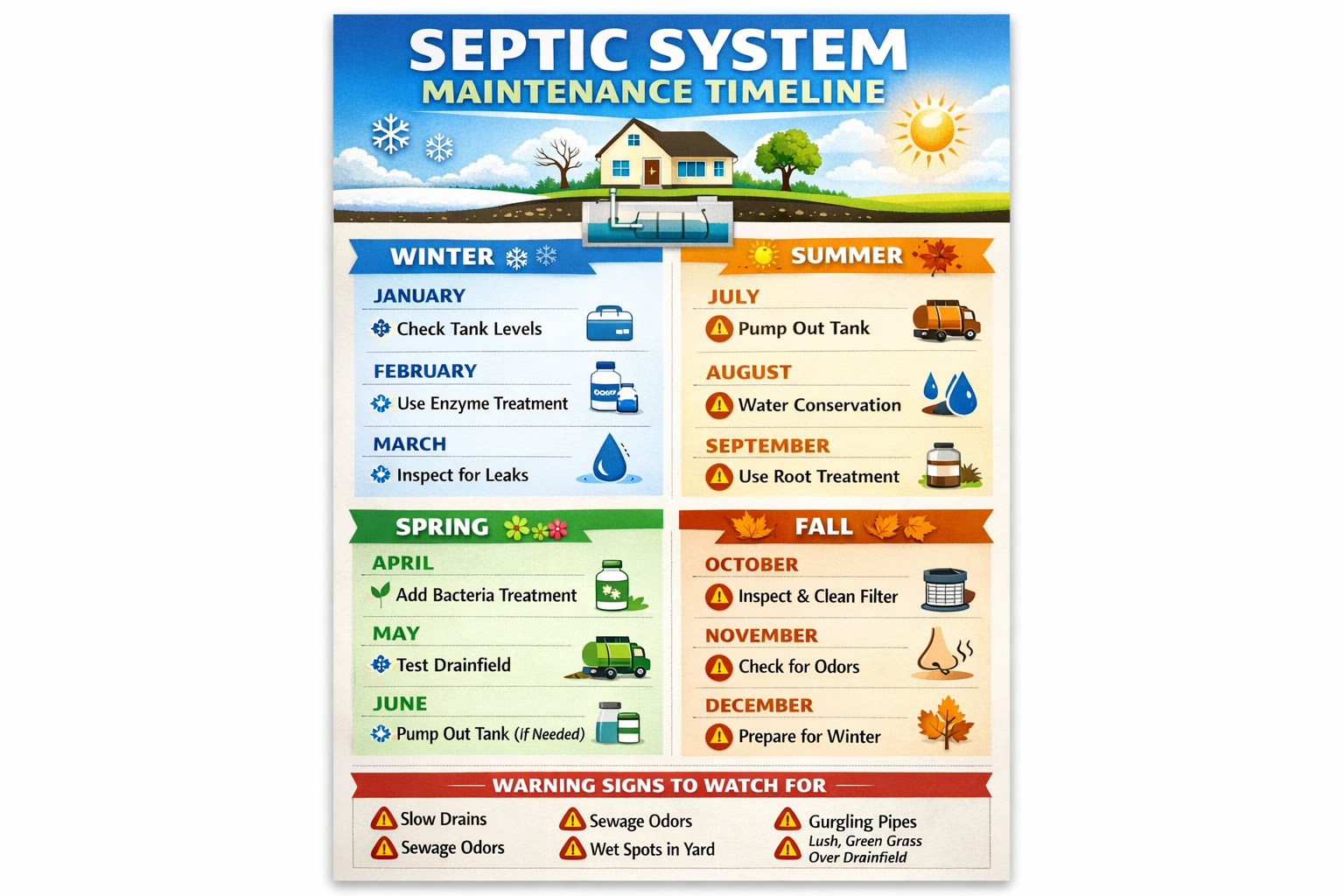
Recognizing when your septic system needs treatment can prevent expensive repairs and environmental damage. Common warning signs include:
🚨 Immediate Action Required:
- Sewage backing up into the house
- Standing water or wet spots over the drain field
- Strong sewage odors around the tank or in the home
- Gurgling sounds from drains and toilets
⚠️ Early Warning Signs:
- Slow draining fixtures throughout the house
- Unusually green grass over the septic area
- Frequent need for toilet plunging
- Increased insect activity around the septic tank
Treatment Selection Criteria
| Factor | Biological Treatment | Enzyme Treatment | Chemical Treatment |
|---|---|---|---|
| Best For | General maintenance | Grease/food waste | pH problems |
| Frequency | Monthly | Bi-weekly | As needed |
| Cost | $15-30/month | $20-40/month | $10-25/treatment |
| Effectiveness | Long-term | Fast-acting | Specific issues |
| Environmental Impact | Low | Low | Varies |
Professional vs. DIY Treatment
While many septic treatments are designed for homeowner use, certain situations require professional intervention:
DIY-Friendly Treatments:
- Monthly bacterial additives
- Enzyme products for routine maintenance
- pH testing and minor adjustments
- Odor control treatments
Professional Treatment Situations:
- System failures or backups
- Major pH imbalances
- Root intrusion problems
- Regulatory compliance issues
Professional septic services now use advanced equipment including high-powered vacuum trucks and fiber-optic cameras for more thorough treatment and inspection. This technology allows for precise problem identification and targeted treatment solutions.
Best Practices for Septic Tank Treatment Application
Proper application of septic tank treatments is crucial for achieving optimal results. Understanding what is septic tank treatment application involves goes beyond simply adding products to your system – it requires timing, dosage accuracy, and consistency.
Application Methods and Timing
Monthly Treatment Schedule
Most biological and enzyme treatments work best on a consistent monthly schedule. The ideal application time is during periods of normal household water usage, typically in the evening when the system has time to process the treatment overnight.
Seasonal Considerations
- Spring: Focus on bacterial restoration after winter dormancy
- Summer: Increase treatment frequency during peak usage periods
- Fall: Prepare the system for reduced winter activity
- Winter: Maintain minimal treatment in cold climates where bacterial activity slows
Application Techniques
- Toilet flushing method: Most common for tablets and powder treatments
- Direct tank access: Professional-grade treatments added through inspection ports
- Drain line application: Liquid treatments poured down specific drains
- Automated dispensing: Smart systems that dose treatments automatically
Dosage Guidelines
Proper dosage depends on tank size, household size, and treatment type:
Standard Residential Tanks (1000-1500 gallons):
- Biological treatments: 1-2 doses per month
- Enzyme treatments: Follow manufacturer’s weekly recommendations
- Chemical treatments: Use sparingly and only as needed
Large Household Systems (1500+ gallons):
- Increase biological treatments by 50%
- Consider professional-strength formulations
- Monitor system performance more frequently
Common Application Mistakes
❌ Overdosing: More treatment isn’t always better and can disrupt natural bacterial balance
❌ Inconsistent timing: Irregular application reduces treatment effectiveness
❌ Wrong product selection: Using aerobic treatments in anaerobic tanks
❌ Mixing incompatible treatments: Combining chemical and biological products inappropriately
❌ Ignoring manufacturer instructions: Each product has specific application requirements
Monitoring Treatment Effectiveness
Track your treatment program’s success through:
Visual Indicators:
- Reduced odors around the septic area
- Faster drain flow throughout the house
- Clearer effluent in inspection chambers
- Normal grass growth over the drain field
Performance Metrics:
- Pumping frequency (should extend with effective treatment)
- Water usage efficiency
- Absence of backup incidents
- Stable pH levels in tank samples
Documentation:
- Keep treatment application logs
- Record system performance changes
- Note any problems or improvements
- Schedule regular professional inspections
Many homeowners find success with simple, consistent treatment approaches. Septifix tablets, for example, provide a straightforward solution that dissolves gradually, ensuring steady bacterial support without the guesswork of liquid measurements or complex application procedures.
Integration with Overall Septic Maintenance
Septic tank treatment works best as part of a comprehensive maintenance program:
Essential Maintenance Components:
- Regular pumping every 3-5 years
- Annual system inspections
- Proper household waste management
- Drain field protection and care
Treatment Enhancement Strategies:
- Coordinate treatments with pumping schedules
- Adjust treatment intensity based on seasonal usage
- Combine different treatment types for comprehensive care
- Monitor and respond to changing household needs
Understanding what happens in a septic tank helps homeowners make informed decisions about treatment timing and product selection, ensuring their systems operate efficiently year-round.
Advanced Septic Treatment Technologies in 2026
The septic industry is experiencing rapid innovation as we move through 2026, with new technologies revolutionizing what is septic tank treatment can accomplish. These advances focus on environmental protection, system efficiency, and smart monitoring capabilities.
Electrochemical Treatment Systems
University of Miami researchers have developed groundbreaking Electrochemical Harvesting and Mineralization (EHM) systems that use electrical charging instead of traditional chemicals to treat wastewater. This innovative technology successfully isolates phosphates and nitrates at over 85% capacity in laboratory testing and is currently in pilot stage in Florida with funding from the Florida Department of Environmental Protection.
Key Benefits of EHM Technology:
- Eliminates need for chemical additives
- Recovers valuable nutrients for agricultural use
- Reduces environmental impact significantly
- Provides more consistent treatment results
Membrane Bioreactor (MBR) Systems
MBR technology combines biological treatment with advanced membrane filtration, creating ultra-clean effluent suitable for environmentally sensitive areas. These systems are becoming increasingly popular for:
- Properties within 200 feet of surface water bodies
- Watershed protection areas
- High-density residential developments
- Commercial properties with strict discharge requirements
MBR System Advantages:
- Superior effluent quality compared to conventional systems
- Smaller footprint than traditional drain fields
- Consistent performance regardless of soil conditions
- Reduced maintenance requirements
Smart Monitoring and IoT Integration
Modern septic systems now incorporate Internet of Things (IoT) sensors for real-time performance monitoring. These smart systems provide:
Real-Time Data Collection:
- Effluent quality measurements
- Flow rate monitoring
- Tank level indicators
- pH and dissolved oxygen levels
Predictive Maintenance Capabilities:
- Early warning systems for potential failures
- Automated treatment dosing based on system needs
- Performance trend analysis
- Remote troubleshooting support
Homeowner Benefits:
- Smartphone app notifications
- Reduced emergency service calls
- Extended system lifespan
- Lower long-term maintenance costs
Enhanced Treatment Materials
Contemporary septic systems benefit from advanced materials that improve durability and treatment effectiveness:
High-Density Polyethylene (HDPE) Tanks:
- Superior corrosion resistance
- Better root intrusion protection
- Longer lifespan than concrete alternatives
- Improved structural integrity
Advanced Fiberglass Composites:
- Lightweight yet durable construction
- Excellent chemical resistance
- Seamless interior surfaces
- Enhanced bacterial adhesion properties
Regulatory Compliance and Environmental Protection
New Jersey’s 2026 regulations exemplify the trend toward stricter environmental standards. Key requirements include:
Enhanced Treatment Standards:
- Mandatory nitrogen reduction systems near water sources
- Stricter permitting processes (4-12 week timeline)
- Required soil testing and engineering plans
- Enhanced environmental protection protocols
Property Transfer Requirements:
- Mandatory septic inspections in most counties
- Updated compliance certifications
- System upgrade requirements for non-compliant installations
- Professional inspection documentation
Constructed Wetland Systems
Engineered wetlands are gaining popularity as natural treatment solutions that mimic environmental processes. These systems offer:
Environmental Benefits:
- Natural nutrient removal
- Wildlife habitat creation
- Aesthetic landscape integration
- Minimal energy requirements
Treatment Effectiveness:
- Excellent nitrogen and phosphorus removal
- Pathogen reduction through natural processes
- Consistent performance in various climates
- Low maintenance requirements
Future Treatment Innovations
Looking ahead, emerging technologies promise even more effective septic treatment solutions:
Biofilm Reactor Technology:
- Fixed-film processes for enhanced bacterial activity
- Improved treatment consistency
- Reduced space requirements
- Better cold-weather performance
Aerobic Treatment Units (ATUs):
- Oxygen injection for accelerated decomposition
- Higher treatment efficiency than anaerobic systems
- Suitable for challenging soil conditions
- Reduced environmental impact
The septic industry’s evolution toward smarter, more environmentally conscious treatment solutions reflects growing awareness of water quality protection and sustainable wastewater management. These advances make it easier than ever for homeowners to maintain effective, compliant septic systems while protecting local water resources.
Helpful Resource: Simplifying Your Septic Treatment Routine
Managing septic tank treatment doesn’t have to be complicated or time-consuming. While the advanced technologies we’ve discussed offer exciting possibilities, many homeowners prefer simple, reliable solutions that fit seamlessly into their routine maintenance schedule.
If you’re looking for an uncomplicated approach to septic tank treatment, Septifix tablets provide a convenient option that many homeowners find effective. These easy-to-use tablets dissolve slowly in your septic tank, providing consistent bacterial support and waste breakdown over time. The tablets are designed to help prevent common issues like odors, backups, and excessive sludge buildup that can lead to costly repairs.
What makes tablet-based treatments particularly appealing is their simplicity – no measuring, no mixing, and no guesswork about proper dosage. You simply flush the recommended number of tablets and let them work gradually to maintain your system’s bacterial balance.
This type of treatment works well for homeowners who want to maintain their septic systems proactively without investing in complex monitoring equipment or professional-grade treatment programs. Combined with regular pumping and proper household practices, simple tablet treatments can help extend your system’s lifespan and prevent many common septic problems.
Cost Analysis and ROI of Septic Tank Treatment
Understanding the financial aspects of what is septic tank treatment involves helps homeowners make informed decisions about their maintenance investments. The septic tank pumping service market, valued at $366 million in 2025 and projected to reach $503 million by 2034, reflects the growing importance of proper system maintenance.
Treatment Cost Breakdown
Monthly Treatment Costs:
- Basic bacterial additives: $15-25 per month
- Premium enzyme treatments: $25-40 per month
- Professional-grade treatments: $40-75 per month
- Smart system monitoring: $50-100 per month (including equipment)
Annual Investment Comparison:
- DIY treatment program: $200-500 per year
- Professional maintenance with treatment: $500-1,200 per year
- Emergency repairs (without treatment): $3,000-15,000 per incident
- Complete system replacement: $15,000-50,000
Return on Investment Analysis
Proper septic tank treatment provides substantial financial returns through:
Extended Pumping Intervals:
- Untreated systems: Pumping every 2-3 years ($300-500 per service)
- Treated systems: Pumping every 4-5 years ($300-500 per service)
- Annual savings: $100-200 in pumping costs
Reduced Emergency Repairs:
- System backups can cost $2,000-8,000 to resolve
- Drain field replacement: $10,000-25,000
- Tank replacement: $5,000-15,000
- Treatment programs prevent 70-80% of these issues
Property Value Protection:
- Functioning septic systems maintain property values
- Failed systems can reduce home value by 10-15%
- Proper maintenance documentation appeals to buyers
- Compliance with current regulations prevents sale delays
Cost-Benefit Scenarios
Scenario 1: Minimal Treatment Approach
- Annual cost: $200 (basic bacterial additives)
- Pumping frequency: Every 4 years
- 10-year cost: $2,750 (treatment + pumping)
- Risk level: Moderate
Scenario 2: Comprehensive Treatment Program
- Annual cost: $600 (premium treatments + monitoring)
- Pumping frequency: Every 5 years
- 10-year cost: $6,800 (treatment + pumping)
- Risk level: Low
Scenario 3: No Treatment (High Risk)
- Annual cost: $0 (no preventive treatment)
- Pumping frequency: Every 2-3 years
- 10-year cost: $8,000-15,000 (frequent pumping + repairs)
- Risk level: Very high
Regional Cost Variations
Treatment costs vary significantly by geographic location:
High-Cost Regions (Northeast, California):
- Premium for environmental compliance
- Stricter regulations increase treatment requirements
- Higher professional service costs
- Advanced treatment system mandates
Moderate-Cost Regions (Southeast, Midwest):
- Standard treatment options widely available
- Competitive service provider markets
- Reasonable regulatory requirements
- Good DIY product availability
Lower-Cost Regions (Rural areas, some Southern states):
- Basic treatment requirements
- Lower service costs
- Fewer regulatory restrictions
- Self-maintenance more common
Financing and Budgeting Strategies
Monthly Budget Planning:
- Set aside $50-75 monthly for septic maintenance
- Include treatment costs in annual home maintenance budgets
- Consider seasonal usage variations
- Plan for periodic professional inspections
Long-Term Investment Approach:
- View treatment as insurance against major repairs
- Calculate total cost of ownership over 20-30 years
- Factor in regulatory changes and upgrade requirements
- Consider property resale value protection
Emergency Fund Recommendations:
- Maintain $2,000-5,000 septic emergency fund
- Even with treatment, unexpected issues can occur
- Quick response prevents minor problems from becoming major
- Covers temporary pumping or repair needs
The financial benefits of consistent septic tank treatment far outweigh the costs for most homeowners. When you consider that a single system failure can cost more than 10-20 years of treatment programs, the investment in preventive maintenance becomes clearly worthwhile.
Conclusion
Understanding what is septic tank treatment is essential for every homeowner who relies on these critical wastewater systems. As we’ve explored throughout this comprehensive guide, septic tank treatment encompasses various methods and products designed to maintain the delicate bacterial balance necessary for proper waste decomposition and system function.
The key to successful septic system maintenance lies in consistent, appropriate treatment combined with regular professional care. Whether you choose biological additives, enzyme treatments, or modern smart monitoring systems, the important thing is establishing a routine that keeps your system healthy and prevents costly failures.
As we navigate 2026’s evolving regulatory landscape and embrace new technologies like electrochemical treatment systems and IoT monitoring, homeowners have more options than ever for maintaining their septic systems effectively. The investment in proper treatment – typically $200-600 annually – provides substantial returns through extended system life, reduced repair costs, and environmental protection.
Remember that septic tank treatment works best as part of a comprehensive maintenance strategy that includes regular pumping, proper household practices, and professional inspections. By understanding your system’s needs and implementing appropriate treatment solutions, you can avoid the nightmare scenarios of backups, odors, and expensive emergency repairs.
Take Action Today:
- Assess your current septic maintenance routine and identify areas for improvement
- Choose a treatment program that matches your system type, household size, and budget
- Establish a consistent application schedule and stick to it throughout the year
- Monitor your system’s performance and adjust treatment as needed
- Stay informed about local regulations and upgrade requirements in your area
- Maintain emergency funds for unexpected septic issues despite preventive care
Your septic system is a significant investment in your property’s infrastructure. By understanding what septic tank treatment involves and implementing appropriate solutions, you’re protecting both your home’s value and the environment for years to come. Don’t wait until problems arise – start your preventive treatment program today and enjoy the peace of mind that comes with a well-maintained septic system.
References
[1] Nj Septic Regulations For 2026 – https://www.atsenvironmental.com/blog/nj-septic-regulations-for-2026/
[2] Fall City Gets Green Light From State For Final Phase Of Septic Project – https://kingcountylocalblog.com/2025/10/15/fall-city-gets-green-light-from-state-for-final-phase-of-septic-project/
[3] Making Septic Systems Cleaner For The Environment – https://news.miami.edu/stories/2025/10/making-septic-systems-cleaner-for-the-environment.html
[4] The Future Of Septic Systems Emerging Technologies To Watch – https://www.lanikseptic.com/the-future-of-septic-systems-emerging-technologies-to-watch/
[5] The Future Of Septic Systems Embracing Smart Technology And Eco Friendly Solutions – https://www.pumper.com/bytes/2024/08/the-future-of-septic-systems-embracing-smart-technology-and-eco-friendly-solutions
[6] How Modern Septic Technology Is Changing The Game – https://www.septicblue.com/how-modern-septic-technology-is-changing-the-game
[10] Septic Tank Pumping Service Market 27542 – https://www.intelmarketresearch.com/septic-tank-pumping-service-market-27542