Last updated: February 21, 2026
Key Takeaways
- Immediate sewage backup into your home through sinks, toilets, and drains when septic tanks reach capacity
- Groundwater contamination threatens drinking water and poses serious health risks to your family and community
- Expensive repairs can cost $10,000-$20,000 or more when drain fields fail due to neglected maintenance
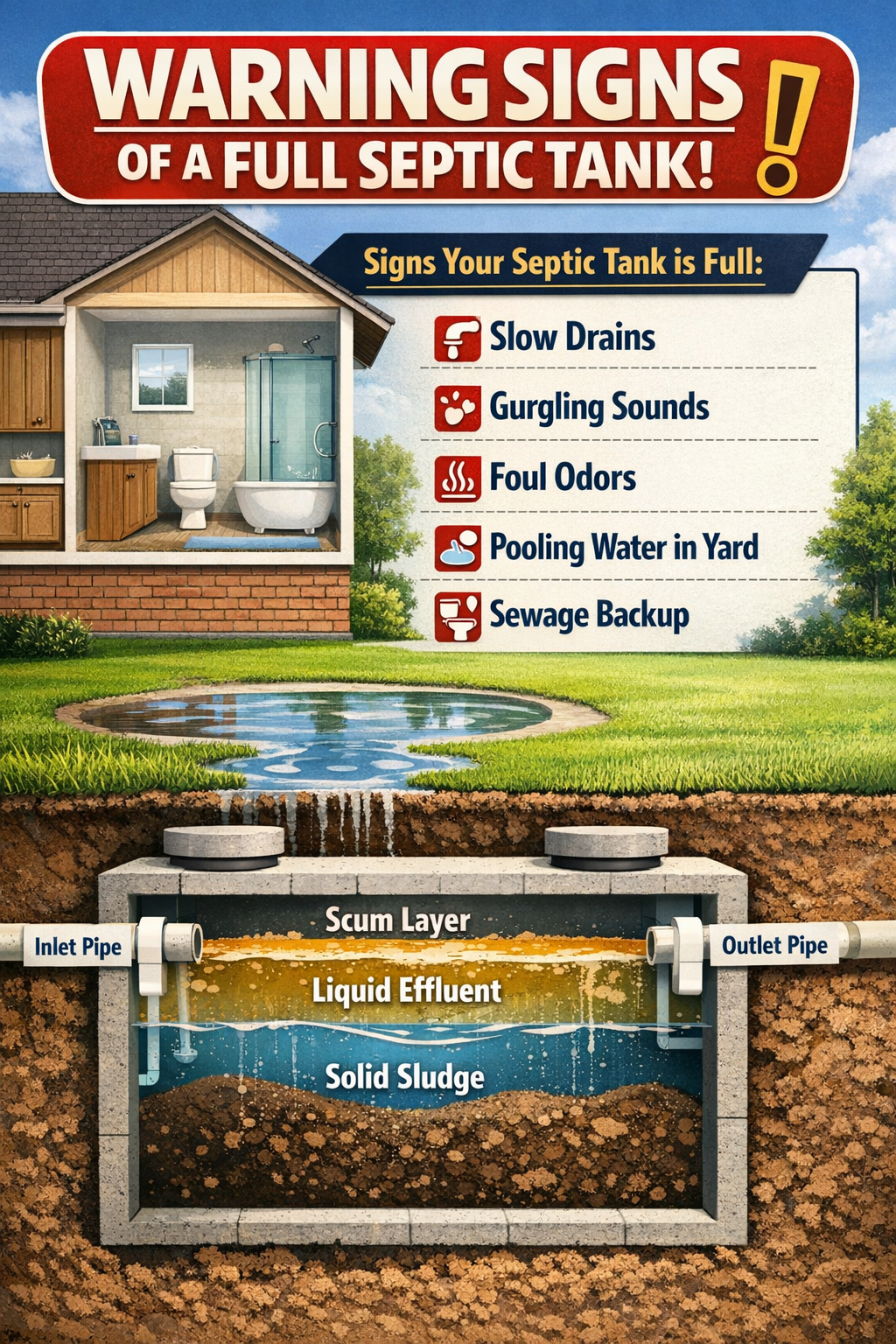
- Early warning signs include slow drains, gurgling sounds, foul odors, and pooling water in your yard
- Regular pumping every 3-5 years prevents most problems and protects your investment
Quick Answer
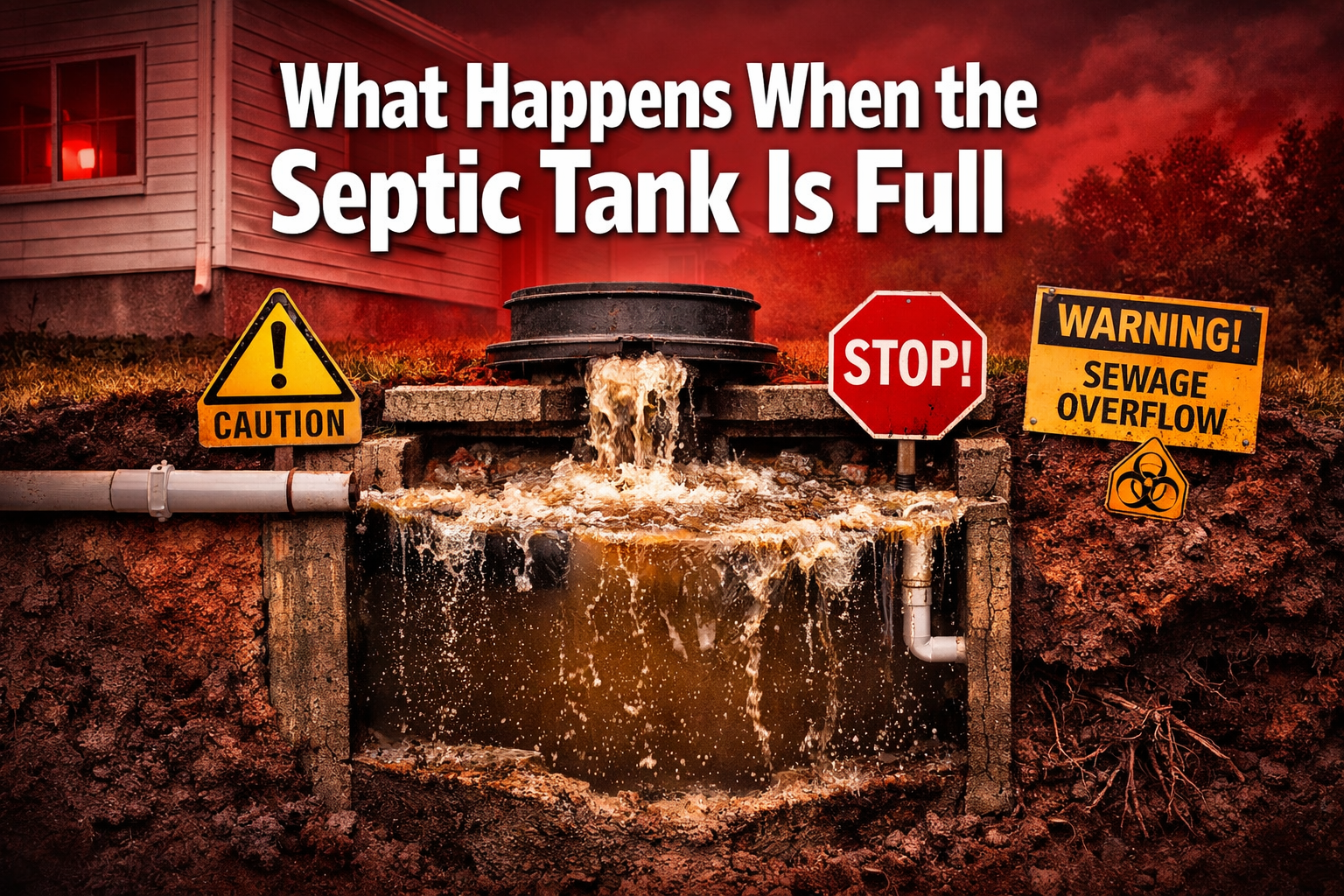
When a septic tank becomes full, untreated wastewater backs up into your home through drains and toilets, creating unsanitary conditions and potential health hazards. The excess waste also overflows into the drain field, contaminating groundwater and potentially causing expensive system failures that can cost tens of thousands of dollars to repair.
I’ve seen too many homeowners learn about what happens when the septic tank is full the hard way – through sewage backups in their basements or massive repair bills. Understanding these consequences helps you take action before disaster strikes.
How Do You Know Your Septic Tank Is Getting Full?
Your septic system sends clear warning signals before it reaches crisis mode. Slow-draining sinks and toilets are often the first sign that your tank is approaching capacity. You might notice water taking longer to go down or hear unusual gurgling sounds from your plumbing.
Strong odors around your property indicate that gases are escaping from an overloaded system. These smells come from methane and hydrogen sulfide building up when waste can’t process properly. If you smell sewage near your septic tank or drain field, it’s time to call a professional.
Physical Signs in Your Yard
- Pooling water over the drain field, especially during dry weather
- Unusually lush, green grass above the septic area from excess nutrients
- Wet, soggy ground that doesn’t dry out normally
- Visible sewage surfacing in your yard
Watch for these warning signs because they indicate your system is struggling to handle its current load. The sooner you recognize these symptoms, the easier and cheaper it is to fix the problem.
For detailed guidance on recognizing these early warning signs, check out our complete guide on how to tell if your septic tank is full.
What Happens When the Septic Tank Is Full: Immediate Consequences
Sewage backs up into your home when there’s nowhere else for wastewater to go. This creates dangerous, unsanitary conditions that can damage your property and threaten your family’s health.
The backup typically starts with the lowest drains in your house – basement sinks, floor drains, or ground-level bathrooms. Raw sewage contains harmful bacteria like E. coli and salmonella that can cause serious illness if you come into contact with contaminated surfaces.
Where Sewage Appears First
- Basement floor drains – usually the first place you’ll see backup
- Lower-level toilets and sinks – especially in split-level homes
- Washing machine drains – may overflow during wash cycles
- Shower and bathtub drains – can bubble up with sewage
Property damage happens quickly once sewage enters your home. Contaminated water ruins flooring, drywall, furniture, and personal belongings. The cleanup process is expensive and time-consuming, often requiring professional remediation services.
FYI: Some links may be affiliate links, which means I may earn a small commission at no extra cost to you.
If you’re dealing with recurring issues, Septifix tablets can help break down waste and reduce the likelihood of backups. These monthly treatments help maintain proper bacterial balance in your tank, which is especially helpful if your system shows early warning signs.
Environmental and Health Risks When Septic Tanks Overflow
Groundwater contamination poses the most serious long-term threat when septic systems fail. The EPA identifies poorly treated sewage from overflowing septic systems as a significant danger to drinking water and human health.
Untreated wastewater contains dangerous pathogens including E. coli, salmonella, and hepatitis A that can contaminate local water sources. This contamination affects not just your property but your entire neighborhood’s water supply.
Scale of Environmental Impact
In Michigan alone, failing septic systems release up to 31 million gallons of raw wastewater per day into state waters. This massive discharge threatens both human health and environmental ecosystems, killing fish and contaminating recreational water areas.
Nitrogen and phosphorus pollution from failed septic systems causes algae blooms in lakes and streams. These blooms deplete oxygen levels, creating dead zones where aquatic life cannot survive.
Health Risks for Your Family
- Waterborne diseases from contaminated well water
- Skin and eye infections from contact with sewage
- Respiratory problems from toxic gases like methane and hydrogen sulfide
- Gastrointestinal illness from bacterial contamination
The health department may require expensive water testing and treatment if your failed septic system contaminates nearby wells. Some families have had to rely on bottled water for months while their contaminated wells undergo treatment.
Learn more about septic tank overflow causes and prevention to protect your property and community.
Financial Consequences: What Happens When the Septic Tank Is Full
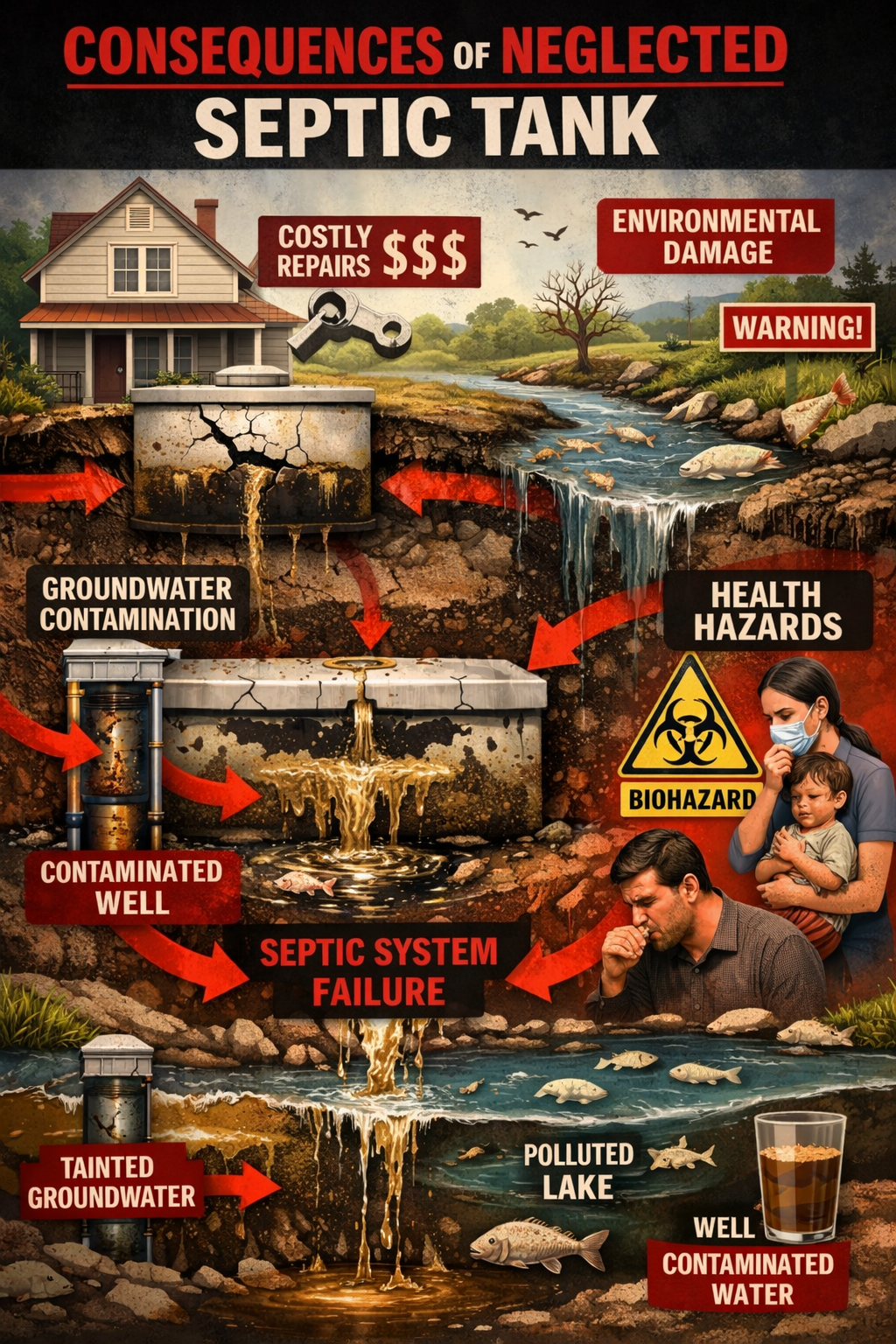
Drain field replacement costs represent the most expensive problem homeowners face when septic systems fail. The EPA identifies drain field failure as a major financial burden, with replacement costs ranging from $10,000-$20,000 or more.
Recent data from Michigan shows that repairing a failing septic system can exceed $20,000 as of 2026. These costs include excavation, new piping, soil replacement, and system redesign – expenses that could have been avoided with regular maintenance.
Breakdown of Potential Costs
| Repair Type | Cost Range | Timeline |
|---|---|---|
| Emergency pumping | $300-$600 | Same day |
| Drain field repair | $3,000-$10,000 | 1-2 weeks |
| Complete replacement | $10,000-$25,000+ | 2-4 weeks |
| Property damage cleanup | $5,000-$15,000 | 1-3 weeks |
Additional hidden costs pile up quickly when septic systems fail. You might need temporary housing during major repairs, especially if sewage backup makes your home uninhabitable. Lost work time, hotel stays, and meal expenses add thousands to your total bill.
Regulatory fines and penalties can compound your financial burden. Municipalities enforce maintenance regulations, and neglected systems causing groundwater contamination may result in hefty fines from local health departments. Under proposed Michigan standards as of 2026, homeowners could even face criminal charges for submitting falsified inspection reports.
Property Value Impact
Failed septic systems can reduce your home’s market value by tens of thousands of dollars. Potential buyers often walk away from properties with known septic problems, and those who remain will demand significant price reductions to cover repair costs.
How to Prevent Septic Tank Problems Before They Start
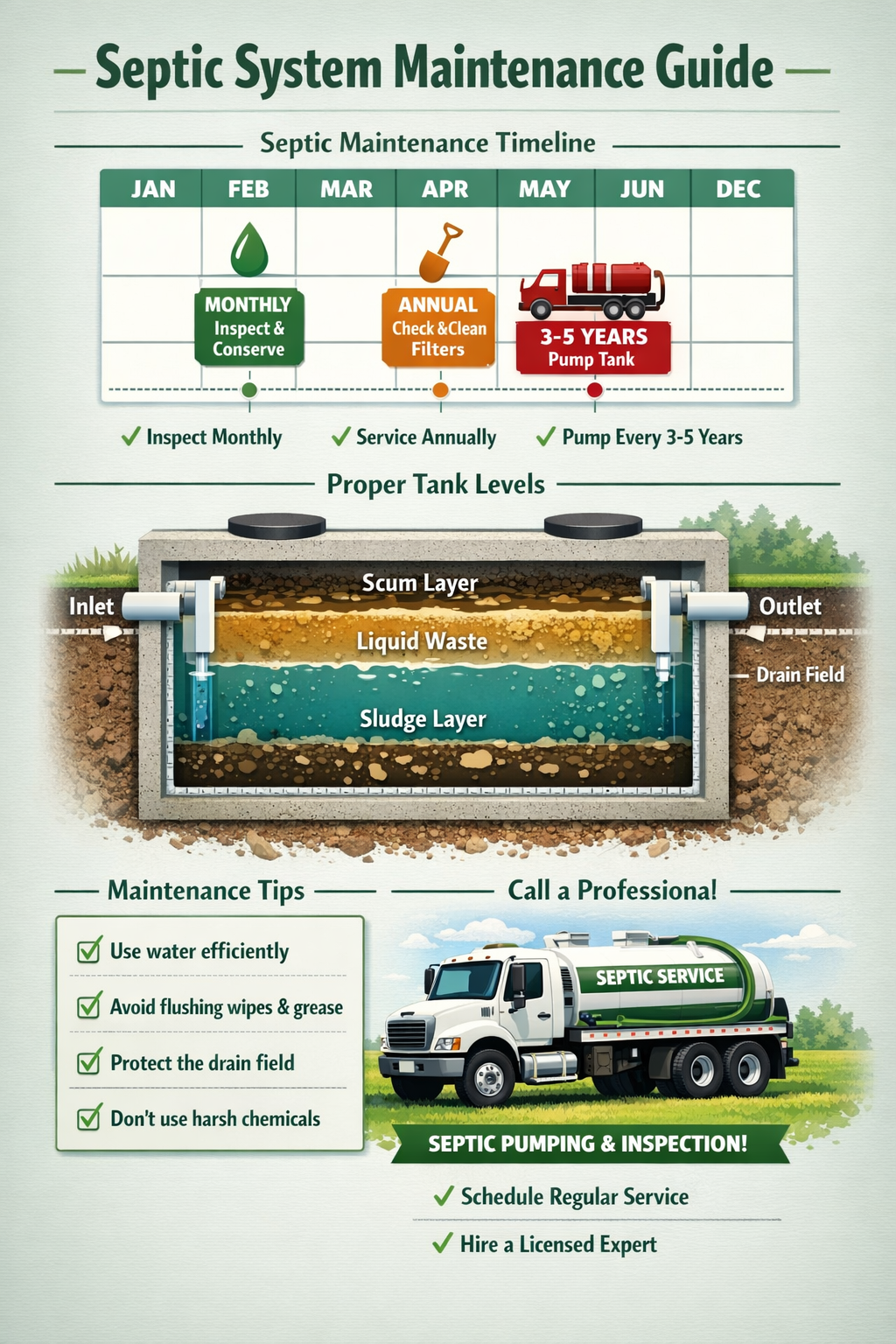
Regular pumping every 3-5 years prevents most septic emergencies and protects your investment. The exact frequency depends on your household size, tank capacity, and water usage patterns.
Proper waste disposal keeps your system running smoothly. Never flush non-biodegradable items like diapers, feminine hygiene products, cigarette butts, or cat litter. These materials accumulate in your tank and accelerate the filling process.
Smart Water Usage Practices
- Spread laundry loads throughout the week instead of doing multiple loads in one day
- Fix leaky faucets and toilets immediately to prevent excess water from overwhelming your system
- Use high-efficiency appliances that reduce water consumption
- Avoid garbage disposals or use them sparingly to minimize solid waste
Bacterial balance maintenance helps break down waste naturally. Harsh chemicals like bleach, antibacterial soaps, and drain cleaners kill beneficial bacteria that digest organic matter in your tank.
For homeowners looking for a simple maintenance solution, Septifix tablets offer an easy way to support your septic system’s bacterial health. One monthly tablet helps break down waste, reduce odors, and maintain proper system function without harsh chemicals.
Professional Inspection Schedule
Have your system inspected annually by a qualified septic professional. They can identify potential problems before they become emergencies and recommend appropriate maintenance timing based on your specific system.
Our best septic tank maintenance practices guide provides detailed steps for keeping your system in top condition year-round.
Emergency Steps When Your Septic Tank Is Already Full
Stop using water immediately when you notice sewage backup or other signs of system failure. Every gallon you add makes the problem worse and increases potential damage to your home.
Contact a septic pumping service for emergency service. Most companies offer 24/7 emergency calls, though you’ll pay premium rates for after-hours service. Don’t wait until Monday morning if the problem occurs over the weekend.
Immediate Safety Measures
- Keep family and pets away from contaminated areas
- Turn off electricity to any flooded areas to prevent electrocution
- Ventilate affected spaces to prevent toxic gas buildup
- Document damage with photos for insurance claims
Avoid DIY fixes that can make the situation worse. Never add yeast, baking soda, or other home remedies to a full septic tank. These materials won’t solve the underlying problem and may interfere with professional treatment.
Temporary water reduction strategies can buy you time until professional help arrives:
- Use paper plates and cups to minimize dishwashing
- Take showers at a gym or friend’s house
- Collect rainwater for toilet flushing if absolutely necessary
- Stay in a hotel if sewage backup makes your home unsafe
If you’re experiencing septic tank backing up into your house, our emergency guide provides step-by-step instructions for protecting your family and property.
Long-Term Solutions and System Upgrades
System capacity evaluation determines whether your current septic tank meets your household’s needs. Families that have grown or increased water usage may need tank expansion or upgraded components.
Drain field rehabilitation can extend your system’s life when properly maintained tanks still experience drainage problems. This process involves soil testing, pipe inspection, and targeted repairs that cost less than complete replacement.
Modern Technology Options
- Advanced treatment units that process wastewater more efficiently
- Pump systems for properties with challenging topography
- Monitoring devices that track tank levels and alert you to potential problems
- Effluent filters that prevent solids from reaching the drain field
Soil improvement techniques can restore drain field function in some cases. Professional services may recommend soil amendments, aeration, or biomat treatment to improve wastewater absorption.
Preventive maintenance contracts with local septic companies ensure regular service and early problem detection. These agreements often include discounted pumping rates and priority emergency service.
For ongoing system support, consider Septifix tablets as part of your maintenance routine. These monthly treatments help maintain bacterial balance and reduce the buildup that leads to system failures, especially valuable for older systems or homes with heavy usage.
Helpful Resource for Septic System Maintenance
If you want a simple, effective way to maintain your septic system between professional services, Septifix tablets provide an easy monthly solution. These tablets help break down waste, reduce bad smells, and keep your septic tank working properly with just one flush per month.
The tablets work by supporting the natural bacterial processes that break down organic waste in your tank. This can help prevent the buildup that leads to full tanks and system backups, especially useful for busy households or older systems that need extra support.
While not a replacement for regular pumping and professional maintenance, Septifix offers a convenient way to support your system’s health and potentially extend the time between service calls. See how Septifix tablets can keep your septic system clean and efficient.
FAQ
How often should I pump my septic tank to prevent it from getting full?
Most septic tanks need pumping every 3-5 years, depending on household size and usage. A family of four with a 1,000-gallon tank typically needs service every 3-4 years.
What are the first signs that my septic tank is getting full?
Slow-draining sinks and toilets, gurgling sounds in plumbing, foul odors around your property, and pooling water in the yard are early warning signs your tank is approaching capacity.
Can I use my water normally if my septic tank is full?
No, you should immediately reduce water usage when your tank is full. Continued use will cause sewage backup into your home and potential health hazards.
How much does emergency septic pumping cost?
Emergency septic pumping typically costs $400-$800, with higher rates for after-hours and weekend service. Regular scheduled pumping costs $300-$500.
Will homeowner’s insurance cover damage from septic tank overflow?
Most standard homeowner’s policies exclude septic system failures and related damage. Check your policy and consider septic system insurance if available in your area.
How long can I wait if I suspect my septic tank is full?
Don’t wait at all. Contact a septic professional immediately when you notice warning signs. Delaying service increases the risk of sewage backup and expensive property damage.
Can heavy rain cause my septic tank to overflow?
Yes, heavy rain can saturate the drain field and prevent proper drainage, causing a full tank to overflow. This is why regular pumping before rainy seasons is important.
What should I do if sewage backs up into my house?
Stop using water immediately, keep family and pets away from contaminated areas, call emergency septic service, and document damage for insurance purposes.
Are there any temporary fixes for a full septic tank?
No safe temporary fixes exist for a full septic tank. Professional pumping is the only solution. Home remedies can make the problem worse.
How can I tell if my drain field is failing due to a full tank?
Signs of drain field failure include persistent pooling water, strong odors, unusually green grass over the field area, and sewage surfacing in your yard.
What happens to the bacteria in my septic tank when it gets too full?
Beneficial bacteria become overwhelmed and can’t break down waste effectively when tanks are too full. This disrupts the natural treatment process and worsens the problem.
Can I prevent my septic tank from filling up so quickly?
Yes, reduce water usage, avoid flushing non-biodegradable items, spread laundry loads throughout the week, and maintain proper bacterial balance in your tank.
Key Takeaways
- Sewage backup into your home is the immediate consequence when septic tanks reach capacity, creating health hazards and property damage
- Groundwater contamination threatens drinking water supplies and can affect entire neighborhoods
- Repair costs range from $10,000-$25,000 for drain field replacement, plus additional expenses for property damage and cleanup
- Early warning signs include slow drains, gurgling sounds, foul odors, and pooling water – don’t ignore these symptoms
- Regular pumping every 3-5 years prevents most problems and protects your investment
- Proper waste disposal and water usage practices extend the time between pumpings
- Emergency response requires immediately stopping water use and calling professional septic services
- Professional maintenance costs far less than emergency repairs and system replacement
- Environmental protection depends on properly functioning septic systems in your community
- Prevention through regular care saves thousands of dollars and protects your family’s health
Conclusion
Understanding what happens when the septic tank is full empowers you to take preventive action before facing expensive emergencies. The consequences – from sewage backup in your home to groundwater contamination and massive repair bills – make regular maintenance a wise investment rather than an optional expense.
The warning signs are clear: slow drains, gurgling sounds, foul odors, and pooling water in your yard. When you notice these symptoms, act quickly to prevent sewage backup and protect your property. Emergency pumping costs a few hundred dollars, while neglect can lead to repairs exceeding $20,000.
Take action today by scheduling a septic inspection if you haven’t had service in the past three years. Establish a regular pumping schedule, practice proper waste disposal, and consider supportive treatments like Septifix tablets to maintain bacterial balance between professional services.
Your septic system is a significant investment that requires attention, but proper care ensures decades of reliable service. Don’t wait for disaster to strike – the cost of prevention is always less than the price of emergency repairs.
For more guidance on septic system care, explore our comprehensive maintenance resources and connect with qualified professionals in your area.
References
[1] Scary Things That Can Happen If You Neglect Your – https://www.wrenvironmental.com/blog/2024/october/scary-things-that-can-happen-if-you-neglect-your/
[2] What Happens If You Wait Too Long Between Septic Pump Outs – https://www.awsanitation.com/post/what-happens-if-you-wait-too-long-between-septic-pump-outs
[3] Essential Facts About Buying Homes With Septic Systems In – https://www.amerisave.com/learn/essential-facts-about-buying-homes-with-septic-systems-in
[4] Signs Your Septic Tank Is Too Full When To Call The Pros – https://www.metroseptic.com/blog/signs-your-septic-tank-is-too-full-when-to-call-the-pros/
[6] New Bill Hopes To End Michigans Status As Only State Without Statewide Septic System Code – https://www.michiganpublic.org/environment-climate-change/2026-01-30/new-bill-hopes-to-end-michigans-status-as-only-state-without-statewide-septic-system-code
[7] Michigan Is Last State Without A Septic System Code Will That Change – https://greatlakesecho.org/2026/02/10/michigan-is-last-state-without-a-septic-system-code-will-that-change/
[8] 7 Septic Myths Debunked Blog October 2025 – https://www.billsseweranddrain.com/7-septic-myths-debunked-blog-october-2025