What Happens in a Septic Tank: The Complete Guide to Your Underground Wastewater Treatment System
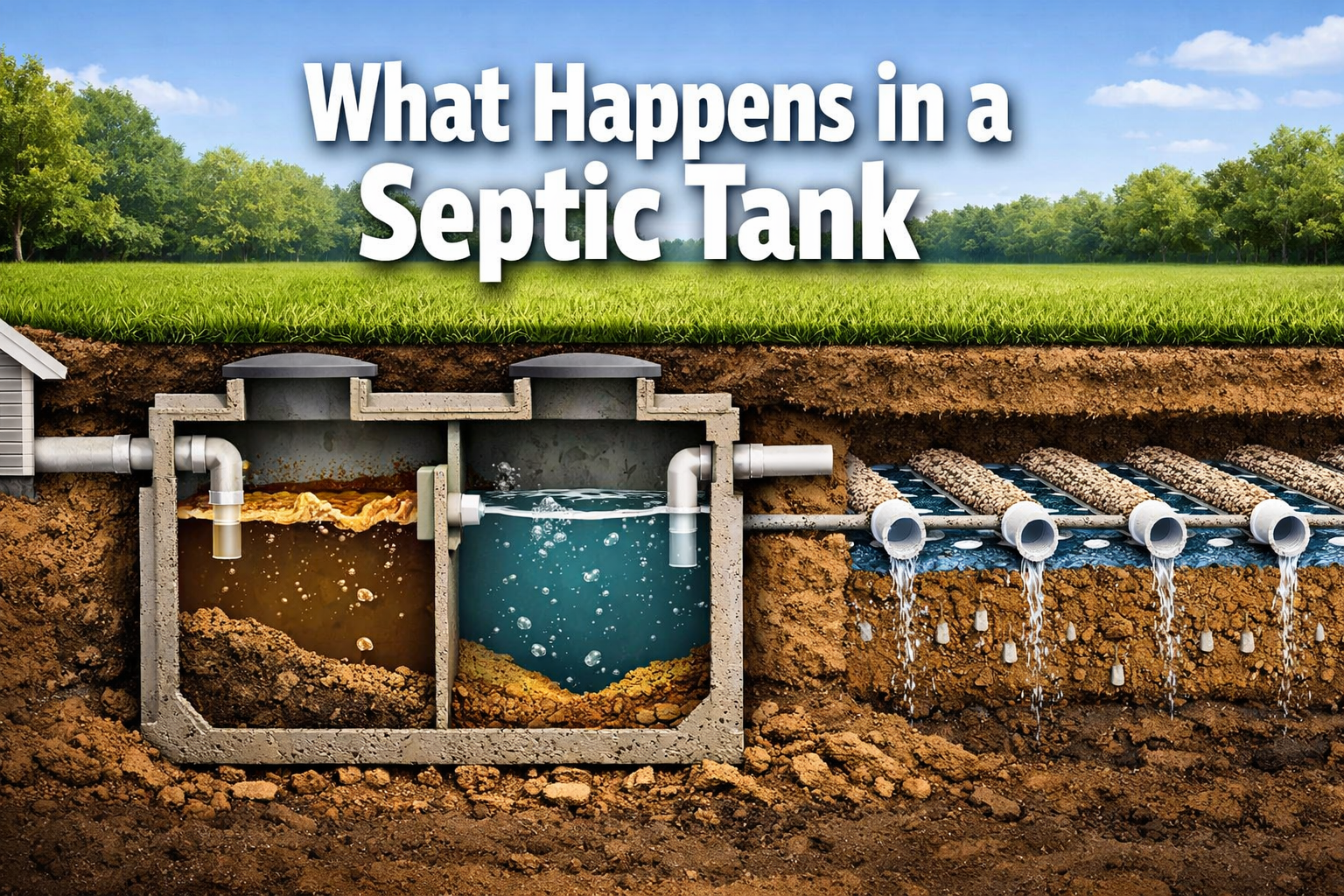
Picture this: every time you flush your toilet, run your dishwasher, or take a shower, gallons of wastewater disappear down the drain. But where does it go? If you’re one of the 25% of American homes that rely on septic systems, that wastewater travels to a fascinating underground world where nature and engineering work together in perfect harmony. Understanding what happens in a septic tank isn’t just about satisfying curiosity—it’s the key to protecting your investment, preventing costly repairs, and keeping your system running smoothly for decades.
Key Takeaways
- Septic tanks use natural bacterial processes to break down waste through three distinct layers: scum, effluent, and sludge
- Modern septic technology includes smart monitoring systems and advanced materials that improve efficiency by 25-30% in commercial applications
- Regular maintenance and proper usage can extend your system’s life to 20-30 years while preventing expensive repairs
- The septic industry is rapidly evolving with IoT sensors, biodegradable treatments, and eco-friendly solutions projected to grow 12% annually through 2030
- Understanding your system’s process helps you make informed decisions about maintenance, pumping schedules, and system upgrades
The Three-Layer Septic Tank Process: What Happens in a Septic Tank
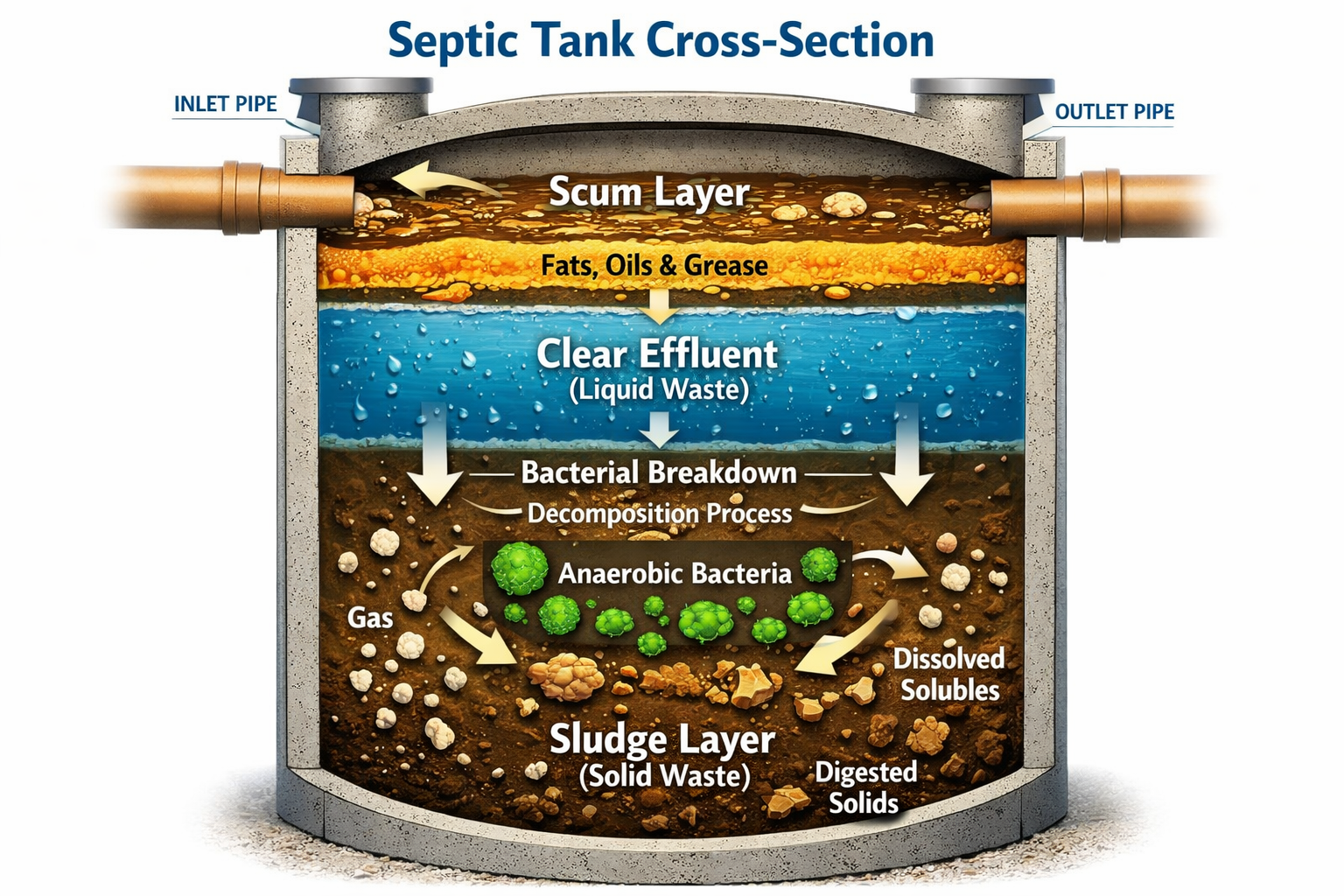
When wastewater enters your septic tank, it doesn’t just sit there waiting to be pumped out. Instead, it undergoes a carefully orchestrated natural treatment process that’s been refined over decades. Let me walk you through exactly what happens in a septic tank from the moment wastewater enters until it’s ready for the next stage.
The Scum Layer: Nature’s First Filter
At the very top of your septic tank floats the scum layer—a collection of oils, grease, soap residue, and other lightweight materials. This layer acts like nature’s first filter, preventing these substances from flowing into your drain field where they could cause serious clogs.
What makes up the scum layer:
- 🧴 Soap and detergent residues
- 🍳 Cooking oils and grease
- 🧻 Small pieces of toilet paper and debris
- 💧 Hair and other floating organic matter
The scum layer typically measures 2-4 inches thick in a healthy system. When it gets too thick (over 6 inches), it’s time for pumping to prevent overflow into your drain field.
The Effluent Zone: The Clear Middle Ground
Below the scum layer lies the effluent zone—the largest section of your tank containing relatively clear liquid. This is where the magic of bacterial breakdown really happens. Anaerobic bacteria (bacteria that thrive without oxygen) work around the clock to decompose organic matter suspended in the water.
Key processes in the effluent zone:
- Bacterial digestion of organic compounds
- Separation of solids from liquids
- pH balancing for optimal bacterial activity
- Preliminary treatment before drain field discharge
The Sludge Layer: Where Solids Settle
At the bottom of your tank, heavier solids settle to form the sludge layer. This dense layer contains everything from human waste to food particles that have been partially broken down by bacteria. Over time, this layer gradually builds up and requires professional removal.
Sludge layer composition:
- Decomposed organic matter
- Inorganic materials that can’t be broken down
- Bacterial biomass from the treatment process
- Sediment and soil particles
Modern Septic Technology: How Innovation is Changing What Happens in a Septic Tank
The septic industry has experienced remarkable innovation in recent years, transforming how we monitor and maintain these essential systems. Smart septic technology is projected to grow 12% annually through 2030, bringing cutting-edge solutions to homeowners who want better control over their wastewater treatment.
Smart Monitoring Systems: Real-Time Tank Intelligence
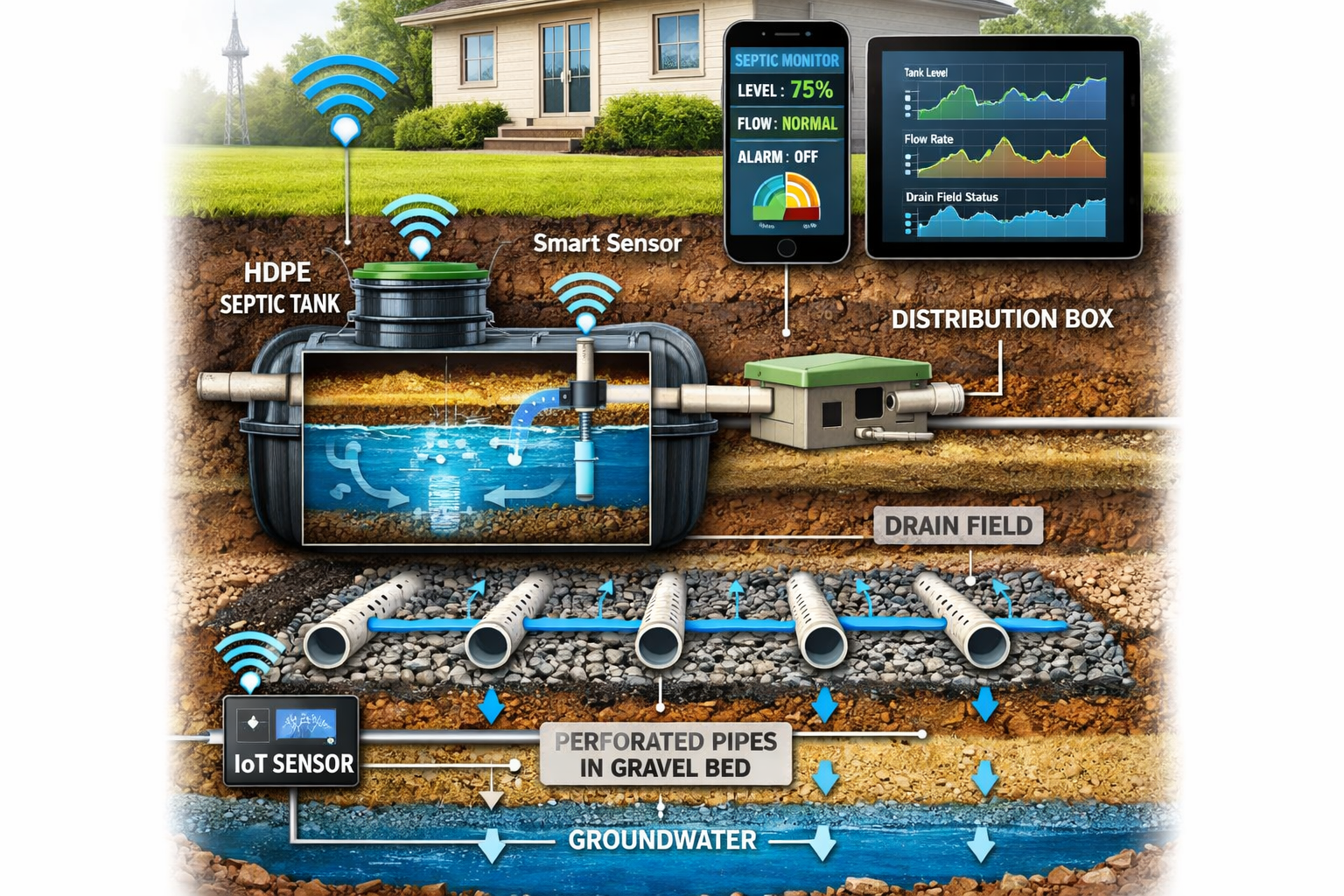
Gone are the days of guessing when your septic tank needs attention. Smart monitoring systems now allow real-time tracking of tank levels, flow rates, and system performance using IoT-enabled sensors and wireless technology. These systems provide unprecedented insight into what happens in a septic tank on a daily basis.
Benefits of smart monitoring:
- 📱 Real-time alerts sent directly to your smartphone
- 📊 Historical data tracking for optimal maintenance scheduling
- 🚨 Early warning systems for potential problems
- 💰 Reduced emergency service calls and repairs
IoT-based monitoring systems improve efficiency by 25-30% in commercial applications, with these systems now tracking sludge levels to optimize service schedules. For homeowners, this translates to more precise pumping schedules and fewer unexpected system failures.
Advanced Materials: Built to Last
Modern septic tanks have moved far beyond the concrete and steel systems of the past. Modern septic tanks use stronger materials like high-density polyethylene (HDPE) and advanced fiberglass that resist corrosion, cracking, and root intrusion better than older concrete or steel tanks.
Material advantages:
| Material | Lifespan | Key Benefits | Best For |
|---|---|---|---|
| HDPE | 30+ years | Lightweight, chemical resistant, easy installation | New installations |
| Advanced Fiberglass | 25-30 years | Non-porous, won’t crack or corrode | High water table areas |
| Reinforced Concrete | 20-25 years | Durable, cost-effective, proven track record | Traditional installations |
Eco-Friendly Treatment Solutions
Environmental consciousness is driving innovation in septic technology. Emerging eco-friendly solutions include aerobic treatment units (ATUs), constructed wetlands, and biofilters for more sustainable wastewater treatment.
FYI: Some links may be affiliate links, which means I may earn a small commission at no extra cost to you.
For homeowners looking to enhance their system’s performance naturally, convenient septic tank treatment solutions can help maintain optimal bacterial balance. Products like monthly treatment tablets work alongside your system’s natural processes to break down sludge, reduce odors, and help prevent clogs and backups. These easy-to-use treatments support what happens in a septic tank by providing beneficial bacteria that enhance the decomposition process.
The Complete Septic System Journey: Beyond What Happens in a Septic Tank
Understanding what happens in a septic tank is just the beginning. The treated effluent from your tank continues its journey through several additional stages before returning safely to the groundwater system.
Distribution Box: Traffic Control for Wastewater
After leaving your septic tank, the partially treated effluent flows to a distribution box (or D-box). This small concrete or plastic chamber acts like a traffic controller, evenly distributing effluent to multiple drain field lines.
Distribution box functions:
- Ensures equal flow to all drain field sections
- Prevents overloading of individual drain lines
- Allows for system expansion or repair
- Provides access point for maintenance
Drain Field: Nature’s Final Filter
The drain field (also called a leach field) is where the final treatment occurs. Improved drain field technologies, including chamber systems and engineered soil solutions, help wastewater disperse more efficiently than traditional gravel-based systems.
Modern drain field innovations:
- Chamber systems: Plastic chambers that provide more surface area for treatment
- Engineered soil: Specially designed soil mixes that enhance filtration
- Pressure distribution: Even distribution of effluent across the entire field
- Advanced pipe materials: Perforated pipes that resist root intrusion and clogging
Soil Filtration: The Ultimate Purification
As effluent moves through the soil, beneficial bacteria and natural filtration processes remove harmful pathogens and nutrients. This final stage ensures that water returning to the groundwater system is clean and safe.
Soil treatment processes:
- 🦠 Pathogen removal through bacterial action
- 🧪 Nutrient absorption by soil particles
- 💧 Physical filtration of remaining particles
- 🌱 Plant uptake of excess nutrients
Maintenance and Optimization: Keeping Your Septic System Healthy
The global septic tank cleaning and pumping market was valued at $474 million in 2025 and is projected to reach $679 million by 2034, reflecting the growing importance of professional maintenance. Understanding what happens in a septic tank helps you make informed decisions about care and maintenance.
Professional Pumping: When and Why
Regular pumping removes accumulated sludge and scum that can’t be broken down naturally. Mechanical cleaning methods represent 38% of the 2025 market share, with fiber-optic cameras and remote-operated tools improving cleaning thoroughness.
Pumping frequency guidelines:
- 1-2 people: Every 3-5 years
- 3-4 people: Every 2-3 years
- 5+ people: Every 1-2 years
- Heavy usage: Annual inspection recommended
Smart Maintenance Scheduling
Modern technology makes maintenance scheduling more precise than ever. Smart sensors can track exactly what happens in a septic tank, providing data-driven insights for optimal service timing.
Technology-driven maintenance benefits:
- Customized pumping schedules based on actual usage
- Early detection of system problems
- Reduced maintenance costs through preventive care
- Extended system lifespan through optimal operation
Regulatory Compliance and Environmental Standards
The US and EU now mandate biodegradable treatment for 92% of extracted sludge, increasing demand for licensed operators. This regulatory shift ensures that septic waste is handled responsibly and sustainably.
Compliance considerations:
- Licensed operator requirements
- Proper sludge disposal methods
- Environmental impact assessments
- Regular system inspections
Helpful Resource: Simple Septic System Support
If you want a convenient way to support your septic system’s natural processes, septic tank treatment solutions offer an easy monthly maintenance option. These tablets are designed to enhance the bacterial activity that’s central to what happens in a septic tank, helping break down sludge more effectively and reducing unpleasant odors.
Many homeowners find that monthly treatment tablets help maintain a cleaner, healthier septic system with minimal effort, potentially extending the time between professional pumpings and preventing costly backups. While not required for system operation, these treatments can be particularly helpful for households with heavy usage or older systems.
👉 Check the latest price and see how Septifix can protect your septic system today
Future Trends: The Evolution of Septic Technology
The septic industry continues to evolve rapidly, with the North America septic tanks market valued at $1.14 billion in 2023 and projected to grow to $1.54 billion by 2032. This growth is driven by technological innovation and increasing environmental awareness.
Emerging Technologies
Advanced treatment systems are becoming more accessible to homeowners:
- Aerobic treatment units (ATUs) that provide secondary treatment
- Membrane bioreactors for enhanced effluent quality
- UV disinfection systems for pathogen elimination
- Nutrient removal technologies for environmental protection
Sustainability Focus
Environmental considerations are driving innovation in septic design:
- Energy-efficient treatment processes
- Renewable energy integration for powered systems
- Water recycling capabilities for non-potable reuse
- Carbon footprint reduction through optimized designs
Integration with Smart Home Systems
Future septic systems will integrate seamlessly with smart home technology:
- Voice-activated monitoring through home assistants
- Automated maintenance scheduling based on usage patterns
- Integration with home water management systems
- Predictive maintenance using artificial intelligence
Troubleshooting Common Issues: When What Happens in a Septic Tank Goes Wrong
Even with proper maintenance, septic systems can experience problems. Understanding what happens in a septic tank helps you identify issues early and take appropriate action.
Warning Signs to Watch For
System backup indicators:
- 🚽 Slow draining fixtures
- 🦨 Sewage odors in the house or yard
- 💧 Standing water over the drain field
- 🌱 Unusually green grass over the system
Common Problems and Solutions
Hydraulic overload:
- Cause: Too much water entering the system too quickly
- Solution: Spread out water usage, fix leaks, install flow restrictors
Biological disruption:
- Cause: Antibacterial products killing beneficial bacteria
- Solution: Reduce harsh chemical usage, consider bacterial supplements
Physical blockages:
- Cause: Non-biodegradable items in the system
- Solution: Professional inspection and removal, education on proper disposal
Cost Considerations: Investing in Your Septic System
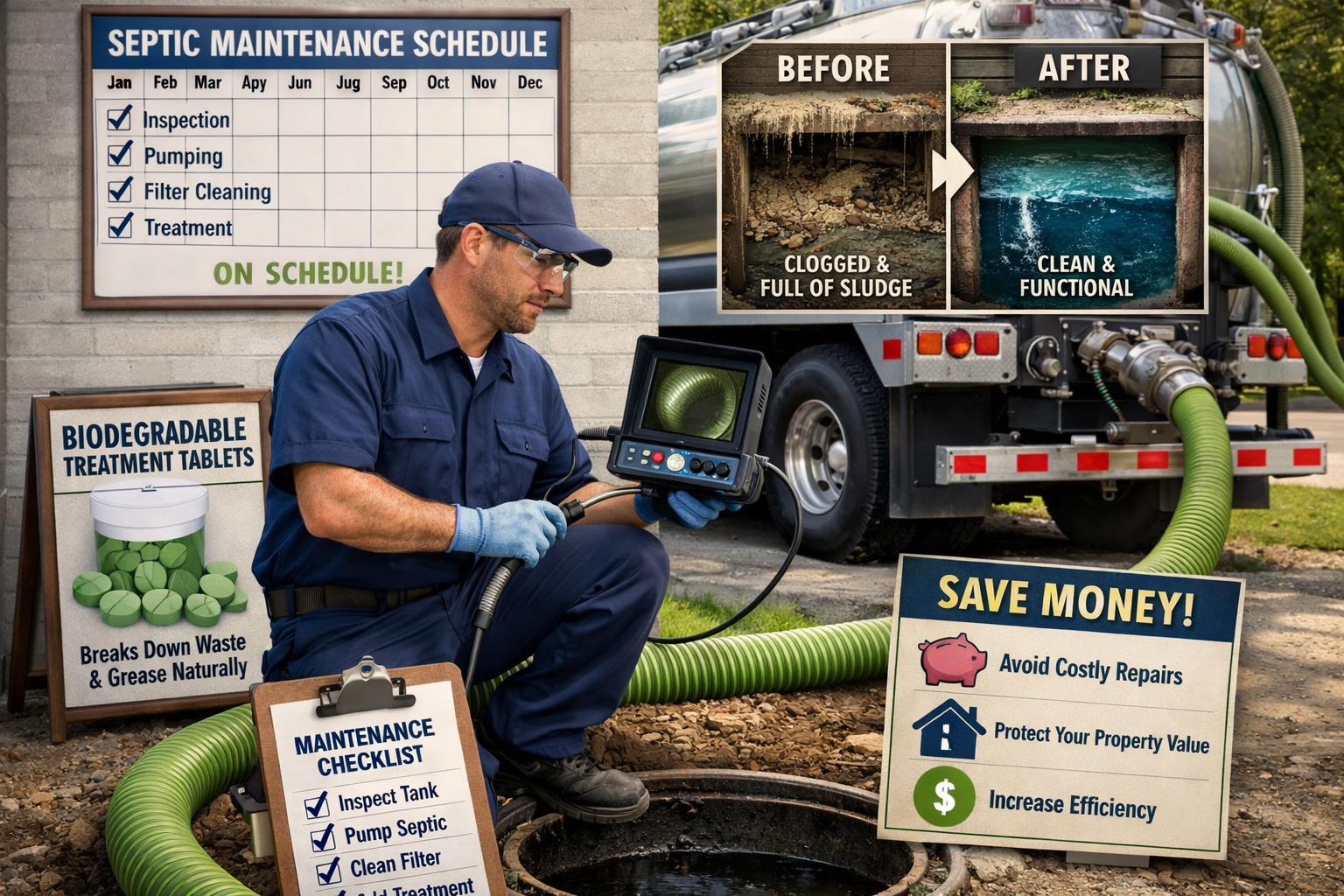
Understanding the economics of septic systems helps you make informed decisions about maintenance, upgrades, and replacements.
Initial Investment
New system costs (2026):
- Conventional system: $3,000-$7,000
- Advanced treatment system: $10,000-$20,000
- Smart monitoring addition: $500-$2,000
- Professional installation: $2,000-$5,000
Ongoing Maintenance Costs
Annual maintenance expenses:
- Regular pumping: $300-$600 every 2-3 years
- System inspection: $100-$300 annually
- Minor repairs: $200-$1,000 as needed
- Smart system monitoring: $10-$30 monthly
Long-term Value
Proper maintenance and understanding of what happens in a septic tank can significantly extend system life and protect property values. A well-maintained septic system can last 20-30 years, while a neglected system may fail in 10-15 years.
Environmental Impact: Septic Systems and Sustainability
Modern septic systems play a crucial role in environmental protection when properly designed and maintained. Understanding what happens in a septic tank helps homeowners appreciate their system’s environmental benefits.
Groundwater Protection
Properly functioning septic systems:
- Remove 85-95% of harmful bacteria and viruses
- Filter out suspended solids and organic matter
- Reduce nutrient loading in groundwater
- Prevent surface water contamination
Sustainable Wastewater Treatment
Environmental advantages:
- Decentralized treatment reduces infrastructure burden
- Natural treatment processes require minimal energy
- On-site treatment eliminates transportation costs
- Soil enhancement through controlled nutrient application
Conclusion
Understanding what happens in a septic tank empowers you to make informed decisions about one of your home’s most important systems. From the natural bacterial processes that break down waste in three distinct layers to the cutting-edge smart technology that’s revolutionizing system monitoring, your septic tank is far more sophisticated than you might have imagined.
The septic industry’s rapid evolution—with smart technology growing 12% annually and the market expanding to $1.54 billion by 2032—means homeowners have more options than ever for maintaining and optimizing their systems. Whether you choose traditional maintenance approaches or embrace IoT monitoring and advanced materials, the key is consistent care and attention.
Your next steps:
- Schedule a professional inspection if it’s been more than a year since your last one
- Consider smart monitoring technology if you want real-time insights into your system’s performance
- Establish a regular maintenance routine including proper pumping schedules and bacterial balance support
- Educate your household about what should and shouldn’t go down the drain
- Stay informed about new technologies that could enhance your system’s efficiency and longevity
Remember, a well-maintained septic system isn’t just about avoiding problems—it’s about protecting your investment, preserving the environment, and ensuring reliable wastewater treatment for decades to come. By understanding what happens in a septic tank and taking proactive steps to support these natural processes, you’re setting yourself up for years of trouble-free operation and peace of mind.
References
[1] The Future Of Septic Systems Embracing Smart Technology And Eco Friendly Solutions – https://www.onsiteinstaller.com/bytes/2024/08/the-future-of-septic-systems-embracing-smart-technology-and-eco-friendly-solutions
[2] How Modern Septic Technology Is Changing The Game – https://www.septicblue.com/how-modern-septic-technology-is-changing-the-game
[3] Global Septic Tank Cleaningpumping Forecast Market 26825 – https://www.intelmarketresearch.com/global-septic-tank-cleaningpumping-forecast-market-26825
[4] North America Septic Tanks Market 108953 – https://www.fortunebusinessinsights.com/north-america-septic-tanks-market-108953