

Last updated: March 3, 2026
Key Takeaways
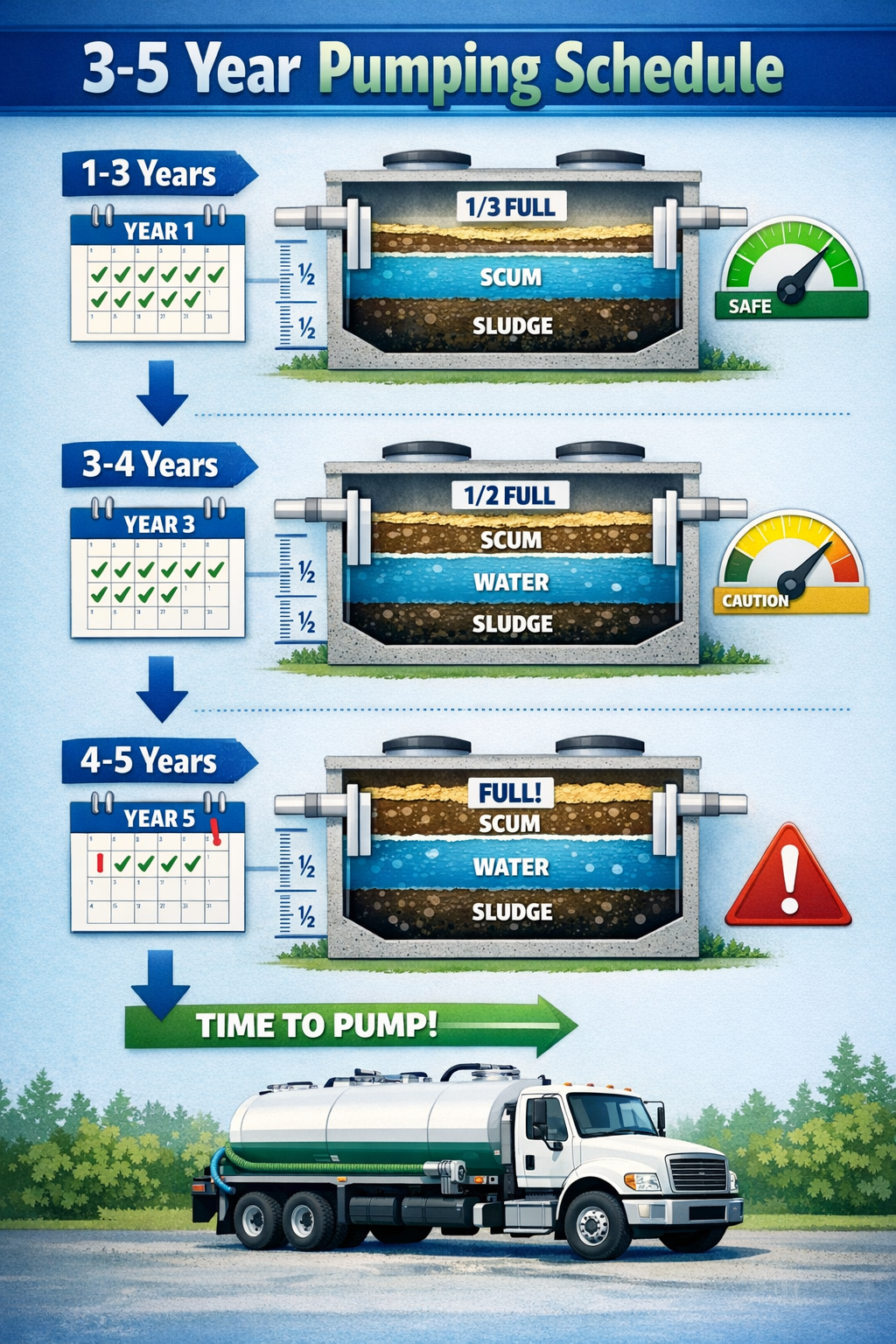
• Pump every 3-5 years based on household size and tank capacity to prevent overflow and system failure
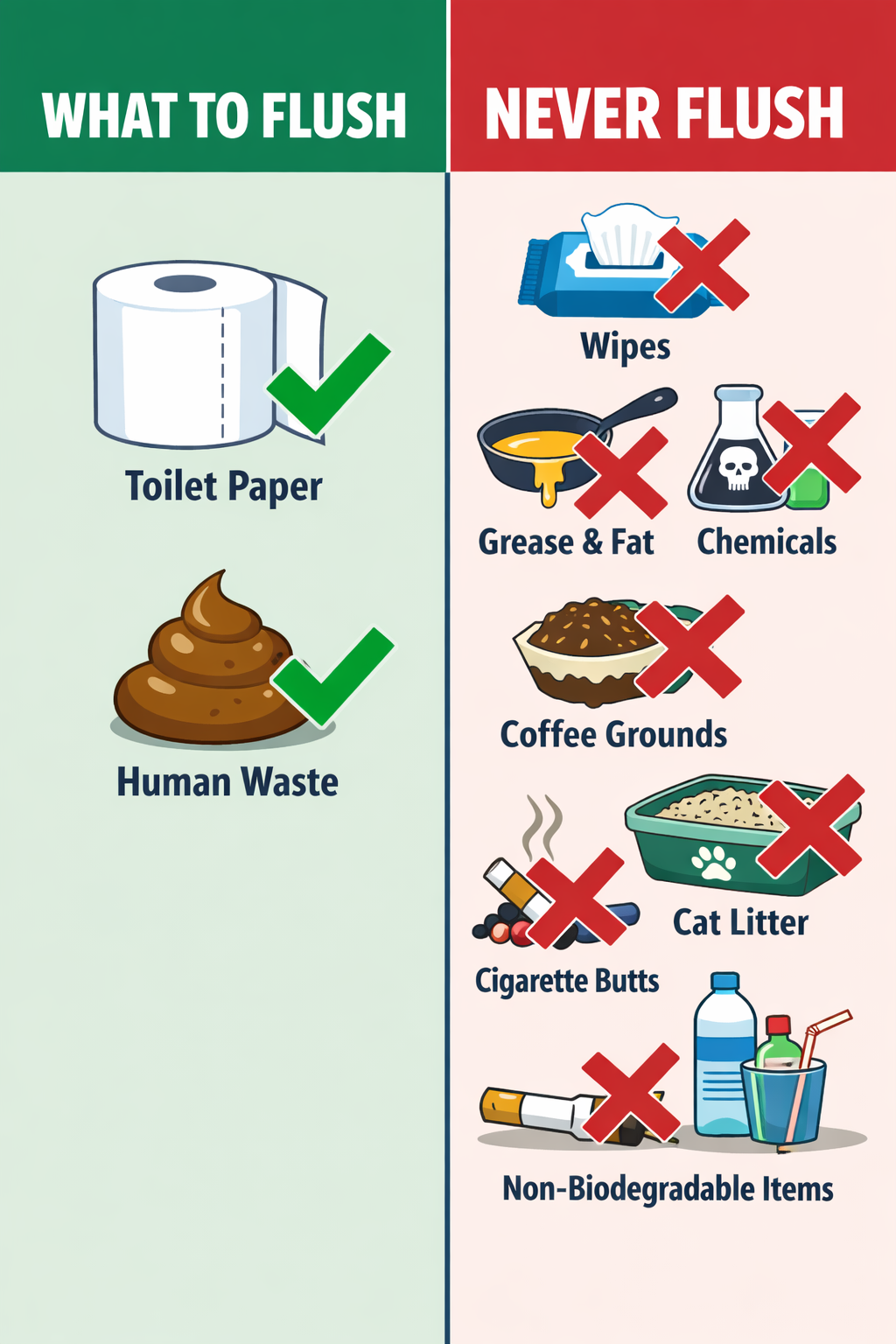
• Never flush non-biodegradable items like wipes, grease, or chemicals that can clog pipes and kill beneficial bacteria
• Schedule professional inspections every 1-3 years to catch problems early and assess tank condition
• Use water efficiently by spreading laundry loads throughout the week and installing low-flow fixtures
• Protect your drain field by keeping vehicles, trees, and excess water away from the absorption area
• Choose septic-safe products including biodegradable soaps and single-ply toilet paper
• Clean effluent filters every 6 months to prevent solids from reaching the drain field
• Maintain detailed records of pumping dates, inspections, and repairs for future reference
Quick Answer
The most effective tips to keep septic tank healthy include pumping every 3-5 years, avoiding non-biodegradable items, using water efficiently, and protecting the drain field from damage. Regular professional inspections and proper waste disposal habits prevent costly repairs and extend system life. Simple maintenance like cleaning filters and using septic-safe products keeps beneficial bacteria thriving.
How Often Should You Pump Your Septic Tank?
Regular pumping forms the foundation of septic tank health, with most systems requiring service every 3-5 years depending on household size and usage patterns.
The timing depends on several key factors:
• Household size: Larger families generate more wastewater and solids
• Tank capacity: Smaller tanks fill faster and need more frequent pumping
• Water usage habits: High-volume activities like frequent laundry accelerate filling
• Garbage disposal use: Adds up to 50% more solids, requiring annual pumping
Sludge level monitoring provides the most accurate pumping schedule. Pump when solids reach one-third to one-half of tank depth, or within 6 inches of the outlet [3][4]. Professional inspectors measure these levels during routine visits.
Choose annual pumping if you use a garbage disposal regularly, have a small tank (under 1,000 gallons), or run a high-water-usage household. Standard 3-5 year schedules work for average families with proper waste management habits.
What Should Never Go Down Your Drains?
Protecting your septic system starts with understanding what belongs in your pipes and what doesn’t. Non-biodegradable items cause immediate clogs and long-term damage to tank bacteria.
Never flush these items:
• Baby wipes, disinfecting wipes, or “flushable” wipes
• Cat litter, coffee grounds, or food scraps
• Cigarette butts, condoms, or dental floss
• Diapers, tampons, or cotton swabs
• Medications, paint, or household chemicals
• Grease, oil, or cooking fats
Grease management requires special attention. Collect cooking grease in containers for trash disposal rather than pouring down sinks. Even small amounts solidify in pipes and create blockages that prevent proper drainage.
Chemical concerns extend beyond obvious toxins. Antibacterial soaps, bleach-heavy cleaners, and caustic drain cleaners kill beneficial bacteria that break down waste naturally. Choose biodegradable, phosphate-free alternatives labeled “septic safe.”
FYI: Some links may be affiliate links, which means I may earn a small commission at no extra cost to you.
For homeowners wanting a simple maintenance boost, Septifix tablets offer monthly bacterial support that helps break down waste and reduce odors. These tablets work alongside proper disposal habits to maintain healthy bacterial levels in your tank.
How Can You Manage Water Usage Effectively?
Excessive water overwhelms septic systems and prevents proper waste separation, making efficient water management crucial for tank health.
Laundry scheduling makes the biggest impact. Spread loads throughout the week rather than doing multiple loads in one day. This prevents sudden surges that can stir up settled solids and push them into the drain field.
Low-flow fixture installation reduces daily water consumption:
• Replace toilets with 1.6-gallon-per-flush models or less
• Install low-flow showerheads (2.5 gallons per minute maximum)
• Add faucet aerators to reduce sink flow rates
• Choose high-efficiency washing machines when replacing appliances
These upgrades can reduce household water usage by up to one-third.
Repair leaks immediately since even small drips add significant volume over time. A running toilet can waste hundreds of gallons daily, overwhelming your system’s capacity and preventing proper settling time.
Avoid garbage disposals if possible, as they increase water usage and add substantial food waste to your tank. If you must use one, pump your tank annually instead of every 3-5 years.
For more detailed water management strategies, check our complete septic tank maintenance guide.
Why Is Professional Inspection Important?
Regular professional inspections catch problems before they become expensive emergencies, with most experts recommending evaluations every 1-3 years.
Inspection scope covers multiple system components:
• Tank structural integrity and inlet/outlet condition
• Sludge and scum layer measurements
• Effluent filter condition and cleaning needs
• Drain field performance and absorption rates
• Pipe connections and potential leak points
Early problem detection saves thousands in repair costs. Inspectors identify issues like cracked tank walls, failing drain fields, or damaged distribution boxes before they cause system-wide failure.
Documentation benefits extend beyond maintenance. Detailed inspection records protect your home’s resale value and help new owners understand the system’s condition and maintenance history.
Choose qualified professionals with proper licensing and septic system experience. Many areas require specific certifications for septic inspectors, so verify credentials before scheduling service.
Timing considerations: Schedule inspections before the pumping interval expires, ideally 6-12 months before your next planned pumping. This allows time to address any issues discovered during the evaluation.
Learn more about recognizing signs your septic tank needs maintenance to supplement professional inspections.
How Do You Protect Your Drain Field?
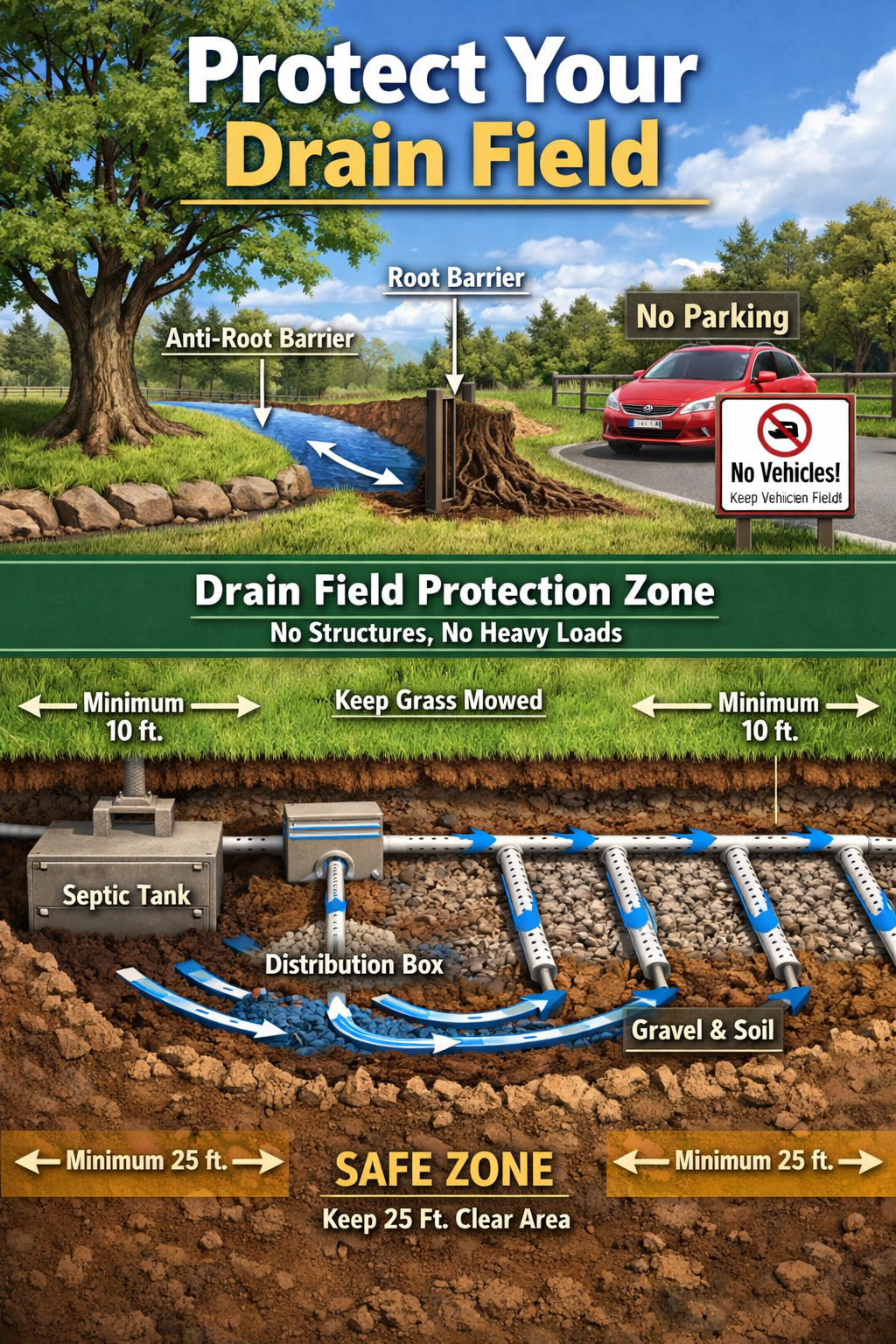
The drain field (leach field) handles final wastewater treatment, making its protection essential for overall system function. Damage here often requires complete system replacement.
Vehicle restrictions prevent soil compaction that blocks water absorption. Never park cars, trucks, or heavy equipment over the drain field area. Even riding mowers can compress soil enough to reduce drainage efficiency.
Landscaping guidelines maintain proper drainage:
• Plant only grass over drain field areas
• Keep trees and large shrubs at least 30 feet away to prevent root intrusion
• Avoid gardens or flower beds that require digging or frequent watering
• Never install pools, decks, or structures over drain field pipes
Water diversion prevents oversaturation that overwhelms the soil’s absorption capacity. Direct roof gutters, basement sump pumps, and surface drainage away from the drain field area.
Root barrier installation provides long-term protection if existing trees pose risks. Professional-grade barriers redirect roots away from pipes without harming established landscaping.
Warning signs of drain field problems include standing water, sewage odors, or unusually green grass patches. Address these immediately to prevent complete system failure.
For comprehensive drain field care, review our guide on how septic tank systems work to understand the complete treatment process.
What Products Should You Use?
Choosing septic-safe products protects beneficial bacteria and prevents chemical damage to your system components.
Toilet paper selection impacts tank function significantly. Choose single-ply, biodegradable brands labeled “septic safe.” These break down faster and create less accumulation in your tank.
Cleaning product guidelines:
• Use liquid detergents instead of powder formulations
• Choose phosphate-free and biodegradable options
• Limit bleach use to occasional disinfecting needs
• Avoid antibacterial soaps for daily use
Personal care considerations matter for long-term system health. Standard shampoos, conditioners, and body washes work fine in normal quantities, but avoid products with heavy oils or non-biodegradable ingredients.
Laundry detergent recommendations include concentrated formulas that require smaller amounts per load. Liquid detergents typically work better than powders, which can leave residue in pipes.
Natural alternatives like vinegar and baking soda handle many cleaning tasks without chemical concerns. These options cost less and eliminate worries about bacterial damage.
Helpful Resource for Simple Maintenance
If you want a straightforward way to support your septic system’s bacterial health, Septifix tablets provide monthly maintenance in one simple step. These tablets help break down waste, reduce odors, and maintain proper bacterial balance with just one flush per month. While not required, they can be helpful for busy homeowners who want an easy addition to their maintenance routine.
Septic Tank Maintenance Checklist
| Task | Frequency | Notes |
|---|---|---|
| Professional inspection | Every 1-3 years | Schedule before pumping due |
| Tank pumping | Every 3-5 years | More often with garbage disposal |
| Filter cleaning | Every 6 months | Prevents drain field clogs |
| Water usage review | Monthly | Check for leaks and efficiency |
| Product inventory | Quarterly | Verify septic-safe supplies |
| Drain field inspection | Seasonally | Look for standing water or odors |
| Record keeping | Ongoing | Document all service and repairs |
For a complete maintenance schedule, visit our septic tank maintenance checklist guide.
FAQ
How do I know when my septic tank needs pumping?
Watch for slow drains, sewage odors, gurgling sounds, or standing water near the tank. Professional inspection provides accurate sludge level measurements to determine pumping needs. Learn more about signs your septic tank is full.
Can I use regular household cleaners with a septic system?
Use biodegradable, phosphate-free cleaners in normal amounts. Avoid antibacterial soaps, bleach-heavy products, and caustic drain cleaners that kill beneficial bacteria.
What happens if I don’t pump my septic tank regularly?
Unpumped tanks overflow into drain fields, causing expensive damage and potential health hazards. Solids can clog pipes and require complete system replacement. Read about what happens when septic tanks aren’t pumped.
Are septic tank additives necessary?
Healthy systems generate sufficient bacteria naturally. Additives aren’t required but some homeowners use monthly treatments for extra bacterial support and odor control.
How much does septic tank maintenance cost?
Professional pumping costs $200-500 depending on location and tank size. Annual inspection fees range $100-300. Regular maintenance prevents $10,000+ replacement costs.
Can I plant a garden over my septic system?
Never plant over the tank or drain field. Roots can damage pipes and digging disrupts the system. Plant grass only over drain fields and keep gardens at least 10 feet away.
What should I do if my septic system backs up?
Stop water usage immediately and call a professional. Don’t use chemical drain cleaners or attempt repairs yourself. Backups often indicate full tanks or drain field problems requiring expert diagnosis.
How long do septic systems last?
Well-maintained systems last 20-30 years or longer. Poor maintenance, chemical damage, or drain field failure can require replacement within 10-15 years.
Should I use a garbage disposal with a septic system?
Garbage disposals add significant solids requiring annual pumping instead of every 3-5 years. Many septic professionals recommend avoiding them entirely to reduce maintenance costs.
What’s the difference between septic-safe and regular toilet paper?
Septic-safe toilet paper breaks down faster in water, reducing accumulation in your tank. Single-ply, biodegradable options work best for septic systems.
How do I find my septic tank for maintenance?
Check property records, look for inspection ports or tank lids, or follow the main sewer line from your house. Professional services can locate tanks using specialized equipment if needed.
Can heavy rain damage my septic system?
Excessive water can oversaturate drain fields and cause temporary backup issues. Ensure proper surface drainage and avoid water usage during heavy rain periods when possible.
Conclusion
Following these essential tips to keep septic tank healthy protects your investment and prevents costly emergency repairs. The foundation starts with regular pumping every 3-5 years, proper waste disposal habits, and efficient water management throughout your home.
Professional inspections every 1-3 years catch problems early, while protecting your drain field from damage ensures long-term system function. Choose septic-safe products, maintain detailed records, and address issues promptly to extend your system’s lifespan.
Take action today by scheduling your next inspection if it’s been over two years, reviewing your household products for septic safety, and implementing water conservation measures. These simple steps prevent expensive problems and keep your septic system running smoothly for decades.
For ongoing maintenance support, bookmark our complete septic care routine guide and consider professional inspection scheduling to stay ahead of potential issues.
References
[1] How Often To Pump Septic Tank – https://dandhsepticservices.com/how-often-to-pump-septic-tank/
[2] Septicsmart Week 9 Tips Your Septic System And Health – https://www.dph.ncdhhs.gov/blog/2025/09/11/septicsmart-week-9-tips-your-septic-system-and-health
[3] Septic Tanks Preventative Routine Maintenance – https://des.sc.gov/permits-regulations/septic-tanks/homeowner-resources/septic-tanks-preventative-routine-maintenance
[4] Maintaining Your Septic System – https://bpmhd.org/maintaining-your-septic-system/
[5] Your Complete Guide To Septic Systems Care Maint – https://www.wrenvironmental.com/blog/2025/july/your-complete-guide-to-septic-systems-care-maint/