Septic Tank Treatment Explained: Your Complete Guide to System Care and Maintenance
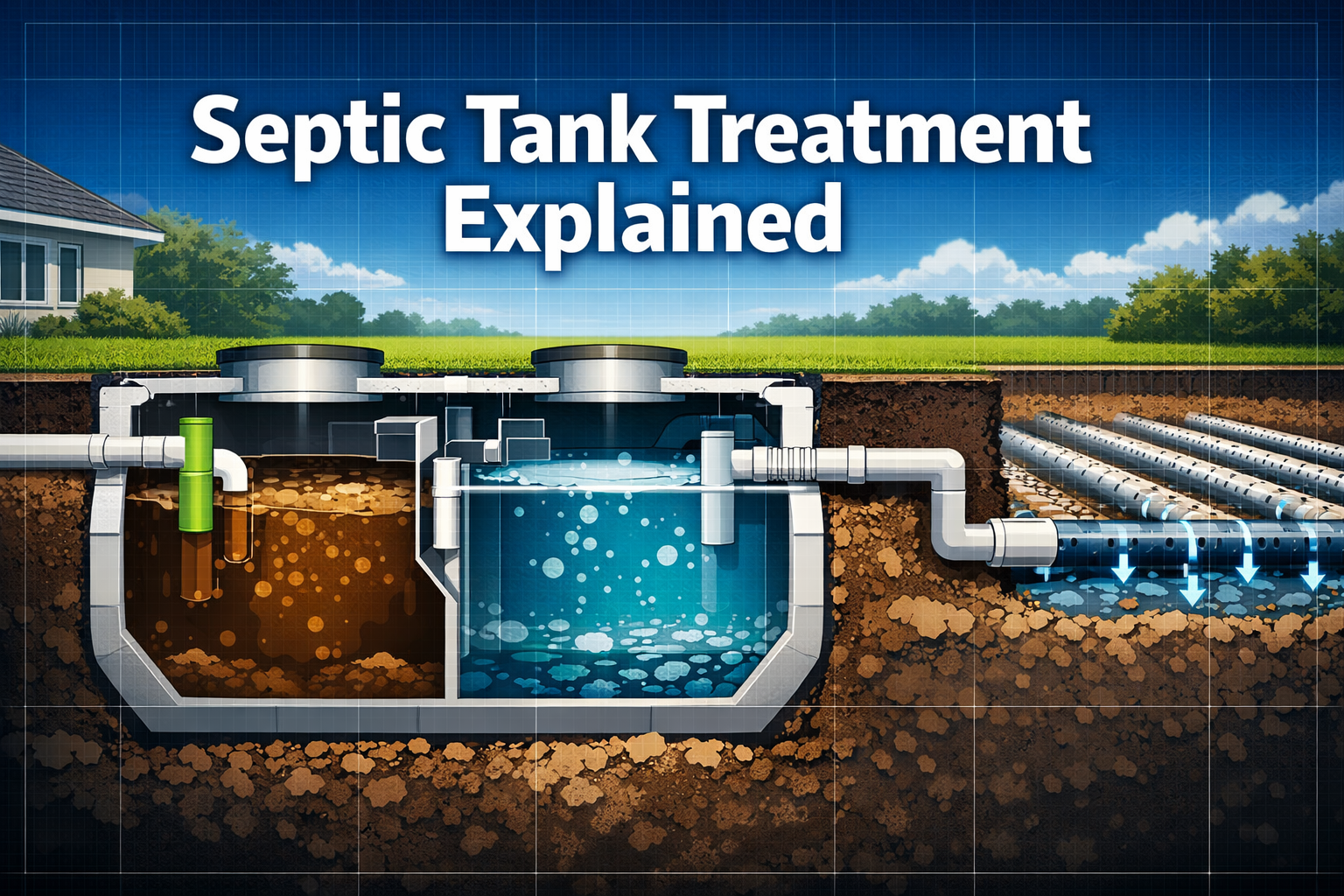
Picture this: It’s a quiet Sunday morning when you notice water backing up in your basement drain, and an unpleasant odor wafts through your home. Your septic system—the invisible workhorse that handles all your household wastewater—is crying out for help. If you’re among the approximately one in five American households that rely on septic systems, understanding septic tank treatment explained properly could save you thousands of dollars in emergency repairs and protect your family’s health.
Unlike city dwellings connected to municipal sewage treatment plants, your septic system operates as a self-contained wastewater treatment facility right on your property. When this system fails, the consequences can be both expensive and unpleasant. That’s why mastering the fundamentals of septic tank treatment explained is essential for every homeowner and property manager who depends on these systems.
Key Takeaways
• Septic tank treatment involves biological, chemical, and physical processes that break down waste, separate solids from liquids, and produce cleaner effluent for soil filtration
• Regular maintenance and proper treatment products can extend your system’s lifespan by 10-20 years while preventing costly emergency repairs that often exceed $10,000
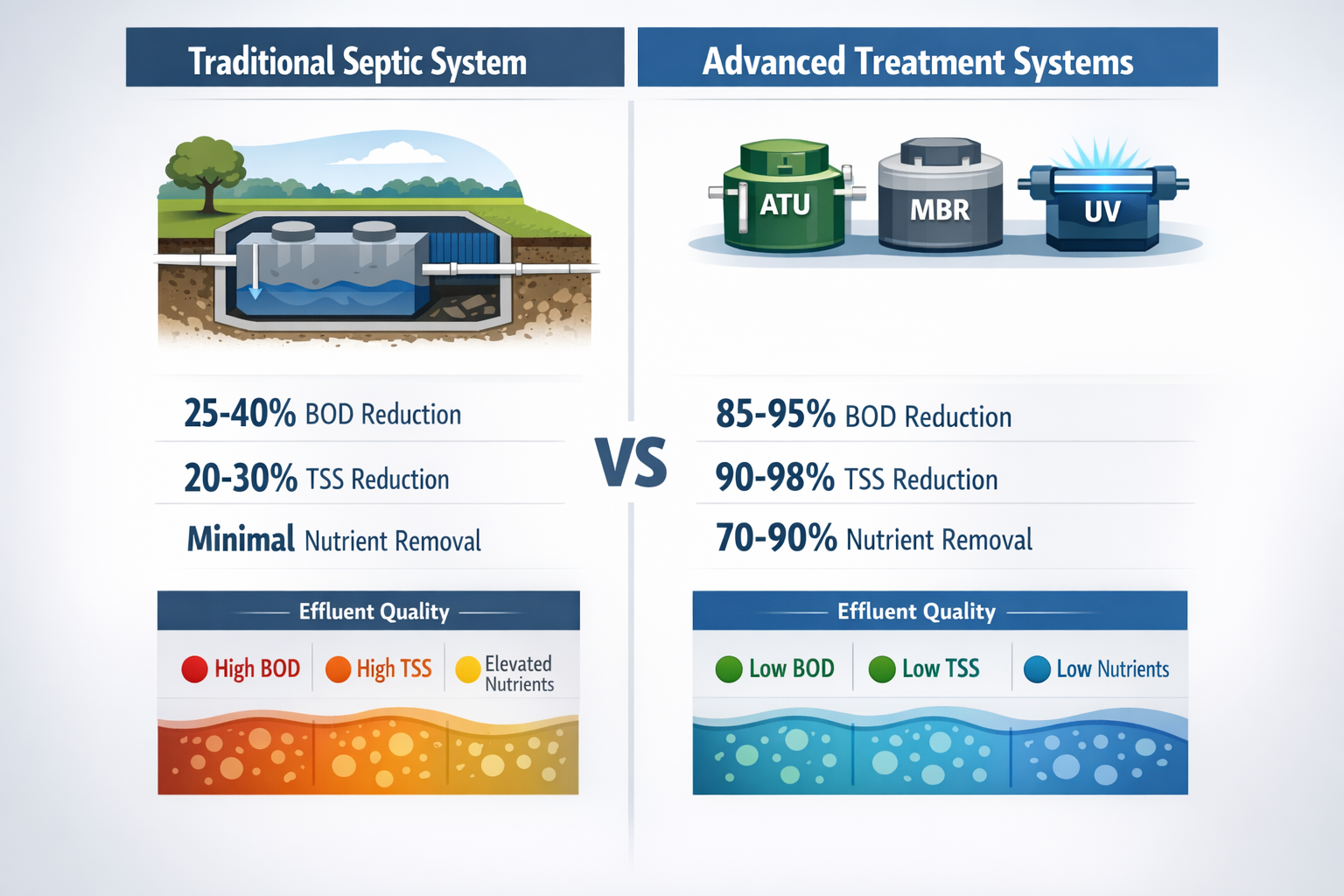
• Advanced treatment technologies like ATUs, MBR systems, and UV disinfection now produce effluent up to 10 times cleaner than basic septic systems
• Simple preventive measures and quality treatment products can maintain optimal bacterial balance and prevent common problems like slow drains, odors, and system backups
• Understanding your system’s treatment process helps you make informed decisions about maintenance, troubleshooting, and when to call professionals
Understanding How Septic Tank Treatment Works
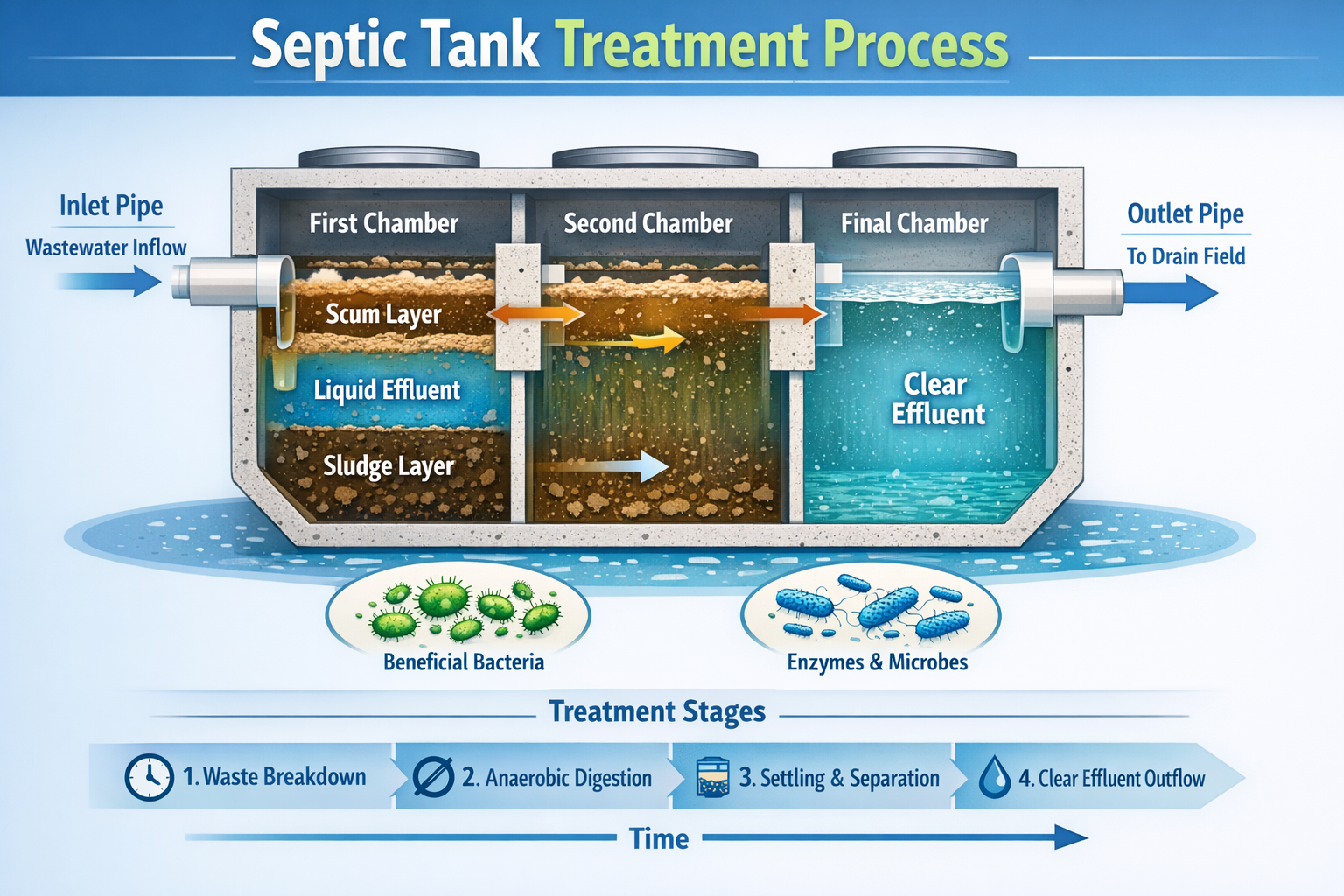
When we talk about septic tank treatment explained in simple terms, we’re really discussing a fascinating biological process that happens right beneath your feet. Your septic tank functions as a miniature ecosystem where beneficial bacteria work around the clock to break down organic waste and transform it into safer byproducts.
The Three-Layer Treatment System
Every properly functioning septic tank develops three distinct layers that work together in the treatment process:
🔹 Scum Layer (Top): This floating layer contains oils, grease, and lighter materials that rise to the surface. Bacteria slowly break down these substances over time.
🔹 Effluent Zone (Middle): The liquid middle layer contains partially clarified water that eventually flows to your drain field for further treatment.
🔹 Sludge Layer (Bottom): Heavy solids settle here, where anaerobic bacteria decompose organic matter into simpler compounds.
Understanding how a septic tank works helps you appreciate why maintaining the right bacterial balance is crucial for effective treatment.
Biological Treatment Process
The heart of septic tank treatment explained lies in bacterial action. Two types of bacteria handle different aspects of waste breakdown:
Anaerobic Bacteria: These oxygen-free organisms dominate in septic tanks, breaking down organic matter and producing methane, carbon dioxide, and hydrogen sulfide as byproducts.
Aerobic Bacteria: While less common in traditional tanks, these oxygen-requiring bacteria are incredibly efficient at waste decomposition and are the foundation of advanced treatment systems.
“The bacterial ecosystem in your septic tank is like a microscopic city where different organisms have specific jobs. When this community is healthy and balanced, your entire system runs smoothly.”
Physical and Chemical Treatment Components
Beyond biological processes, septic tank treatment explained includes physical separation and chemical reactions:
- Settling: Gravity separates solids from liquids over time
- Flotation: Lighter materials rise while heavier substances sink
- Filtration: Some systems include filters to capture additional particles
- pH Buffering: Natural chemical processes help maintain optimal conditions for bacterial activity
For homeowners looking to support these natural processes, FYI: Some links may be affiliate links, which means I may earn a small commission at no extra cost to you. Quality treatment products like Septifix tablets can help maintain the bacterial balance your system needs. These easy-to-use tablets work by introducing beneficial bacteria and enzymes that break down waste more efficiently, helping prevent buildup and reducing the risk of system problems.
Types of Septic Tank Treatment Systems Explained
Modern septic technology has evolved far beyond the basic concrete tanks of decades past. Today’s treatment systems range from traditional gravity-fed units to sophisticated multi-stage facilities that rival municipal treatment plants in effectiveness.
Conventional Septic Systems
Traditional septic systems remain the most common choice for residential properties. These systems rely on natural bacterial processes and gravity to treat wastewater through a simple but effective design:
Components:
- Primary septic tank (1,000-1,500 gallons typical)
- Distribution box
- Drain field (leach field)
- Soil absorption area
Conventional systems work well for most households when properly maintained, but they have limitations in challenging soil conditions or environmentally sensitive areas.
Advanced Treatment Technologies
The septic industry has embraced innovative technologies that dramatically improve treatment quality. Advanced treatment systems now produce effluent up to 10 times cleaner than basic septic systems, making them ideal for properties near water bodies or in areas with strict environmental regulations.
Aerobic Treatment Units (ATUs)
ATUs use forced air for enhanced decomposition, employing aerobic bacteria that work much more efficiently than their anaerobic counterparts. These systems typically include:
- Pretreatment chamber for initial solids separation
- Aeration chamber where oxygen is continuously supplied
- Clarifier for final settling
- Disinfection unit (often chlorine or UV-based)
| Feature | Conventional System | ATU System |
|---|---|---|
| Treatment Quality | Good | Excellent |
| Maintenance Frequency | Every 3-5 years | Every 6 months |
| Power Requirements | None | Electrical |
| Environmental Impact | Moderate | Low |
| Initial Cost | Lower | Higher |
Membrane Bioreactor (MBR) Systems
MBR technology combines biological treatment with filtration[3], using specialized membranes to remove contaminants that conventional systems cannot address. These systems excel at:
- Removing nitrogen and phosphorus
- Eliminating pathogens
- Producing reusable water quality
- Operating in limited space
NextGen Septic Technology
Revolutionary systems like the NextGen Septic System eliminate traditional soil leachfields entirely. This innovative approach uses:
- Anoxic breakdown tank for initial treatment
- Septigen Technology with stainless steel components
- Advanced membrane filtration
- Ozone disinfection for pathogen elimination
The treated water from NextGen systems can be safely reused for irrigation or discharged directly into the environment, making them perfect for challenging sites.
Specialized Treatment Solutions
Enhanced Nutrient-Reducing Septic Systems (ENRS)
In environmentally sensitive areas like Florida, ENRS systems target nitrogen pollution specifically. These systems use advanced biological and chemical processes to remove excess nutrients that can harm aquatic ecosystems.
UV Disinfection Systems
UV disinfection systems are ideal for space-constrained properties. While they require ongoing electricity and bulb replacement, they provide excellent pathogen removal without chemical additives.
Zero Liquid Discharge (ZLD) Technology
For properties with extremely limited discharge options, ZLD technology vaporizes treated water into micro-mist, eliminating the need for traditional drain fields entirely.
When evaluating different treatment options, consider factors like soil conditions, local regulations, environmental sensitivity, and long-term operating costs. Understanding what happens in your septic tank helps you choose the most appropriate treatment technology for your specific situation.
Maintenance and Treatment Best Practices Explained
Proper septic tank maintenance isn’t just about avoiding problems—it’s about creating an environment where your treatment system can operate at peak efficiency for decades. With the global septic tank pumping service market projected to reach $503 million by 2034, it’s clear that professional maintenance is becoming increasingly important to homeowners worldwide.
Essential Maintenance Schedule
Creating a systematic approach to septic care prevents small issues from becoming expensive emergencies. Here’s a comprehensive maintenance timeline:
Monthly Tasks:
- Monitor water usage patterns
- Check for slow drains or unusual odors
- Inspect visible system components
- Record any changes in system performance
Quarterly Tasks:
- Test household fixtures for proper drainage
- Review and update maintenance records
- Check electrical components (for advanced systems)
- Assess landscaping around system components
Annual Tasks:
- Professional system inspection
- Bacterial additive treatment (if recommended)
- Drain field assessment
- Update maintenance documentation
Every 3-5 Years:
- Professional pumping and cleaning
- Comprehensive system evaluation
- Component replacement as needed
- Soil absorption testing
Recognizing When Your System Needs Attention
Understanding how to tell if your septic tank is full is crucial for preventing system failures. Watch for these warning signs:
🚨 Immediate Attention Required:
- Sewage backup in drains or toilets
- Standing water around the tank or drain field
- Strong sewage odors inside or outside the home
- Gurgling sounds from plumbing fixtures
⚠️ Schedule Professional Inspection:
- Slow-draining fixtures throughout the house
- Lush, green grass over the drain field
- High nitrate levels in nearby wells
- Frequent need for drain cleaning
If you notice septic tank slow drains, don’t ignore the warning signs. Early intervention can prevent costly system failures.
Treatment Products and Additives
The debate over septic additives continues among professionals, but quality products can support your system’s natural processes when used correctly. Here’s what you need to know:
Beneficial Additives:
- Bacterial supplements to restore microbial balance after antibiotic use
- Enzyme treatments to break down accumulated organic matter
- pH balancers to maintain optimal bacterial conditions
Products to Avoid:
- Chemical drain cleaners
- Antibacterial soaps (in excess)
- Bleach-based products (in large quantities)
- Septic “cleaners” containing harsh chemicals
For homeowners seeking a simple, effective maintenance solution, Septifix tablets offer a convenient way to support your septic system’s bacterial ecosystem. These tablets contain beneficial bacteria and enzymes that help break down waste more efficiently, potentially extending the time between pumpings and reducing the risk of system problems.
Water Conservation Strategies
Reducing water usage doesn’t just lower your utility bills—it significantly improves septic system performance by allowing more time for proper treatment:
High-Impact Changes:
- Install low-flow fixtures and appliances
- Fix leaks promptly
- Spread laundry loads throughout the week
- Take shorter showers
Smart Water Management:
- Avoid running multiple water-intensive appliances simultaneously
- Direct roof drainage away from the drain field
- Use water-efficient landscaping practices
- Consider greywater recycling for appropriate uses
Professional vs. DIY Maintenance
While homeowners can handle routine monitoring and basic care, certain tasks require professional expertise:
DIY-Friendly Tasks:
- Regular visual inspections
- Water conservation measures
- Basic troubleshooting
- Record keeping
Professional Services Required:
- Tank pumping and cleaning
- System repairs or modifications
- Electrical work on advanced systems
- Soil and groundwater testing
Understanding the complete septic tank guide helps you make informed decisions about when to tackle maintenance yourself and when to call professionals.
Seasonal Maintenance Considerations
Spring:
- Inspect for winter damage
- Check for settling or shifting
- Plan annual professional inspection
- Assess landscaping needs
Summer:
- Monitor increased water usage
- Maintain proper vegetation around system
- Schedule pumping if needed
- Check for stress from heavy use
Fall:
- Prepare system for winter
- Clear debris from components
- Insulate exposed pipes
- Plan for holiday usage increases
Winter:
- Avoid driving on frozen drain fields
- Maintain consistent water usage
- Monitor for freezing issues
- Keep system components accessible
By following these maintenance practices and staying alert to your system’s condition, you can ensure optimal treatment performance and avoid the stress and expense of emergency repairs. Remember, a well-maintained septic system can reliably serve your property for 20-30 years or more.
Troubleshooting Common Treatment Issues Explained
Even well-maintained septic systems can develop problems over time. Understanding how to identify and address common treatment issues can save you money and prevent minor problems from becoming major disasters.
Diagnosing System Performance Problems
When your septic system isn’t performing optimally, the symptoms often appear gradually. Here’s how to systematically diagnose treatment issues:
Step 1: Identify the Problem Pattern
- Is the issue affecting all drains or just specific fixtures?
- When did you first notice the problem?
- Have there been any recent changes in household routines?
- Are problems worse during certain times of day or seasons?
Step 2: Check for Obvious Causes
- Recent heavy rainfall or flooding
- Increased household water usage
- Introduction of new chemicals or medications
- Changes in cleaning product usage
Step 3: Assess System Components
- Visual inspection of tank area and drain field
- Check for standing water or unusual odors
- Listen for gurgling or unusual sounds
- Monitor drainage speed across multiple fixtures
Common Treatment Failures and Solutions
Bacterial Imbalance Issues
Symptoms:
- Slow decomposition of waste
- Increased odors from tank or drains
- More frequent need for pumping
- Poor effluent quality
Causes:
- Excessive use of antibacterial products
- Household members taking antibiotics
- Introduction of toxic chemicals
- pH imbalance in tank
Solutions:
- Reduce use of harsh cleaning chemicals
- Consider bacterial supplement products
- Allow system time to reestablish balance
- Test and adjust pH if necessary
Hydraulic Overload Problems
When your system receives more water than it can effectively treat, hydraulic overload occurs. This is one of the most common reasons why septic tanks fill so fast.
Symptoms:
- Frequent backups during high-usage periods
- Wet spots in drain field
- Sewage odors during peak usage
- System struggles after laundry or dishwasher use
Solutions:
- Implement water conservation measures
- Spread water usage throughout the day
- Repair leaky fixtures promptly
- Consider upgrading to larger capacity system
Drain Field Failure
Symptoms:
- Standing water over drain field
- Sewage surfacing in yard
- Septic tank backing up into house
- Strong odors around drain field area
Causes:
- Soil saturation from excessive water
- Biomat formation blocking soil pores
- Compaction from vehicle traffic
- Tree root infiltration
Solutions:
- Professional drain field assessment
- Possible soil replacement or amendment
- Installation of additional drain lines
- Complete drain field replacement (worst case)
Emergency Response Procedures
When septic problems escalate to emergencies, quick action can minimize damage and health risks:
Immediate Actions for Sewage Backup:
- Stop water usage immediately
- Evacuate affected areas if odors are strong
- Contact emergency septic service
- Document damage for insurance purposes
- Ventilate affected spaces safely
Health and Safety Priorities:
- Avoid contact with sewage water
- Use protective equipment if cleanup is necessary
- Disinfect contaminated surfaces thoroughly
- Consider temporary alternative accommodations
Preventive Measures for Treatment Issues
Water Management:
- Install water-efficient appliances
- Fix leaks within 24 hours of discovery
- Avoid “water parties” (multiple high-usage activities)
- Monitor seasonal usage patterns
Chemical Management:
- Use septic-safe cleaning products
- Limit garbage disposal usage
- Avoid flushing medications
- Choose biodegradable personal care products
System Monitoring:
- Keep detailed maintenance records
- Note any changes in system performance
- Schedule regular professional inspections
- Learn to recognize early warning signs
When to Call Professionals
While homeowners can handle basic troubleshooting, certain situations require immediate professional intervention:
Call Immediately:
- Any sewage backup into living spaces
- Strong hydrogen sulfide (rotten egg) odors
- Standing sewage water in yard
- System hasn’t been pumped in over 5 years
Schedule Professional Assessment:
- Persistent slow drains despite basic troubleshooting
- Unusual odors that don’t resolve quickly
- Changes in drain field vegetation
- Unexplained increases in water bills
Understanding these troubleshooting basics helps you maintain your system’s treatment effectiveness and know when professional help is necessary. Remember, early intervention almost always costs less than emergency repairs.
Cost-Effective Treatment Solutions Explained
Managing septic system costs effectively requires balancing upfront investments with long-term savings. Smart homeowners understand that spending money on proper treatment and maintenance today prevents expensive emergency repairs tomorrow.
Budget-Friendly Maintenance Strategies
Preventive Maintenance ROI:
Regular maintenance costs typically range from $200-500 annually, while emergency repairs can easily exceed $10,000. Here’s how to maximize your maintenance budget:
High-Impact, Low-Cost Actions:
- Monthly inspections (Cost: $0, Value: Early problem detection)
- Water conservation habits (Cost: $0, Savings: Reduced pumping frequency)
- Proper waste disposal practices (Cost: $0, Benefit: Extended system life)
- Basic record keeping (Cost: $0, Value: Better professional service)
Moderate Investment, High Returns:
- Annual professional inspections ($200-400): Catch problems early
- Quality treatment additives ($50-150/year): Support bacterial balance
- Water-efficient fixtures ($100-500): Reduce hydraulic load
- Landscaping improvements ($200-800): Protect drain field
Comparing Treatment System Costs
Understanding the total cost of ownership helps you make informed decisions about system upgrades or replacements:
| System Type | Initial Cost | Annual Maintenance | 20-Year Total |
|---|---|---|---|
| Conventional | $3,000-7,000 | $200-400 | $7,000-15,000 |
| ATU | $8,000-15,000 | $500-800 | $18,000-31,000 |
| MBR | $15,000-25,000 | $800-1,200 | $31,000-49,000 |
| NextGen | $20,000-35,000 | $400-600 | $28,000-47,000 |
Note: Costs vary significantly by region, soil conditions, and local regulations
DIY vs. Professional Services
Tasks Homeowners Can Handle:
- Basic visual inspections
- Water usage monitoring
- Simple troubleshooting
- Additive application
- Record maintenance
Professional Services Worth the Investment:
- Tank pumping ($300-600): Requires specialized equipment
- System repairs ($500-3,000): Ensures code compliance
- Advanced diagnostics ($200-500): Identifies hidden problems
- Permit applications ($100-1,000): Navigates regulatory requirements
Smart Product Investments
High-Value Purchases:
- Septic-safe toilet paper (minimal cost increase, prevents clogs)
- Low-flow fixtures (water savings offset initial cost)
- Quality bacterial additives (extends pumping intervals)
- Effluent filters ($100-300, prevents drain field damage)
For homeowners seeking a simple, cost-effective maintenance solution, products like Septifix tablets offer excellent value. These treatment tablets help maintain optimal bacterial balance, potentially extending the time between expensive pumpings while reducing the risk of costly system failures. The small monthly investment in quality treatment products often pays for itself through reduced maintenance needs.
Long-Term Financial Planning
Creating a Septic Maintenance Fund:
- Set aside $50-100 monthly for system care
- Plan for major pumping every 3-5 years
- Budget for component replacement every 10-15 years
- Consider system upgrade costs for aging systems
Insurance Considerations:
- Review homeowner’s policy septic coverage
- Consider septic insurance for older systems
- Document all maintenance for insurance claims
- Understand coverage limitations and exclusions
Regional Cost Variations
Septic costs vary dramatically by location due to:
- Labor rates (urban vs. rural differences)
- Soil conditions (rocky, clay, or sandy soils)
- Environmental regulations (stricter rules increase costs)
- Climate factors (freeze protection, seasonal access)
Cost-Saving Tips by Region:
- Northern climates: Schedule services during warmer months
- Rocky areas: Budget extra for excavation costs
- High water table regions: Consider advanced treatment systems
- Rural areas: Group services with neighbors for discounts
Financing Options for Major Repairs
When facing significant septic expenses, explore these financing alternatives:
Government Programs:
- USDA rural development loans
- State environmental improvement grants
- Local health department assistance programs
- Energy efficiency rebates for advanced systems
Private Financing:
- Home equity loans or lines of credit
- Personal loans for septic improvements
- Contractor financing programs
- Credit cards for smaller repairs (use cautiously)
Return on Investment Analysis
System Upgrades That Add Property Value:
- Advanced treatment systems in environmentally sensitive areas
- Properly functioning systems in rural properties
- Recent inspections and maintenance records
- Compliance with current regulations
Improvements That Pay for Themselves:
- Water conservation measures
- Proper landscaping and drainage
- Regular maintenance preventing major failures
- Energy-efficient components for advanced systems
By taking a strategic approach to septic system costs, you can maintain excellent treatment performance while managing expenses effectively. Remember, the goal isn’t to spend the least money possible—it’s to invest wisely in your system’s long-term health and reliability.
Helpful Resource for Septic System Maintenance
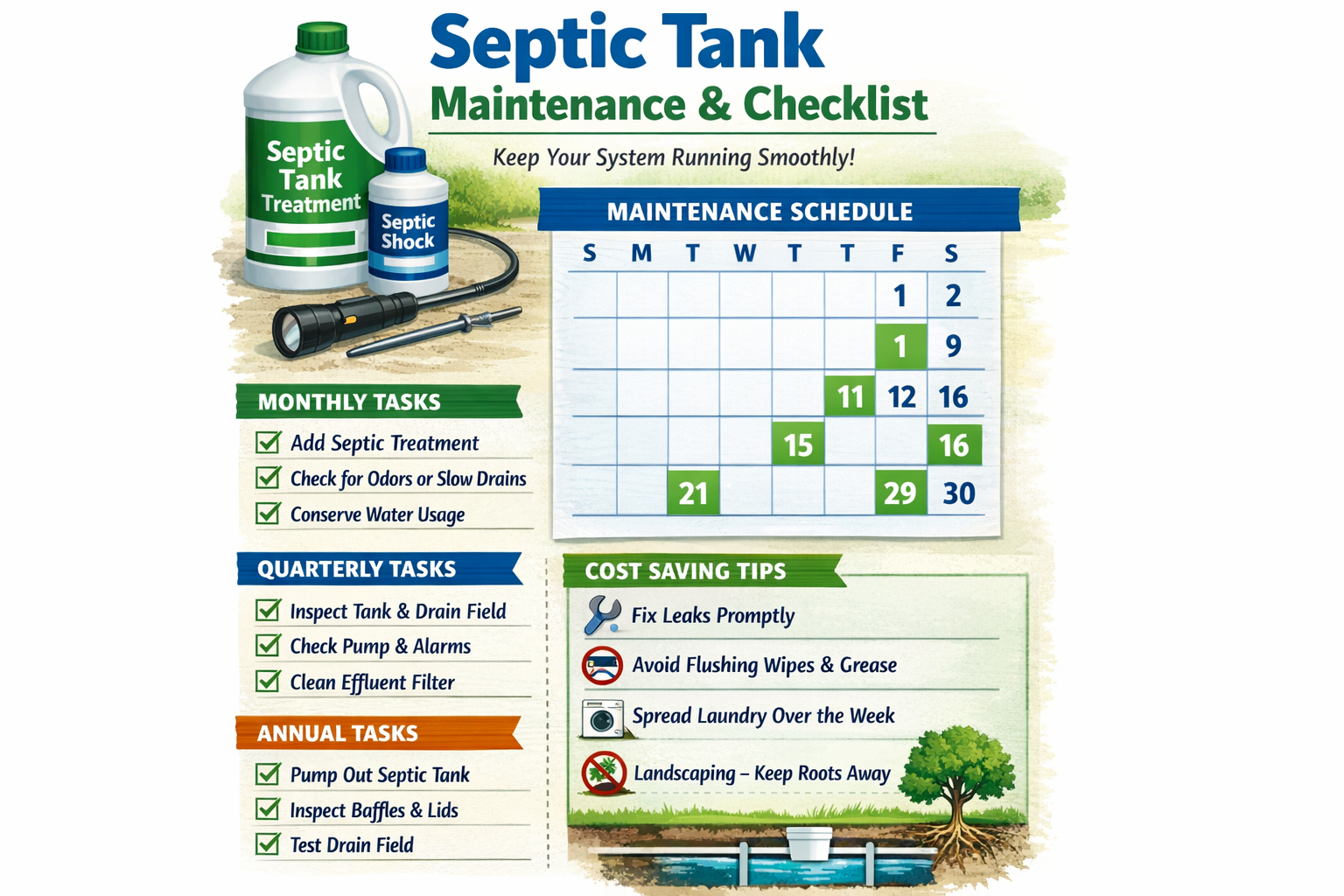
If you want a simple, reliable way to support your septic system’s health without complicated maintenance routines, Septifix tablets can be an excellent addition to your care regimen. Here are some of the most reliable septic tank treatment options for keeping your system clean, odor-free, and working properly—from breaking down waste and reducing buildup to helping prevent blockages and costly repairs. These easy-to-use tablets are trusted by many homeowners to maintain a healthy, efficient septic system with minimal effort.
👉 See how Septifix tablets can keep your septic system clean and efficient
These tablets work by introducing beneficial bacteria and enzymes that enhance your system’s natural waste breakdown processes. While not a substitute for regular pumping and professional maintenance, they can help maintain optimal bacterial balance and potentially extend the time between service calls.
Conclusion
Understanding septic tank treatment explained empowers you to make informed decisions about your system’s care and maintenance. From the basic biological processes that break down waste in conventional systems to the advanced technologies that produce ultra-clean effluent, proper treatment is essential for protecting both your property investment and the environment.
The key to successful septic system management lies in consistent preventive care rather than reactive emergency repairs. By implementing regular maintenance schedules, using appropriate treatment products, and recognizing early warning signs, you can ensure your system operates efficiently for decades.
Your Next Steps:
- Assess your current system using the guidelines provided in this article
- Create a maintenance schedule based on your system type and usage patterns
- Implement water conservation measures to reduce hydraulic stress
- Consider quality treatment products to support bacterial balance
- Schedule professional inspection if your system hasn’t been evaluated recently
- Keep detailed records of all maintenance and service activities
Remember, septic systems are significant investments that require ongoing attention. The small effort you put into understanding and maintaining your system today will save you thousands of dollars and countless headaches in the future.
Whether you’re dealing with a traditional gravity-fed system or considering an upgrade to advanced treatment technology, the principles of proper septic care remain consistent: respect the biological processes, maintain the system components, and address problems promptly before they escalate.
Your septic system works hard every day to protect your family’s health and comfort. By following the guidance in this comprehensive explanation of septic tank treatment, you’re well-equipped to ensure it continues serving you reliably for years to come.
References
[1] Discover The Latest In Septic Technology Nextgen Septic Systems – https://www.pumper.com/bytes/2024/08/discover-the-latest-in-septic-technology-nextgen-septic-systems
[2] Fall City Gets Green Light From State For Final Phase Of Septic Project – https://kingcountylocalblog.com/2025/10/15/fall-city-gets-green-light-from-state-for-final-phase-of-septic-project/
[3] The Future Of Septic Systems Emerging Technologies To Watch – https://www.lanikseptic.com/the-future-of-septic-systems-emerging-technologies-to-watch/
[5] Septic System Types – https://www.premiertechaqua.com/en-us/blog/septic-system-types
[6] 5 New Years Resolutions For A Healthier Septic System In 2026 – https://www.metroseptic.com/blog/5-new-years-resolutions-for-a-healthier-septic-system-in-2026
[7] Enhanced Nutrient Reducing Septic Systems Enrs Florida Sewage Treatment Plants Water Pollution – https://www.theinvadingsea.com/2026/02/06/enhanced-nutrient-reducing-septic-systems-enrs-florida-sewage-treatment-plants-water-pollution/
[8] Septic Tank Pumping Service Market 27542 – https://www.intelmarketresearch.com/septic-tank-pumping-service-market-27542