
The Complete Guide to Septic Tank Bacteria Treatment: Keep Your System Healthy and Avoid Costly Repairs
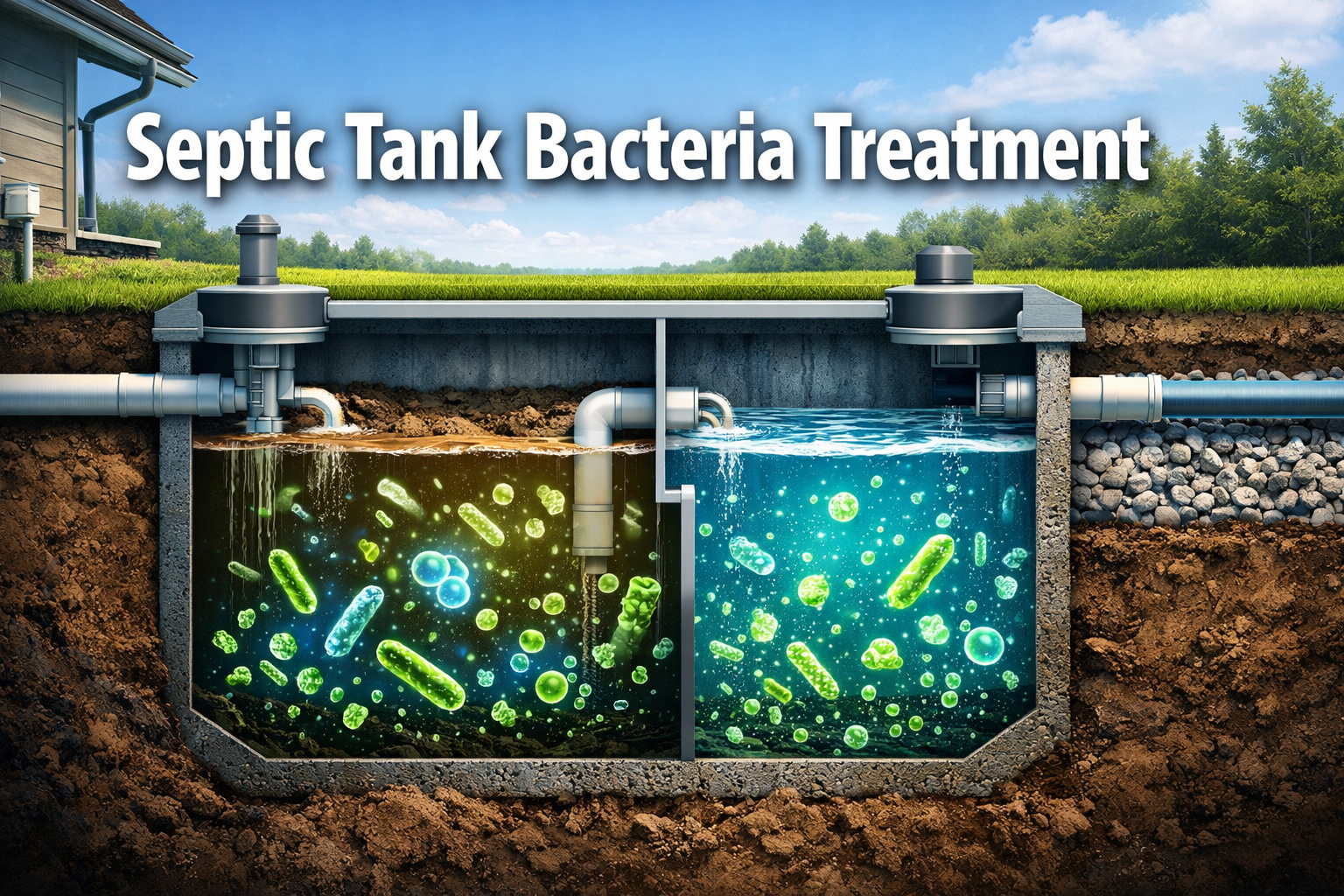
Picture this: you wake up one morning to the smell of sewage backing up into your home, or you notice your drains moving slower than molasses. Your septic system has failed, and you’re looking at thousands of dollars in emergency repairs. The good news? Most septic problems can be prevented with proper Septic Tank Bacteria Treatment and regular maintenance. As a homeowner who’s dealt with septic systems for over a decade, I’ve learned that understanding bacterial treatment isn’t just helpful—it’s essential for protecting your investment and avoiding nightmare scenarios.
Key Takeaways
• Beneficial bacteria are the heart of your septic system – they break down waste and keep everything flowing smoothly
• Regular bacterial treatment can extend your system’s life and reduce pumping frequency by up to 50%
• Modern treatment options include oxygen-releasing tablets, enzyme boosters, and specialized bacterial blends for different problems
• Signs your system needs bacterial help include slow drains, odors, and frequent backups
• Prevention costs pennies compared to repairs – monthly treatments cost $10-30 vs. thousands for system replacement
Understanding How Septic Tank Bacteria Treatment Works
The Science Behind Bacterial Breakdown 🔬
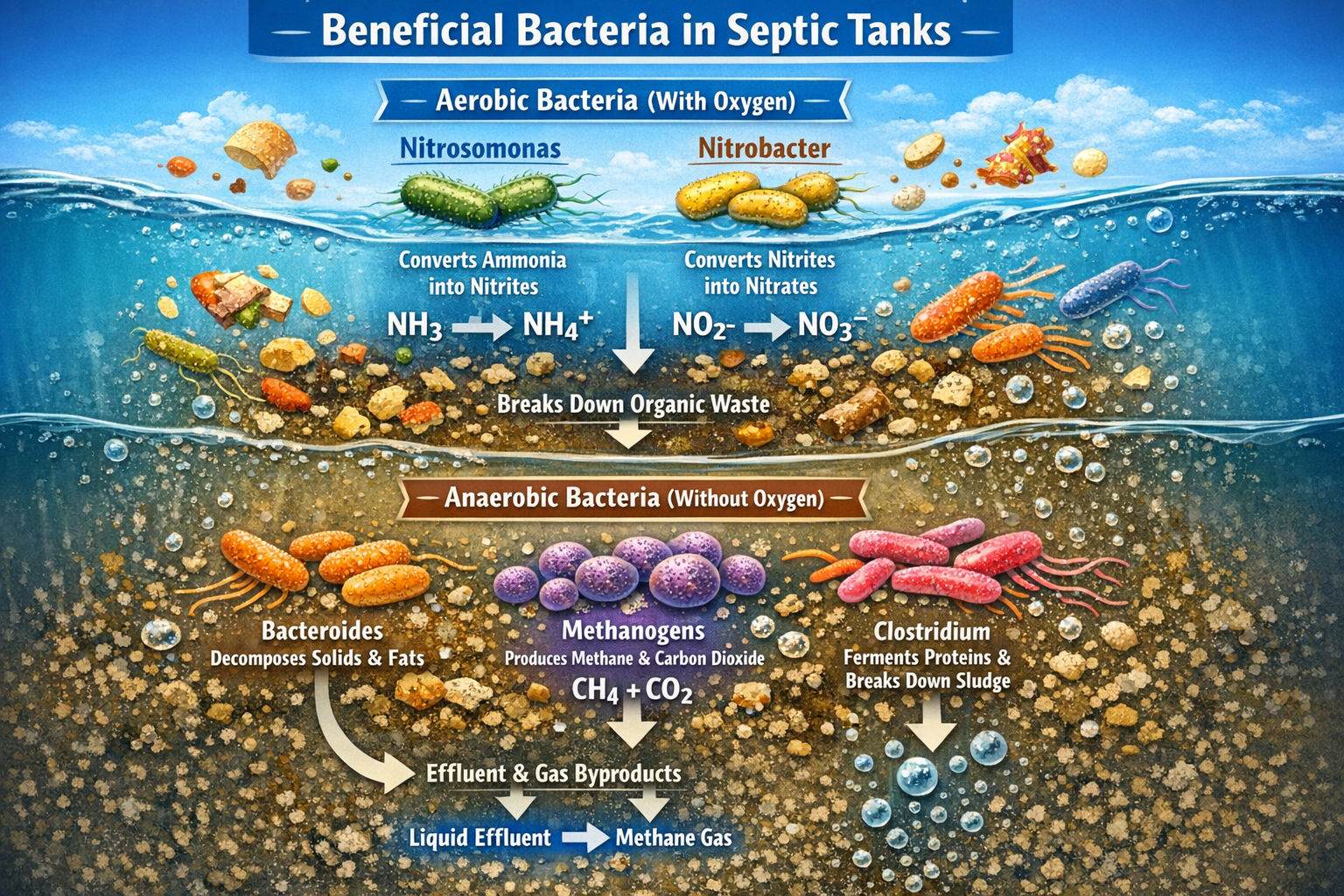
Your septic tank is essentially a controlled ecosystem where billions of beneficial bacteria work around the clock to digest waste. These microscopic workers fall into two main categories:
Anaerobic bacteria thrive in oxygen-free environments and handle the heavy lifting of breaking down solid waste in your tank’s main chamber. Aerobic bacteria need oxygen and are incredibly efficient at processing organic matter, often found in advanced treatment systems.
When this bacterial balance gets disrupted—whether from harsh chemicals, antibiotics flushed down drains, or simple neglect—your entire system suffers. Understanding how your septic system works helps you appreciate why maintaining healthy bacterial populations is so critical.
What Happens When Bacteria Levels Drop
Without adequate bacterial activity, several problems emerge quickly:
- Solid waste accumulates faster than normal breakdown rates
- Grease and scum layers thicken, blocking proper flow
- Odors develop as anaerobic processes become less efficient
- Drain fields can clog when partially digested waste reaches them
Modern Enhanced Nutrient Reducing (ENR) systems use healthy bacteria to break down suspended solids and convert nitrate, representing an affordable and environmentally sound approach to aging septic infrastructure.
Types of Septic Tank Bacteria Treatment Products
Oxygen-Releasing Tablets 💊
SEPTIFIX tablets represent the latest advancement in bacterial treatment technology. These oxygen-releasing tablets with beneficial bacteria eliminate odors within 3-5 days and improve system efficiency within 3 weeks by releasing up to 10 liters of oxygen per tablet.
The oxygen boost helps aerobic bacteria flourish, dramatically improving waste breakdown rates. Many homeowners report noticeable improvements in system performance within the first month of use.
Concentrated Bacterial Boosters
For systems experiencing severe bacterial die-off, products like BIOBOOSTER 1T can restore microbial populations with one trillion colony-forming units. This is particularly effective after system shocks from bleach or root killers.
These concentrated treatments work best when:
- Your system has been treated with harsh chemicals
- You’ve recently used antibiotics heavily
- The tank hasn’t been maintained for extended periods
- You’re experiencing multiple warning signs simultaneously
Monthly Maintenance Solutions
ECO-SEPT pouches and FIZZY-TAB tablets reduce sludge accumulation and pumping frequency by boosting beneficial microorganism levels. These products focus on:
| Product Type | Best For | Frequency | Cost Range |
|---|---|---|---|
| Oxygen Tablets | General maintenance | Monthly | $15-25 |
| Bacterial Boosters | System recovery | Quarterly | $30-50 |
| Enzyme Treatments | Grease breakdown | Bi-weekly | $20-35 |
| Specialized Formulas | Specific problems | As needed | $25-45 |
Specialized Problem Solvers
PAPERATOR uses specialized probiotics and enzymes to efficiently break down cellulosic materials from excess paper products. This is invaluable for households that use significant amounts of toilet paper or have experienced paper-related clogs.
FYI: Some links may be affiliate links, which means I may earn a small commission at no extra cost to you.
If you want something reliable and easy to use, Septifix tablets can keep your septic system clean and efficient with minimal effort. These tablets work by releasing beneficial bacteria and oxygen directly into your tank, helping maintain the bacterial balance that keeps everything flowing smoothly.
Choosing the Right Septic Tank Bacteria Treatment for Your System
Assessing Your Current System Health
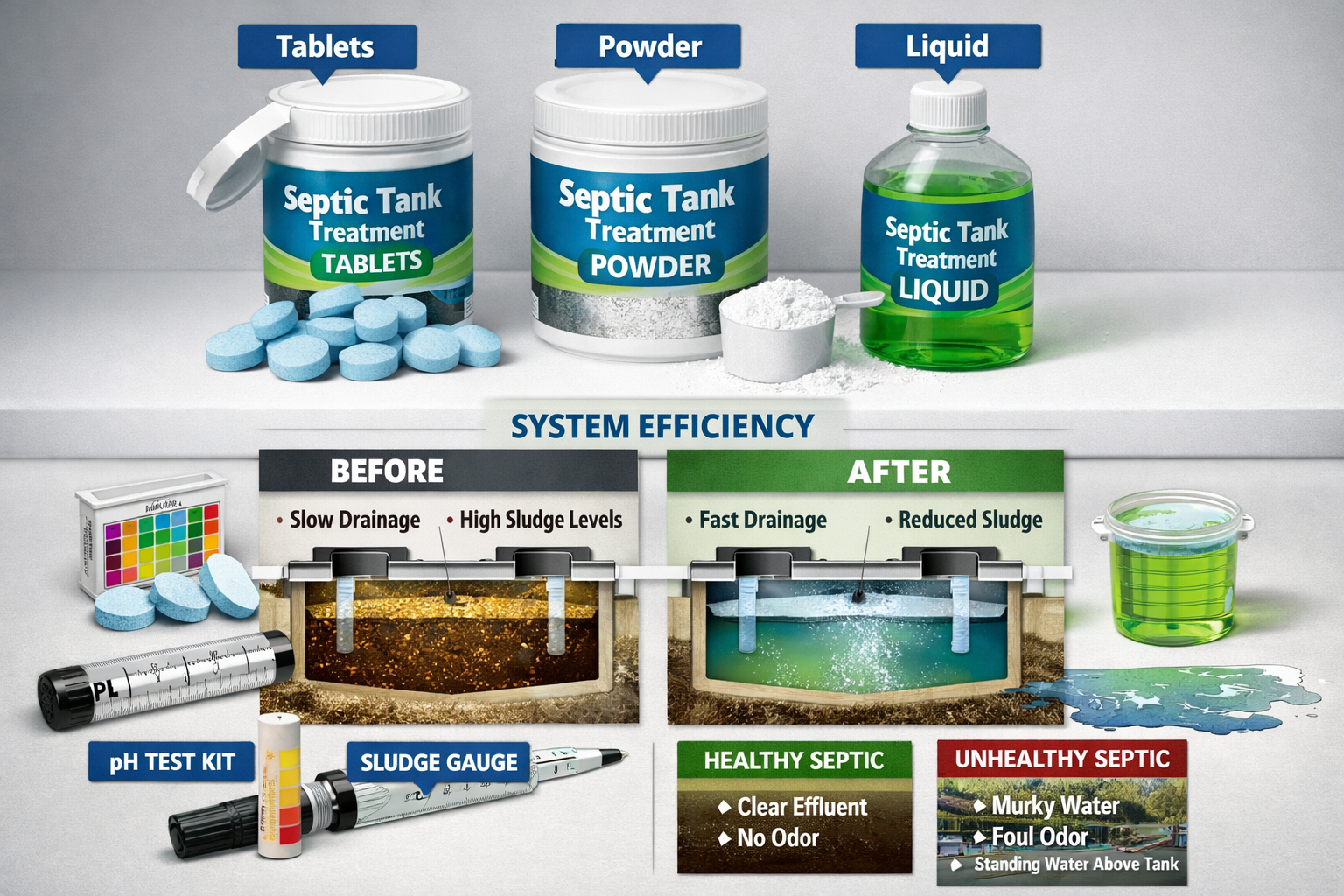
Before selecting a treatment, evaluate your septic system’s current condition. Signs that your septic tank might be full include slow drains, gurgling sounds, and sewage odors—all indicators that bacterial activity may be insufficient.
Key assessment factors:
- Age of your system – older systems need more aggressive treatment
- Household size – larger families require more frequent bacterial supplementation
- Water usage patterns – high-volume users stress bacterial populations
- Chemical usage – frequent bleach or antibacterial product use depletes beneficial bacteria
Matching Treatment to System Type
Different septic configurations benefit from specific bacterial treatments:
Traditional septic tanks work best with anaerobic bacterial supplements that don’t require oxygen. Aerobic Treatment Units (ATUs) are more efficient at breaking down organic waste than basic septic systems, ideal for areas with high effluent standards, poor soils, or high water tables, though they require electricity and more maintenance.
For properties with space limitations, UV disinfection systems eliminate harmful pathogens for safe discharge into watercourses, ideal for sites with limited space or inadequate soil conditions.
Advanced Treatment Options
Tertiary treatment systems produce effluent up to 10 times cleaner than basic septic systems through disinfection and nutrient removal processes, meeting stringent regulatory standards. These systems often incorporate multiple bacterial treatment stages for maximum efficiency.
NextGen septic systems feature two-stage treatment with Septigen Technology, including stainless steel units, advanced membrane filtration, and ozone disinfection that eliminate the need for traditional soil leachfields while producing water surpassing conventional treatment plant quality.
Installation and Maintenance Best Practices
Proper Dosing Guidelines 📏
Monthly maintenance schedule:
- Week 1: Add primary bacterial treatment
- Week 2: Monitor system performance
- Week 3: Add enzyme supplement if needed
- Week 4: Check for warning signs
Most bacterial treatments require specific dosing based on tank size:
- 500-750 gallons: 1 tablet or packet monthly
- 750-1000 gallons: 1.5 tablets or packets monthly
- 1000+ gallons: 2 tablets or packets monthly
Timing Your Treatments
The best time to add bacterial treatments is late evening when water usage is minimal. This allows maximum contact time between bacteria and waste materials without immediate dilution from incoming water.
Seasonal considerations:
- Spring: Boost bacteria after winter dormancy
- Summer: Increase frequency during high-usage periods
- Fall: Prepare system for reduced activity
- Winter: Maintain minimal treatment schedule
Monitoring System Response
Track these indicators to measure treatment effectiveness:
✅ Positive signs:
- Faster drain flow
- Reduced odors
- Less frequent pumping needs
- Clear effluent in inspection ports
❌ Warning signs requiring attention:
- Persistent slow drains
- Sewage odors
- Wet spots over drain field
- Backup into house
If you notice septic tank slow drains, it’s often an early warning that bacterial populations need supplementation.
Troubleshooting Common Septic Tank Bacteria Issues
Bacterial Die-Off Recovery
When beneficial bacteria populations crash due to chemical shock or neglect, recovery requires aggressive intervention:
- Stop all antibacterial product use for at least two weeks
- Add concentrated bacterial booster at double normal dosage
- Reduce water usage by 25% during recovery period
- Monitor daily for improvement signs
Addressing Specific Problems
Grease accumulation: Use enzyme-heavy treatments that specifically target fats, oils, and grease. These break down stubborn scum layers that standard bacteria struggle with.
Paper product buildup: Cellulose-targeting bacterial blends like PAPERATOR help digest excessive toilet paper and other paper waste.
Odor elimination: Oxygen-releasing treatments quickly address anaerobic conditions causing hydrogen sulfide odors.
When Professional Help Is Needed
Some situations require professional intervention beyond bacterial treatment:
- Structural tank damage affecting bacterial environment
- Drain field failure requiring system redesign
- Severe backups indicating complete system failure
- Regulatory compliance issues in sensitive environmental areas
Advanced inspection technology using fiber-optic cameras and remote-operated tools provides thorough, accurate assessment when bacterial treatment alone isn’t sufficient.
Future-Proofing Your System
AI-driven monitoring systems now use machine learning algorithms to predict maintenance needs based on system data, reducing failure risk. Solar-powered aeration offers eco-friendly upgrades that reduce energy costs while improving treatment efficiency.
These technological advances complement traditional bacterial treatments, creating more resilient and efficient septic systems for 2026 and beyond.
Recommended Resource
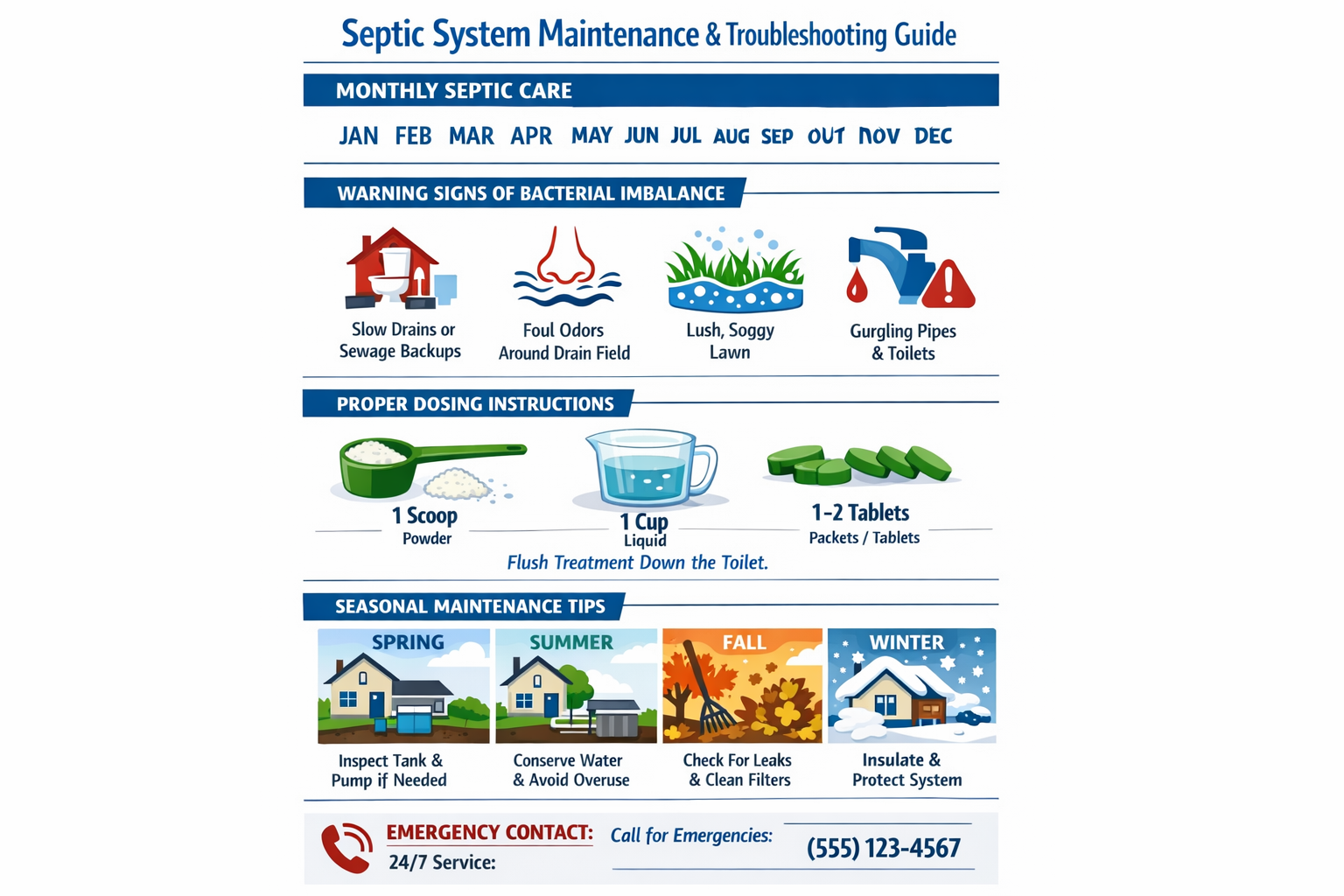
If you want a simple, reliable option for maintaining your septic system, here are some of the most trusted septic tank treatment options for keeping your system clean, odor-free, and working properly—from breaking down waste and reducing buildup to helping prevent blockages and costly repairs. These easy-to-use tablets are trusted by many homeowners to maintain a healthy, efficient septic system with minimal effort.
👉 See how Septifix tablets can keep your septic system clean and efficient
These treatments work particularly well for busy homeowners who want effective maintenance without complicated procedures or frequent applications.
Conclusion
Septic Tank Bacteria Treatment isn’t just an optional add-on—it’s essential maintenance that protects your investment and prevents costly emergencies. By understanding how bacterial treatments work, choosing the right products for your system, and following proper maintenance schedules, you can extend your septic system’s life significantly while avoiding the nightmare of system failure.
The key is consistency. Monthly bacterial treatments cost a fraction of emergency repairs and provide peace of mind that your system is working efficiently. Whether you choose oxygen-releasing tablets, concentrated bacterial boosters, or specialized enzyme treatments, the important thing is starting a regular maintenance routine now.
Your next steps:
- Assess your current system using the guidelines in this article
- Choose an appropriate bacterial treatment based on your system type and needs
- Start a monthly treatment schedule and track system performance
- Monitor for warning signs and adjust treatment as needed
- Consider professional inspection if problems persist despite treatment
Remember, a well-maintained septic system with healthy bacterial populations can last 20-30 years or more. Start your bacterial treatment routine today, and your future self will thank you when neighbors are dealing with expensive septic emergencies while your system runs smoothly.
For more comprehensive septic system guidance, explore our complete homeowner’s guide to septic tank care and stay ahead of potential problems before they become costly disasters.
References
[1] Discover The Latest In Septic Technology Nextgen Septic Systems – https://www.pumper.com/bytes/2024/08/discover-the-latest-in-septic-technology-nextgen-septic-systems
[2] News Alert Beneficial Bugs For Better Septic Tank Maintenance – https://www.cortecvci.com/news-alert-beneficial-bugs-for-better-septic-tank-maintenance/
[3] Watch – https://www.youtube.com/watch?v=2LlWe-r7rqc
[4] Septic System Types – https://www.premiertechaqua.com/en-us/blog/septic-system-types
[5] How Technology Is Changing The Future Of Wastewater Management – https://mathisandsonsseptic.com/mathis-sons-septic-blog-orlando-fl/how-technology-is-changing-the-future-of-wastewater-management/
[7] Enhanced Nutrient Reducing Septic Systems Enrs Florida Sewage Treatment Plants Water Pollution – https://www.theinvadingsea.com/2026/02/06/enhanced-nutrient-reducing-septic-systems-enrs-florida-sewage-treatment-plants-water-pollution/
[8] How Modern Septic Technology Is Changing The Game – https://www.septicblue.com/how-modern-septic-technology-is-changing-the-game