

Last updated: March 2, 2026
Key Takeaways
• Natural septic tank care methods use simple household items like baking soda, yeast, and vinegar to maintain system health
• Flush 1/4 to 1/2 cup of baking soda weekly to balance pH and support beneficial bacteria
• Add active dry yeast every few months to boost waste breakdown naturally
• Avoid harsh chemicals, bleach, and antibacterial products that kill essential bacteria
• Professional pumping every 3-5 years remains necessary even with natural care methods
• Water conservation prevents system overload and extends time between pumpings
• Use only septic-safe, biodegradable products to prevent solid buildup
• Regular maintenance costs far less than emergency repairs or system replacement
Quick Answer
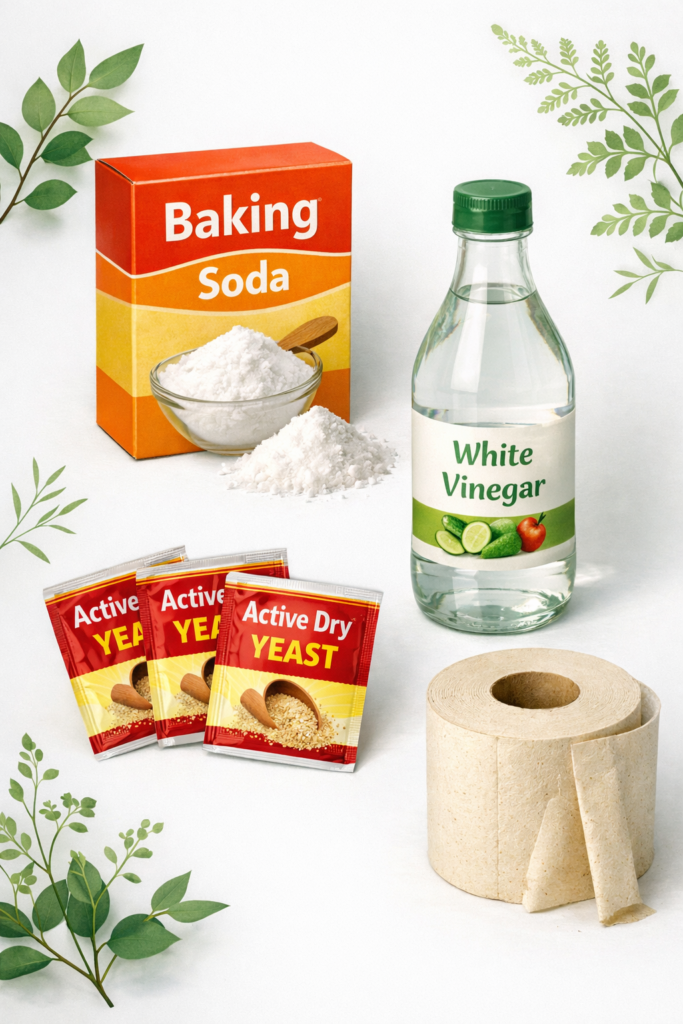
Natural septic tank care methods involve using household items like baking soda, yeast, and vinegar to maintain bacterial balance and system health without harsh chemicals. These eco-friendly approaches support the beneficial bacteria that break down waste while preventing costly repairs. Combined with proper water usage and regular professional maintenance, natural methods can extend your system’s life significantly.
What Are Natural Septic Tank Care Methods?
Natural septic tank care methods are eco-friendly maintenance practices that use common household items and safe habits to keep your septic system functioning properly. These methods work by supporting the beneficial bacteria that naturally break down waste in your tank without introducing harmful chemicals.
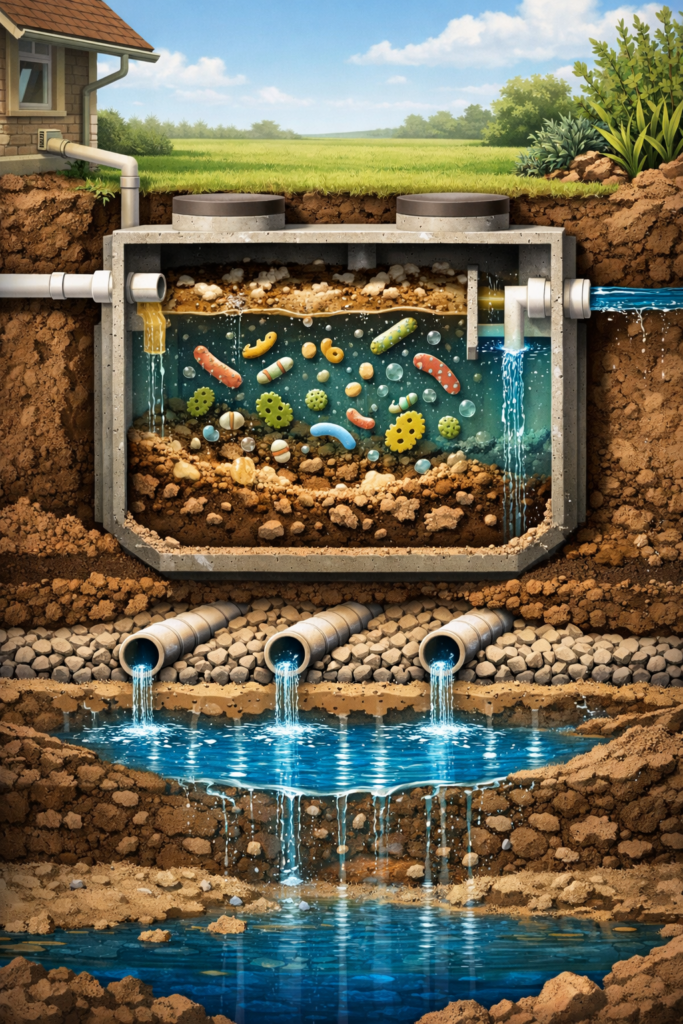
The core principle behind natural septic care is maintaining the delicate bacterial ecosystem inside your tank. Your septic system relies on anaerobic bacteria to decompose solid waste and break down organic matter. When you use harsh chemicals or antibacterial products, you disrupt this natural process and can cause system failures.
Key natural ingredients include:
• Baking soda for pH balance
• Active dry yeast for bacterial enhancement
• White vinegar for gentle cleaning
• Biodegradable soaps and cleaners
Choose natural methods if you want to reduce environmental impact, avoid expensive chemical treatments, or maintain your system between professional services. These approaches work best for homeowners who understand that septic care is an ongoing responsibility, not a one-time fix.
One common mistake is thinking natural methods replace professional pumping. Even with perfect natural care, you’ll still need regular septic tank pumping every 3-5 years to remove accumulated solids.
How Do Natural Septic Tank Care Methods Work?
Natural septic tank care methods work by maintaining the biological processes that your septic system depends on for proper waste treatment. Your tank contains millions of beneficial bacteria that digest organic waste, and these natural approaches keep those bacteria healthy and active.
The bacterial breakdown process works in three stages:
- Scum layer formation – Oils and grease float to the top
- Liquid waste processing – Middle layer contains partially decomposed waste
- Sludge settling – Heavy solids sink to the bottom for bacterial digestion
Baking soda helps by neutralizing acidic conditions that can harm bacteria. When you flush 1/4 to 1/2 cup weekly, it maintains optimal pH levels for bacterial activity. The alkaline environment encourages faster waste decomposition and prevents odor-causing imbalances.
Yeast supplements work differently by introducing additional microorganisms that enhance the existing bacterial colony. Adding a packet of active dry yeast mixed with warm water and sugar every few months provides extra enzymes for breaking down complex organic compounds.
Water conservation supports natural processes by:
• Preventing bacterial washout from excessive flow
• Allowing proper settling time for solids
• Maintaining concentrated bacterial populations
• Reducing stress on the drain field
The key is consistency. Natural methods work gradually and require regular application to maintain bacterial health. Unlike chemical treatments that provide quick but temporary results, natural approaches build long-term system stability.
For homeowners wanting a structured approach to natural septic care, products like Septifix tablets can simplify the process. These tablets combine beneficial bacteria and enzymes in a convenient monthly treatment that supports your tank’s natural processes.
FYI: Some links may be affiliate links, which means I may earn a small commission at no extra cost to you.
Which Natural Ingredients Are Safe for Septic Systems?
Several common household items are completely safe for septic systems and can actually improve their function when used correctly. These natural ingredients support bacterial activity rather than disrupting it like harsh chemicals do.
Baking soda is the most versatile natural septic additive. Use 1/4 to 1/2 cup weekly by flushing it down the toilet before bedtime. This timing allows the baking soda to work overnight when water usage is minimal. It neutralizes acids, reduces odors, and creates an environment where beneficial bacteria thrive.
Active dry yeast serves as a natural bacterial supplement. Mix one packet with warm water and a tablespoon of sugar, let it activate for 10 minutes, then flush the mixture. The sugar feeds existing bacteria while the yeast introduces additional microorganisms. Repeat this process every 2-3 months for best results.
White vinegar works as a gentle cleaning agent that won’t harm septic bacteria. Use it for household cleaning instead of bleach-based products. A cup of vinegar in your washing machine or down drains helps maintain pH balance without killing beneficial microorganisms.
Safe natural products include:
• Biodegradable dish soap
• Enzyme-based laundry detergents
• Plant-based toilet paper
• Natural fiber toilet paper (avoid quilted varieties)
Avoid products labeled “antibacterial,” even if they’re marketed as natural. Essential oils like tea tree oil, while natural, can be antimicrobial and may harm septic bacteria in large quantities.
Choose ingredients that are truly septic-safe by reading labels carefully. Look for “septic system safe” certification or phosphate-free formulations. When in doubt, stick to the basic trio: baking soda, yeast, and vinegar.
How Often Should You Apply Natural Septic Tank Care Methods?
Natural septic tank care methods require consistent application to maintain their effectiveness, but the frequency varies depending on the specific treatment and your household’s water usage patterns.
Weekly maintenance should include flushing 1/4 to 1/2 cup of baking soda down the toilet every 7 days. Choose the same day each week and do this before bedtime when water usage is lowest. This regular schedule maintains stable pH levels and prevents acid buildup that can harm beneficial bacteria.
Monthly treatments work well for yeast supplements. Add one packet of active dry yeast mixed with warm water and sugar once every 4-6 weeks. Some homeowners prefer to do this on the first Sunday of each month to establish a routine.
Household size affects frequency:
• 1-2 people: Use minimum recommended amounts
• 3-4 people: Use standard dosages as listed above
• 5+ people: Consider increasing baking soda to 1/2 cup weekly
Your water usage patterns also matter. If you have guests frequently, do extra laundry, or run multiple loads of dishes daily, you may need more frequent natural treatments to support the increased bacterial workload.
Seasonal adjustments can help during high-stress periods. Holiday gatherings, summer visitors, or extended family stays put extra demand on your system. Increase baking soda treatments to twice weekly during these periods.
For a more comprehensive approach to septic tank maintenance, combine natural methods with regular professional inspections. This ensures you’re catching potential problems before they become expensive emergencies.
Monitor your system’s response to natural treatments. If you notice improved drainage or reduced odors within 2-3 weeks, you’re on the right track. Persistent problems may indicate the need for professional evaluation rather than more frequent natural treatments.
What Should You Avoid When Using Natural Septic Tank Care Methods?
Even when using natural methods, certain practices and products can undermine your septic system’s health and negate the benefits of eco-friendly care approaches.
Never mix natural treatments with chemical products in the same timeframe. If you’ve recently used drain cleaners or antibacterial products, wait at least two weeks before starting natural treatments. Chemical residues can neutralize beneficial bacteria and make natural methods ineffective.
Avoid overusing natural additives. More isn’t better when it comes to septic care. Excessive baking soda can make your system too alkaline, while too much yeast can create foam problems. Stick to recommended dosages: 1/4 to 1/2 cup baking soda weekly and one yeast packet monthly.
Don’t flush non-biodegradable items even when using natural care methods. Coffee grounds, cat litter, cigarette butts, and “flushable” wipes will accumulate regardless of how well you maintain bacterial balance. These items can clog your system and require emergency pumping.
Water usage mistakes include:
• Running multiple loads of laundry in one day
• Taking long showers back-to-back
• Ignoring leaky faucets and running toilets
• Using excessive amounts of any soap, even natural ones
Avoid antibacterial products entirely. This includes hand soaps, surface cleaners, and laundry additives marked as antimicrobial. These products kill the beneficial bacteria that your natural care methods are trying to support.
Don’t skip professional maintenance thinking natural methods are sufficient. Even with perfect natural care, your tank needs pumping every 3-5 years to remove accumulated solids that bacteria can’t fully break down.
Common timing mistakes include applying treatments during high water usage periods or immediately after using bleach products. Natural treatments work best when applied during low-activity times, typically late evening.
If you’re unsure about product safety, check our guide on septic-safe products before making changes to your routine.
How Do Natural Methods Compare to Chemical Treatments?
Natural septic tank care methods offer several advantages over chemical treatments, but understanding the differences helps you make informed decisions about your system’s maintenance approach.
Cost comparison strongly favors natural methods. A box of baking soda costs under $2 and provides months of treatments, while commercial septic additives can cost $15-30 per month. Over a year, natural methods typically cost 80-90% less than chemical alternatives.
Environmental impact differs significantly between approaches. Natural methods use biodegradable ingredients that integrate harmlessly into your system’s bacterial ecosystem. Chemical treatments often contain synthetic compounds that can harm groundwater and soil when they reach your drain field.
Effectiveness varies by situation:
| Factor | Natural Methods | Chemical Treatments |
|---|---|---|
| Bacterial support | Gradual, sustainable | Quick but temporary |
| pH balance | Gentle, long-term | Can cause swings |
| Cost per year | $10-20 | $150-300 |
| Environmental safety | High | Variable |
| Application frequency | Weekly/monthly | As directed (varies) |
Chemical treatments work faster for immediate problems like odors or slow drainage. However, they often provide temporary relief without addressing underlying issues. Natural methods build long-term system health but require patience and consistency.
Safety considerations favor natural approaches for households with wells, children, or pets. Baking soda and yeast pose no health risks if accidentally ingested, while chemical additives often require careful handling and storage.
Choose natural methods if you prioritize environmental responsibility, long-term cost savings, and sustainable system health. Consider chemical treatments only for emergency situations or when recommended by a septic professional for specific problems.
Many homeowners find success combining both approaches: using natural methods for regular maintenance and chemical treatments only when problems arise. This hybrid approach maximizes benefits while minimizing costs and environmental impact.
For ongoing maintenance without the guesswork, Septifix tablets offer a middle-ground solution that combines natural bacterial support with convenient monthly dosing, making it easier to maintain consistent septic care.
When Should You Call a Professional Despite Using Natural Methods?
Natural septic tank care methods are effective for routine maintenance, but certain warning signs indicate you need professional intervention regardless of how diligently you’ve followed eco-friendly practices.
Immediate professional help is required if you notice sewage backup in your home, standing water over your drain field, or strong sewage odors that persist despite natural treatments. These symptoms suggest system failure that requires emergency service.
Persistent drainage problems that don’t improve after 2-3 weeks of consistent natural care indicate deeper issues. If toilets flush slowly, sinks drain poorly, or you hear gurgling sounds from drains, your system may need pumping or repairs that natural methods can’t address.
Warning signs that override natural care:
• Sewage odors inside your home
• Wet spots or standing water in your yard
• Toilets or drains backing up frequently
• Bright green grass over your drain field
• High nitrate levels in nearby wells
Pumping schedules remain non-negotiable even with perfect natural maintenance. A family of four with a 1,000-gallon tank needs professional pumping every 3-4 years regardless of natural care methods. Skipping pumping because you use natural treatments can lead to system failure.
Professional inspections should occur every 1-3 years to catch problems before they become emergencies. During inspections, technicians check sludge levels, inspect baffles, and assess drain field condition—issues that natural methods can’t prevent or repair.
Age-related factors also matter. Systems over 20 years old may need professional attention more frequently, even with excellent natural care. Components like baffles, pipes, and the tank itself can deteriorate regardless of how well you maintain bacterial balance.
Don’t delay professional help hoping natural methods will solve serious problems. Early intervention costs hundreds of dollars, while system replacement can cost $15,000-25,000. For guidance on recognizing serious issues, check our article on signs your septic tank needs maintenance.
Recommended Natural Septic Care Solution
If you want a simple, structured approach to natural septic tank maintenance, Septifix tablets can help streamline your routine. These tablets combine beneficial bacteria and enzymes in a convenient monthly treatment that supports your tank’s natural waste breakdown processes.
Septifix works by introducing concentrated bacterial cultures that enhance your system’s existing microorganisms. With one easy monthly flush, you can help prevent blockages, reduce odors, and support proper waste decomposition without measuring powders or mixing solutions.
The tablets are designed to dissolve slowly, releasing beneficial bacteria throughout the month rather than all at once. This sustained approach aligns well with natural septic care principles while eliminating the guesswork involved in measuring baking soda or preparing yeast mixtures.
Benefits include:
• Convenient monthly dosing schedule
• No mixing or measuring required
• Supports natural bacterial processes
• Helps prevent common septic problems
While not required for effective septic care, Septifix can be particularly helpful for busy homeowners who want consistent natural treatment without the routine of weekly baking soda applications. It’s designed to complement good septic practices like water conservation and avoiding harsh chemicals.
Frequently Asked Questions
How quickly do natural septic tank care methods show results?
Most homeowners notice improvements in drainage and odor reduction within 2-3 weeks of consistent natural treatment. However, building a healthy bacterial population takes 1-2 months of regular baking soda and yeast applications.
Can I use natural methods if my septic tank was recently pumped?
Yes, natural methods are especially beneficial after pumping because they help re-establish beneficial bacteria populations. Start treatments immediately after pumping to support bacterial colonization in the clean tank.
Do natural septic care methods work in cold weather?
Natural methods work year-round, but bacterial activity slows in cold temperatures. You may need to increase treatment frequency slightly during winter months when ground temperatures drop below 40°F.
How much baking soda is too much for a septic system?
Never exceed 1/2 cup of baking soda per week. Excessive amounts can make your system too alkaline and actually harm beneficial bacteria. Stick to 1/4 cup weekly for most households.
Can I use bread yeast instead of active dry yeast?
Active dry yeast works better than bread yeast because it’s more concentrated and activates more reliably. Bread yeast may contain additives that aren’t ideal for septic systems.
Will natural methods eliminate the need for professional pumping?
No, natural methods cannot eliminate the need for pumping every 3-5 years. They help maintain bacterial health and may extend time between pumpings slightly, but solid waste removal requires professional service.
Are natural septic treatments safe for homes with well water?
Yes, natural ingredients like baking soda, yeast, and vinegar are completely safe for homes with well water. They won’t contaminate groundwater like some chemical treatments might.
Can I use natural methods if I have a garbage disposal?
Natural methods work with garbage disposals, but use them sparingly. Garbage disposals increase solid waste in your tank, which may require more frequent natural treatments and professional pumping.
How do I know if natural methods are working?
Signs include improved drainage, reduced odors, and fewer backup incidents. If problems persist after 3-4 weeks of consistent treatment, you may need professional evaluation.
Should I continue natural treatments between professional pumpings?
Yes, continue natural treatments throughout the entire period between pumpings. Consistent bacterial support helps maintain system health and prevents problems from developing.
Can natural methods fix a failing septic system?
Natural methods can help with minor issues but cannot repair structural damage, clogged drain fields, or severely damaged systems. These problems require professional repair or replacement.
Is it safe to mix different natural treatments?
Yes, baking soda, yeast, and vinegar can be used together safely. However, space them out—don’t apply all treatments on the same day. This allows each ingredient to work effectively without interference.
Conclusion
Natural septic tank care methods offer homeowners an effective, environmentally friendly approach to maintaining their septic systems while reducing costs and chemical exposure. By using simple household ingredients like baking soda, yeast, and vinegar on a consistent schedule, you can support the beneficial bacteria essential for proper waste breakdown.
The key to success with natural methods lies in consistency and understanding your system’s needs. Weekly baking soda treatments maintain pH balance, monthly yeast supplements boost bacterial populations, and avoiding harsh chemicals protects your tank’s delicate ecosystem. These practices, combined with water conservation and proper waste disposal habits, can significantly extend your system’s lifespan.
Remember that natural care methods complement but don’t replace professional maintenance. Continue scheduling regular pumping every 3-5 years and professional inspections to catch potential problems early. This balanced approach provides the best protection for your investment while maintaining environmental responsibility.
Take action today by implementing a simple natural care routine: start with weekly baking soda treatments, schedule monthly yeast supplements, and review your household products to eliminate septic-harmful chemicals. For additional guidance on comprehensive septic maintenance, explore our complete septic tank care routine guide to ensure your system operates efficiently for years to come.
References
[1] How To Naturally Clean Your Septic Tank – https://www.septicconnection.com/how-to-naturally-clean-your-septic-tank
[2] Blog – https://darrellcrewspumping.com/blog/?post=effective-natural-methods-for-cleaning-your-septic-tank
[3] Maintain Your Septic System Naturally – https://www.farmersalmanac.com/maintain-your-septic-system-naturally
[4] How Baking Soda Can Help You Avoid Septic System – https://www.wrenvironmental.com/blog/2016/may/how-baking-soda-can-help-you-avoid-septic-system/
[5] How To Keep Your Septic System Running Smoothly A2122484638 – https://www.consumerreports.org/home-garden/plumbing/how-to-keep-your-septic-system-running-smoothly-a2122484638/
[6] Eco Friendly Septic Care In 2026 Safe Practices What To Avoid And New Green Trends – https://watkinssepticanddrain.com/blog/eco-friendly-septic-care-in-2026-safe-practices-what-to-avoid-and-new-green-trends/
[7] Safe Ways To Clean Septic Tank Naturally – https://www.biocleanseptic.in/blogs/news/safe-ways-to-clean-septic-tank-naturally
[9] Maintain Septic System – https://simplegreen.com/cleaning-tips/bathroom/maintain-septic-system/