Last updated: March 8, 2026
Key Takeaways
- Pump every 3-5 years based on household size and tank capacity to prevent overflow and system failure
- Schedule professional inspections every 1-3 years to catch problems early and maintain optimal performance
- Watch what goes down drains – avoid flushing non-biodegradable items, grease, and harsh chemicals
- Conserve water usage with low-flow fixtures and spread laundry loads throughout the week
- Protect the drain field by avoiding heavy vehicles, construction, and planting trees over the system
- Monitor warning signs like slow drains, odors, and standing water around the tank area
- Keep detailed records of pumping dates, inspections, and any repairs for warranty and resale purposes
Quick Answer
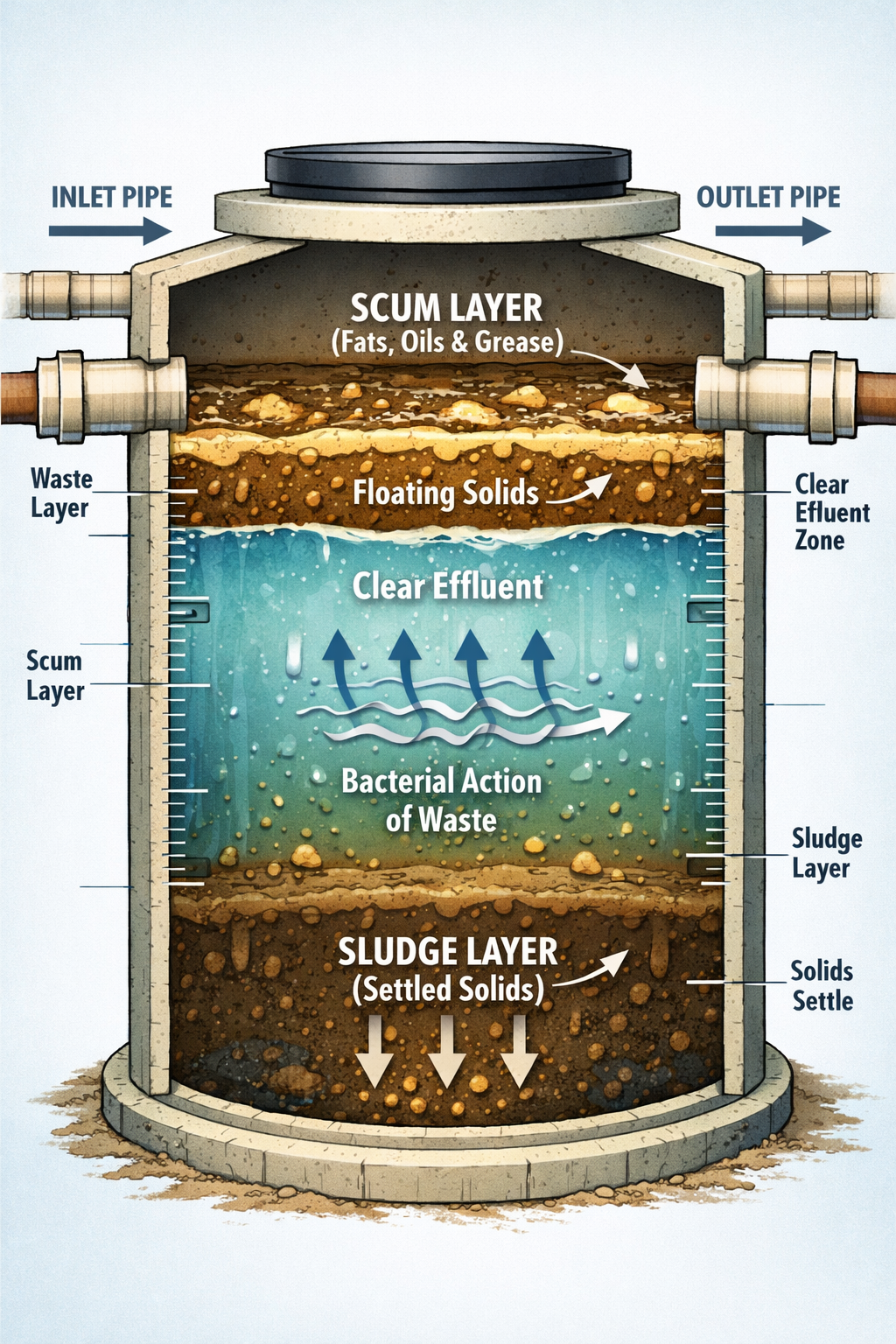
Maintaining a septic tank system requires regular pumping every 3-5 years, professional inspections every 1-3 years, and daily care practices like conserving water and avoiding harmful substances down drains. Proper maintenance prevents costly repairs, protects groundwater, and extends your system’s 20-30 year lifespan.
How Often Should You Pump Your Septic Tank?
Most septic tanks need pumping every 3 to 5 years, but the exact frequency depends on your tank size and household usage. A 1,000-gallon tank serving 4 people requires pumping every 3 years, while the same tank serving only 1 person needs pumping every 12 years.
Factors that affect pumping frequency:
- Household size – More people create more waste
- Tank capacity – Smaller tanks fill faster
- Water usage habits – High usage accelerates filling
- Garbage disposal use – Adds 50% more solids to the tank
When to pump immediately:
- Solids fill one-third to one-half of tank capacity
- Scum layer bottom is within 6 inches of the outlet
- Sludge layer top is within 12 inches of the outlet
Choose a licensed professional who will pump completely, inspect components, and provide a detailed report. Never attempt to pump your own tank due to toxic gas risks and proper disposal requirements.
For ongoing maintenance between pumpings, maintaining proper bacterial balance helps break down waste more efficiently.
What Are the Essential Daily Maintenance Practices?
FYI: Some links may be affiliate links, which means I may earn a small commission at no extra cost to you.
Daily septic care focuses on what goes into your system and how much water you use. These simple habits prevent most septic problems and extend your system’s life significantly.
Water conservation strategies:
- Limit laundry to 1-2 loads per day (each load uses 53 gallons)
- Install low-flow fixtures – toilets use 1-1.6 gallons per flush vs. older 3-5 gallon models
- Fix leaks immediately – dripping faucets send hundreds of extra gallons through your system
- Take shorter showers and install low-flow showerheads
What never to flush or drain:
- Cat litter, coffee grounds, diapers, or “flushable” wipes
- Grease, oils, or food scraps
- Medications, paints, or household chemicals
- Cigarette butts, tampons, or dental floss
Smart disposal habits:
- Scrape plates into trash before washing
- Use a drain strainer to catch food particles
- Dispose of cooking oils in the garbage, not down drains
For homeowners wanting a simple way to support their septic system’s bacterial health, Septifix tablets can help break down waste and reduce odors with just one monthly flush. These tablets help maintain the natural bacterial balance that keeps your septic system working properly.
Understanding what not to put in your septic tank prevents most maintenance issues before they start.
How Do You Know When Your Septic System Needs Attention?
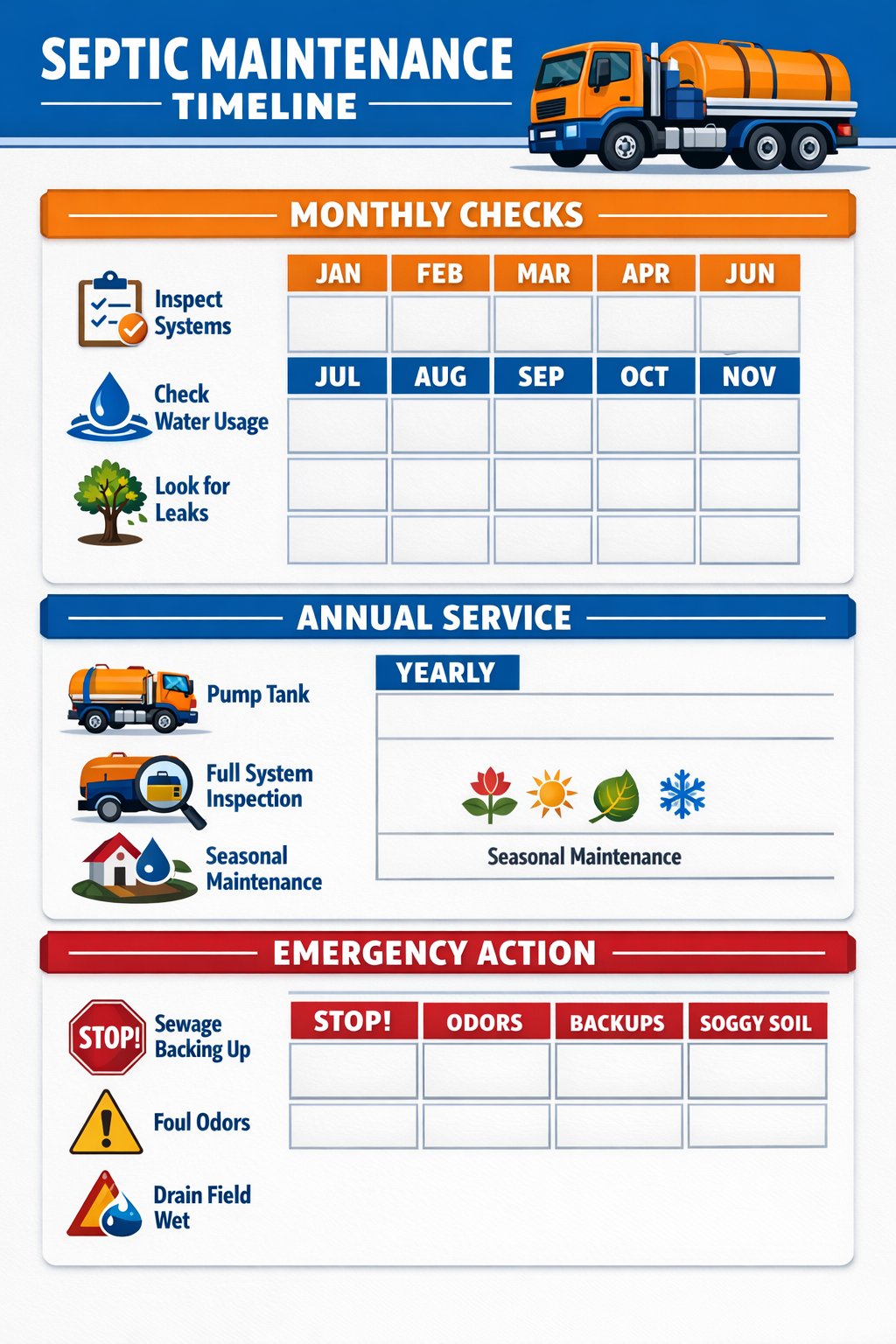
Recognizing early warning signs saves thousands in emergency repairs. Most septic problems develop gradually, giving you time to address them before system failure occurs.
Immediate attention required:
- Slow drains throughout the house, not just one fixture
- Sewage odors inside or outside your home
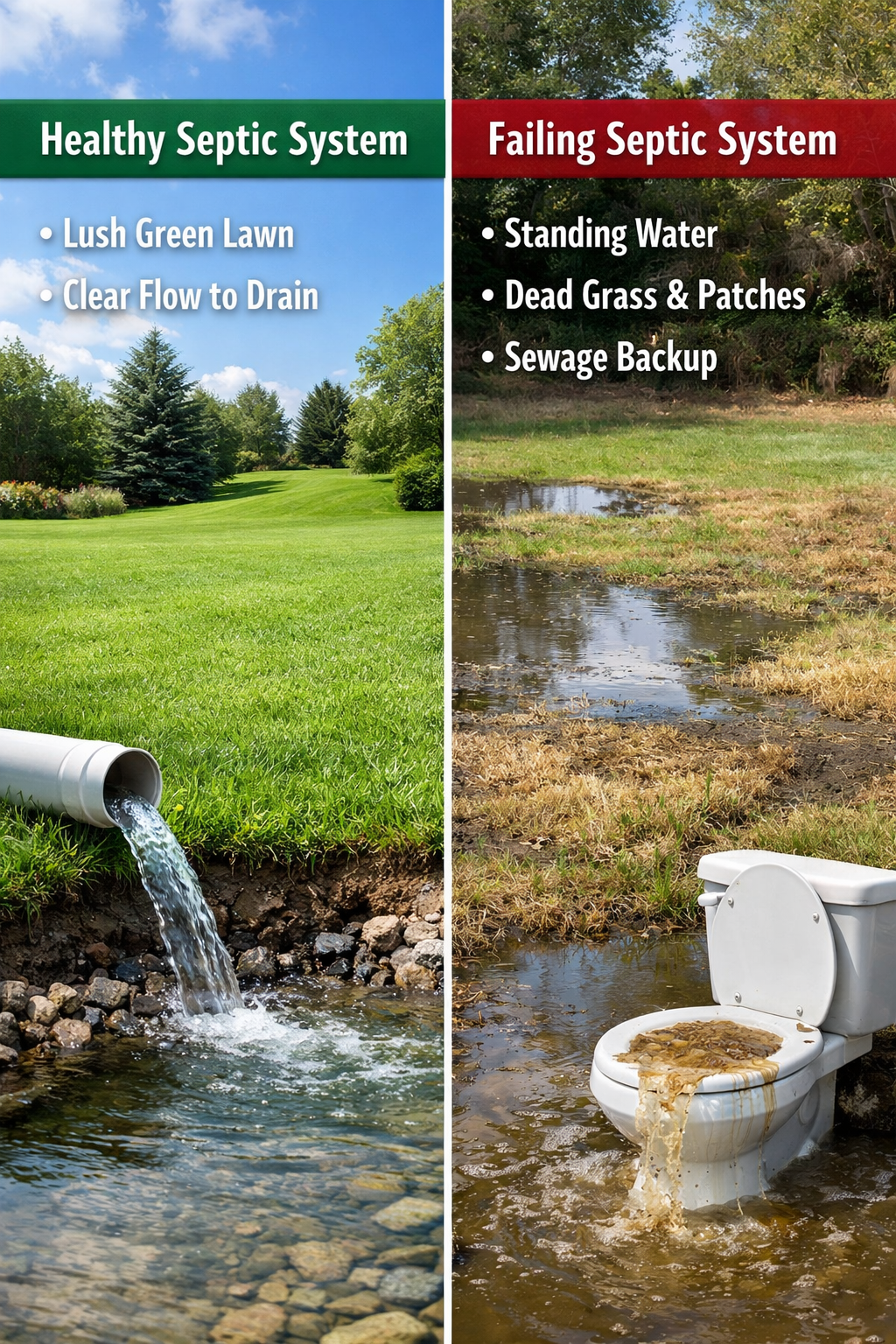
- Standing water or soggy ground near the tank or drain field
- Toilets backing up or gurgling sounds from drains
Schedule professional inspection for:
- Lush, green grass over the drain field during dry periods
- Water pooling on the ground after heavy rains
- High nitrate levels in well water (if you have a private well)
Monthly monitoring tasks:
- Check all drains for slow drainage
- Listen for unusual sounds from plumbing
- Walk your drain field area looking for wet spots
- Note any changes in grass growth patterns
Professional inspections every 1-3 years catch problems early. Alternative systems with mechanical parts need annual inspections. Keep records of all inspections, pumping dates, and repairs for warranty purposes and property resale.
Learn more about recognizing signs your septic tank needs maintenance to stay ahead of potential problems.
What Should You Avoid to Protect Your Septic System?
Protecting your septic system means avoiding substances and practices that disrupt bacterial balance or damage system components. These prevention strategies are far less expensive than emergency repairs.
Never use these products:
- Caustic drain cleaners – use boiling water or drain snakes instead
- Antibacterial soaps in excess – they kill beneficial bacteria
- Commercial septic additives – unnecessary and potentially harmful
- Bleach-based cleaners daily – occasional use is acceptable
Protect your drain field:
- Never drive vehicles over the tank or drain field
- Don’t build structures or plant trees over the system
- Divert roof gutters and irrigation away from the drain field
- Avoid digging without knowing exact system location
Garbage disposal guidelines:
Garbage disposals add up to 50% more solids to septic tanks, requiring more frequent pumping. If you must use one, run cold water during and after use, and grind only small amounts of soft food waste.
Chemical alternatives:
- Use enzyme-based cleaners instead of harsh chemicals
- Choose biodegradable soaps and detergents
- Clean with vinegar and baking soda when possible
Understanding how your septic system works helps you make better decisions about what to avoid.
How Do You Handle Seasonal Septic Maintenance?
Seasonal maintenance keeps your septic system functioning through weather extremes and varying usage patterns. Each season brings specific challenges that proactive homeowners can address.
Winter preparation:
- Insulate exposed pipes to prevent freezing
- Maintain moderate water usage to keep system active
- Never use antifreeze in drains – it kills beneficial bacteria
- Keep snow cover over the drain field for natural insulation
Spring inspection tasks:
- Check for frost damage to pipes or tank components
- Look for settling or shifting around the tank area
- Schedule annual professional inspection
- Test well water if you have a private well
Summer considerations:
- Conserve water during dry periods to prevent system overload
- Monitor drain field for signs of stress from heat
- Avoid heavy lawn equipment over the system during dry soil conditions
Fall maintenance:
- Pump before winter if you’re due for service
- Clear gutters to prevent water from overwhelming the drain field
- Rake leaves away from the tank and drain field area
For comprehensive year-round care, our complete septic tank maintenance checklist provides detailed seasonal tasks.
What Are the Long-Term Benefits of Proper Septic Maintenance?
Consistent septic maintenance delivers significant financial and environmental benefits that compound over time. Well-maintained systems last 20-30 years compared to 10-15 years for neglected ones.
Financial advantages:
- Avoid emergency repairs costing $3,000-$10,000
- Maintain property value – functioning septic adds value, failed systems reduce it
- Lower insurance claims and potential liability issues
- Predictable maintenance costs vs. surprise major expenses
Environmental protection:
- Protect groundwater from contamination
- Preserve local water sources including wells and streams
- Maintain soil health in your drain field area
- Reduce environmental cleanup liability
System performance benefits:
- Consistent waste processing without backups or odors
- Optimal bacterial balance for efficient waste breakdown
- Extended component lifespan for tanks, pipes, and drain fields
- Better resale documentation with maintenance records
Health and safety advantages:
- Prevent sewage backups into your home
- Eliminate health hazards from contaminated water
- Maintain safe outdoor spaces free from sewage exposure
Regular maintenance following best septic tank practices ensures these long-term benefits while avoiding costly system replacement.
Helpful Resource for Simple Septic Care
If you want a straightforward way to support your septic system between professional services, Septifix tablets offer a convenient monthly maintenance solution. These tablets help break down waste, reduce unpleasant odors, and maintain the bacterial balance your septic system needs to function properly.
With just one tablet flushed monthly, you can help prevent blockages and support your system’s natural waste processing. While not a replacement for regular pumping and professional maintenance, Septifix provides an easy way to be proactive about septic care.
FAQ
How much does septic tank pumping cost?
Septic tank pumping typically costs $200-$500 depending on tank size, location, and local rates. This cost is minimal compared to system replacement expenses of $3,000-$10,000.
Can I pump my own septic tank?
No, septic tank pumping requires specialized equipment and proper waste disposal permits. DIY pumping also exposes you to dangerous gases and health hazards that professionals are trained to handle safely.
How do I find my septic tank location?
Check your home’s original building permits, look for a rectangular depression in your yard, or follow the main sewer line from your house. Metal detectors can locate metal tank components if other methods fail.
What happens if I skip regular pumping?
Skipping pumping leads to tank overflow, sewage backups, drain field failure, and potentially complete system replacement. Regular pumping prevents these expensive emergency situations.
Are septic tank additives necessary?
No, commercial septic tank additives are unnecessary and potentially harmful. Your septic system naturally contains the bacteria needed for waste breakdown without artificial supplements.
How long do septic systems last?
Well-maintained septic systems last 20-30 years. Neglected systems may fail in 10-15 years, requiring expensive replacement or major repairs.
Can I use bleach with a septic system?
Occasional bleach use is acceptable, but daily use kills beneficial bacteria. Choose enzyme-based cleaners when possible and use bleach sparingly.
What should I do if my septic system backs up?
Stop using water immediately, call a septic professional, and avoid using chemical drain cleaners. Backups indicate serious problems requiring professional diagnosis and repair.
How much water can my septic system handle?
Most residential septic systems handle 150-300 gallons per day. Spread water usage throughout the week and avoid doing multiple loads of laundry in one day.
Do I need special toilet paper for septic systems?
Regular toilet paper is fine, but choose brands that break down easily. Avoid thick, quilted papers and never flush “flushable” wipes, which don’t break down properly.
Can I plant over my drain field?
Plant only grass over your drain field. Trees and shrubs have roots that can damage pipes, and their water uptake can interfere with proper drainage.
How do I maintain my septic system in winter?
Keep moderate water flowing to prevent freezing, insulate exposed pipes, maintain snow cover for insulation, and never use antifreeze in drains.
Conclusion
Maintaining a septic tank system successfully requires consistent attention to three key areas: regular professional service, daily care practices, and proactive problem prevention. By pumping every 3-5 years, scheduling inspections every 1-3 years, and following proper usage guidelines, you’ll protect your investment and avoid costly emergency repairs.
Start with the basics: monitor what goes down your drains, conserve water, and watch for warning signs like slow drains or unusual odors. Keep detailed maintenance records and establish relationships with qualified septic professionals in your area.
Remember that septic maintenance is far less expensive than septic replacement. A well-maintained system serves your family reliably for decades while protecting your property value and local environment. Take action today by scheduling your next inspection if you’re due, and commit to the daily practices that keep your septic system healthy year-round.
References
[1] Septic Tanks Preventative Routine Maintenance – https://des.sc.gov/permits-regulations/septic-tanks/homeowner-resources/septic-tanks-preventative-routine-maintenance