How to Tell If Septic Tank Is Full: A Complete Homeowner’s Guide

Picture this: you’re enjoying a peaceful Sunday morning when suddenly your toilet starts backing up, strange odors waft through your bathroom, and water drains slower than molasses. If you rely on a septic system, these warning signs might indicate it’s time to learn how to tell if septic tank is full. As a homeowner who’s dealt with septic systems for over a decade, I can tell you that recognizing these early warning signs can save you thousands of dollars in emergency repairs and protect your family’s health.
Understanding when your septic tank needs attention isn’t just about convenience—it’s about preventing costly disasters and maintaining your property value. In 2026, with rising costs for septic repairs and environmental regulations becoming stricter, knowing how to monitor your system has never been more important.
Key Takeaways
- A “full” septic tank refers to excessive sludge and scum buildup, not liquid levels – properly functioning tanks are always full of liquid
- Visual inspection using the DIY stick method can help you measure sludge levels and determine if pumping is needed
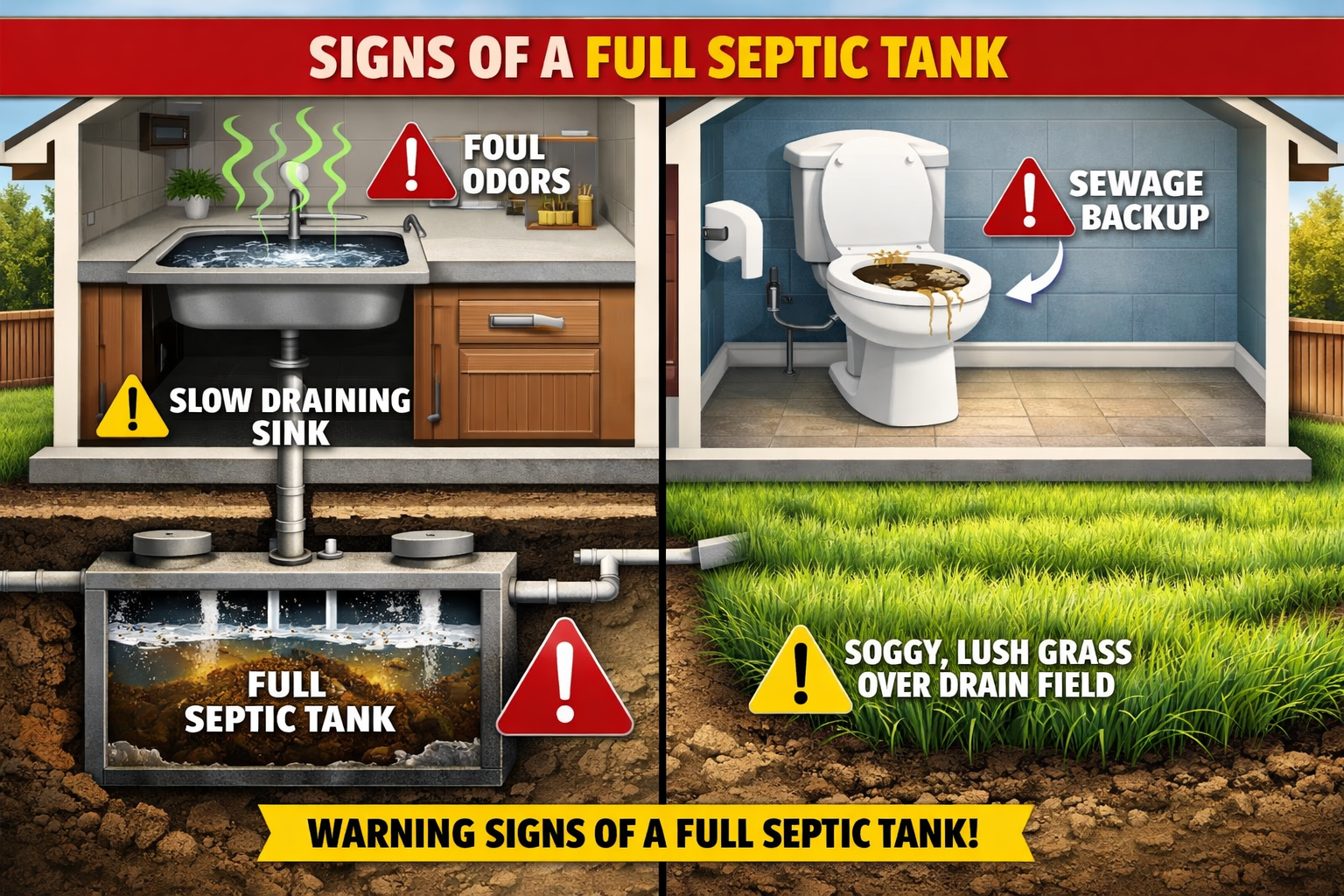
- Warning signs include slow drainage, foul odors, sewage backups, and unusually lush grass over the drain field
- Professional pumping is typically needed when sludge and scum reach 20-30% of total tank volume
- Regular inspections and preventive maintenance can extend the time between pumpings and prevent system failure
Understanding How Septic Tanks Work
Before diving into how to tell if septic tank is full, it’s crucial to understand what “full” actually means. Many homeowners mistakenly think an empty septic tank is ideal, but a properly functioning septic tank is always full with liquid. When we talk about a “full” tank, we’re referring to excessive accumulation of solid waste materials.
The Three Layers of Septic Waste
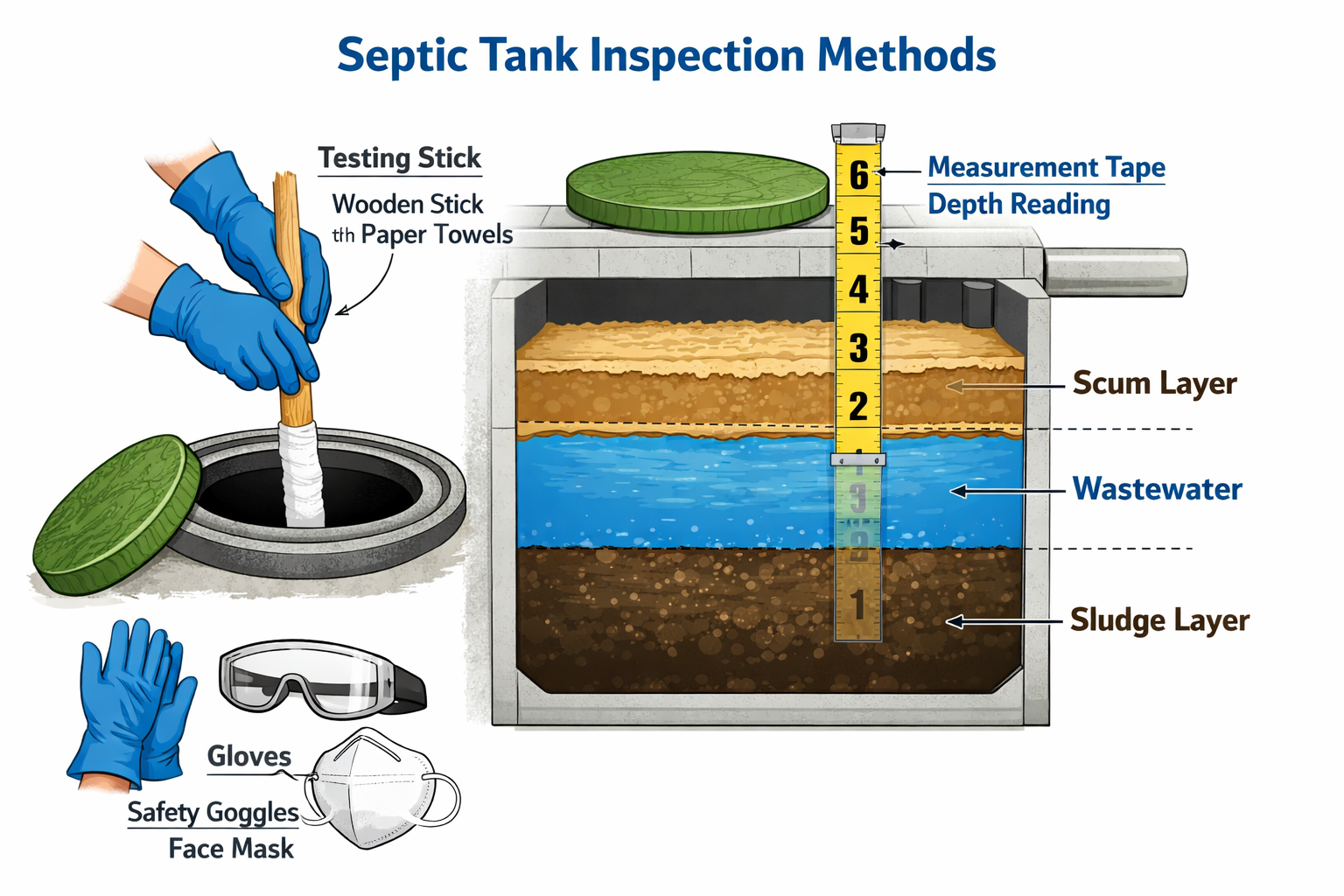
Your septic tank contains three distinct layers that work together to treat wastewater:
-
Scum Layer (Top) 🌊
- Fats, oils, grease, and floating debris
- Forms a protective barrier on the surface
-
Wastewater Layer (Middle) 💧
- Clear liquid sewage being processed
- Contains beneficial bacteria that break down waste
-
Sludge Layer (Bottom) 🏔️
- Heavy solids that sink to the bottom
- Accumulates over time and requires periodic removal
When Is a Tank Considered “Full”?
The standard pumping threshold is 20-30% of total tank volume in combined sludge and scum. For example, if you have a tank that’s 4 feet deep, you’ll need pumping when the sludge and scum layers reach 8 inches to 1 foot 2 inches combined.
This scientific approach helps prevent system overload while maximizing the time between expensive pumping services. For more detailed information about septic system maintenance, check out our comprehensive septic care resources.
Warning Signs Your Septic Tank Needs Attention
Recognizing the early warning signs of how to tell if septic tank is full can prevent emergency situations and costly repairs. Here are the most reliable indicators that your system needs professional attention.
🚨 Immediate Red Flags
Sewage Backups are the most serious warning sign and require immediate professional attention. If you notice:
- Raw sewage backing up into toilets, sinks, or bathtubs
- Dark water with solid waste particles
- Multiple drains backing up simultaneously
Stop using water immediately and contact a septic professional. Sewage backups pose serious health hazards and indicate your system is completely overwhelmed.
🐌 Slow Drainage Throughout Your Home
When multiple fixtures drain slowly, it’s often a sign that your septic tank can’t handle the incoming wastewater volume[2]. Look for:
- Kitchen sinks taking longer to empty
- Bathroom drains gurgling or bubbling
- Washing machine water backing up into utility sinks
- Showers draining sluggishly
Pro tip: If only one drain is slow, it’s likely a localized clog rather than a septic issue.
👃 Unpleasant Odors
Foul odors around your septic system indicate gases escaping from an overloaded tank. These smells typically occur:
- Near the septic tank location
- Around drain field areas
- Inside your home near plumbing fixtures
- In your yard during humid weather
The odors often smell like rotten eggs or raw sewage and become stronger during warm, humid conditions when gases rise more readily.
🌱 Unusually Lush Grass Over the Drain Field
Lush green grass over the drain field may seem like a good thing, but it often indicates wastewater leakage. Healthy drain fields should have grass that matches the surrounding lawn. Watch for:
- Patches of extremely green, thick grass
- Areas that stay wet longer after rain
- Grass growing faster in specific zones
- Spongy or soggy ground above the drain field
This occurs because escaping wastewater acts as fertilizer, but it also signals that your system isn’t properly containing waste.
FYI: Some links may be affiliate links, which means I may earn a small commission at no extra cost to you.
While monitoring these warning signs, maintaining your septic system’s bacterial balance is crucial for proper waste breakdown. Septifix tablets can help keep your septic system clean and efficient by supporting the natural bacterial processes that break down waste and reduce buildup. These easy-to-use treatments aren’t a replacement for proper maintenance, but they can help extend the time between pumpings when used as part of a comprehensive care routine.
DIY Methods to Check Your Septic Tank Level
Learning how to tell if septic tank is full through hands-on inspection can save you money and help you make informed decisions about maintenance timing. Here are proven methods for safely assessing your septic tank’s condition.
The Stick Method: A Reliable DIY Approach
The DIY stick method is the most accessible way for homeowners to measure sludge levels. Here’s how to do it safely:
What You’ll Need:
- Long wooden stick (6-8 feet)
- White paper towels or cloth strips
- Rubber tape or zip ties
- Protective gloves
- Flashlight or headlamp
- Measuring tape
Step-by-Step Process:
- Locate the inlet riser (closest to your home)
- Wrap the stick with white paper towels, securing with tape
- Insert the stick slowly until it reaches the tank bottom
- Hold for 2-3 minutes to allow materials to adhere
- Remove carefully and examine the markings
Reading Your Results:
- Dark, thick material = sludge layer depth
- Clear wet area = liquid wastewater zone
- Greasy residue = scum layer indication
Compare your sludge depth measurement to your tank’s specifications. Most tanks need pumping when sludge reaches 1/3 of the total depth.
Verifying Correct Access Point
To ensure you’re accessing the right location, have someone flush a toilet or run water while you observe the tank. You should see fresh wastewater flowing into the inlet side, confirming you’re in the correct position for accurate measurements.
Safety Considerations for DIY Inspection
Never enter or lean over an open septic tank. The gases can be deadly, and the structure may not support your weight. Always:
- Work with a partner who stays outside
- Avoid smoking or open flames near the tank
- Wash hands thoroughly after inspection
- Replace tank covers immediately after testing
Professional SV30 Test for Advanced Assessment
For more precise measurements, professionals use the SV30 test method. This involves:
- Taking a sludge sample in a measuring cylinder
- Allowing it to settle for 30 minutes
- Calculating the settled volume percentage
While this method provides more accurate results, the stick method gives homeowners sufficient information for basic maintenance planning.
If you’re uncomfortable performing these inspections yourself, our septic care experts can provide professional assessment services and help you develop a maintenance schedule that fits your system’s specific needs.
Professional Assessment vs. DIY Inspection
Understanding when to handle septic tank assessment yourself versus calling professionals can save you money while ensuring your family’s safety. Let me break down the two primary assessment methods available to homeowners.
When DIY Inspection Makes Sense
DIY inspection is appropriate for routine monitoring between professional services. Consider the stick method when:
- You want to track sludge accumulation trends
- It’s been 1-2 years since your last pumping
- You’re experiencing minor drainage slowdowns
- You want to verify if pumping can be delayed
Benefits of DIY Assessment:
- Cost-effective monitoring between professional visits
- Immediate results without scheduling delays
- Better understanding of your system’s patterns
- Early detection of potential issues
When to Call the Professionals
Professional assessment becomes essential when safety or accuracy concerns arise. Contact septic experts for:
🚨 Emergency Situations
- Sewage backups in your home
- Strong sewage odors that persist
- Standing water over the drain field
- Multiple plumbing fixtures backing up simultaneously
🔍 Comprehensive System Evaluation
Annual septic system inspections are recommended by professionals to prevent system failure and maintain property value[9]. Professional inspections include:
- Complete system assessment including tank, pipes, and drain field
- Bacterial balance testing to ensure proper waste breakdown
- Structural integrity checks for cracks or damage
- Compliance verification with local health department regulations
🛠️ Technical Expertise Required
Professionals bring specialized equipment and knowledge:
| Professional Tools | DIY Limitations |
|---|---|
| Camera inspection equipment | Visual assessment only |
| Precise measuring instruments | Approximate stick measurements |
| Bacterial testing capabilities | No biological analysis |
| Pump truck for immediate service | Cannot remove waste |
Cost Considerations
Professional inspection costs typically range from $200-$400, while emergency pumping services can cost $800-$1,500 or more. Regular DIY monitoring helps you:
- Schedule pumping during off-peak seasons for better rates
- Avoid emergency service premiums
- Extend time between professional visits through better maintenance
Making the Right Choice
The most effective approach combines both methods:
- Use DIY inspection for regular monitoring (every 6-12 months)
- Schedule professional assessment annually or when DIY results indicate concerns
- Call immediately for any emergency warning signs
This hybrid approach maximizes cost savings while ensuring system reliability. For additional guidance on creating a maintenance schedule that works for your specific situation, explore our frequently asked questions section.
Remember, professional pumping services not only remove accumulated waste but also provide valuable system health insights that DIY methods cannot match. The investment in professional assessment often pays for itself by preventing costly emergency repairs.
Preventive Measures and Maintenance Tips
Preventing septic tank problems is far more cost-effective than dealing with emergency repairs. By implementing smart preventive measures, you can significantly extend the time between pumpings and keep your system running efficiently.
Water Conservation Strategies
Reducing water usage is one of the most effective ways to prevent septic overload. Here are practical approaches:
🚿 Bathroom Water-Saving Tips
- Install low-flow toilets and showerheads
- Fix leaky faucets and running toilets immediately
- Take shorter showers (aim for 5 minutes or less)
- Only run dishwashers and washing machines with full loads
🧺 Laundry Best Practices
- Spread laundry loads throughout the week
- Use high-efficiency washing machines when possible
- Choose liquid detergents over powder (less likely to clog)
- Avoid bleach and fabric softeners that can kill beneficial bacteria
What Never to Flush or Pour Down Drains
Avoiding harmful items protects your septic system’s bacterial balance and prevents clogs:
❌ Never Flush These Items:
- Feminine hygiene products
- Diapers and baby wipes
- Cat litter (even “flushable” types)
- Cigarette butts
- Dental floss and hair
- Medications or chemicals
❌ Keep These Out of Your Drains:
- Cooking grease and oils
- Coffee grounds
- Paint and solvents
- Harsh cleaning chemicals
- Antibacterial soaps (kill beneficial bacteria)
Maintaining Beneficial Bacteria
Your septic system relies on beneficial bacteria to break down waste effectively. Support these microorganisms by:
- Using septic-safe cleaning products
- Avoiding antibacterial soaps and cleaners
- Limiting garbage disposal use
- Never pouring household chemicals down drains
Regular Maintenance Schedule
Create a maintenance calendar to stay on top of septic care:
| Frequency | Task | Purpose |
|---|---|---|
| Monthly | Visual inspection of drain field | Early problem detection |
| Quarterly | DIY sludge level check | Monitor accumulation rates |
| Annually | Professional system inspection | Comprehensive health assessment |
| Every 3-5 years | Professional pumping | Remove accumulated solids |
Helpful Maintenance Tools
Septifix tablets can keep your septic system clean and efficient by supporting the natural bacterial processes essential for waste breakdown. These treatments help maintain optimal bacterial balance, reduce odors, and can help prevent the buildup that leads to premature pumping needs. While not a substitute for proper pumping when needed, they’re a valuable addition to your preventive maintenance routine.
Drain Field Protection
Protect your drain field to ensure proper wastewater filtration:
- Never park vehicles or place heavy objects over the drain field
- Avoid planting trees near septic components (roots can damage pipes)
- Direct roof drains and surface water away from the system
- Keep the area accessible for inspections and maintenance
Seasonal Considerations
Adjust your maintenance based on seasonal factors:
Winter Preparations:
- Insulate exposed pipes in cold climates
- Avoid using additives that claim to prevent freezing
- Continue regular water usage to prevent system freezing
Spring Inspections:
- Check for winter damage after snow melts
- Inspect drain field for standing water
- Schedule professional inspection if you notice issues
For more detailed maintenance guidance and seasonal tips, visit our comprehensive blog where we regularly share expert advice on septic system care.
By following these preventive measures consistently, most homeowners can extend their pumping intervals and avoid the stress and expense of emergency septic repairs. Remember, small investments in prevention often save thousands in repair costs down the road.
When to Call a Professional
Knowing when to transition from DIY monitoring to professional intervention is crucial for protecting your septic system and your family’s health. Some situations require immediate expert attention, while others benefit from professional expertise even when not urgent.
Emergency Situations Requiring Immediate Action
Call a septic professional immediately if you experience any of these critical warning signs:
🚨 Health and Safety Emergencies
- Raw sewage backup into your home through toilets, sinks, or floor drains
- Strong sewage odors inside your house that persist after checking obvious sources
- Standing wastewater visible around your septic tank or drain field
- Multiple fixtures backing up simultaneously throughout your home
These situations pose serious health hazards and can cause extensive property damage if not addressed promptly[5]. Don’t attempt DIY fixes when sewage is involved—the risk to your family’s health isn’t worth the potential savings.
💧 System Failure Indicators
- Complete drainage stoppage throughout your home
- Gurgling sounds from multiple drains when others are used
- Toilet water levels rising when other fixtures are used
- Wet, soggy areas over your drain field that don’t dry out
Routine Professional Services
Even when your system seems to be functioning well, professional services provide value that DIY methods cannot match:
Annual Inspections
Professional inspections should be scheduled annually to maintain system health. These comprehensive evaluations include:
- Structural assessment of tank walls, baffles, and inlet/outlet pipes
- Bacterial balance testing to ensure proper waste decomposition
- Drain field evaluation for signs of failure or overload
- Compliance verification with local health department requirements
Pumping Services
Professional pumping becomes necessary when your DIY assessments indicate sludge levels have reached 20-30% of tank capacity. Professional pumping services offer:
- Complete waste removal using specialized vacuum trucks
- Tank interior cleaning that removes stubborn buildup
- System inspection during the pumping process
- Proper waste disposal at licensed treatment facilities
Questions to Ask Potential Service Providers
When selecting a septic professional, ask these important questions:
📋 Licensing and Insurance
- “Are you licensed for septic work in our area?”
- “Do you carry liability insurance and worker’s compensation?”
- “Can you provide local references from recent customers?”
🔧 Service Scope
- “What does your inspection include?”
- “Do you provide written reports with recommendations?”
- “What’s your policy for emergency calls?”
- “Do you offer maintenance programs or follow-up services?”
💰 Pricing and Timing
- “What’s included in your base price?”
- “Are there additional charges for difficult access or extra waste?”
- “How far in advance do I need to schedule service?”
- “Do you offer discounts for regular maintenance customers?”
Building a Relationship with Your Septic Professional
Establishing a long-term relationship with a reliable septic service provider offers several advantages:
- Consistent service quality from technicians familiar with your system
- Historical records of your tank’s performance and maintenance needs
- Priority scheduling for both routine and emergency services
- Personalized recommendations based on your system’s specific characteristics
Red Flags When Choosing Service Providers
Avoid septic companies that exhibit these warning signs:
- Door-to-door solicitation or high-pressure sales tactics
- Quotes significantly higher or lower than local averages
- Inability to provide proper licensing or insurance documentation
- Recommendations for expensive repairs without thorough inspection
- Pressure to use unnecessary additives or treatments
Cost-Effective Professional Services
Maximize value from professional services by:
- Scheduling routine maintenance during off-peak seasons
- Bundling inspection and pumping services when appropriate
- Joining maintenance programs that offer discounted rates
- Addressing small issues before they become expensive emergencies
For help connecting with qualified septic professionals in your area, or if you have questions about when to seek professional help, don’t hesitate to contact our septic care team for guidance.
Remember, investing in professional services at the right time protects your property value and prevents the much higher costs associated with system failure or environmental contamination.
Helpful Resources for Septic System Maintenance
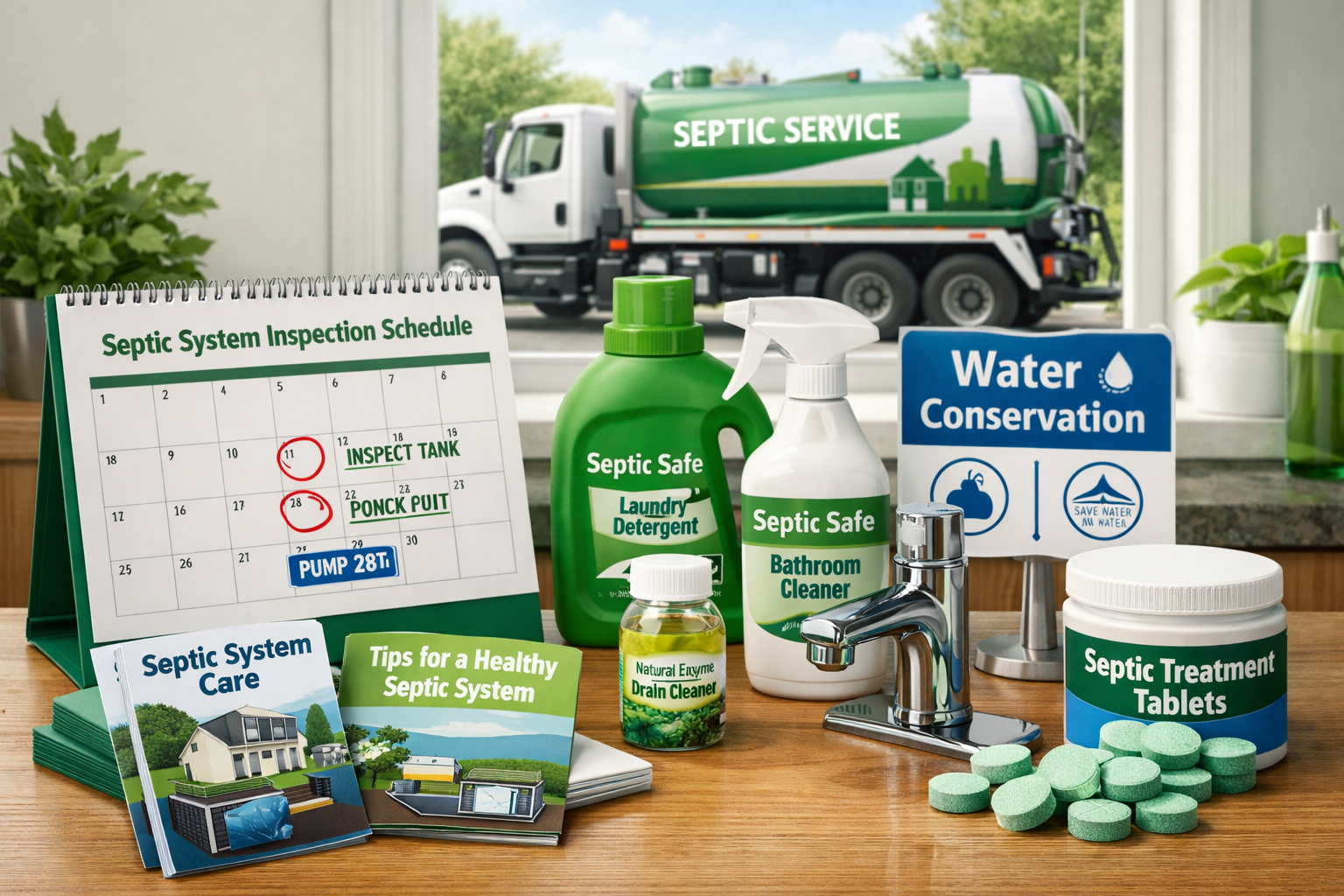
Maintaining a septic system effectively requires ongoing education and the right tools. Whether you’re a new homeowner learning the basics or an experienced property manager looking to optimize your maintenance routine, having access to quality resources makes all the difference.
Essential Maintenance Tools and Products
Keeping your septic system running smoothly often comes down to using the right products and maintaining proper bacterial balance. Here are some practical tools that can help:
For Regular Maintenance
- Septic-safe toilet paper that breaks down quickly
- Biodegradable cleaning products that won’t harm beneficial bacteria
- Water-saving fixtures to reduce system load
- Septic system treatment products for ongoing care
If you want something simple to support your septic system’s health, Septifix tablets offer an easy way to maintain proper bacterial balance and reduce waste buildup. These tablets work by supporting the natural processes that break down waste, helping extend the time between pumpings and keeping your system running efficiently with minimal effort.
Monitoring Equipment
- Long wooden sticks for DIY sludge level testing
- Measuring tape for accurate depth measurements
- Protective gloves for safe handling during inspections
- Flashlight or headlamp for tank access visibility
Educational Resources and Ongoing Learning
Staying informed about septic system care helps you make better maintenance decisions:
Professional Organizations
- National Association of Wastewater Technicians (NAWT)
- Water Environment Federation (WEF)
- National Onsite Wastewater Recycling Association (NOWRA)
These organizations provide industry standards, best practices, and continuing education for both professionals and homeowners interested in advanced septic system knowledge.
Local Resources
- County health departments often provide septic system guidelines specific to your area
- Extension services offer educational programs and publications
- Local septic professionals can provide system-specific advice and maintenance schedules
Record Keeping and Documentation
Maintaining detailed records helps you track your system’s performance and can be valuable for:
What to Document:
- Pumping dates and service provider information
- DIY inspection results and sludge level measurements
- Any problems or repairs with dates and solutions
- Water usage patterns and any changes to household size
Benefits of Good Records:
- Optimize pumping schedules based on actual accumulation rates
- Identify patterns that might indicate developing problems
- Provide valuable information to service technicians
- Support warranty claims or insurance issues if needed
Creating Your Maintenance Action Plan
Develop a personalized maintenance strategy based on your specific system and household needs:
Step 1: Know Your System
- Locate your septic tank and drain field
- Understand your tank size and design
- Identify access points for inspections
- Learn your local regulations and requirements
Step 2: Establish Monitoring Routine
- Schedule quarterly DIY inspections
- Track water usage and household changes
- Monitor drain field condition seasonally
- Document any warning signs or changes
Step 3: Build Professional Relationships
- Research and vet local septic service providers
- Schedule annual professional inspections
- Develop emergency contact procedures
- Join maintenance programs if available
Step 4: Implement Preventive Measures
- Use septic-safe products consistently
- Manage water usage effectively
- Protect drain field from damage
- Maintain beneficial bacterial balance
For additional guidance on implementing these strategies and accessing more detailed maintenance resources, explore our comprehensive septic care resources section.
Remember: The most expensive septic problems are usually preventable with proper monitoring, regular maintenance, and timely professional intervention. Investing in education and the right tools today can save you thousands in emergency repairs tomorrow.
Conclusion
Learning how to tell if septic tank is full empowers you to protect one of your home’s most critical systems while avoiding costly emergency repairs. Throughout this guide, we’ve covered the essential warning signs—from slow drainage and foul odors to sewage backups and unusually lush grass over your drain field. Remember that a “full” septic tank refers to excessive sludge and scum buildup, not liquid levels, since properly functioning tanks are always full of liquid.
The DIY stick method provides a reliable way to monitor sludge accumulation between professional services, helping you make informed decisions about pumping timing. When combined with preventive measures like water conservation and avoiding harmful substances, regular monitoring can significantly extend the time between expensive pumping services.
Take action today by implementing these key steps:
- Locate your septic system components and learn how to access them safely
- Establish a monitoring routine using the DIY inspection methods outlined in this guide
- Schedule annual professional inspections to catch problems before they become emergencies
- Implement water conservation strategies and use only septic-safe products
- Keep detailed records of inspections, pumping dates, and any system changes
Don’t wait for warning signs to appear—proactive septic system maintenance protects your family’s health, preserves your property value, and saves you thousands in potential repair costs. If you notice any of the emergency warning signs we discussed, contact a septic professional immediately rather than attempting DIY repairs.
For ongoing support and additional resources to help you maintain your septic system effectively, visit our septic care website where you’ll find expert guidance tailored to your specific needs.
References
[1] Watch – https://www.youtube.com/watch?v=LAr4fcth0kI
[2] How To Tell Your Septic Tank Is Full – https://www.wrenvironmental.com/blog/2025/april/how-to-tell-your-septic-tank-is-full/
[3] How To Check If Your Septic Tank Is Full Signs Solutions And Preventive Measures – https://wini.com/articles/how-to-check-if-your-septic-tank-is-full-signs-solutions-and-preventive-measures/
[4] Septic Tank Full – https://www.adt.com/resources/septic-tank-full
[5] How To Check If Your Septic Tank Is Full – https://www.guardianangelinspections.com/how-to-check-if-your-septic-tank-is-full
[6] Septic System Types – https://www.premiertechaqua.com/en-us/blog/septic-system-types
[7] 12 Ways To Tell If Your Septic Tank Needs To Be Pumped – https://www.septiccleaningwestpalmbeach.com/12-ways-to-tell-if-your-septic-tank-needs-to-be-pumped
[8] Septic Tank Level Indicator – https://www.blueribbonseptic.com/blog/septic-tank-level-indicator
[9] Inspecting Septic Systems – https://www.nachi.org/inspecting-septic-systems.htm
[10] Septic Systems And Your Drinking Water – https://mytapscore.com/blogs/tips-for-taps/septic-systems-and-your-drinking-water