Last updated: February 24, 2026
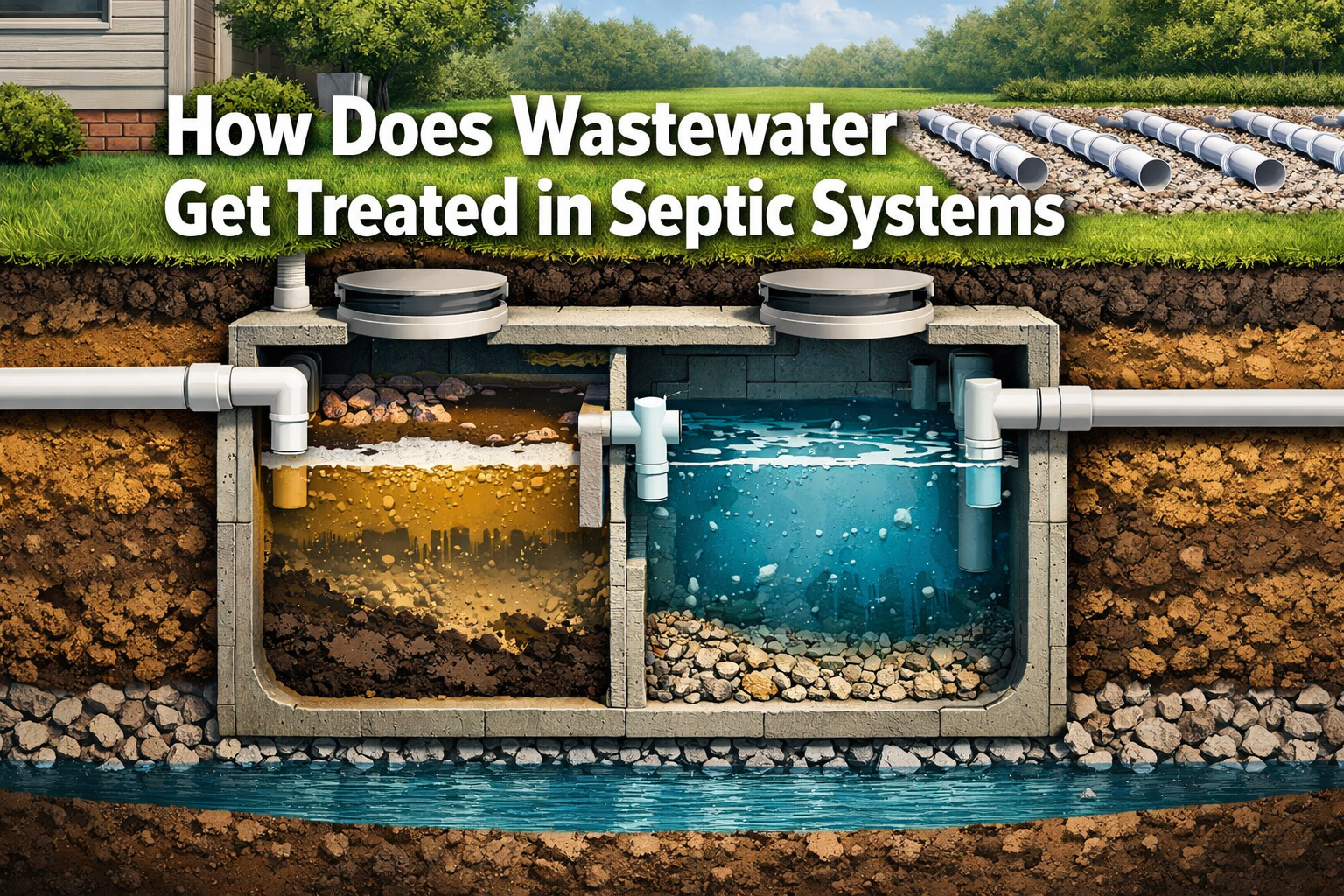
Your septic system quietly handles thousands of gallons of wastewater each year, but understanding how does wastewater get treated in septic systems can save you from costly repairs and environmental problems. This natural treatment process relies on bacteria, gravity, and soil filtration to transform household waste into clean water that safely returns to the groundwater supply.
Key Takeaways
• Septic treatment happens in three stages: initial settling in the tank, bacterial breakdown of organic matter, and soil filtration in the drain field
• Bacteria do most of the work – anaerobic bacteria in the tank break down solids while aerobic bacteria in soil provide final cleaning
• The process takes 24-72 hours from when wastewater enters your tank until treated water reaches groundwater
• Proper maintenance is essential – pumping every 3-5 years prevents system failure and protects water quality
• Modern systems can remove 85-99% of contaminants when functioning correctly
• Enhanced systems now target specific pollutants like nitrogen and phosphorus for stricter environmental standards
• Smart monitoring technology helps detect problems early and optimize treatment performance
Quick Answer
Wastewater treatment in septic systems occurs through a three-step biological and physical process. First, solids settle and separate in the septic tank while bacteria break down organic matter. Second, partially treated water flows to the drain field where soil acts as a natural filter. Finally, beneficial bacteria in the soil remove remaining contaminants before clean water reaches the groundwater. This entire process typically takes 1-3 days and can remove up to 99% of harmful bacteria and pollutants when the system functions properly.
What Happens When Wastewater Enters Your Septic Tank?
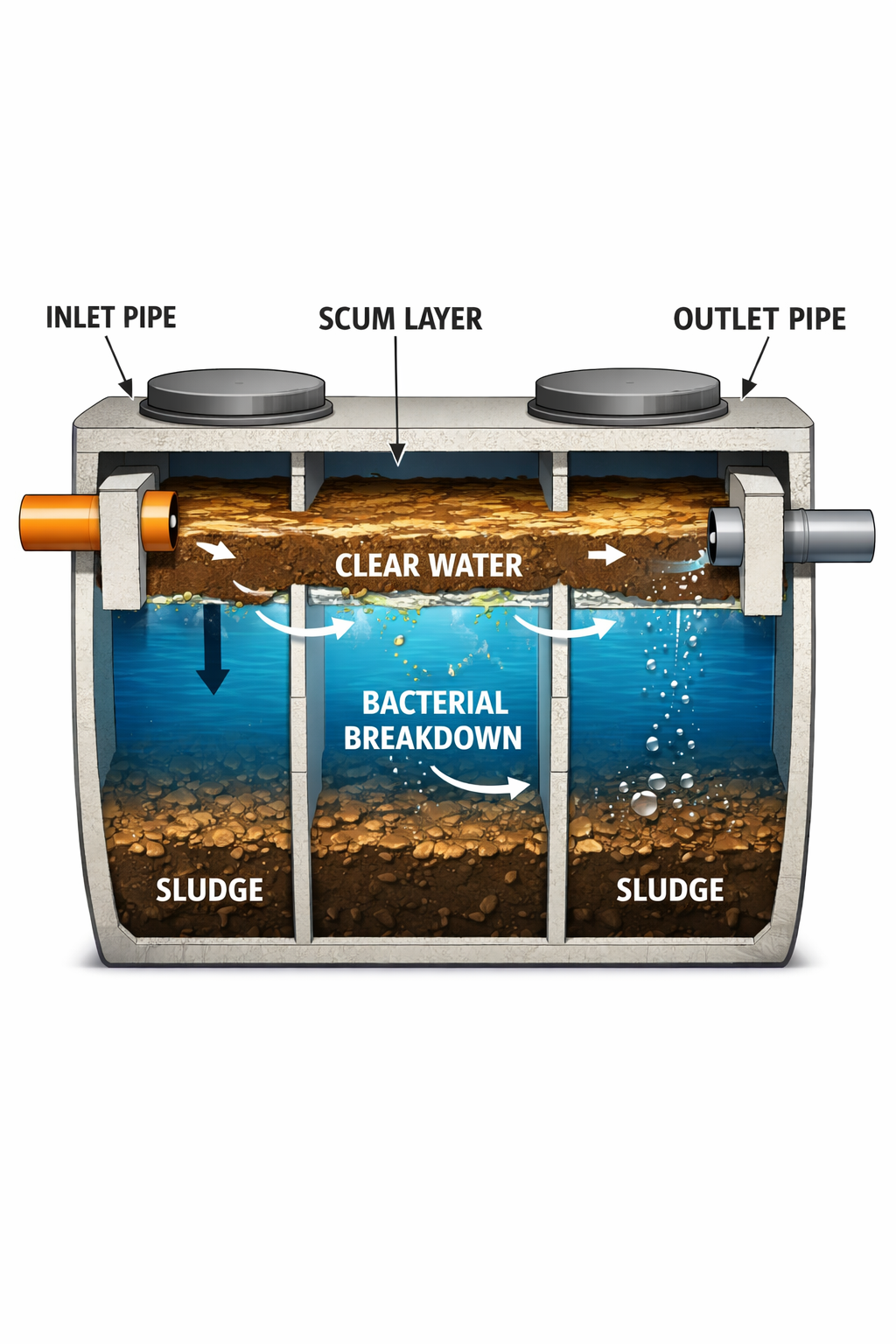
Wastewater treatment begins the moment water from your toilets, sinks, and showers enters the septic tank. The tank immediately starts separating waste into three distinct layers through gravity and natural settling processes.
The Three-Layer System
When wastewater enters your tank, it naturally separates into:
• Scum layer (top) – Oils, grease, and floating debris that’s lighter than water
• Effluent zone (middle) – Clarified liquid that will eventually flow to the drain field
• Sludge layer (bottom) – Heavy solids, organic matter, and settled particles
This separation happens because different materials have different densities. Lighter materials float while heavier particles sink, creating distinct treatment zones within your tank.
Bacterial Breakdown Process
Anaerobic bacteria (bacteria that don’t need oxygen) immediately begin breaking down organic matter in the sludge layer. These beneficial microorganisms digest proteins, fats, and other organic compounds, converting them into simpler substances like water, carbon dioxide, and methane.
The middle effluent zone remains relatively clear because most solids have either floated or settled. This clarified water contains dissolved nutrients and some remaining bacteria, but it’s significantly cleaner than the raw wastewater that entered the tank.
Common mistake: Many homeowners think septic tanks completely clean wastewater. In reality, the tank only provides primary treatment – about 40-60% of the total cleaning process happens here. The remaining treatment occurs in your drain field and soil system.
How Does the Septic Tank Treatment Process Work?
The septic tank treatment process relies on retention time and bacterial action to break down waste effectively. Most residential tanks hold wastewater for 24-48 hours, giving bacteria enough time to digest organic matter while allowing proper separation of materials.
Retention Time and Flow Control
Your septic tank is sized to hold approximately 1-3 days’ worth of wastewater from your household. This retention time is critical because:
• Bacteria need time to break down organic compounds
• Solids must settle completely to prevent clogging the drain field
• Oils and grease require time to separate and float to the surface
The tank’s inlet and outlet baffles control water flow, preventing turbulence that could disturb the settled layers. Water enters near the top and exits from the middle zone, ensuring only partially treated effluent moves to the next stage.
Biological Treatment Process
Inside your tank, billions of anaerobic bacteria work continuously to decompose organic waste. This biological treatment:
• Breaks down proteins into amino acids and simple compounds
• Converts fats and oils into fatty acids and glycerol
• Reduces solid waste volume by 40-60%
• Produces biogas (methane and carbon dioxide) as byproducts
Temperature and pH Control
Septic bacteria work best at temperatures between 60-100°F and pH levels of 6.8-7.2. Your tank naturally maintains these conditions through:
• Ground temperature insulation
• Biochemical processes that buffer pH changes
• Regular addition of fresh wastewater that maintains bacterial populations
Choose enhanced bacterial treatments if your system handles high volumes, experiences frequent chemical exposure, or shows signs of poor digestion. Standard bacterial populations can recover naturally in most residential applications.
FYI: Some links may be affiliate links, which means I may earn a small commission at no extra cost to you.
For homeowners looking to support their system’s bacterial health, products like Septifix tablets can help maintain optimal bacterial populations, especially after heavy use periods or when household chemicals may have disrupted the natural balance. These treatments aren’t required for normal operation, but they can be helpful if you notice slow drains or odor issues.
What Role Does the Drain Field Play in Wastewater Treatment?
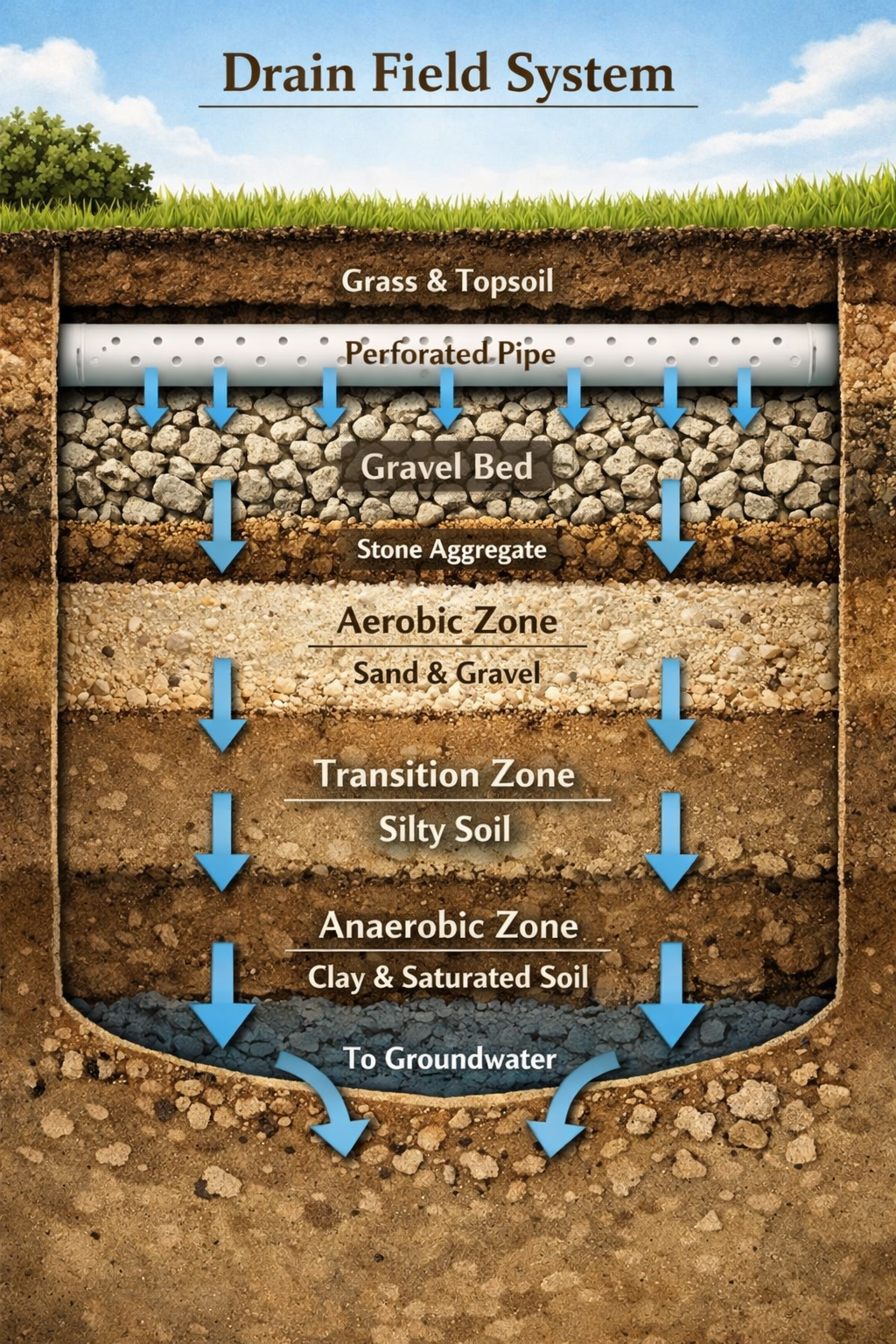
The drain field provides the final and most critical stage of wastewater treatment in septic systems. This underground network of perforated pipes and gravel beds removes the remaining 40-60% of contaminants that the septic tank couldn’t eliminate.
Soil Filtration Process
Partially treated effluent from your septic tank flows into perforated distribution pipes buried in gravel beds. As this water moves through the soil, several treatment processes occur simultaneously:
• Physical filtration – Soil particles trap suspended solids and bacteria
• Biological treatment – Aerobic bacteria in soil consume remaining organic matter
• Chemical absorption – Soil minerals bind phosphorus and other nutrients
• Pathogen removal – Beneficial microorganisms outcompete harmful bacteria and viruses
Soil Types and Treatment Efficiency
Different soil types provide varying levels of treatment effectiveness:
| Soil Type | Treatment Level | Drainage Rate | Best For |
|---|---|---|---|
| Sandy loam | Good | Moderate | Most residential systems |
| Clay | Excellent | Slow | High-quality treatment |
| Sand | Fair | Fast | Well-designed systems only |
| Rock/Gravel | Poor | Very fast | Requires pre-treatment |
Oxygen and Aerobic Treatment
Unlike the anaerobic environment in your septic tank, the drain field provides oxygen-rich conditions. Aerobic bacteria in the soil are much more efficient at breaking down organic compounds and can achieve:
• 95-99% removal of disease-causing bacteria
• 85-95% reduction in organic matter
• Significant nitrogen conversion through natural processes
System Sizing and Distribution
Proper drain field sizing ensures adequate treatment time and prevents system overload. Most systems are designed based on:
• Household size and daily water usage
• Soil percolation rates and treatment capacity
• Local environmental regulations and setback requirements
• Groundwater depth and seasonal variations
Edge case: In areas with high groundwater or poor soil conditions, advanced treatment systems may include sand filters, constructed wetlands, or UV disinfection before final discharge.
How Long Does Wastewater Treatment Take in Septic Systems?
The complete wastewater treatment process in septic systems typically takes 24-72 hours from the time wastewater enters your tank until treated water reaches the groundwater table. However, this timeline varies based on system design, soil conditions, and environmental factors.
Tank Treatment Timeline
Primary treatment in the septic tank occurs over 1-2 days:
• 0-6 hours: Initial separation and settling of solids
• 6-24 hours: Active bacterial breakdown of organic matter
• 24-48 hours: Final clarification and effluent preparation
Most tanks are designed with enough capacity to hold 2-3 days of wastewater, providing buffer time during peak usage periods or when bacterial activity slows due to temperature changes.
Soil Treatment Duration
Secondary treatment in the drain field takes an additional 12-48 hours:
• Immediate: Physical filtration of particles and bacteria
• 2-12 hours: Aerobic bacterial consumption of dissolved organics
• 12-48 hours: Chemical absorption and pathogen die-off
Factors Affecting Treatment Speed
Several conditions can speed up or slow down the treatment process:
Faster treatment occurs with:
• Warmer soil temperatures (above 50°F)
• Well-maintained bacterial populations
• Proper system sizing for household load
• Sandy loam soils with good drainage
Slower treatment happens during:
• Cold weather (below 40°F)
• System overload from excessive water use
• Recent antibiotic or chemical exposure
• Clay soils or high groundwater conditions
Seasonal Variations
Treatment efficiency changes throughout the year:
• Summer: Optimal bacterial activity and soil conditions
• Winter: Slower biological processes but still effective treatment
• Spring: Potential challenges from snowmelt and high groundwater
• Fall: Good treatment conditions before winter slowdown
Understanding these timelines helps you plan maintenance activities and avoid overloading your system during peak treatment periods. If you notice signs of system stress, the treatment process may be taking longer than normal.
What Contaminants Get Removed During Septic Treatment?
Modern septic systems effectively remove a wide range of contaminants when properly designed and maintained. Understanding what gets eliminated – and what doesn’t – helps you protect both your system and the environment.
Biological Contaminants
Septic treatment excels at removing disease-causing microorganisms:
• Bacteria: 95-99% removal including E. coli, Salmonella, and Streptococcus
• Viruses: 90-99% reduction through soil filtration and die-off
• Parasites: Nearly 100% removal of Giardia cysts and Cryptosporidium
• Pathogens: Most harmful microorganisms eliminated through natural processes
Organic Matter and Nutrients
The biological treatment process effectively handles organic waste:
• BOD (Biochemical Oxygen Demand): 80-95% reduction
• Suspended solids: 85-98% removal through settling and filtration
• Nitrogen: 20-50% removal in standard systems, up to 85% in enhanced systems[8]
• Phosphorus: 30-70% reduction depending on soil chemistry
Chemical Contaminants
Septic systems have varying success with different chemicals:
Well-removed chemicals:
• Biodegradable soaps and detergents
• Natural organic compounds
• Some pharmaceuticals through bacterial breakdown
Poorly removed chemicals:
• Household cleaners and disinfectants
• Synthetic chemicals and solvents
• Heavy metals and persistent compounds
• Antibiotics and hormone disruptors
Enhanced Treatment Capabilities
Advanced septic systems now target specific contaminants more effectively:
• Enhanced Nutrient-Reducing Septic Systems (ENRS) specifically target nitrogen pollution from aging septic infrastructure
• Tertiary treatment systems produce effluent that is up to 10 times cleaner than basic septic systems through disinfection and advanced nutrient removal
• Electrohydromodulation systems being developed can achieve over 85% recovery of phosphorus and nitrogen for beneficial reuse
Emerging Contaminants of Concern
New research focuses on contaminants that traditional septic systems don’t handle well:
• PFAS (forever chemicals): Require specialized treatment technologies
• Microplastics: Need physical filtration improvements
• Pharmaceutical compounds: May need enhanced biological treatment
• Endocrine disruptors: Require advanced oxidation or specialized bacteria
System Performance Monitoring
Modern systems increasingly use performance-based management to ensure consistent contaminant removal:
• Real-time monitoring of treatment effectiveness
• Regular testing of effluent quality
• Adjustments based on seasonal and load variations
• Compliance tracking for regulatory requirements
Choose enhanced treatment systems if your property is near sensitive water bodies, has poor soil conditions, or faces strict environmental regulations. Standard systems work well for most residential applications with proper maintenance.
How Do Enhanced Septic Systems Improve Wastewater Treatment?
Enhanced septic systems represent a significant advancement in how does wastewater get treated in septic applications, especially in environmentally sensitive areas. These systems add mechanical components, advanced biological processes, or innovative technologies to achieve treatment levels far beyond conventional septic tanks.
Types of Enhanced Treatment
Modern enhanced systems use several approaches to improve treatment:
Aerobic Treatment Units (ATUs)
• Add oxygen to accelerate bacterial breakdown
• Achieve 95-98% reduction in organic matter
• Require electricity but produce higher-quality effluent
Sand Filter Systems
• Force effluent through engineered sand beds
• Provide consistent treatment regardless of native soil quality
• Ideal for sites with poor drainage or high groundwater
Constructed Wetlands
• Use plants and specialized bacteria for natural treatment
• Excel at nutrient removal and polishing
• Low energy requirements with proper design
UV Disinfection Systems
• Eliminate remaining bacteria and viruses after biological treatment
• Allow direct discharge to surface waters in some areas
• Require ongoing maintenance and energy input
Performance Improvements
Enhanced systems deliver measurable improvements in treatment quality:
| Treatment Level | Standard Septic | Enhanced Systems |
|---|---|---|
| BOD Removal | 80-85% | 95-98% |
| Nitrogen Reduction | 20-30% | 50-85% |
| Phosphorus Removal | 30-50% | 60-90% |
| Pathogen Elimination | 95-99% | 99.9%+ |
Smart Technology Integration
Modern enhanced systems incorporate IoT sensors and remote monitoring for:
• Real-time performance tracking of treatment efficiency
• Early problem detection before system failures occur
• Predictive maintenance scheduling based on actual conditions
• Automated adjustments to optimize treatment processes
Regulatory Compliance Benefits
Enhanced systems help meet increasingly strict environmental standards:
• Compliance with nitrogen reduction requirements in sensitive watersheds
• Meeting discharge standards for surface water protection
• Satisfying health department requirements in challenging soil conditions
• Preparing for future regulations on emerging contaminants
Cost-Benefit Considerations
While enhanced systems cost more upfront, they offer long-term value through:
• Reduced risk of system failure and expensive repairs
• Compliance with environmental regulations
• Potential property value increases
• Lower long-term maintenance costs in some applications
When to Consider Enhanced Treatment
Enhanced systems make sense if you have:
• Property near lakes, streams, or drinking water wells
• Poor soil conditions or high groundwater
• Regulatory requirements for advanced treatment
• High household water usage or commercial applications
For homeowners with standard systems, maintaining optimal bacterial health with proven treatments can help maximize your current system’s performance while you evaluate whether enhanced treatment is necessary for your specific situation.
What Maintenance Supports Effective Wastewater Treatment?
Proper maintenance is essential for ensuring your septic system continues treating wastewater effectively year after year. Without regular care, even the best-designed system will fail to protect your property and the environment.
Regular Pumping Schedule
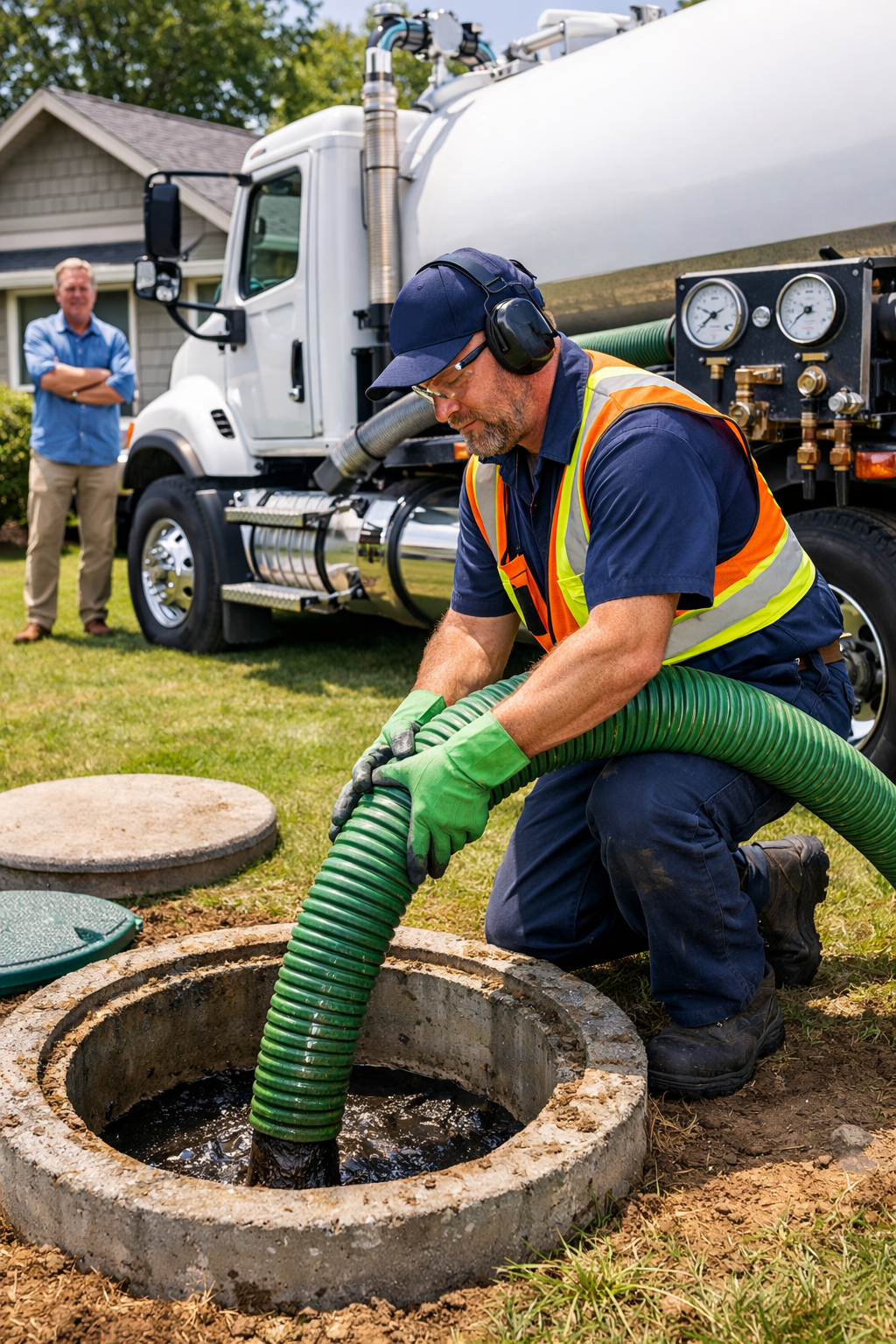
The most critical maintenance task is regular septic tank pumping to remove accumulated sludge and scum:
• Every 3-5 years for most residential systems
• Every 1-3 years for high-usage households or commercial properties
• Based on tank size and number of occupants rather than arbitrary timelines
When sludge builds up beyond 30% of tank capacity, it can flow into the drain field and cause permanent damage to soil treatment capabilities.
Bacterial Health Management
Maintaining healthy bacterial populations ensures effective waste breakdown:
Support beneficial bacteria by:
• Avoiding excessive use of antibacterial cleaners
• Limiting bleach and harsh chemical disposal
• Adding organic waste gradually rather than in large batches
• Maintaining consistent temperatures through proper insulation
Restore bacterial populations after:
• Antibiotic treatments or medication changes
• Heavy cleaning or disinfection activities
• Extended periods of low system use
• Chemical spills or accidental disposal
Water Usage Management
Controlling water flow protects treatment processes:
• Spread laundry over several days instead of doing multiple loads in one day
• Fix leaks promptly to prevent system overload
• Install water-efficient fixtures to reduce daily flow volumes
• Avoid garbage disposals which add unnecessary organic load
Drain Field Protection
Preserving your drain field ensures continued soil treatment:
• Never drive or park over drain field areas
• Avoid planting trees within 25 feet of distribution pipes
• Redirect surface water away from the treatment area
• Monitor for wet spots or odors that indicate system problems
Professional Inspections
Regular professional evaluations catch problems early:
• Annual inspections of system components and performance
• Effluent quality testing to verify treatment effectiveness
• Drain field assessment for signs of failure or overload
• Pump and control system maintenance for enhanced systems
Seasonal Maintenance Tasks
Different seasons require specific attention:
Spring:
• Inspect for winter damage or settling
• Test system after heavy snowmelt
• Schedule pumping if due
Summer:
• Monitor for odors during hot weather
• Check vegetation growth over system
• Optimize water usage during peak season
Fall:
• Prepare system for winter conditions
• Clear surface drainage before freeze
• Complete major maintenance before cold weather
Winter:
• Insulate exposed components
• Maintain steady water flow to prevent freezing
• Avoid driving on frozen drain fields
Warning Signs to Address Immediately
Contact a professional if you notice:
• Sewage backups or slow drains throughout the house
• Strong odors near the tank or drain field
• Wet areas or standing water over the system
• Unusually green grass growth in the drain field area
• Gurgling sounds from drains or toilets
Early intervention prevents minor issues from becoming major system failures that require complete replacement.
Helpful Resource for System Maintenance
Maintaining your septic system’s bacterial health doesn’t have to be complicated. If you want a simple way to support your system between professional services, Septifix tablets offer an easy monthly treatment that helps break down waste and reduce buildup. These tablets are designed to work with your system’s natural processes, making them a practical option for homeowners who want to be proactive about septic care without major effort or expense.
FAQ
How long does it take for wastewater to be fully treated in a septic system?
Complete wastewater treatment in septic systems takes 24-72 hours from tank entry to groundwater discharge. The septic tank provides 24-48 hours of primary treatment, while soil filtration in the drain field requires an additional 12-48 hours for final cleaning.
What percentage of contaminants do septic systems remove?
Properly functioning septic systems remove 85-99% of harmful bacteria, 80-95% of organic matter, and 30-70% of nutrients like nitrogen and phosphorus. Enhanced systems can achieve even higher removal rates, with some reaching 99.9% pathogen elimination.
Can septic systems handle all types of household chemicals?
No, septic systems effectively treat biodegradable soaps and organic compounds but struggle with harsh cleaners, antibiotics, synthetic chemicals, and persistent compounds. These substances can disrupt bacterial treatment processes and pass through to groundwater.
How do I know if my septic system is treating wastewater properly?
Signs of proper treatment include no odors near the system, clear drainage throughout the house, and no wet spots over the drain field. Professional inspections and effluent testing provide the most accurate assessment of treatment effectiveness.
What happens if my septic tank gets too full?
When septic tanks exceed capacity, untreated waste flows directly to the drain field, causing system failure and environmental contamination. This can result in sewage backups, soil contamination, and expensive system replacement costs.
Do enhanced septic systems require special maintenance?
Enhanced systems need regular maintenance of mechanical components like pumps, blowers, and UV lights in addition to standard septic care. Most require annual professional servicing and may need more frequent inspections than conventional systems.
How does cold weather affect septic treatment processes?
Cold temperatures slow bacterial activity and can reduce treatment efficiency by 20-40%. However, properly designed systems continue working effectively in winter, though biological processes take longer and may require bacterial supplements in extreme conditions.
Can I improve my septic system’s treatment without major upgrades?
Yes, you can optimize treatment through proper maintenance, bacterial health support, water conservation, and avoiding harmful chemicals. Regular pumping and protecting the drain field are the most effective ways to maintain treatment quality.
What’s the difference between aerobic and anaerobic treatment in septic systems?
Anaerobic treatment occurs in the oxygen-free septic tank where bacteria break down organic matter slowly. Aerobic treatment happens in the soil where oxygen-loving bacteria provide faster, more complete cleaning of remaining contaminants.
How do soil types affect wastewater treatment quality?
Sandy loam provides optimal treatment with good drainage and filtration. Clay soils offer excellent contaminant removal but may drain slowly. Sandy soils drain quickly but provide less treatment, while rocky soils offer minimal treatment capacity.
Are there new technologies improving septic wastewater treatment?
Yes, innovations include electrohydromodulation systems that recover nutrients, smart monitoring with IoT sensors, enhanced nutrient-reducing systems for environmental protection, and UV disinfection for higher-quality effluent discharge.
How often should I test my septic system’s treatment effectiveness?
Most residential systems benefit from professional inspection every 1-3 years, with effluent testing if problems are suspected. Enhanced systems or those in sensitive areas may require annual testing or continuous monitoring depending on local regulations.
Conclusion
Understanding how does wastewater get treated in septic systems empowers you to maintain your system effectively and protect both your property and the environment. The three-stage process – tank separation and bacterial breakdown, drain field filtration, and soil treatment – works reliably when properly maintained but requires your attention to continue functioning optimally.
Take these essential steps to ensure effective wastewater treatment:
• Schedule regular pumping every 3-5 years to prevent sludge buildup that can compromise treatment
• Protect beneficial bacteria by avoiding harsh chemicals and supporting bacterial health when needed
• Monitor water usage to prevent system overload during peak periods
• Maintain your drain field by avoiding compaction and protecting soil treatment capacity
• Watch for warning signs like slow drains, odors, or wet spots that indicate treatment problems
The investment in proper septic maintenance pays dividends through reliable wastewater treatment, environmental protection, and avoiding the significant costs of system failure. Whether you have a conventional system or are considering enhanced treatment options, consistent care ensures your septic system will continue cleaning wastewater effectively for decades to come.
For more guidance on maintaining your system, explore our complete septic maintenance guide and learn to recognize signs that indicate your system needs attention.
References
[1] New Technical Report On Wastewater Treatment Facility Design Published – https://neiwpcc.org/2026/02/12/new-technical-report-on-wastewater-treatment-facility-design-published/
[2] Making Septic Systems Cleaner For The Environment – https://news.miami.edu/stories/2025/10/making-septic-systems-cleaner-for-the-environment.html
[3] Emerging Industry Technology Trends For 2026 – https://news.owpnc.com/emerging-industry-technology-trends-for-2026/
[4] The Future Of Septic Systems Embracing Smart Technology And Eco Friendly Solutions – https://www.pumper.com/bytes/2024/08/the-future-of-septic-systems-embracing-smart-technology-and-eco-friendly-solutions
[5] Septic System Types – https://www.premiertechaqua.com/en-us/blog/septic-system-types
[8] Enhanced Nutrient Reducing Septic Systems Enrs Florida Sewage Treatment Plants Water Pollution – https://www.theinvadingsea.com/2026/02/06/enhanced-nutrient-reducing-septic-systems-enrs-florida-sewage-treatment-plants-water-pollution/