
How Do You Know If Your Septic Tank Is Full: Essential Warning Signs Every Homeowner Must Recognize

Picture this: It’s a busy Monday morning, and you’re rushing to get ready for work when suddenly your toilet won’t flush properly, your shower is draining slower than molasses, and there’s an unpleasant smell wafting from your yard. If you’re one of the 25 million American households that rely on septic systems, these could be clear warning signs that your septic tank is reaching capacity. Knowing how to identify when your septic tank is full can save you thousands of dollars in emergency repairs and prevent a messy, expensive disaster on your property.
Understanding how do you know if your septic tank is full is crucial for maintaining a healthy, functional septic system in 2026. Unlike city sewer systems that handle waste automatically, septic tanks require regular attention and maintenance to function properly. When a septic tank becomes too full, it can’t effectively separate solids from liquids, leading to system failure and potential environmental contamination.
Key Takeaways
• Multiple slow drains throughout your home, especially when occurring simultaneously, are often the first sign your septic tank needs attention
• Standing water and sewage odors around your tank or drain field indicate immediate pumping is required
• Unusually green grass over your septic system can signal nutrient-rich wastewater is leaking into your yard
• Most septic tanks need pumping every 3-5 years, but frequency depends on household size and usage patterns
• Early detection saves money – addressing warning signs promptly prevents costly emergency repairs and system replacement
The Most Common Warning Signs: How Do You Know If Your Septic Tank Is Full
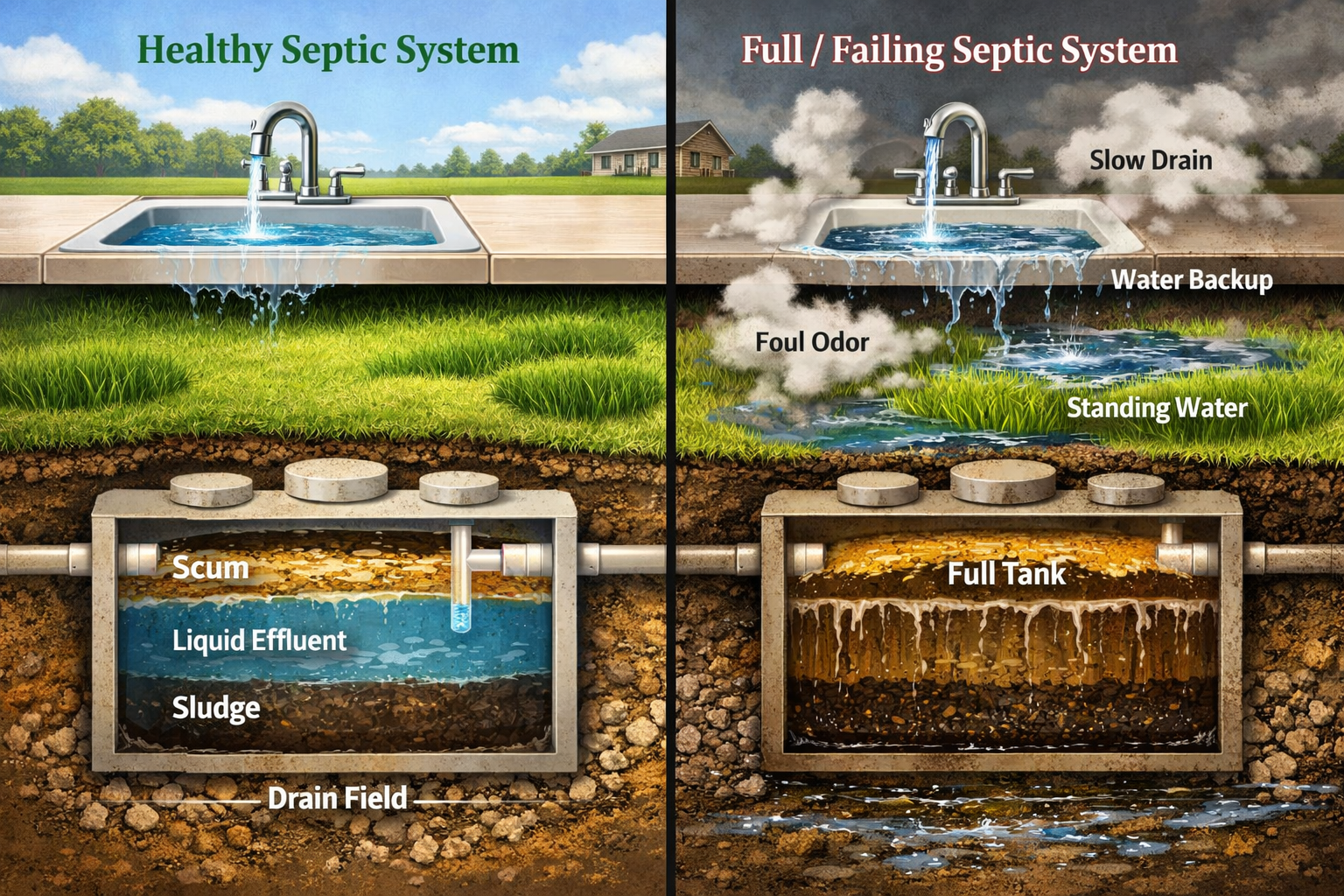
Recognizing the early warning signs of a full septic tank can mean the difference between a routine maintenance call and a septic emergency. Let me walk you through the most reliable indicators that your system needs immediate attention.
🚰 Slow Drains Throughout Your Home
One of the earliest and most noticeable signs is slow drainage in multiple fixtures throughout your house. When your septic tank reaches capacity, wastewater has nowhere to go, causing backups that affect sinks, toilets, and showers simultaneously.
Unlike a single clogged drain, septic-related drainage issues typically affect:
- Kitchen sinks that take longer to empty
- Bathroom sinks with standing water
- Showers and tubs that drain sluggishly
- Toilets that flush incompletely or slowly
If you notice these problems occurring in multiple areas of your home at once, it’s a strong indicator that your septic tank is approaching or has reached capacity.
💧 Standing Water and Pooling Around Your System
Pooling water around your septic tank or drain field area, especially during dry weather, is a serious red flag. This standing water typically appears as:
- Soggy patches in your yard near the tank
- Surface water that doesn’t dry up after rain
- Muddy areas with no apparent water source
- Wet spots that persist even during drought conditions
When your septic tank is full, excess wastewater has nowhere to go and begins surfacing in your yard. This not only indicates a full tank but also poses health risks and potential groundwater contamination.
👃 Unpleasant Sewage Odors
Strong, persistent sewage smells near your septic tank, drain field, or even inside your home through drains are clear warning signs. These odors occur because:
- Gases from decomposing waste escape when the tank is overfull
- Wastewater backs up into your plumbing system
- The natural bacterial process in your tank becomes disrupted
The smell is typically strongest near:
- Septic tank location in your yard
- Drain field area where pipes distribute effluent
- Bathroom and kitchen drains inside your home
- Basement areas where main sewer lines connect
🌱 Unusually Lush Green Grass
While a beautiful lawn might seem like a good thing, exceptionally green and lush grass over your septic tank or drain field can indicate problems. This occurs because:
- Nutrient-rich wastewater acts as fertilizer when it leaks
- Excess nitrogen and phosphorus promote rapid grass growth
- The grass stays green even during dry periods
- Plants in the area may grow faster than surrounding vegetation
FYI: Some links may be affiliate links, which means I may earn a small commission at no extra cost to you.
For homeowners looking to maintain their septic system health and prevent these warning signs, regular maintenance treatments can help break down waste and reduce buildup. Products like Septifix tablets can be helpful for keeping your system clean and efficient between professional pumpings, though they’re not a substitute for regular maintenance.
Physical Inspection Methods: How Do You Know If Your Septic Tank Is Full
Beyond observing warning signs around your property, there are hands-on methods to determine if your septic tank needs pumping. These inspection techniques can help you make informed decisions about maintenance timing and avoid emergency situations.
🔍 Using a Sludge Judge or Measuring Stick
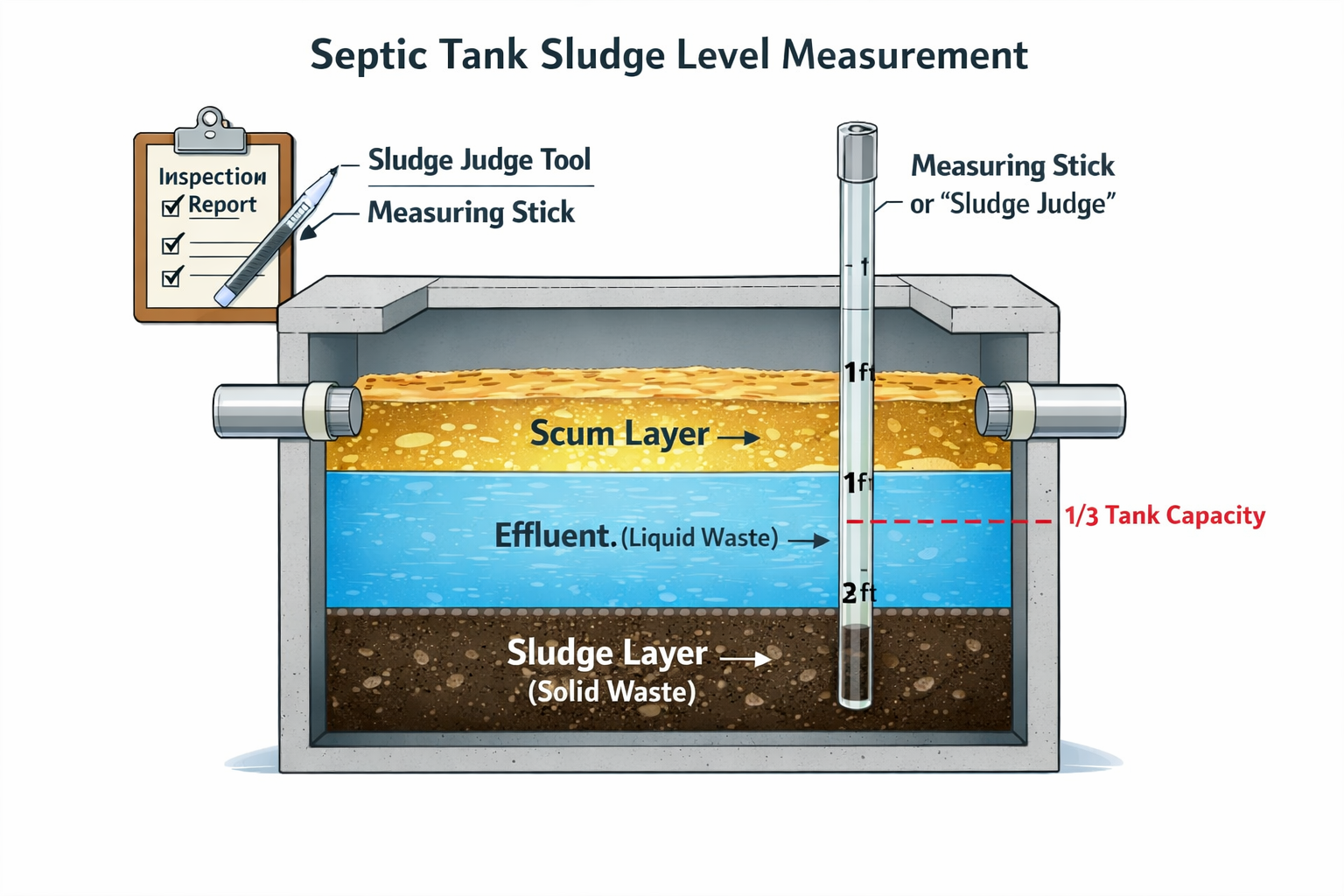
The most reliable way to check your septic tank’s sludge levels is through direct measurement using a sludge judge or measuring stick. Here’s how to perform this inspection safely:
Equipment needed:
- Sludge judge (available at hardware stores) or long measuring stick
- Rubber gloves and protective clothing
- Flashlight or headlamp
- Notebook to record measurements
Step-by-step process:
- Locate your septic tank’s inspection port (usually a 4-6 inch diameter pipe)
- Remove the cap carefully and allow gases to escape
- Insert the measuring device slowly until it reaches the bottom
- Mark the total depth and note where sludge begins
- Calculate the percentage of tank occupied by solids
📏 Understanding the 1/3 Rule
Professional septic experts follow the “1/3 rule” when determining pumping needs. This means:
| Tank Condition | Sludge Level | Action Needed |
|---|---|---|
| Normal Operation | Less than 1/3 full | Continue regular use |
| Needs Monitoring | 1/3 to 1/2 full | Schedule pumping soon |
| Requires Immediate Pumping | More than 1/2 full | Call professionals immediately |
When solids occupy one-third or more of your tank’s capacity, it’s time for pumping. At this level, the tank can no longer effectively separate solids from liquids, leading to system failure.
🕳️ Locating Your Septic Tank Components
Before you can inspect your system, you need to know where everything is located. Most septic systems have several access points:
Main components to locate:
- Septic tank (usually 10-25 feet from your home)
- Distribution box (between tank and drain field)
- Inspection ports (for checking levels)
- Pump chamber (if you have a pump system)
If you’re unsure about your system’s layout, check with your local health department for installation records or contact a septic professional for a system inspection.
⚠️ Safety Considerations for DIY Inspection
Never enter or lean directly over an open septic tank. The gases produced can be deadly, and the risk of falling in is serious. Always:
- Work with a partner who can call for help
- Allow gases to escape before inspection
- Use proper ventilation and never use open flames
- Wear protective equipment including gloves and eye protection
- Keep children and pets away from open tanks
If you’re uncomfortable performing these inspections yourself, professional septic inspectors can assess your system safely and provide detailed reports on its condition.
Septic Tank Pumping Schedule: How Do You Know If Your Septic Tank Is Full Based on Time
Understanding the recommended pumping schedule for your septic system is crucial for preventing overflow and maintaining optimal performance. While warning signs provide immediate feedback, following a proactive pumping schedule helps you stay ahead of problems.
📅 Standard Pumping Frequency Guidelines
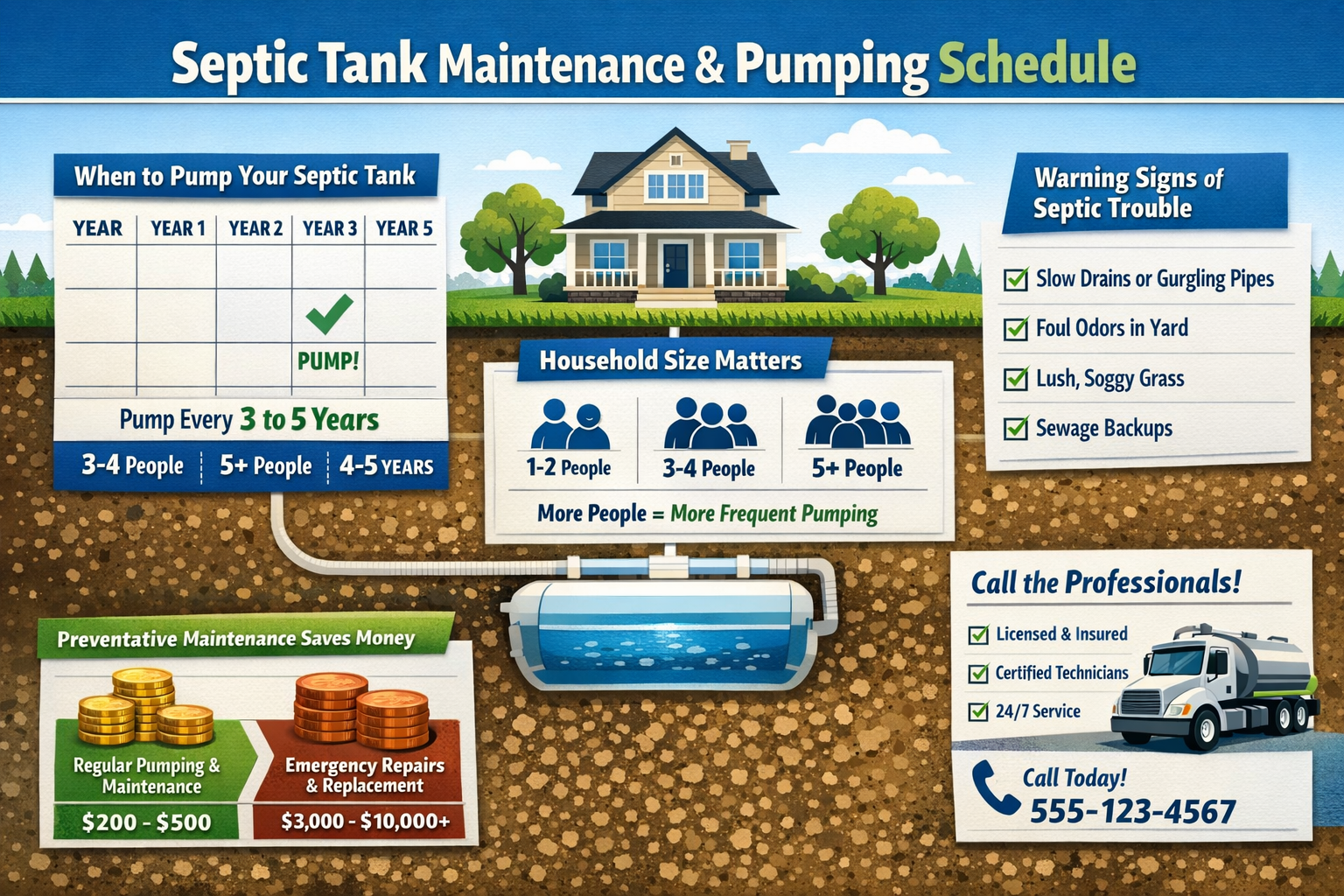
Most septic experts recommend pumping every 3-5 years, but this timeline varies significantly based on several factors. Here’s a general guideline:
Household Size and Pumping Frequency:
- 1-2 people: Every 4-5 years
- 3-4 people: Every 3-4 years
- 5+ people: Every 2-3 years
- Heavy usage households: Every 1-2 years
🏠 Factors That Affect Pumping Frequency
Several variables influence how often you’ll need to pump your septic tank:
Tank Size Considerations:
- 1,000-gallon tanks: More frequent pumping needed
- 1,500+ gallon tanks: Can go longer between services
- Older, smaller tanks: May need annual pumping
Usage Patterns That Increase Frequency:
- Frequent use of garbage disposals
- Large amounts of laundry
- Regular entertaining and guests
- Use of harsh chemicals and antibacterial products
- Flushing non-biodegradable items
Water Conservation Helps:
- Installing low-flow fixtures
- Fixing leaky faucets and toilets
- Spreading laundry loads throughout the week
- Using efficient appliances
📊 Creating Your Personal Pumping Schedule
To determine your optimal pumping schedule, consider these factors:
| Factor | Impact on Pumping Frequency |
|---|---|
| Household Size | More people = more frequent pumping |
| Tank Capacity | Larger tanks = longer intervals |
| Water Usage | High usage = shorter intervals |
| Waste Type | Organic waste breaks down faster |
| System Age | Older systems may need more attention |
Tracking Your System:
- Record your last pumping date and service details
- Monitor usage patterns and household changes
- Note any warning signs between pumpings
- Adjust schedule based on system performance
🔄 Benefits of Preventive Pumping
Staying ahead of your pumping schedule offers significant advantages:
Cost Savings:
- Routine pumping: $300-500
- Emergency repairs: $3,000-8,000
- Full system replacement: $15,000-25,000
System Longevity:
- Prevents drain field damage
- Reduces wear on system components
- Maintains proper bacterial balance
- Prevents soil contamination
Peace of Mind:
- Avoids unexpected backups
- Prevents health hazards
- Maintains property value
- Ensures regulatory compliance
For homeowners who want additional protection between pumpings, maintaining your septic system with quality treatments can help optimize bacterial activity and waste breakdown. Septifix tablets are designed to support healthy bacterial colonies that break down waste more efficiently, potentially extending the time between required pumpings while keeping your system running smoothly.
Remember, even with the best maintenance products, regular professional pumping remains essential. These treatments work best as part of a comprehensive maintenance strategy that includes proper pumping schedules and responsible usage habits.
When to Call Professional Help
While understanding the warning signs is important, knowing when to contact septic professionals can prevent minor issues from becoming major disasters. Some situations require immediate expert intervention, while others can be scheduled as routine maintenance.
🚨 Emergency Situations Requiring Immediate Action
Call a septic professional immediately if you experience:
Sewage Backup in Your Home:
- Raw sewage coming up through drains
- Toilets overflowing with waste
- Sewage in your basement or crawl space
- Multiple fixtures backing up simultaneously
Severe System Failure Signs:
- Strong sewage odors throughout your property
- Large areas of standing wastewater
- Sewage surfacing in your yard
- Well water contamination with elevated nitrates
These situations pose serious health risks and require professional equipment to resolve safely.
📞 Routine Professional Services
Annual Inspections:
Even if your system seems fine, annual professional inspections can catch problems early. During these visits, technicians:
- Check sludge and scum layers
- Inspect baffles and filters
- Test drainage and flow rates
- Identify potential issues before they become emergencies
Scheduled Pumping Services:
Professional pumping involves more than just removing waste:
- Complete tank evacuation
- System component inspection
- Filter cleaning or replacement
- Documentation for warranty and records
💰 Cost Considerations and Planning
Understanding septic service costs helps you budget appropriately:
Routine Maintenance Costs:
- Pumping: $300-600 depending on tank size and location
- Inspection: $100-300 for comprehensive assessment
- Filter replacement: $50-200 depending on system type
Emergency Repair Costs:
- Drain field repair: $3,000-10,000
- Tank replacement: $5,000-15,000
- Complete system replacement: $15,000-30,000
Money-Saving Tips:
- Bundle services (pumping + inspection)
- Schedule during off-peak seasons
- Maintain good records for warranty claims
- Address small issues before they become major problems
🔍 Choosing the Right Septic Professional
When selecting a septic service provider, look for:
Proper Licensing and Insurance:
- State and local licensing
- Liability and workers’ compensation insurance
- Proper disposal permits for waste removal
Experience and Reputation:
- Years in business serving your area
- Positive customer reviews and references
- Knowledge of local soil and regulatory conditions
- Emergency service availability
Comprehensive Services:
- Pumping, inspection, and repair capabilities
- Modern equipment and safety protocols
- Clear pricing and written estimates
- Detailed service records and recommendations
For additional information about septic system maintenance and professional services, visit our comprehensive FAQ section where you’ll find answers to common homeowner questions and guidance on maintaining your system between professional visits.
Helpful Resource for Septic System Maintenance
Maintaining a healthy septic system requires consistent care and attention. While professional pumping and inspections are essential, there are steps homeowners can take between services to keep their systems running efficiently and reduce the likelihood of premature filling.
🧪 Supporting Your Septic System’s Natural Process
Your septic tank relies on beneficial bacteria to break down organic waste and maintain proper function. However, household chemicals, antibacterial products, and certain medications can disrupt these essential bacterial colonies, leading to poor waste breakdown and faster tank filling.
Common bacterial disruptors include:
- Bleach and harsh cleaning chemicals
- Antibacterial soaps and sanitizers
- Excessive laundry detergent
- Paint thinners and solvents
- Prescription antibiotics
💊 Simple Maintenance Solutions
For homeowners seeking an easy way to support their septic system’s bacterial health, septic treatment tablets can be a valuable addition to regular maintenance routines. These products are designed to:
- Replenish beneficial bacteria that break down waste efficiently
- Reduce odors from decomposing organic matter
- Help prevent buildup of solid waste in the tank
- Support natural biological processes that keep systems functioning properly
Septifix tablets, for example, contain specialized bacterial strains that work to maintain optimal waste breakdown between professional pumpings. While these treatments aren’t a replacement for regular pumping, they can help extend the time between services and keep your system running more efficiently.
📋 Best Practices for Long-Term System Health
What TO Do:
- Use septic-safe toilet paper and cleaning products
- Spread laundry loads throughout the week
- Fix leaky faucets and running toilets promptly
- Pump your tank according to professional recommendations
- Keep detailed maintenance records
What NOT to Do:
- Flush non-biodegradable items (wipes, feminine products, cat litter)
- Pour grease, oil, or paint down drains
- Use excessive amounts of household chemicals
- Plant trees or shrubs over your drain field
- Drive vehicles over your septic system
Remember, the goal is to work with your septic system’s natural processes, not against them. Simple maintenance treatments can support this goal while proper usage habits prevent problems from developing in the first place.
Conclusion
Understanding how do you know if your septic tank is full empowers you to protect your property, save money, and avoid unpleasant surprises. The warning signs we’ve discussed—slow drains, standing water, sewage odors, and unusually green grass—are your septic system’s way of asking for help before a minor issue becomes a major disaster.
Your action plan moving forward:
- Inspect your property monthly for the warning signs discussed in this article
- Schedule professional pumping every 3-5 years based on your household size and usage
- Keep detailed maintenance records to track your system’s performance over time
- Address problems promptly rather than waiting for them to worsen
- Consider supportive treatments like bacterial supplements to maintain system health between pumpings
Remember, septic system maintenance is an investment in your property’s value and your family’s health. The few hundred dollars spent on routine pumping and maintenance can save you thousands in emergency repairs and system replacement costs.
By staying vigilant for the signs of a full septic tank and following a proactive maintenance schedule, you’ll ensure your system serves your household reliably for decades to come. When in doubt, don’t hesitate to contact septic professionals who can assess your system and provide expert guidance tailored to your specific situation.
Take action today—inspect your system, schedule any overdue maintenance, and create a plan to keep your septic system healthy and functional throughout 2026 and beyond.
References
[1] How To Tell If Your Septic Tank Is Full – https://www.bdpplumbing.com/how-to-tell-if-your-septic-tank-is-full
[2] Signs Of A Full Septic Tank – https://efcnetwork.org/signs-of-a-full-septic-tank/
[3] How To Tell If Your Septic Tank Is Full Or Clogg – https://www.swiftbrothers.com/blog/2023/april/how-to-tell-if-your-septic-tank-is-full-or-clogg/
[4] Signs Your Septic Tank Is Too Full When To Call The Pros – https://www.metroseptic.com/blog/signs-your-septic-tank-is-too-full-when-to-call-the-pros/
[6] Warning Signs That Your Septic System Needs Pumping – https://fletcherseweranddrain.com/septic-system-pumping/warning-signs-that-your-septic-system-needs-pumping/
[7] 7 Clear Signs Its Time To Schedule A Septic Tank Pump Out – https://www.awsanitation.com/post/7-clear-signs-its-time-to-schedule-a-septic-tank-pump-out
[8] 8 Signs It S Time For A Septic Tank Replacement – https://www.superiorsewerco.com/8-signs-it-s-time-for-a-septic-tank-replacement