How Do Septic Tanks Work: A Complete Guide for Homeowners

Picture this: you flush your toilet, wash dishes, or take a shower, and within seconds, that wastewater simply disappears. For millions of homeowners across America, this everyday miracle happens thanks to an underground workhorse that most people never think about—until something goes wrong. Understanding how do septic tanks work isn’t just fascinating; it’s essential knowledge that can save you thousands of dollars in repairs and protect your family’s health.
In 2026, septic systems serve approximately 25% of American homes, processing billions of gallons of wastewater every day through a remarkably simple yet effective biological process. Whether you’re a new homeowner with a septic system or you’ve been living with one for years without fully understanding its operation, this comprehensive guide will demystify the entire process and show you how to keep your system running smoothly for decades.
Key Takeaways
• Septic tanks work through natural bacterial breakdown: Waste separates into three layers where beneficial bacteria decompose organic matter before treated water flows to the drain field
• Modern smart technology is revolutionizing septic maintenance: IoT sensors and remote monitoring systems now provide real-time alerts, preventing costly failures and extending system lifespan
• Proper maintenance prevents expensive problems: Regular pumping every 3-5 years, careful waste disposal, and professional inspections can prevent the average $10,000-15,000 system replacement cost
• The drain field is equally important as the tank: This underground filtration system requires protection from compaction, chemicals, and excessive water to function properly
• Energy-efficient and eco-friendly innovations are emerging: Advanced treatment units, constructed wetlands, and performance-based management are making septic systems more sustainable and effective
The Fundamentals: How Do Septic Tanks Work Step by Step
The Basic Septic System Components
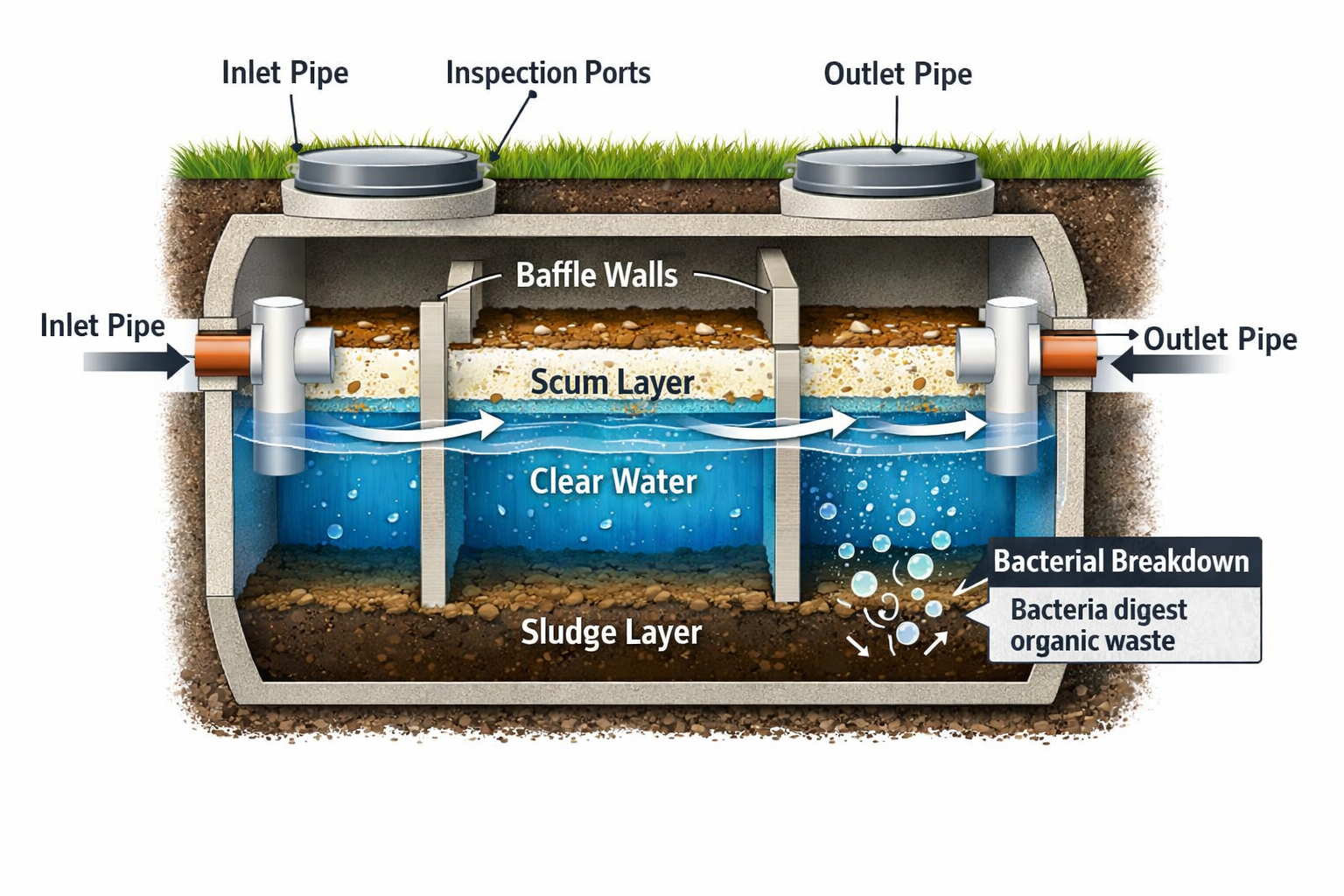
A septic system consists of two main parts working in harmony: the septic tank and the drain field (also called a leach field). Think of the septic tank as a holding and treatment facility, while the drain field acts as a natural filtration system that completes the cleaning process.
When wastewater leaves your home through the main sewer line, it flows into the septic tank—typically a 1,000 to 1,500-gallon concrete, fiberglass, or plastic container buried in your yard. Modern tanks increasingly use high-density polyethylene (HDPE) and advanced fiberglass materials, which resist corrosion, cracking, and root intrusion better than older concrete or steel tanks.
The Three-Layer Separation Process
Once wastewater enters the septic tank, gravity and time work together to create three distinct layers:
🔹 Scum Layer (Top): Oils, grease, and floating debris rise to the surface, forming a protective layer that helps maintain the right environment for bacterial activity below.
🔹 Effluent Layer (Middle): This clear, partially treated water makes up the largest portion of the tank and contains dissolved nutrients and smaller particles.
🔹 Sludge Layer (Bottom): Heavy solids sink to the bottom, where anaerobic bacteria slowly break down organic matter into simpler compounds.
The magic happens in these layers, where billions of beneficial bacteria work 24/7 to decompose waste naturally. This biological process typically takes 24-48 hours for initial treatment, though complete breakdown of solids can take much longer.
How Water Flows Through Your Septic System
Understanding how do septic tanks work requires following the water’s journey:
- Inlet: Wastewater enters through the inlet pipe, which has a baffle or tee to direct flow downward and prevent disturbing the scum layer
- Retention: Water remains in the tank long enough for separation and bacterial treatment
- Outlet: Partially treated effluent exits through the outlet pipe (positioned lower than the inlet) and flows to the distribution box
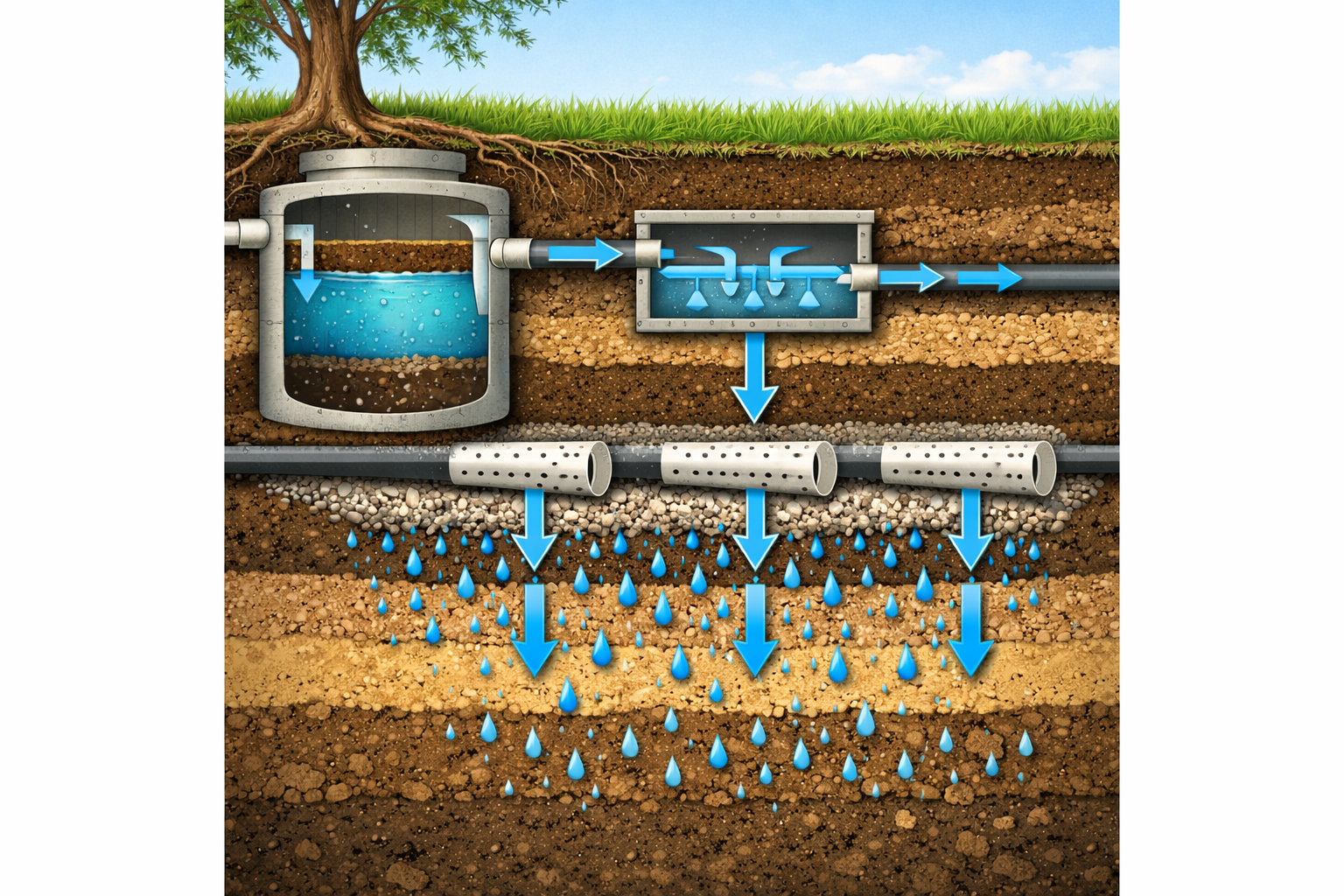
- Distribution: The distribution box evenly spreads effluent across multiple drain field lines
- Final Treatment: Soil naturally filters remaining contaminants as water percolates through gravel and earth
“Modern septic systems are marvels of biological engineering, using the same natural processes that have cleaned water for millions of years—just in a controlled, efficient environment.”
This entire process happens continuously, processing everything from toilet waste to kitchen and laundry water. The key is maintaining the right balance of bacteria, proper water levels, and avoiding materials that could disrupt the biological treatment process.
FYI: Some links may be affiliate links, which means I may earn a small commission at no extra cost to you.
For homeowners looking to support their septic system’s natural bacterial processes, simple monthly treatments can help maintain optimal conditions. Here are some of the most convenient septic tank treatment solutions for keeping your system clean, odor-free, and running smoothly—from breaking down sludge and reducing unpleasant smells to helping prevent clogs, backups, and expensive pumping costs. These easy monthly tablets are trusted by many homeowners to maintain a cleaner, healthier septic system with minimal effort.
👉 Check the latest price and see how Septifix can protect your septic system today
Modern Septic Technology: How Do Septic Tanks Work in 2026
Smart Monitoring Revolution
The septic industry has undergone a technological transformation that’s changing how homeowners interact with their systems. Smart monitoring technology has become the dominant innovation, with IoT-enabled sensors and remote monitoring systems transforming septic maintenance by enabling real-time tracking of tank levels, flow rates, and system performance.
These intelligent systems eliminate the guesswork that has plagued septic owners for decades. Instead of waiting for warning signs like slow drains or unpleasant odors, homeowners can now check system status from phones or computers and receive automated alerts when maintenance is needed, preventing unexpected failures and backups.
Key Smart Features Transforming Septic Management
📱 Real-Time Monitoring: Advanced sensors continuously track:
- Sludge and scum levels
- Water flow rates
- Tank temperature and pH levels
- Pump operation status
- Drain field saturation
🚨 Predictive Alerts: Smart systems provide early warnings for:
- Approaching pump-out schedules
- Unusual water usage patterns
- Potential system malfunctions
- Weather-related concerns
📊 Performance Analytics: Detailed data helps homeowners understand their system’s efficiency and optimize usage patterns.
The smart septic technology market is growing rapidly, with the smart septic technology segment projected to grow by 12% annually through 2030, as IoT-based monitoring systems create new service revenue opportunities . This growth reflects homeowners’ increasing desire for proactive maintenance rather than reactive repairs.
Advanced Treatment Technologies
Beyond monitoring, the treatment process itself has evolved significantly. Aerobic treatment units (ATUs), constructed wetlands, and biofilters are paving the way for more sustainable wastewater treatment with improved water quality.
Energy-Neutral Treatment is becoming an emerging trend, with low-energy aeration technologies, optimized hydraulic design, and integrated controls being incorporated into decentralized system designs to minimize lifecycle energy demand.
Commercial Applications Leading Innovation
While residential systems benefit from these advances, commercial applications are driving much of the innovation. IoT-based monitoring in commercial applications improves efficiency by 25-30%, with real-time sensors optimizing service schedules. These efficiency gains are gradually making their way into residential systems as costs decrease and technology becomes more accessible.
Modular and Scalable Solutions
Modular and decentralized treatment systems are expanding as an alternative to centralized treatment plants. Rather than relying on large municipal systems, modular systems allow treatment capacity to be scaled incrementally and distributed across sites or communities, particularly benefiting rural areas and small communities.
This approach is especially valuable for:
- Rural developments where connecting to municipal systems isn’t feasible
- Growing communities that need to add capacity gradually
- Environmentally sensitive areas requiring distributed treatment
- Areas with challenging soil conditions that benefit from engineered solutions
The shift represents a fundamental change in how we think about wastewater treatment—moving from centralized, one-size-fits-all approaches to flexible, site-specific solutions that can adapt to local conditions and community needs.
The Drain Field: Completing How Septic Tanks Work
Understanding Your Drain Field’s Critical Role
While the septic tank gets most of the attention, the drain field (also called leach field or absorption field) performs the final and arguably most important step in the treatment process. Drain field technologies have improved significantly, with chamber systems and engineered soil solutions helping wastewater disperse more efficiently, reducing drain field failure risk and extending overall system lifespan [2].
The drain field consists of a network of perforated pipes buried in gravel beds, typically 18-36 inches below ground. As effluent flows from the septic tank through these pipes, it slowly seeps into the surrounding soil, which acts as a natural filter to remove harmful bacteria, nutrients, and other contaminants.
How Soil Filtration Works
The soil in your drain field performs multiple treatment functions:
🌱 Physical Filtration: Soil particles trap suspended solids and larger contaminants
🦠 Biological Treatment: Beneficial soil microorganisms break down remaining organic matter and pathogens
🧪 Chemical Adsorption: Soil minerals bind phosphorus and other nutrients, preventing groundwater contamination
💧 Water Table Protection: Proper separation distance ensures treated water doesn’t reach groundwater before complete purification
Modern Drain Field Innovations
Traditional gravel-and-pipe systems are being enhanced or replaced with more efficient technologies:
Chamber Systems: Plastic chambers create void space for effluent storage and distribution while reducing the need for gravel and improving installation efficiency.
Engineered Soil Solutions: When natural soil conditions aren’t ideal, engineered systems can modify or replace existing soil to improve treatment capacity.
Pressure Distribution: Advanced systems use pumps to ensure even distribution across the entire drain field, preventing overloading of specific areas.
Alternative Systems: For challenging sites, constructed wetlands, sand filters, and other alternative technologies provide effective treatment where conventional drain fields won’t work.
Protecting Your Drain Field Investment
Your drain field represents a significant portion of your septic system’s value and is often the most expensive component to replace. Protecting it requires understanding what can cause damage:
❌ Avoid These Drain Field Killers:
- Driving or parking vehicles over the area
- Planting trees with aggressive root systems nearby
- Excessive water usage that saturates the soil
- Disposing of household chemicals that kill beneficial soil bacteria
- Adding soil or structures that compact the absorption area
✅ Drain Field Best Practices:
- Keep the area covered with grass to prevent erosion
- Direct surface water away from the drain field
- Pump your septic tank regularly to prevent solids from reaching the drain field
- Use water-efficient appliances and fixtures
- Space out laundry and dishwashing throughout the week
Signs Your Drain Field Needs Attention
Understanding how do septic tanks work includes recognizing when the drain field isn’t functioning properly:
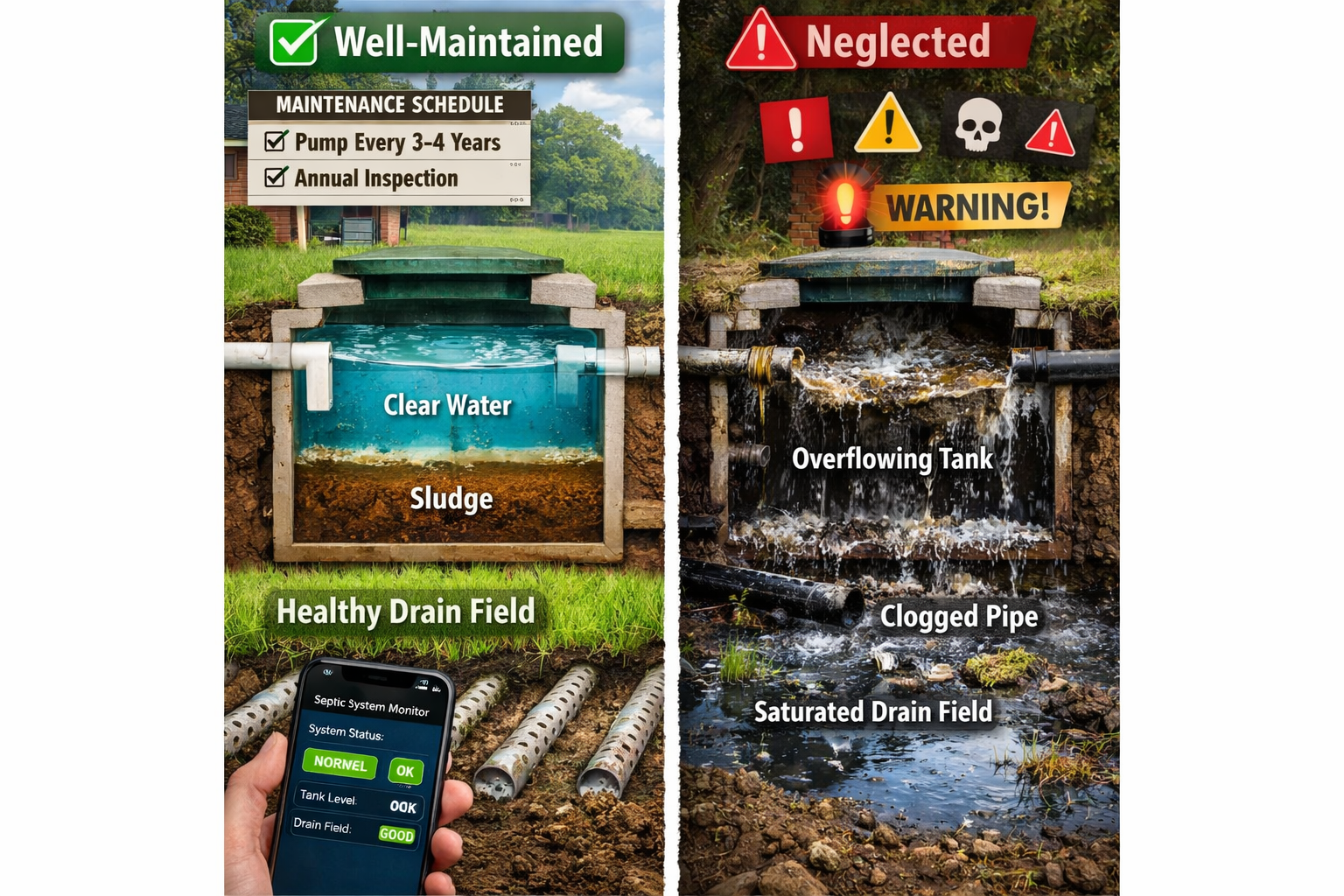
- Soggy or wet areas over the drain field, especially during dry weather
- Strong sewage odors in the yard
- Lush, green grass growing over the drain field (indicating nutrient overload)
- Slow drains throughout the house
- Gurgling sounds from plumbing fixtures
Early leak detection prevents costly failures, as smart sensors can now identify leaks before severe damage occurs, preventing groundwater contamination and reducing the need for emergency repairs [3]. Modern monitoring systems can detect drain field problems before they become visible, allowing for intervention that might save the entire system.
Maintenance and Troubleshooting: Keeping Your Septic System Working
The Economics of Preventive Maintenance
Understanding how do septic tanks work naturally leads to appreciating why maintenance matters so much financially. The global septic tank cleaning and pumping market was valued at $474 million in 2025 and is projected to reach $679 million by 2034, reflecting both the growing number of septic systems and increased awareness of maintenance importance.
Consider these cost comparisons:
- Regular pumping: $300-600 every 3-5 years
- Minor repairs: $500-2,000
- Drain field replacement: $5,000-10,000
- Complete system replacement: $10,000-25,000
The math is simple: spending $100-150 annually on maintenance prevents spending tens of thousands on replacement.
Essential Maintenance Schedule
🗓️ Every 3-5 Years: Professional Pumping
- Remove accumulated sludge and scum
- Inspect tank condition and components
- Check inlet and outlet baffles
- Measure sludge levels
🗓️ Annual Inspections
- Visual check of drain field area
- Monitor household water usage patterns
- Review and update maintenance records
- Test any mechanical components (pumps, alarms)
🗓️ Monthly Monitoring
- Watch for warning signs (slow drains, odors)
- Check water usage habits
- Ensure proper waste disposal practices
- Monitor smart system alerts (if equipped)
Performance-Based Management: The New Standard
The industry is moving away from “install and walk away” approaches. Performance-based management is replacing traditional installation-only services, with modern systems now evaluated on treatment effectiveness, consistency over time, environmental impact, and compliance with discharge limits, requiring ongoing professional involvement after installation.
This shift means:
- Regular performance testing to ensure proper treatment levels
- Adaptive management based on actual system performance
- Professional oversight throughout the system’s lifecycle
- Documentation of treatment effectiveness for regulatory compliance
Smart Maintenance Solutions
Maintenance efficiency has improved significantly with modern technology. IoT-based monitoring systems are optimizing service schedules and preventing unnecessary service calls while catching problems early.
Smart maintenance features include:
- Automated scheduling based on actual usage rather than calendar dates
- Predictive analytics that identify potential problems before they cause failures
- Remote diagnostics that help technicians prepare for service calls
- Digital maintenance records that track system performance over time
Troubleshooting Common Problems
| Problem | Possible Causes | Solutions |
|---|---|---|
| Slow drains throughout house | Tank full, clogged pipes, drain field saturation | Pump tank, inspect pipes, reduce water usage |
| Sewage odors indoors | Dry P-traps, vent blockage, tank gases | Run water in unused drains, check vents, inspect tank |
| Wet areas over drain field | Overloaded system, broken pipes, compacted soil | Reduce water usage, repair pipes, avoid compaction |
| Gurgling sounds | Blocked vents, full tank, drain field problems | Clear vents, pump tank, inspect drain field |
| Alarm activation | High water level, pump failure, power issues | Check power, test pump, call professional |
DIY Maintenance vs. Professional Service
While homeowners can handle basic monitoring and care, certain tasks require professional expertise:
✅ Homeowner Tasks:
- Monitor water usage
- Proper waste disposal
- Basic visual inspections
- Keeping records
⚠️ Professional Tasks:
- Tank pumping and cleaning
- System inspections
- Repairs and replacements
- Performance testing
For homeowners who want to support their system between professional services, maintaining healthy bacterial populations is crucial. Simple monthly treatments can help optimize the biological processes that make septic systems work effectively, potentially extending the time between pump-outs and reducing maintenance costs.
Emergency Preparedness
Smart homeowners prepare for potential septic emergencies:
📋 Emergency Kit:
- Contact information for septic professionals
- System diagrams and maintenance records
- Temporary water reduction plan
- Basic tools for minor issues
🚨 Emergency Response Plan:
- Immediate: Stop water usage if backup occurs
- Short-term: Contact septic professional
- Temporary: Use alternative facilities if needed
- Long-term: Address underlying causes
Understanding how do septic tanks work empowers you to recognize problems early and respond appropriately, potentially saving thousands in emergency repair costs.
Future Innovations in Septic Technology
The Rise of Eco-Friendly Treatment Solutions
The septic industry is experiencing unprecedented innovation, driven by environmental concerns and technological advances. Eco-friendly treatment solutions are advancing rapidly, with aerobic treatment units (ATUs), constructed wetlands, and biofilters paving the way for more sustainable wastewater treatment with improved water quality.
These systems represent a fundamental shift from passive treatment to active, engineered solutions that can achieve treatment levels approaching those of municipal treatment plants.
🌿 Constructed Wetlands use plants and engineered media to provide additional treatment, creating beautiful landscapes while cleaning wastewater. These systems can remove up to 95% of pollutants while providing habitat for wildlife.
💨 Advanced Aeration Systems introduce oxygen to accelerate bacterial breakdown, reducing treatment time and improving effluent quality. Modern systems use energy-efficient blowers and optimized air distribution.
🔬 Biofilter Technologies use specialized media to support beneficial bacteria colonies, providing consistent treatment even during variable loading conditions.
Energy Independence and Sustainability
Energy-neutral treatment is an emerging trend that’s reshaping how we think about septic systems. Low-energy aeration technologies, optimized hydraulic design, and integrated controls are being incorporated into decentralized system designs to minimize lifecycle energy demand [5].
Innovations include:
- Solar-powered systems that operate independently of the electrical grid
- Gravity-fed designs that minimize or eliminate pumping requirements
- Heat recovery systems that capture energy from wastewater
- Smart controls that optimize energy usage based on real-time conditions
Advanced Materials and Longevity
Modern septic systems are built to last longer than ever before. Advanced materials are extending system lifespan significantly, with modern septic tanks using high-density polyethylene (HDPE) and advanced fiberglass that resist corrosion, cracking, and root intrusion better than older concrete or steel tanks.
Material Innovations:
- Antimicrobial coatings that prevent harmful bacterial growth
- Root-resistant barriers that protect pipes and tanks
- Flexible connections that accommodate soil movement
- Corrosion-resistant metals for pumps and hardware
Integration with Smart Home Systems
As homes become increasingly connected, septic systems are integrating with broader smart home ecosystems. Future systems will communicate with:
- Water usage monitoring to optimize household consumption
- Weather stations to predict heavy rainfall and adjust operation
- Home automation systems to coordinate water usage timing
- Utility companies for demand management programs
Regulatory Evolution and Standards
The regulatory landscape is evolving to support innovation while protecting public health. Performance-based management is becoming the standard, with systems evaluated on actual treatment effectiveness rather than just installation compliance [5].
This shift enables:
- Innovative designs that might not fit traditional regulations
- Site-specific solutions tailored to local conditions
- Adaptive management that improves over time
- Technology integration that wasn’t possible under older rules
Market Growth and Accessibility
The rapid growth in septic technology is making advanced systems more accessible to homeowners. The smart septic technology segment is projected to grow by 12% annually through 2030, driven by IoT-based monitoring systems and new service opportunities.
This growth is leading to:
- Lower costs as technology scales and competition increases
- Better financing options for system upgrades and replacements
- Improved service networks with trained technicians
- Standardized interfaces that work across different brands
Preparing for the Future
For homeowners wondering how do septic tanks work in the future, the answer involves much more integration, monitoring, and optimization than today’s systems. While the basic biological processes will remain the same, the control and management of these processes will become increasingly sophisticated.
Future-Proofing Your Investment:
- Choose systems with upgrade pathways for smart technology
- Work with contractors familiar with emerging technologies
- Consider energy efficiency in system selection
- Plan for integration with future home automation systems
The septic industry’s transformation reflects broader trends toward sustainability, efficiency, and smart technology integration. While these advances may seem complex, they all serve the same fundamental goal: reliable, efficient, and environmentally responsible wastewater treatment that protects both your family and the environment.
Helpful Resource for Septic System Maintenance
Maintaining a healthy septic system requires supporting the natural bacterial processes that make everything work. While professional pumping and inspections are essential, many homeowners find that simple monthly treatments help keep their systems running smoothly between service calls.
Here are some of the most convenient septic tank treatment solutions for keeping your system clean, odor-free, and running smoothly—from breaking down sludge and reducing unpleasant smells to helping prevent clogs, backups, and expensive pumping costs. These easy monthly tablets are trusted by many homeowners to maintain a cleaner, healthier septic system with minimal effort.
👉 Check the latest price and see how Septifix can protect your septic system today
These treatments work by introducing beneficial bacteria that support the natural breakdown processes in your septic tank, potentially extending the time between pump-outs and reducing the risk of system problems. While not a replacement for proper maintenance, they can be a helpful addition to your septic care routine.
Conclusion
Understanding how do septic tanks work empowers you to protect one of your home’s most important—yet often overlooked—systems. From the basic three-layer separation process to cutting-edge smart monitoring technology, septic systems represent a remarkable combination of natural biological processes and human engineering.
The key insights for every septic system owner are clear: your system works through natural bacterial breakdown that requires protection and support, modern technology can prevent costly failures through early detection, and regular maintenance is always more affordable than emergency repairs.
As we’ve seen, the septic industry is rapidly evolving with smart monitoring systems, eco-friendly treatment solutions, and performance-based management approaches that make systems more reliable and environmentally responsible than ever before. Smart monitoring technology is transforming maintenance from reactive to proactive, while advanced materials and treatment methods are extending system lifespans and improving treatment quality.
Your Next Steps:
- Assess your current system: Schedule a professional inspection if you haven’t had one recently, and consider whether smart monitoring could benefit your situation.
- Develop a maintenance plan: Create a schedule for regular pumping, inspections, and monitoring based on your household size and system capacity.
- Protect your investment: Implement proper waste disposal practices, manage water usage, and protect your drain field from damage.
- Stay informed: Keep up with technological advances that could improve your system’s performance and reduce long-term costs.
- Build relationships: Establish connections with qualified septic professionals in your area before you need emergency services.
Remember, your septic system is designed to work reliably for decades when properly maintained. By understanding how do septic tanks work and implementing the strategies outlined in this guide, you’re investing in your home’s value, your family’s health, and environmental protection.
The future of septic systems is bright, with innovations that make them more efficient, reliable, and environmentally friendly than ever before. Whether you’re maintaining an existing system or planning for a new installation, the knowledge you’ve gained here will help you make informed decisions that serve you well for years to come.
References
[1] The Future Of Septic Systems Embracing Smart Technology And Eco Friendly Solutions – https://www.pumper.com/bytes/2024/08/the-future-of-septic-systems-embracing-smart-technology-and-eco-friendly-solutions
[2] How Modern Septic Technology Is Changing The Game – https://www.septicblue.com/how-modern-septic-technology-is-changing-the-game
[3] How Technology Is Changing The Future Of Wastewater Management – https://mathisandsonsseptic.com/mathis-sons-septic-blog-orlando-fl/how-technology-is-changing-the-future-of-wastewater-management/
[4] Revolutionary Septic Technology And Innovations Transforming Waste Management Solutions – https://www.texwaywastewater.com/revolutionary-septic-technology-and-innovations-transforming-waste-management-solutions/
[5] Emerging Industry Technology Trends For 2026 – https://news.owpnc.com/emerging-industry-technology-trends-for-2026/
[6] Global Septic Tank Cleaningpumping Forecast Market 26825 – https://www.intelmarketresearch.com/global-septic-tank-cleaningpumping-forecast-market-26825