
How Do I Know My Septic Tank Is Full: Essential Warning Signs for Homeowners

Last updated: March 4, 2026
Key Takeaways
- Slow drains throughout your house are the earliest warning sign that your septic tank is approaching capacity
- Gurgling sounds from pipes and toilets indicate trapped air from system overflow and require immediate attention
- Sewage odors inside or outside your home signal dangerous sludge buildup and gas escape
- Standing water near your septic tank or drain field suggests system overflow and potential contamination
- Sewage backup into fixtures is an emergency requiring immediate professional intervention
- Professional inspection every 1-2 years and pumping every 3-5 years prevents costly system failures
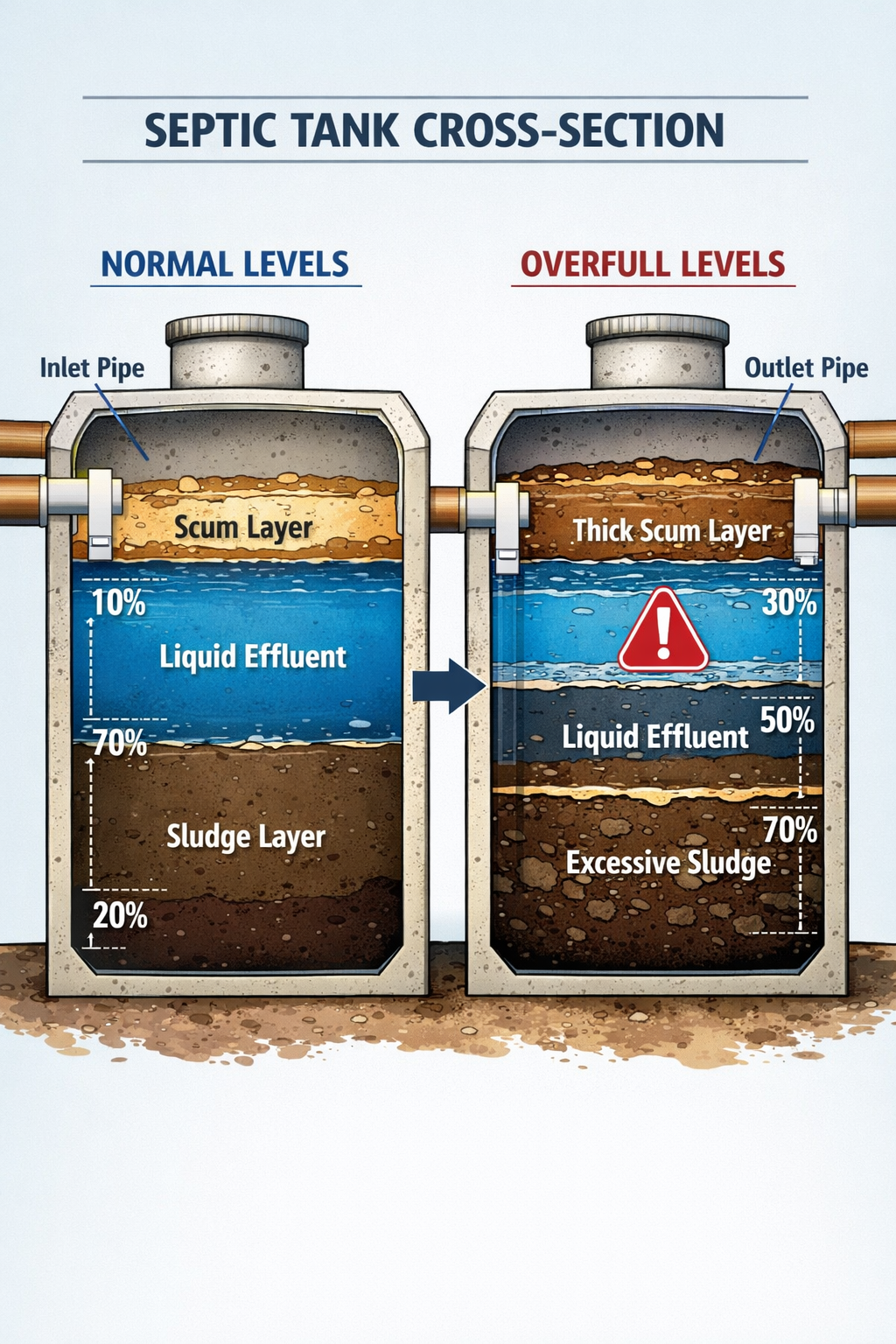
- A septic tank needs pumping when solids occupy 1/3 or more of the tank volume
Quick Answer
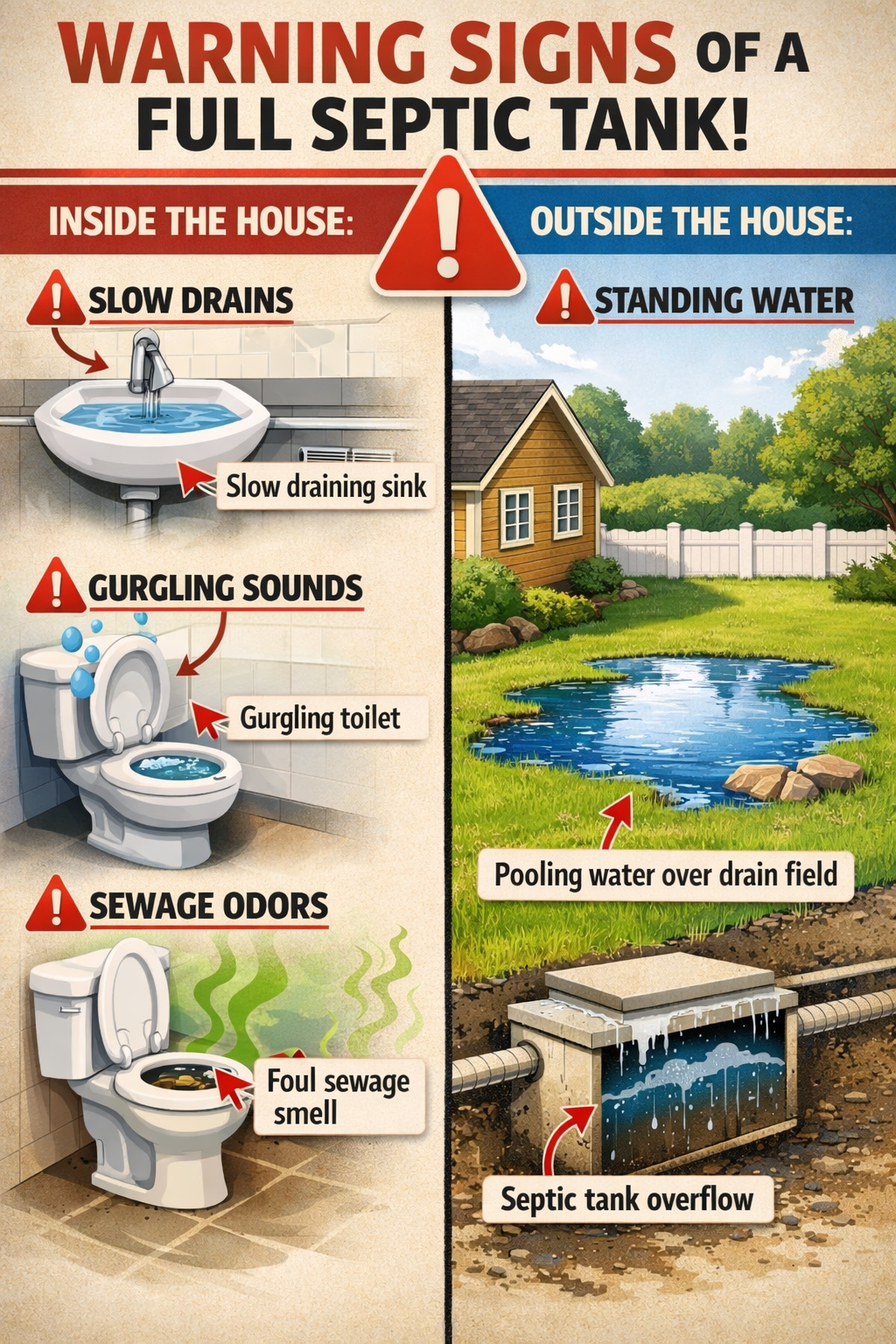
You’ll know your septic tank is full when you notice slow drains throughout your house, hear gurgling sounds from pipes, smell sewage odors, or see standing water near your septic area. The most serious sign is sewage backing up into your toilets, sinks, or showers, which requires immediate professional attention to prevent health hazards and expensive damage.
What Are the Early Warning Signs That Your Septic Tank Is Full?
Slow drains throughout your house are the first indicator that your septic tank is nearing capacity. When your tank can’t handle incoming wastewater, every drain in your home—sinks, showers, toilets, and washing machines—will drain more slowly than usual.
The key warning signs include:
- Multiple slow drains simultaneously – If just one drain is slow, it’s likely a localized clog, but when several drains act up at once, your septic tank is probably full
- Gurgling or bubbling sounds from pipes and toilets, especially when you flush or run water
- Persistent sewage odors inside your home or around your yard, particularly near the septic tank area
- Water backing up in floor drains, utility sinks, or the lowest drains in your home first
Choose immediate inspection if: You notice any combination of these signs, especially if they’ve developed recently or are getting worse. Don’t wait for sewage backup, which creates health hazards and expensive cleanup.
Common mistake: Homeowners often assume slow drains mean individual clogs and try DIY solutions. While one slow drain might be a clog, multiple slow drains almost always indicate septic system issues that require professional attention.
How Do I Know My Septic Tank Is Full by Checking Water Levels?
Professional inspection reveals water level problems when water sits above the outlet pipe, below normal levels, or fluctuates unexpectedly. Normal septic tanks maintain water at the outlet pipe level, but full tanks show distinct water level changes.
Visual inspection indicators:
- Water above outlet pipe – Indicates clogging or overfull conditions preventing proper drainage
- Water below normal levels – Suggests tank leaks or drain field problems
- Fluctuating water levels – May signal groundwater infiltration or seasonal drainage issues
- Scum layer thickness – When the top scum layer reaches within 6 inches of the outlet, pumping is needed
Professional measurement process:
- Technician locates and opens septic tank access port
- Measures distance from tank top to water surface
- Checks sludge depth with specialized probe
- Evaluates scum layer thickness
- Inspects outlet pipe for proper flow
Choose professional inspection if: You’re unsure about water levels, haven’t had inspection in 2+ years, or notice any warning signs. Never attempt to open septic tanks yourself due to dangerous gases.
Edge case: In areas with high groundwater, seasonal water level changes are normal. Your septic professional can distinguish between normal seasonal variation and actual system problems.
What Physical Signs Around My Property Indicate a Full Septic Tank?
Standing water near your septic tank or drain field is the most obvious outdoor sign of system overflow. This pooling water often contains harmful bacteria and creates environmental contamination.
Outdoor warning signs:
- Pooling water around the septic tank, especially after dry weather
- Soggy ground over the drain field that doesn’t dry out normally
- Unusually lush grass above the septic area (indicates nutrient leakage from overflow)
- Strong sewage odors in your yard, particularly near the tank or drain field
- Sewage surfacing in your yard or around manholes
Immediate health concerns:
- Standing septic water contains dangerous bacteria like E. coli and salmonella
- Keep children and pets away from affected areas
- Avoid contact with contaminated soil or water
- Contact septic professionals immediately for emergency service
Choose emergency service if: You see sewage surfacing, smell strong odors outdoors, or notice expanding wet areas. These conditions pose serious health risks and indicate system failure requiring immediate attention.
Common mistake: Homeowners sometimes mistake septic overflow for seasonal drainage problems. True septic overflow typically occurs in specific areas around the tank or drain field and carries distinctive sewage odors.
FYI: Some links may be affiliate links, which means I may earn a small commission at no extra cost to you.
For homeowners looking to maintain their septic systems proactively, Septifix tablets can help break down waste and reduce buildup between professional pumpings. These easy-to-use tablets are trusted by many homeowners to maintain a healthy, efficient septic system with minimal effort.
How Often Should I Check If My Septic Tank Is Full?
Professional inspections should occur every 1-2 years to catch problems before they become expensive emergencies. Regular monitoring prevents system failures and extends your septic system’s lifespan.
Inspection schedule recommendations:
- Annual inspections for households with 4+ people or heavy water usage
- Every 2 years for smaller households with moderate usage
- Every 3-5 years for pumping, depending on tank size and household size
- Immediate inspection if you notice any warning signs
Between professional visits, monitor:
- Drain speed throughout your house
- Unusual sounds from plumbing fixtures
- Any sewage odors indoors or outdoors
- Ground conditions around your septic area
- Water usage patterns that might stress your system
Factors affecting inspection frequency:
- Household size – More people create more waste requiring frequent monitoring
- Tank size – Smaller tanks fill faster and need more frequent attention
- Water usage habits – Heavy laundry, long showers, or frequent guests increase system load
- Age of system – Older systems may need more frequent professional evaluation
Choose more frequent monitoring if: Your household has grown, you’ve increased water usage, or your system is over 20 years old. Signs that your septic tank needs maintenance often develop gradually, making regular monitoring essential.
What Happens When My Septic Tank Gets Too Full?
Sewage backup into your home is the most serious consequence of an overfull septic tank, creating health hazards and expensive damage. When tanks exceed capacity, wastewater has nowhere to go except back through your plumbing.
Progressive consequences:
- Initial stage – Slow drains and gurgling sounds as system struggles
- Intermediate stage – Sewage odors and standing water around property
- Critical stage – Sewage backup into toilets, sinks, and floor drains
- System failure – Complete backup requiring emergency pumping and potential repairs
Health and safety risks:
- Bacterial contamination from E. coli, salmonella, and other pathogens
- Toxic gas exposure including hydrogen sulfide and methane
- Groundwater contamination affecting wells and local water sources
- Property damage from sewage backup requiring professional cleanup
Financial impact:
- Emergency pumping costs 2-3 times normal rates
- Sewage cleanup and sanitization expenses
- Potential drain field repair or replacement
- Health department fines for environmental contamination
Understanding what happens when your septic tank is full helps homeowners recognize the importance of preventive maintenance versus emergency repairs.
Choose emergency service if: You experience any sewage backup indoors. This situation requires immediate professional intervention to protect your family’s health and prevent extensive property damage.
How Can I Prevent My Septic Tank From Getting Full Too Quickly?
Routine pumping every 3-5 years and careful water management prevent premature tank filling and extend system life. Proactive maintenance costs far less than emergency repairs or system replacement.
Essential prevention strategies:
- Schedule regular pumping based on household size and tank capacity
- Spread out water usage – avoid doing multiple loads of laundry in one day
- Fix leaks promptly to prevent unnecessary water entering the system
- Use septic-safe products and avoid harsh chemicals that kill beneficial bacteria
- Pump out every 3-5 years regardless of apparent need
Water conservation tips:
- Install low-flow fixtures and efficient appliances
- Take shorter showers and fix dripping faucets
- Run dishwashers and washing machines with full loads only
- Consider spreading laundry over several days instead of marathon wash sessions
Items to avoid flushing or draining:
- Feminine hygiene products, diapers, or cat litter
- Cooking grease, oils, or coffee grounds
- Harsh chemicals, bleach, or antibacterial soaps
- Cigarette butts, dental floss, or hair in large quantities
For homeowners seeking additional protection, Septifix tablets can help maintain your septic system by breaking down waste more efficiently and reducing the buildup that leads to premature tank filling.
Edge case: Homes with garbage disposals fill septic tanks 25-50% faster due to increased solid waste. Consider limiting disposal use or scheduling more frequent pumping if you rely heavily on your garbage disposal.
FAQ
How do I know if my septic tank is full without an inspection?
Watch for slow drains throughout your house, gurgling sounds from pipes, sewage odors, or standing water near your septic area. Multiple simultaneous symptoms usually indicate a full tank requiring professional attention.
What’s the difference between a full septic tank and a failing system?
A full tank simply needs pumping to remove accumulated solids, while a failing system has damaged components requiring repair or replacement. Full tanks show temporary symptoms that resolve after pumping.
How long does it take for a septic tank to fill up?
Most residential septic tanks fill with solids over 3-5 years under normal usage. Factors like household size, tank capacity, and water usage habits affect this timeline significantly.
Can I pump my septic tank myself?
No, septic tank pumping requires specialized equipment and training. DIY attempts are dangerous due to toxic gases and risk improper waste disposal. Always hire licensed septic professionals.
Why is my septic tank filling up so fast?
Rapid filling usually results from excessive water usage, leaking fixtures, damaged tank components, or items that shouldn’t be flushed. Understanding why your septic tank fills quickly helps identify correctable causes.
What time of year is best for septic tank pumping?
Spring and fall offer ideal conditions with moderate weather and accessible ground conditions. Avoid winter pumping in freezing climates when possible, though emergency situations require immediate service regardless of season.
How much does septic tank pumping cost?
Regular pumping typically costs $300-600, while emergency pumping can cost $800-1,200 or more. Septic pumping costs vary by location and tank accessibility.
Can a full septic tank cause toilet problems?
Yes, full septic tanks commonly cause toilets to flush slowly, make gurgling sounds, or back up completely. These toilet issues often appear before other household drains show symptoms.
How do I find my septic tank for inspection?
Check your home’s original building plans, look for slightly raised ground areas, or follow the main sewer line from your house. Professional tank location services can help if you can’t locate it yourself.
What should I do if sewage backs up into my house?
Stop using all water immediately, contact emergency septic services, keep family and pets away from contaminated areas, and ventilate affected spaces. Don’t attempt cleanup until professionals address the septic issue.
Is it normal for septic tanks to smell?
Occasional mild odors near the tank area can be normal, but persistent strong sewage smells inside your home or throughout your yard indicate problems requiring professional evaluation and likely pumping.
How can I extend time between septic pumpings?
Use water efficiently, avoid flushing inappropriate items, maintain your system properly, and consider septic-safe treatments that help break down waste naturally without harming beneficial bacteria.
Conclusion
Recognizing when your septic tank is full protects your home, health, and wallet from expensive emergencies. The key warning signs—slow drains throughout your house, gurgling sounds from pipes, sewage odors, and standing water around your property—provide clear indicators that your system needs professional attention.
Take action now by:
- Scheduling professional inspection if you’ve noticed any warning signs
- Booking routine pumping if it’s been 3+ years since your last service
- Implementing water conservation practices to extend your system’s life
- Keeping emergency septic service contact information readily available
Remember that preventive maintenance costs a fraction of emergency repairs or system replacement. By staying alert to these warning signs and maintaining regular professional service, you’ll keep your septic system functioning properly for decades while protecting your family’s health and your property value.
For ongoing septic system care between professional services, consider proven septic treatments that help maintain system efficiency and reduce the frequency of problems that lead to premature tank filling.
References
[1] Warning Signs Septic Tank Full – https://tlsepticpumper.com/septic-system-education/warning-signs-septic-tank-full/
[2] Signs Your Septic Tank Is Full And Needs Emptying – https://farmersseptic.com/signs-your-septic-tank-is-full-and-needs-emptying/
[3] Signs Your Septic Tank Is Too Full When To Call The Pros – https://metroseptic.com/blog/signs-your-septic-tank-is-too-full-when-to-call-the-pros/
[4] Septic Tank Full – https://adt.com/resources/septic-tank-full
[5] Signs Of A Full Septic Tank – https://efcnetwork.org/signs-of-a-full-septic-tank/
[6] 7 Critical Signs Of A Full Septic Tank You Cant Ignore – https://westernrooter.com/7-critical-signs-of-a-full-septic-tank-you-cant-ignore/