How Do I Know If My Septic Tank Is Full? Essential Warning Signs Every Homeowner Should Recognize
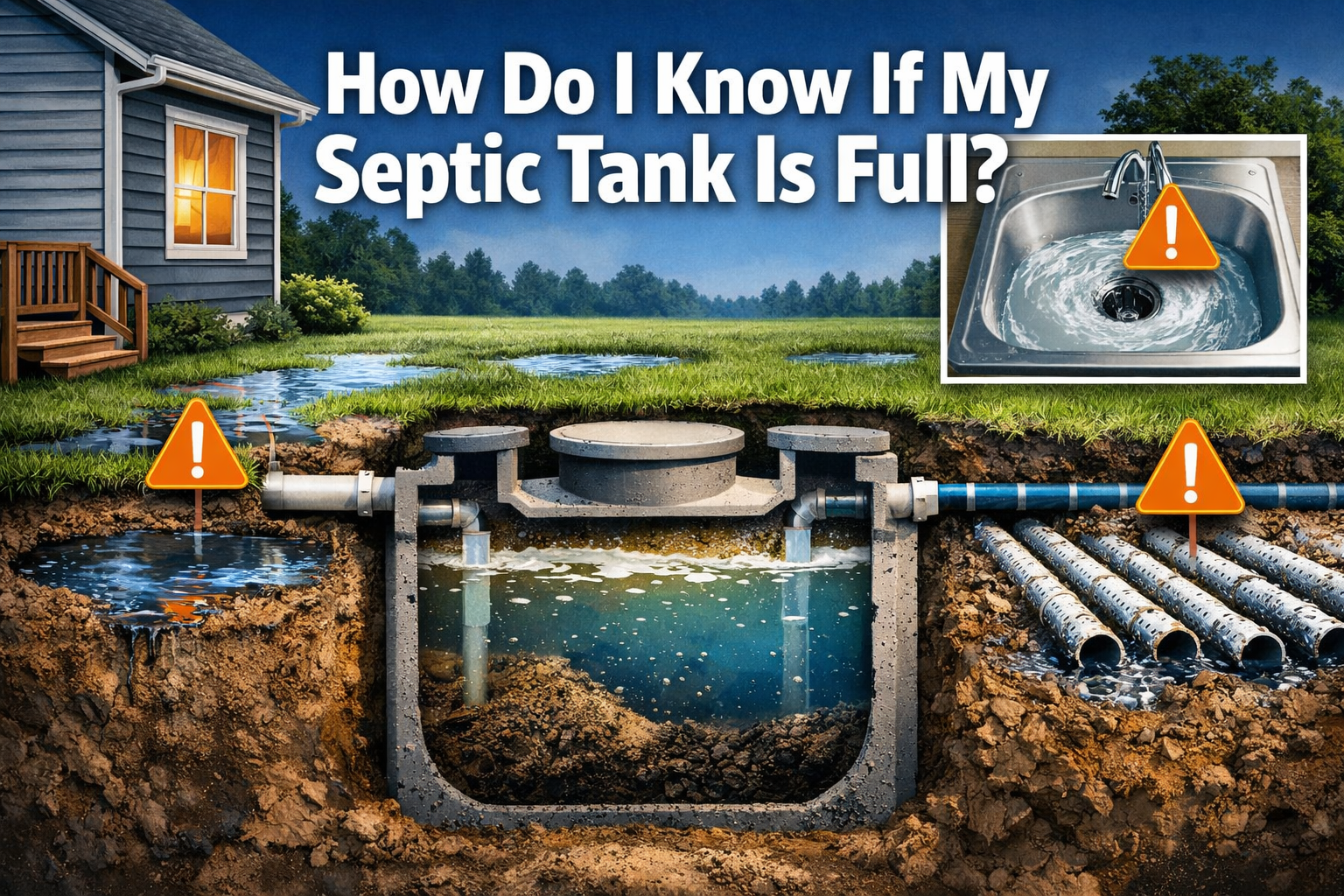
Picture this: you’re enjoying a quiet Sunday morning when suddenly your toilet won’t flush properly, your kitchen sink drains slower than molasses, and there’s an unpleasant odor wafting from your backyard. If you’re asking yourself “How do I know if my septic tank is full?” – you’re not alone, and you’re definitely asking the right question at the right time.
As a homeowner with a septic system, recognizing the warning signs of a full tank can save you thousands of dollars in emergency repairs and prevent the nightmare scenario of sewage backing up into your home. The good news? Your septic system typically gives you plenty of advance warning before it reaches a crisis point.
Key Takeaways
• Multiple slow drains throughout your home, especially when occurring simultaneously, are often the first sign your septic tank needs attention
• Standing water and foul odors around your septic area indicate your system is struggling to process wastewater effectively
• Unusually green or lush grass over your drain field suggests nutrient-rich wastewater is leaking into the soil
• Regular pumping every 3-5 years prevents most full tank problems, but household size and usage patterns affect this timeline
• Professional inspection is the most reliable way to determine your tank’s condition and avoid costly emergency situations
Understanding the Warning Signs: How Do I Know If My Septic Tank Is Full?
Slow Drains Throughout Your Home
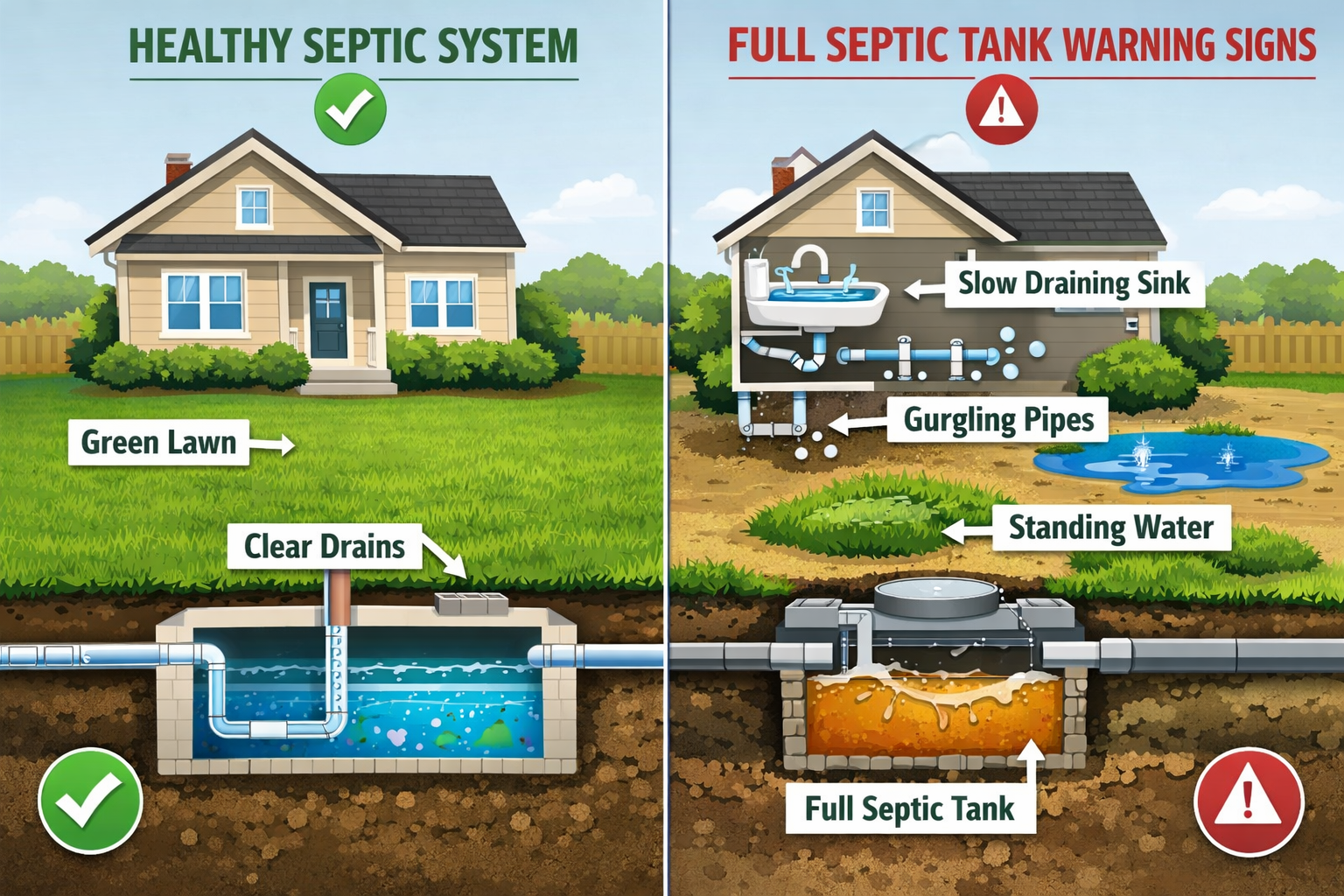
When multiple fixtures in your home start draining slowly at the same time, it’s often the first red flag that your septic tank is reaching capacity. Slow drains in sinks, toilets, and showers become particularly concerning when they affect several areas simultaneously rather than just one isolated fixture.
Here’s what to watch for:
- Kitchen sinks that take longer than usual to empty
- Bathroom drains that gurgle or drain sluggishly
- Toilets that seem weak when flushing
- Shower drains that allow water to pool around your feet
The key difference between a simple clog and a full septic tank is the scope of the problem. A single slow drain usually indicates a localized blockage, while multiple slow drains suggest your septic system can’t handle the incoming wastewater volume.
Standing Water and Pooling Around Your Property
One of the most obvious visual indicators is standing water or pooling around the septic tank and drain field area. This occurs when wastewater cannot drain properly through your system and begins to surface.
Look for these warning signs in your yard:
- Puddles that persist even during dry weather
- Soggy ground around your septic tank location
- Water pooling in your drain field area
- Wet spots that smell like sewage
Pro tip: Mark your septic tank and drain field locations on a property map so you can easily monitor these areas for problems.
Foul Sewage Odors
Unpleasant sewage smells near your tank, drain field, or even inside your home through household drains indicate your system isn’t operating normally. These odors can range from mildly unpleasant to absolutely overwhelming.
Common odor locations include:
- Around the septic tank itself
- Near drain field pipes
- Coming up through household drains
- In your basement or lowest level of your home
Unusually Lush Grass Growth
While a green lawn is usually desirable, unusually lush or green grass over your tank or drain field can signal trouble. This occurs when nutrient-rich wastewater leaks into the soil, essentially over-fertilizing your lawn.
Watch for:
- Grass that’s significantly greener than surrounding areas
- Rapid growth requiring more frequent mowing
- Patches of extra-healthy vegetation in specific patterns
- Plants thriving even during dry conditions
The Three States of Septic Tank Fullness
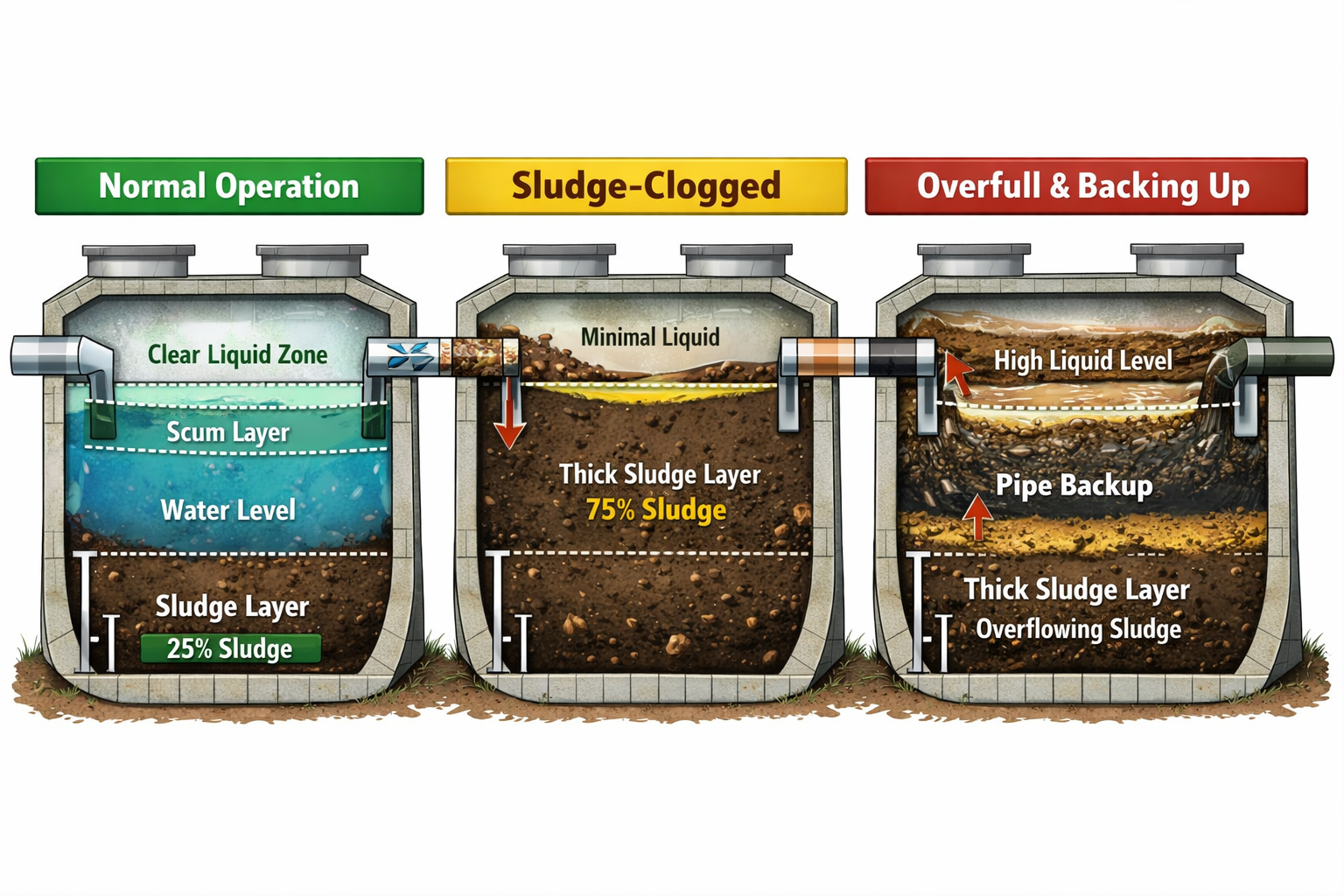
Understanding how your septic tank operates helps you recognize problems early. Your system can exist in three operational states: normal full level, sludge-clogged, and overfull.
Normal Full Level (Healthy Operation)
In this state, your tank maintains the proper liquid level while effectively separating solids, liquids, and oils. Wastewater flows smoothly through the system without backup or overflow.
Sludge-Clogged (Maintenance Needed)
Here, solid waste accumulates faster than it breaks down, gradually reducing your tank’s effective capacity. Once solids occupy one-third or more of the tank capacity, pumping becomes necessary.
Overfull (Emergency Situation)
This critical state occurs when your tank can no longer accommodate incoming wastewater, leading to backups, overflows, and potential health hazards.
FYI: Some links may be affiliate links, which means I may earn a small commission at no extra cost to you.
For homeowners looking to maintain their septic system between professional services, septic tank treatments can help break down waste and reduce buildup. Products like Septifix tablets are designed to support the natural bacterial processes in your tank, potentially extending the time between pumpings and keeping your system running more efficiently.
Serious Warning Signs That Require Immediate Attention
Sewage Backup Into Your Home
Sewage backup into toilets, sinks, or tubs represents the most serious sign of a full septic tank and requires immediate professional intervention. This isn’t just inconvenient – it’s a health hazard that can expose your family to dangerous bacteria and pathogens.
Emergency indicators include:
- Raw sewage appearing in fixtures
- Multiple backups occurring simultaneously
- Sewage odors throughout your home
- Dark, contaminated water in sinks or tubs
Gurgling and Bubbling Sounds
Regular gurgling or bubbling sounds in your pipes point to a full tank that cannot accommodate normal water flow. These sounds occur when air gets trapped in your plumbing system due to poor drainage.
Pay attention to:
- Consistent gurgling when using fixtures
- Bubbling sounds from drains
- Unusual noises when flushing toilets
- Air pockets affecting water flow
Well Water Contamination
For homes with private wells, elevated nitrate levels in your drinking water may indicate a leaking septic tank is contaminating your water supply. This serious health concern requires immediate testing and professional remediation.
Warning signs include:
- Changes in water taste or odor
- Discoloration in well water
- High nitrate levels in water tests
- Bacterial contamination in water samples
If you have questions about septic system maintenance or need additional guidance, check out our comprehensive FAQ section for answers to common homeowner concerns.
How to Inspect Your Septic Tank: Determining If It’s Full
Manual Inspection Method
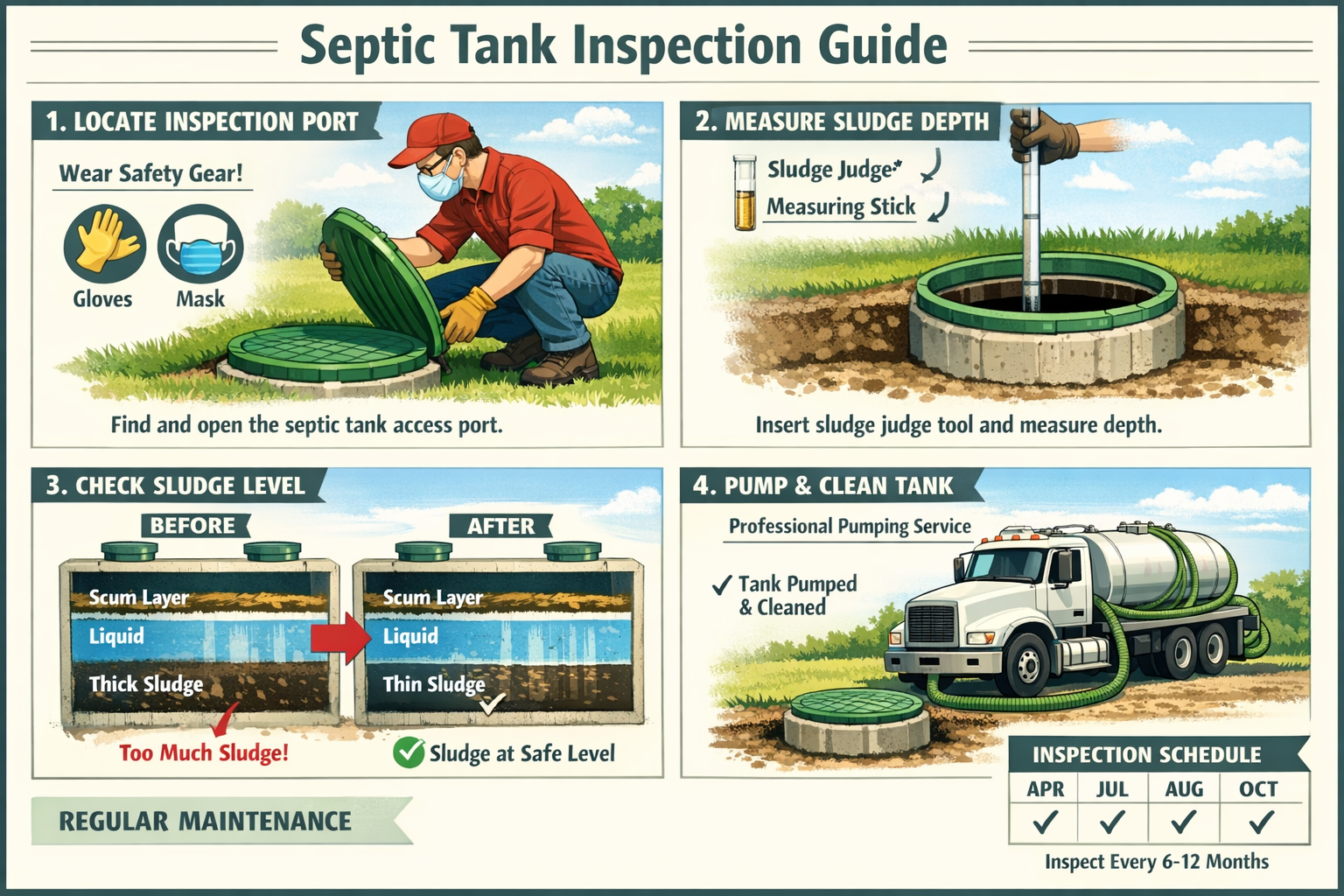
The most reliable way to determine if your septic tank is full involves locating the inspection port and measuring sludge levels compared to liquid levels. This process requires some preparation but provides definitive answers about your tank’s condition.
Tools you’ll need:
- Measuring stick or sludge judge
- Rubber gloves and protective clothing
- Flashlight or headlamp
- Notepad for recording measurements
Step-by-step inspection process:
- Locate your inspection port (usually a round cover near your home)
- Remove the cover carefully and allow gases to dissipate
- Insert your measuring tool to determine total liquid depth
- Measure sludge layer thickness at the bottom of the tank
- Calculate the ratio of sludge to total capacity
Understanding Your Measurements
Professional pumping is recommended when:
- Sludge occupies one-third or more of tank capacity
- Scum layer extends within 6 inches of the outlet
- Total solid accumulation reduces effective capacity significantly
When to Call Professionals
While basic inspection can be done by homeowners, professional evaluation provides the most accurate assessment of your system’s condition. Licensed septic professionals have specialized equipment and expertise to:
- Measure sludge levels precisely
- Assess overall system health
- Identify potential problems before they become emergencies
- Recommend appropriate maintenance schedules
For additional resources and professional guidance on septic system care, visit our helpful resources page where you’ll find maintenance schedules, troubleshooting guides, and expert recommendations.
Pumping Frequency and Maintenance Guidelines
Standard Pumping Schedule
Most septic tanks require pumping every 3-5 years, but this timeline varies significantly based on household size, water usage patterns, and tank capacity. Understanding your specific needs helps prevent problems and optimize system performance.
Factors affecting pumping frequency:
| Household Size | Tank Size | Recommended Frequency |
|---|---|---|
| 1-2 people | 1,000 gallons | Every 5-6 years |
| 3-4 people | 1,000 gallons | Every 3-4 years |
| 5-6 people | 1,000 gallons | Every 2-3 years |
| 3-4 people | 1,500 gallons | Every 4-5 years |
| 5-6 people | 1,500 gallons | Every 3-4 years |
Usage Patterns That Affect Tank Capacity
High water usage accelerates tank filling and may require more frequent pumping. Consider these factors when planning maintenance:
Water usage accelerators:
- 🚿 Long showers and frequent baths
- 🧺 Multiple loads of laundry per day
- 🏠 Large households or frequent guests
- 💧 Leaky fixtures or running toilets
Waste disposal habits:
- 🚽 Flushing non-biodegradable items
- 🥘 Excessive food waste down garbage disposals
- 🧴 Harsh chemicals and antibacterial products
- 🧻 Too much toilet paper or feminine products
Preventive Maintenance Tips
Regular maintenance extends your system’s lifespan and prevents costly emergency repairs. Simple habits can significantly impact your tank’s performance:
Daily habits that help:
- Spread out laundry over several days
- Take shorter showers to reduce water volume
- Fix leaks promptly to prevent system overload
- Use septic-safe products for cleaning and personal care
Monthly maintenance tasks:
- Inspect visible components for signs of problems
- Check for unusual odors around your property
- Monitor drain performance throughout your home
- Review water usage patterns and adjust as needed
Helpful Products for Septic System Maintenance
Maintaining a healthy septic system doesn’t have to be complicated. Septic tank treatment products can help support the natural bacterial processes that break down waste in your tank, potentially reducing the frequency of pumping and preventing common problems.
Septifix tablets offer several benefits for homeowners:
- Break down organic waste more efficiently
- Reduce odors from your septic system
- Help prevent blockages in pipes and drain fields
- Support beneficial bacteria that process waste naturally
- Easy-to-use tablets require minimal effort
While these products aren’t a replacement for regular pumping and professional maintenance, they can be a valuable addition to your septic care routine. Many homeowners find that consistent use of quality septic treatments helps keep their systems running smoothly between professional services.
👉 See how Septifix tablets can keep your septic system clean and efficient and potentially extend the time between costly pump-outs.
For more information about septic system care and maintenance, feel free to contact our team with specific questions about your system’s needs.
Cost Considerations and Emergency Prevention
Regular Maintenance vs. Emergency Repairs
Preventive maintenance costs significantly less than emergency repairs. Understanding these cost differences helps homeowners make informed decisions about septic system care.
Typical maintenance costs:
- Routine pumping: $300-600 every 3-5 years
- Annual inspections: $100-300 per year
- Septic treatments: $20-50 per year
- Minor repairs: $150-500 as needed
Emergency repair costs:
- System backup cleanup: $1,000-5,000
- Drain field replacement: $5,000-15,000
- Complete system replacement: $10,000-25,000
- Environmental remediation: $2,000-10,000
Planning for Septic System Expenses
Creating a septic maintenance budget helps homeowners avoid financial surprises and ensures proper system care:
Annual budget recommendations:
- Set aside $200-400 annually for routine maintenance
- Plan for pumping costs every 3-5 years
- Maintain an emergency fund for unexpected repairs
- Consider septic insurance or home warranty coverage
Signs It’s Time to Call Professionals
Certain situations require immediate professional intervention to prevent health hazards and property damage:
Call immediately for:
- ⚠️ Sewage backup into your home
- ⚠️ Standing sewage water on your property
- ⚠️ Strong sewage odors inside your home
- ⚠️ Well water contamination concerns
Schedule professional service for:
- 📅 Routine pumping based on your schedule
- 📅 Annual system inspections
- 📅 Persistent slow drains throughout your home
- 📅 Unusual grass growth over your drain field
Environmental Impact and Health Considerations
Protecting Your Family’s Health
A properly functioning septic system protects your family from exposure to harmful bacteria, viruses, and parasites found in untreated wastewater. Understanding health risks helps prioritize proper maintenance.
Health risks from septic system failure:
- Bacterial infections from direct contact with sewage
- Waterborne illnesses from contaminated well water
- Respiratory problems from sewage gases
- Skin and eye irritation from contaminated water
Environmental Protection
Well-maintained septic systems protect local water sources and prevent environmental contamination. Failed systems can impact:
- Groundwater quality in your area
- Surface water including streams and lakes
- Soil contamination around your property
- Local ecosystem health and wildlife
Community Responsibility
Proper septic maintenance benefits your entire community by preventing widespread contamination and protecting shared water resources. Many areas have regulations requiring:
- Regular system inspections
- Proper waste disposal practices
- Environmental compliance standards
- Professional maintenance documentation
Seasonal Considerations and Special Circumstances
Winter Weather Challenges
Cold weather can affect septic system performance and mask certain warning signs. Winter considerations include:
Cold weather impacts:
- Frozen pipes may mimic slow drain symptoms
- Snow cover can hide standing water problems
- Reduced bacterial activity in cold temperatures
- Difficult access for inspections and pumping
Winter maintenance tips:
- Insulate exposed pipes to prevent freezing
- Maintain consistent water usage to keep systems active
- Avoid driving over septic components in snow
- Schedule pumping during milder weather when possible
High-Usage Periods
Holiday gatherings and summer activities can stress your septic system beyond normal capacity:
Managing high-usage periods:
- Spread out laundry and dishwashing
- Limit shower lengths when hosting guests
- Avoid simultaneous heavy water usage
- Monitor system performance more closely
Vacation Home Considerations
Seasonal properties require special septic system attention due to irregular usage patterns:
Seasonal property tips:
- Pump before extended non-use periods
- Gradually resume normal usage when returning
- Check for problems after winter shutdowns
- Maintain beneficial bacteria with appropriate treatments
Technology and Modern Solutions
Advanced Monitoring Systems
Modern septic systems can include monitoring technology that alerts homeowners to potential problems before they become serious:
Available monitoring options:
- Alarm systems for high water levels
- Remote monitoring via smartphone apps
- Automatic pump controls for advanced systems
- Flow monitoring to track usage patterns
Eco-Friendly Treatment Options
Environmentally conscious homeowners have access to treatment products that support natural processes without harmful chemicals:
Green septic solutions:
- Bacterial additives that enhance natural breakdown
- Enzyme treatments for organic waste processing
- Natural odor control products
- Biodegradable household products that won’t harm your system
Future-Proofing Your System
Planning for long-term septic system needs helps homeowners make informed decisions about upgrades and improvements:
Upgrade considerations:
- Larger tank capacity for growing families
- Advanced treatment systems for sensitive areas
- Backup pump systems for reliability
- Distribution box upgrades for better drainage
Conclusion
Recognizing the warning signs of a full septic tank empowers you to take action before minor issues become major disasters. The key indicators – slow drains, standing water, foul odors, and unusually lush grass – typically appear well before your system reaches a crisis point, giving you time to schedule professional maintenance.
Remember that regular pumping every 3-5 years, combined with proper usage habits and quality treatments, prevents most septic system problems. The investment in preventive maintenance pays dividends by avoiding expensive emergency repairs and protecting your family’s health.
Your next steps should include:
- Inspect your property for the warning signs discussed in this article
- Schedule professional pumping if it’s been more than 3-5 years
- Create a maintenance calendar to track future service needs
- Implement water conservation practices to reduce system stress
- Consider septic-safe treatments to support your system between services
Don’t wait for sewage backup or system failure to take action. Proactive septic system care protects your investment, your family’s health, and your local environment while saving you thousands of dollars in potential repair costs.
For ongoing support and expert guidance on septic system maintenance, explore our complete collection of resources designed specifically for homeowners who want to keep their systems running smoothly year after year.
References
[1] How To Tell If Your Septic Tank Is Full – https://www.bdpplumbing.com/how-to-tell-if-your-septic-tank-is-full
[2] Signs Of A Full Septic Tank – https://efcnetwork.org/signs-of-a-full-septic-tank/
[3] How To Tell If Your Septic Tank Is Full Or Clogg – https://www.swiftbrothers.com/blog/2023/april/how-to-tell-if-your-septic-tank-is-full-or-clogg/
[4] Signs Your Septic Tank Is Too Full When To Call The Pros – https://www.metroseptic.com/blog/signs-your-septic-tank-is-too-full-when-to-call-the-pros/
[5] Septic Tank Full – https://www.adt.com/resources/septic-tank-full