How a Septic Tank Works: A Complete Guide for Homeowners
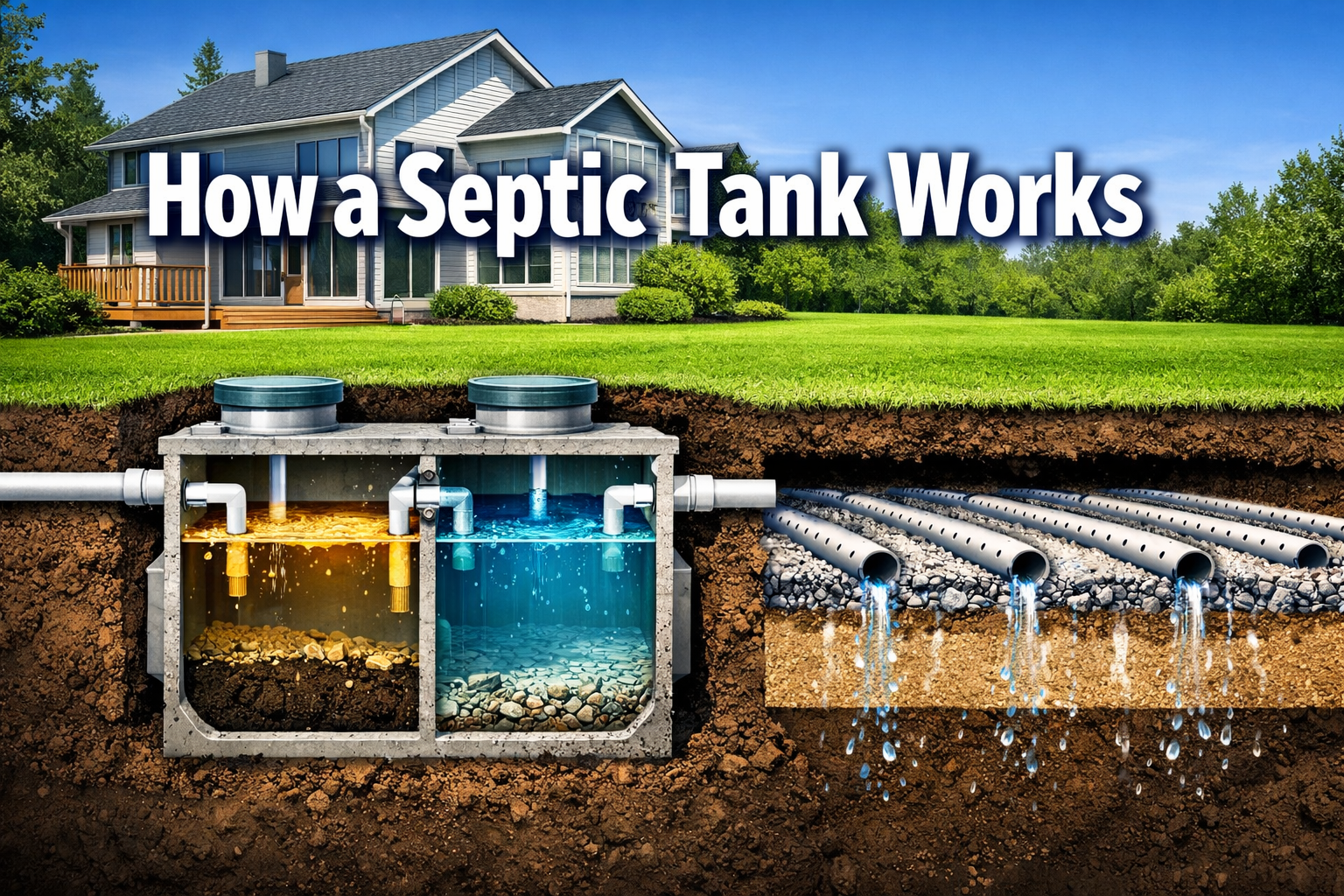
Picture this: You flush your toilet, and within seconds, waste disappears from your home. But if you’re among the 25% of North American households that rely on septic systems, that waste isn’t heading to a municipal treatment plant—it’s beginning a fascinating journey through your own personal wastewater treatment facility buried in your backyard. Understanding how a septic tank works isn’t just interesting; it’s essential knowledge that can save you thousands of dollars in repairs and keep your family healthy.
In 2026, septic technology has evolved far beyond the simple concrete boxes of decades past. With smart monitoring systems, advanced materials, and IoT-enabled sensors revolutionizing the industry, modern septic systems are more efficient and reliable than ever. Whether you’re a new homeowner with your first septic system or a property manager overseeing multiple installations, this comprehensive guide will walk you through everything you need to know about how septic tanks function, what can go wrong, and how to keep your system running smoothly for decades to come.
Key Takeaways
• Septic tanks work through natural bacterial processes that break down waste in three distinct layers: scum, effluent, and sludge
• Regular maintenance every 3-5 years prevents costly system failures and protects groundwater from contamination
• Modern septic technology includes smart monitoring systems and advanced materials that improve efficiency by 25-30%
• Proper usage habits like avoiding harsh chemicals and limiting water usage extend your system’s lifespan significantly
• Early problem detection through professional inspections and monitoring can prevent repairs that cost $3,000-$10,000 or more
Understanding the Basics: How a Septic Tank Works
The Science Behind Septic Systems
A septic tank operates as a natural wastewater treatment facility using the power of gravity, bacteria, and time. When wastewater leaves your home through the main drain, it enters a buried tank where anaerobic bacteria—microorganisms that thrive without oxygen—begin breaking down organic matter.
The process relies on three fundamental principles:
- Separation by density – Different materials naturally settle into distinct layers
- Bacterial decomposition – Beneficial bacteria digest organic waste
- Filtration – Treated water slowly filters through soil in the drain field
This biological process has remained essentially unchanged for over a century, though modern innovations have made it far more efficient and reliable.
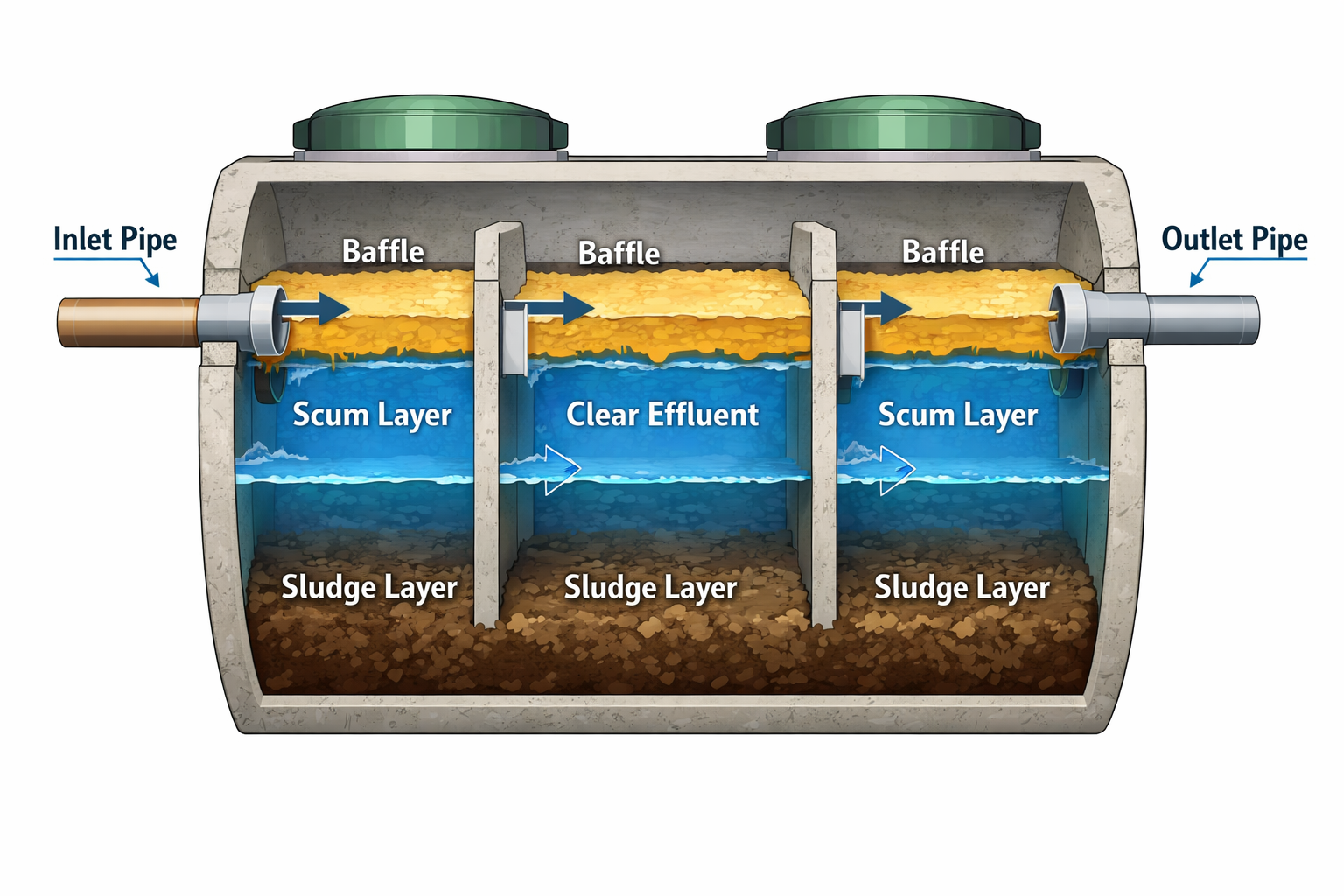
The Three-Chamber System
Most modern septic tanks feature three distinct chambers or compartments that work together:
Primary Chamber (Inlet)
- Receives all wastewater from your home
- Begins initial separation process
- Houses the majority of bacterial activity
Secondary Chamber (Middle)
- Continues decomposition process
- Further clarifies effluent
- Reduces solid particles
Final Chamber (Outlet)
- Provides final settling
- Releases cleanest possible effluent
- Connects to distribution box
The Magic of Bacterial Breakdown
The real heroes of your septic system are anaerobic bacteria that naturally occur in human waste. These microscopic workers:
- Break down proteins, fats, and carbohydrates
- Convert complex organic matter into simpler compounds
- Produce gases (methane, hydrogen sulfide) that escape through your home’s vent system
- Create a self-sustaining ecosystem when properly maintained
“A healthy septic tank contains billions of beneficial bacteria working 24/7 to process your family’s waste naturally and safely.”
The Step-by-Step Process: How a Septic Tank Works From Start to Finish
Step 1: Wastewater Entry and Initial Separation
When you flush a toilet, run the dishwasher, or take a shower, wastewater flows through your home’s main drain line into the septic tank’s inlet pipe. This pipe typically enters the tank about halfway down its height, allowing for proper flow dynamics.
Upon entering the tank, wastewater immediately begins separating into three distinct layers:
🔝 Scum Layer (Top)
- Oils, grease, and floating debris
- Toilet paper and other light materials
- Typically 10-15% of tank contents
💧 Effluent Layer (Middle)
- Clarified liquid wastewater
- Contains dissolved nutrients and bacteria
- Makes up 70-80% of tank volume
⬇️ Sludge Layer (Bottom)
- Heavy solids that sink
- Decomposing organic matter
- Accumulates over time (10-15% of contents)
Step 2: Bacterial Decomposition Process
Once waste settles into layers, anaerobic bacteria begin their crucial work. These naturally occurring microorganisms:
- Digest organic solids in the sludge layer, converting them into liquid and gas
- Break down fats and oils in the scum layer through enzymatic action
- Clarify the effluent by consuming dissolved organic matter
- Produce beneficial enzymes that accelerate the decomposition process
This bacterial activity typically takes 24-48 hours for initial breakdown, though complete decomposition can take several weeks.
Step 3: Effluent Discharge and Distribution
As new wastewater enters the tank, an equal volume of treated effluent exits through the outlet pipe. This pipe sits slightly lower than the inlet, creating natural flow. The effluent then travels to a distribution box that evenly disperses it throughout the drain field.
FYI: Some links may be affiliate links, which means I may earn a small commission at no extra cost to you.
To help maintain this delicate bacterial balance and prevent system disruptions, many homeowners use monthly septic treatments. If you want something convenient to support your system’s natural processes, septic tank treatment tablets can help break down sludge, reduce odors, and maintain healthy bacterial levels with minimal effort on your part.
Step 4: Soil Filtration and Final Treatment
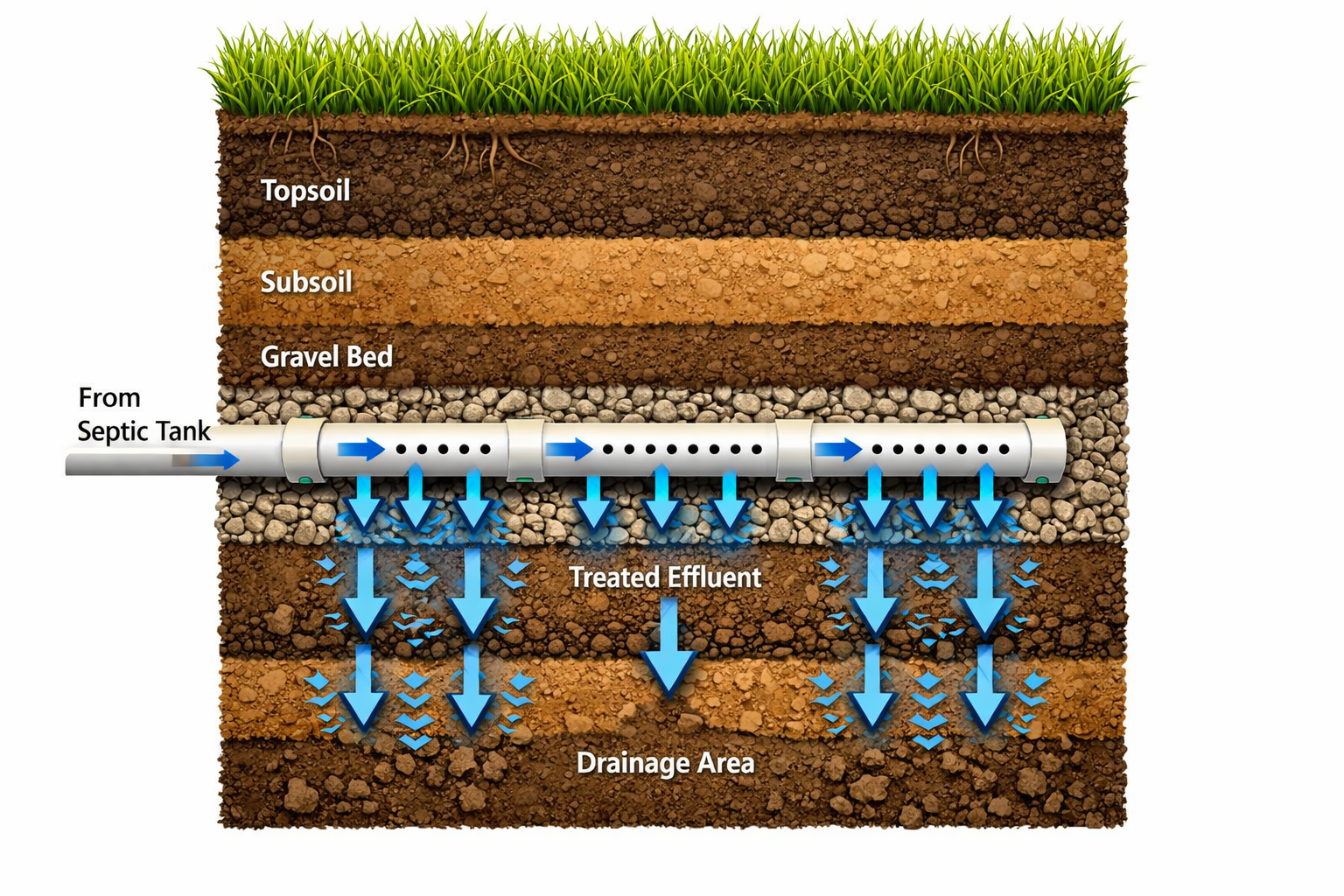
The drain field (also called leach field) provides the final stage of treatment. As effluent percolates through layers of soil:
- Physical filtration removes remaining particles
- Chemical absorption neutralizes harmful substances
- Biological activity in soil further breaks down contaminants
- Groundwater protection occurs through natural purification
Properly functioning soil can remove 99% of bacteria and viruses from septic effluent before it reaches groundwater sources.
Types of Septic Systems: How Different Septic Tank Designs Work
Conventional Gravity-Fed Systems
The most common type, conventional systems rely entirely on gravity to move wastewater through the treatment process. These systems work best in areas with:
- Adequate soil depth (at least 2-4 feet to groundwater)
- Proper soil percolation rates (not too fast or slow)
- Gentle slopes for natural drainage
Advantages:
- Lower installation and maintenance costs
- No electrical components to fail
- Simple, reliable operation
Limitations:
- Requires specific soil conditions
- Not suitable for all property types
- Limited flexibility in placement
Advanced Treatment Systems
Modern septic technology has introduced several enhanced treatment options:
Sand Filter Systems
Sand filter systems use pumps to push waste through sand-filled pipes for natural filtration before reaching the water table. They’re more compact than mound systems but require regular maintenance and electricity[5][6].
Pressure Distribution Systems
These systems allow installation within two feet of the water table by quickly pushing waste into the drain field via pump[5].
Aerobic Treatment Units (ATUs)
- Add oxygen to accelerate bacterial breakdown
- Produce higher-quality effluent
- Allow for surface discharge in some areas
- Require electrical power and more maintenance
Smart Septic Systems in 2026
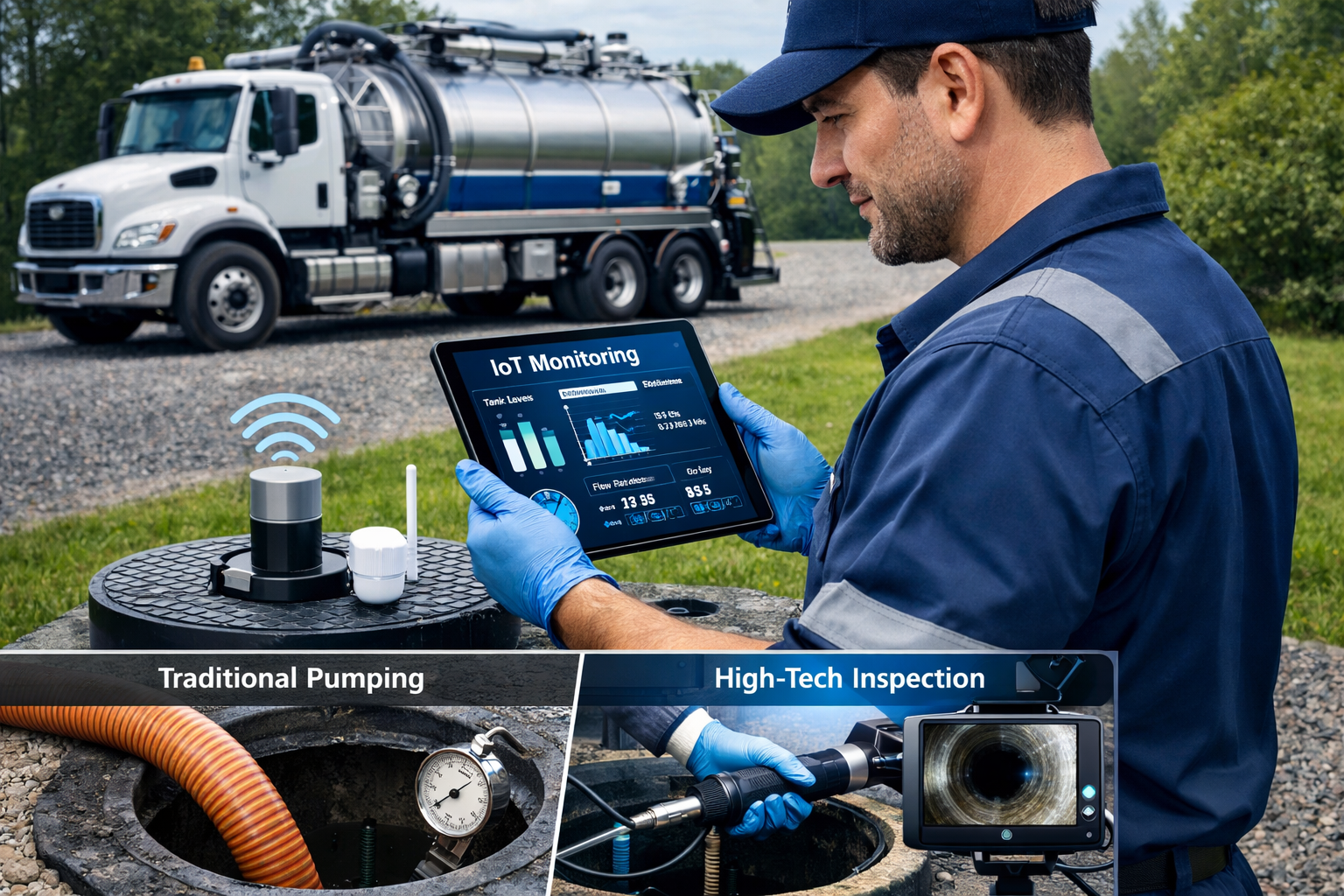
The latest innovation involves IoT-enabled monitoring systems that provide real-time data on:
- Tank liquid levels
- Flow rates and usage patterns
- System performance metrics
- Maintenance scheduling alerts
Smart monitoring systems now enable real-time tracking of tank levels, flow rates, and system performance through sensors and wireless technology, allowing homeowners and professionals to detect issues before they become costly repairs.
Modern Septic Technology: How Advanced Systems Work
Revolutionary Materials and Construction
The septic industry has embraced advanced materials that significantly outperform traditional options:
High-Density Polyethylene (HDPE) Tanks
- Resist corrosion and cracking
- Lightweight for easier installation
- 50+ year lifespan
- Seamless construction prevents leaks
Engineered Fiberglass Systems
Advanced materials like high-density polyethylene (HDPE) and engineered fiberglass now replace older concrete and steel tanks, resisting corrosion, cracking, and root intrusion more effectively.
Benefits include:
- Superior chemical resistance
- Excellent structural integrity
- Smooth interior surfaces promote better flow
- Immune to root intrusion
IoT Integration and Smart Monitoring
IoT-enabled septic monitoring systems represent an emerging market segment projected to grow 12% annually through 2030, creating predictable maintenance schedules.
Modern smart systems offer:
Real-Time Monitoring
- Continuous level sensing
- Flow rate tracking
- Temperature monitoring
- pH and chemical balance alerts
Predictive Maintenance
- Algorithm-based failure prediction
- Automated service scheduling
- Performance trend analysis
- Cost optimization recommendations
Remote Management
- Smartphone app integration
- Cloud-based data storage
- Professional monitoring services
- Emergency alert systems
Enhanced Cleaning and Maintenance Technology
Improved cleaning efficiency comes from advanced equipment including high-powered vacuum trucks, fiber-optic cameras, and remote-operated tools for more thorough inspections.
Modern maintenance tools include:
- Fiber-optic inspection cameras for detailed interior assessment
- High-powered vacuum trucks with precise suction control
- Robotic cleaning systems for thorough tank cleaning
- Ultrasonic level sensors for accurate monitoring
Real-time sensor technology has improved efficiency by 25-30% in commercial applications, with residential systems seeing similar benefits.
Maintenance and Care: Keeping Your Septic System Working Properly
Essential Maintenance Schedule
Every 1-3 Years: Professional Inspection
- Visual assessment of tank condition
- Measurement of sludge and scum layers
- Evaluation of inlet/outlet baffles
- Drain field performance check
Every 3-5 Years: Tank Pumping
- Complete removal of accumulated sludge
- Scum layer elimination
- Tank cleaning and inspection
- Component replacement if needed
Annual: Homeowner Inspection
- Check for surface water pooling
- Monitor household drains for slow drainage
- Inspect tank lids and access ports
- Document any unusual odors
Daily Habits That Protect Your System
✅ DO:
- Use septic-safe toilet paper
- Run full loads in dishwasher and washing machine
- Fix leaky faucets and running toilets promptly
- Spread laundry loads throughout the week
- Use liquid laundry detergents
❌ DON’T:
- Flush non-biodegradable items
- Pour grease or cooking oil down drains
- Use excessive household cleaners
- Install garbage disposal (or use sparingly)
- Plant trees near the drain field
Water Conservation Strategies
Reducing water usage extends time between pumpings and prevents system overload:
| Appliance | Water-Saving Tip | Annual Savings |
|---|---|---|
| Toilets | Install low-flow models | 4,000-6,000 gallons |
| Showers | Use low-flow showerheads | 2,500-3,000 gallons |
| Washing Machine | Upgrade to high-efficiency model | 3,000-5,000 gallons |
| Dishwasher | Run only full loads | 1,000-1,500 gallons |
Chemical Balance and Bacterial Health
Maintaining proper bacterial populations is crucial for effective waste breakdown:
Beneficial Practices:
- Avoid antibacterial soaps in excess
- Limit bleach and harsh cleaners
- Consider bacterial additives if needed
- Maintain consistent waste input
For homeowners looking for a simple way to support their septic system’s bacterial balance, monthly treatment tablets offer an easy solution. These convenient tablets can help maintain healthy bacteria levels, reduce sludge buildup, and minimize odors—all while requiring minimal effort from busy homeowners.
Troubleshooting Common Problems
Warning Signs of System Failure
🚨 Immediate Action Required:
- Sewage backup in home
- Strong odors around tank or drain field
- Bright green grass over drain field
- Surface water pooling after dry weather
⚠️ Schedule Professional Inspection:
- Slow-draining fixtures throughout home
- Gurgling sounds in plumbing
- High nitrate levels in well water
- Unusually lush vegetation near system
DIY Troubleshooting Steps
Before calling a professional:
- Check household water usage – Reduce consumption temporarily
- Inspect accessible components – Look for obvious damage or blockages
- Review recent activities – Consider if anything unusual went down drains
- Document symptoms – Note timing, location, and severity of issues
When to Call Professionals
Immediate professional help needed for:
- Any sewage backup or overflow
- Strong hydrogen sulfide (rotten egg) odors
- Visible damage to tank or distribution box
- Suspected groundwater contamination
Professional services include:
- Emergency pumping and cleaning
- System component replacement
- Drain field repair or replacement
- Permit acquisition for major repairs
Cost Considerations and Market Trends
Investment in Septic Systems
The North America septic tanks market was valued at $1.14 billion in 2023 and is projected to reach $1.54 billion by 2032[3], reflecting growing demand for reliable wastewater treatment.
Typical costs in 2026:
New System Installation:
- Conventional system: $3,000-$7,000
- Advanced treatment system: $8,000-$15,000
- Smart monitoring addition: $1,500-$3,000
Regular Maintenance:
- Professional inspection: $200-$400
- Tank pumping: $300-$600
- Minor repairs: $150-$500
Major Repairs:
- Drain field replacement: $5,000-$15,000
- Tank replacement: $3,000-$8,000
- Complete system overhaul: $10,000-$25,000
Growing Service Industry
The global septic tank cleaning and pumping market was valued at $474 million in 2025 and is projected to reach $679 million by 2034, representing a 5.3% compound annual growth rate.
This growth reflects:
- Increasing awareness of proper maintenance
- Stricter environmental regulations
- Adoption of professional service contracts
- Technology-driven efficiency improvements
Mechanical cleaning methods represent 38% of the 2025 market share, with growing adoption of automated equipment.
Future Innovations and Industry Trends
Emerging Technologies
The 2026 WWETT Show featured over 80 first-time exhibitors showcasing new septic technology, materials, and equipment, highlighting rapid industry innovation.
Cutting-edge developments include:
Artificial Intelligence Integration
- Predictive failure modeling
- Automated maintenance scheduling
- Performance optimization algorithms
- Cost-benefit analysis tools
Advanced Biological Treatments
- Engineered bacterial cultures
- Enzyme enhancement systems
- Biofilm reactor technology
- Nutrient removal innovations
Sustainable Materials
- Recycled plastic components
- Bio-based tank materials
- Solar-powered monitoring systems
- Carbon-neutral manufacturing processes
Environmental Impact Improvements
Modern septic systems increasingly focus on environmental protection:
Water Quality Enhancement
- Advanced nutrient removal
- Phosphorus reduction technology
- Nitrogen conversion systems
- Pathogen elimination methods
Ecosystem Protection
- Reduced groundwater contamination
- Minimized surface water impact
- Soil health preservation
- Wildlife habitat protection
Helpful Resource for Septic System Maintenance
Maintaining a septic system requires consistent attention to bacterial health, sludge management, and odor control. While professional pumping and inspection remain essential, many homeowners find that monthly maintenance treatments help keep their systems running smoothly between service visits.
Here are some of the most convenient septic tank treatment solutions for keeping your system clean, odor-free, and running smoothly—from breaking down sludge and reducing unpleasant smells to helping prevent clogs, backups, and expensive pumping costs. These easy monthly tablets are trusted by many homeowners to maintain a cleaner, healthier septic system with minimal effort.
👉 Check the latest price and see how Septifix can protect your septic system today
These treatments work by introducing beneficial bacteria and enzymes that support your system’s natural waste breakdown processes. While not a replacement for proper maintenance, they can be a helpful addition to your septic care routine.
Conclusion
Understanding how a septic tank works empowers you to make informed decisions about maintenance, troubleshooting, and upgrades that can save thousands of dollars over your system’s lifetime. From the basic three-layer separation process to cutting-edge IoT monitoring systems, septic technology continues evolving to provide more reliable, efficient wastewater treatment.
Your next steps should include:
- Schedule a professional inspection if you haven’t had one in the past two years
- Implement water conservation measures to reduce system stress
- Consider smart monitoring technology for proactive maintenance
- Establish a regular maintenance routine with a qualified service provider
- Educate family members about septic-safe practices
Remember that your septic system is a significant investment in your property’s value and your family’s health. With proper understanding and maintenance, a well-designed septic system can provide decades of reliable service while protecting the environment and groundwater resources for future generations.
The septic industry’s continued innovation means that whether you’re maintaining an existing system or planning a new installation, you have access to more advanced, reliable, and environmentally friendly options than ever before. Take advantage of these improvements, stay informed about best practices, and don’t hesitate to consult with professionals when questions arise.
Your septic system works hard for you every day—return the favor with the knowledge and care it deserves.
References
[1] How Modern Septic Technology Is Changing The Game – https://www.septicblue.com/how-modern-septic-technology-is-changing-the-game
[2] Global Septic Tank Cleaningpumping Forecast Market 26825 – https://www.intelmarketresearch.com/global-septic-tank-cleaningpumping-forecast-market-26825
[3] North America Septic Tanks Market 108953 – https://www.fortunebusinessinsights.com/north-america-septic-tanks-market-108953
[4] 2026 Wwett Show Spotlights Innovations In The Wastewater Industry – https://trenchlesstechnology.com/2026-wwett-show-spotlights-innovations-in-the-wastewater-industry/
[5] Septic Tank Installation – https://modernize.com/plumbing/systems/drainage/septic-tank-installation
[6] Septic System Types – https://www.premiertechaqua.com/en-us/blog/septic-system-types
[7] 5 New Years Resolutions For A Healthier Septic System In 2026 – https://www.metroseptic.com/blog/5-new-years-resolutions-for-a-healthier-septic-system-in-2026/
[8] Septic – https://www.epa.gov/septic