Last updated: March 2, 2026
Key Takeaways
• Pump your septic tank every 3-5 years and inspect it annually to prevent dangerous backups and system failures
• Never flush non-biodegradable items like wipes, medications, or grease that can create toxic conditions and costly repairs
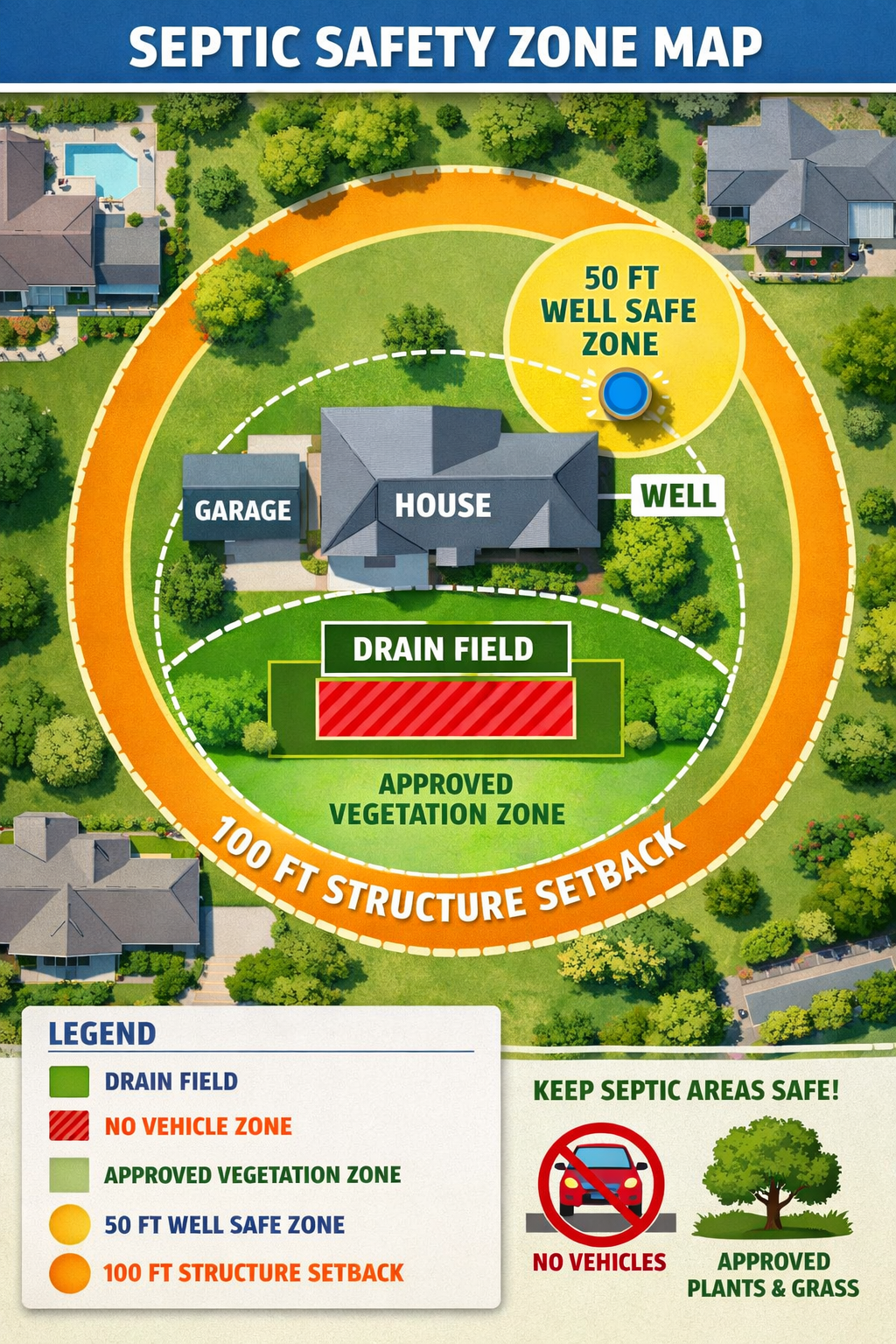
• Keep vehicles and heavy structures off your drain field to prevent pipe damage and soil compaction
• Clean your effluent filter every 6 months to maintain proper system function and prevent overflow
• Install proper access covers and maintain clear boundaries around your septic system for safe maintenance
• Avoid planting trees near your septic system as roots can cause dangerous blockages and structural damage
• Schedule professional inspections every 1-3 years to catch safety hazards before they become emergencies
• Never attempt DIY septic tank entry or repairs due to toxic gas risks and potential drowning hazards
Quick Answer
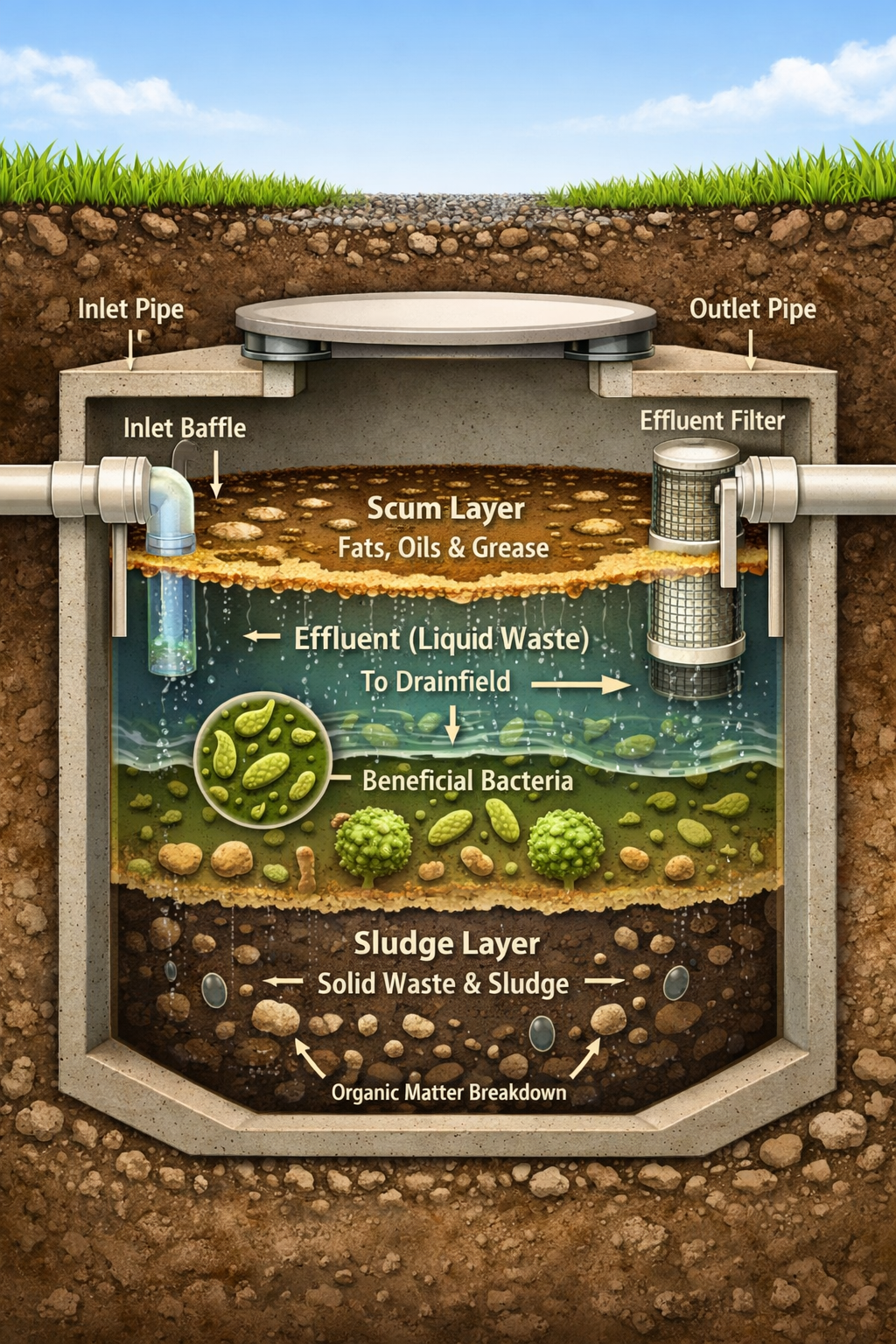
Septic tank safety requires regular maintenance, proper waste disposal, and protective measures around your system. The most critical safety practices include pumping every 3-5 years, never flushing harmful materials, keeping heavy objects off the drain field, and maintaining professional inspection schedules to prevent dangerous backups and toxic exposure risks.
What Are the Most Important Septic Tank Safety Tips?
The foundation of septic tank safety centers on three core principles: regular professional maintenance, proper waste disposal, and protecting your system’s physical components. These practices prevent the most common safety hazards including toxic gas exposure, system backups, and structural failures.
Regular Maintenance Schedule:
- Pump your tank every 3-5 years based on household size and usage
- Schedule professional inspections every 1-3 years
- Clean effluent filters every 6 months
- Document all maintenance activities for safety tracking
Critical Safety Boundaries:
- Never enter or allow others to enter septic tanks due to toxic gas risks
- Maintain clear access paths for emergency services
- Keep detailed system maps and maintenance records accessible
- Install proper warning signs around access points
Choose professional maintenance if you notice any warning signs like slow drains, odors, or standing water. Avoid DIY repairs when dealing with electrical components, structural damage, or any situation requiring tank entry.
Common mistake: Many homeowners delay maintenance thinking it saves money, but this actually increases safety risks and repair costs significantly.
For homeowners looking for an easy way to support their septic system between professional services, products like Septifix tablets can help maintain proper bacterial balance with a simple monthly treatment.
FYI: Some links may be affiliate links, which means I may earn a small commission at no extra cost to you.
How Often Should You Pump Your Septic Tank for Safety?
Septic tanks should be pumped every 3-5 years for most households, with the exact frequency depending on tank size, household occupancy, and water usage patterns. Proper pumping prevents dangerous overflows, toxic gas buildup, and system backups that can create health hazards.
Pumping Schedule Guidelines:
- 1-2 people: Every 4-5 years
- 3-4 people: Every 3-4 years
- 5+ people: Every 2-3 years
- High water usage homes: More frequent pumping needed
Safety Triggers for Immediate Pumping:
- Scum layer within 3 inches of outlet baffle
- Sludge layer within 12 inches of outlet fitting
- Sewage backing up into the house
- Strong odors around the system
- Standing water over the drain field
Professional vs. DIY Considerations:
Always hire licensed professionals for pumping. Choose certified pumpers if they provide inspection reports, proper waste disposal documentation, and safety equipment. Avoid unlicensed services that may create safety hazards or environmental violations.
Edge case: Homes with garbage disposals may need pumping 50% more frequently due to increased solid waste, which can create dangerous anaerobic conditions if not managed properly.
Understanding how often to maintain your septic tank helps you create a safe, proactive maintenance schedule.
What Should Never Go Down Your Septic System?
Never flush non-biodegradable items, chemicals, medications, or excessive grease into your septic system as these materials can create toxic conditions, kill beneficial bacteria, and cause dangerous system failures. Proper waste disposal is essential for both system function and household safety.
Dangerous Items to Avoid:
Non-Biodegradable Materials:
- Flushable wipes (create “fatbergs” within days)
- Dental floss, paper towels, and napkins
- Feminine hygiene products and diapers
- Cat litter and cigarette butts
Toxic Chemicals:
- Antibiotics and prescription medications
- Paints, thinners, and solvents
- Heavy-duty cleaners and disinfectants
- Pesticides and automotive fluids
Grease and Food Waste:
- Cooking oils and fats (solidify and block pipes)
- Coffee grounds (increase sludge buildup)
- Large food particles from garbage disposals
- Dairy products in large quantities
Safety Impact: These materials can kill the beneficial bacteria essential for waste breakdown, leading to toxic gas production, groundwater contamination, and system backups that pose serious health risks.
Choose septic-safe products if you need cleaning supplies or personal care items. Avoid antibacterial soaps that can disrupt the biological balance necessary for safe system operation.
Quick example: A single load of “flushable” wipes can clog your inlet baffle within 48 hours, potentially causing sewage backup into your home.
Learn more about essential septic tank care practices to maintain a safe system.
How Do You Protect Your Drain Field Safely?
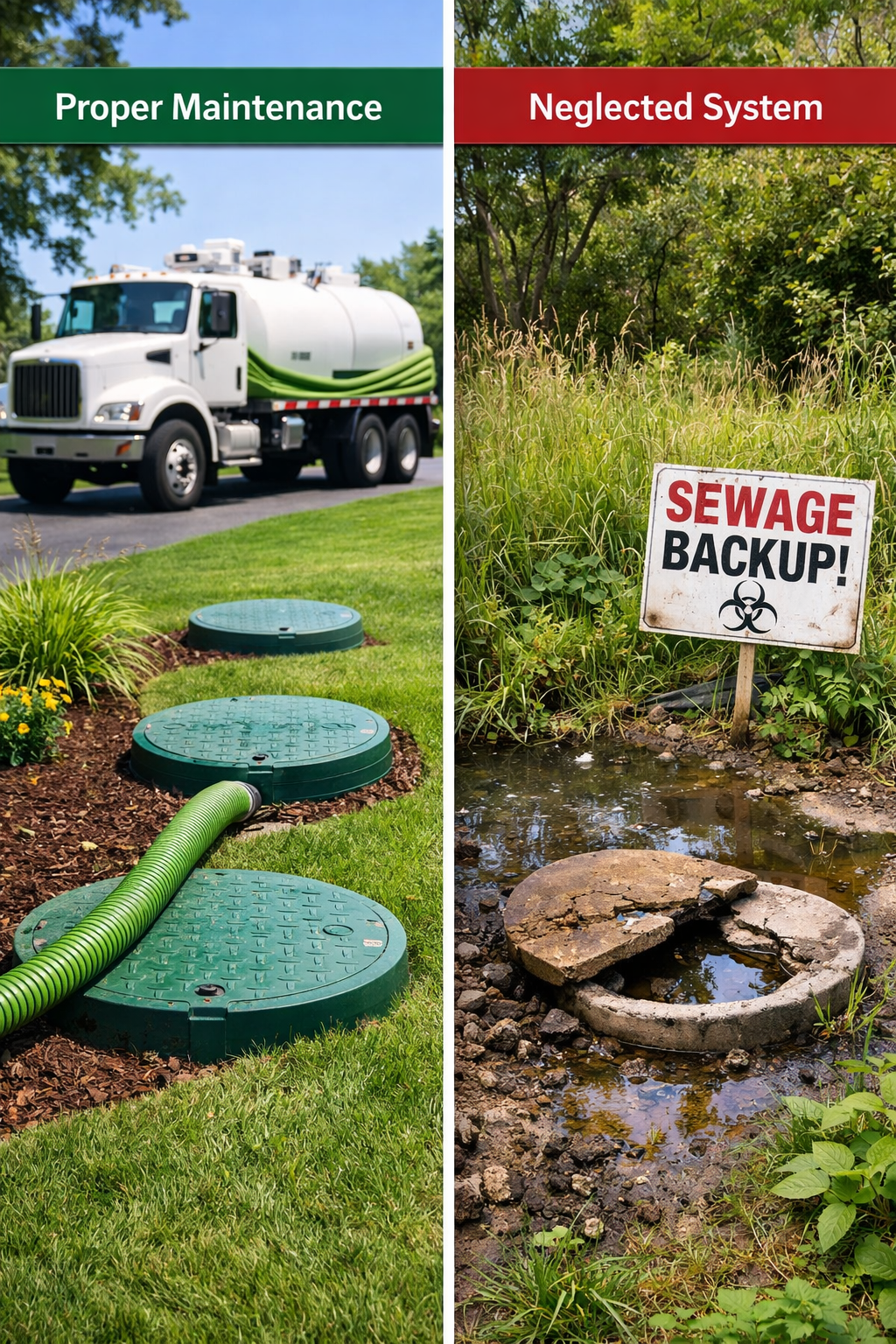
Protect your drain field by avoiding soil compaction, managing vegetation properly, and controlling water flow to prevent system failure and costly safety hazards. The drain field is your septic system’s final treatment stage, and damage here can create environmental contamination and health risks.
Physical Protection Measures:
- Never park vehicles or place heavy structures on the drain field
- Avoid foot traffic during wet conditions when soil is most vulnerable
- Install clear boundary markers to prevent accidental damage
- Keep construction equipment and deliveries away from the area
Vegetation Management:
- Plant only grass over drain field areas
- Remove trees within 30 feet to prevent root intrusion
- Avoid deep-rooted plants that can damage pipes
- Maintain proper grading to prevent water pooling
Water Management:
- Direct gutter downspouts away from the septic system
- Fix leaky outdoor faucets and irrigation systems
- Avoid excessive lawn watering over the drain field
- Install proper surface drainage if needed
Choose professional assessment if you notice standing water, unusually green grass, or sewage odors in your yard. Avoid DIY drain field repairs as these often require permits and specialized knowledge.
Common mistake: Installing decorative gardens or water features over drain fields can cause expensive damage and create safety hazards requiring environmental remediation.
For comprehensive guidance, check our complete septic tank maintenance checklist for drain field protection strategies.
What Are the Warning Signs of Septic Safety Issues?
Key warning signs include sewage backups, strong odors, standing water over the drain field, and slow-draining fixtures—all indicating potentially dangerous system failures requiring immediate attention. Early recognition of these signs prevents serious health hazards and expensive emergency repairs.
Critical Safety Warning Signs:
Immediate Danger Signals:
- Sewage backing up into house drains or toilets
- Strong hydrogen sulfide (rotten egg) odors around the system
- Standing water or wet spots over the drain field
- Gurgling sounds from plumbing fixtures
Progressive Warning Signs:
- Slow-draining sinks, tubs, or toilets
- Unusually green grass over the septic area
- Algae growth in nearby water sources
- Frequent need for drain cleaning
Health Risk Indicators:
- Sewage odors inside the home
- Well water contamination or unusual taste
- Unexplained illness in household members
- Pest problems around septic components
Safety Response Protocol:
For immediate dangers: Stop water usage, ventilate affected areas, and call emergency septic services. For progressive signs: Schedule professional inspection within 48 hours to prevent escalation.
Choose emergency services if you experience sewage backups or strong gas odors. Avoid using plumbing until professionals can assess the safety situation.
Edge case: During power outages, homes with septic pumps face higher backup risks and should monitor warning signs more closely.
Understanding signs your septic tank needs maintenance helps you respond quickly to safety concerns.
How Do You Safely Access and Inspect Your Septic Tank?
Never attempt to enter or perform internal inspections of your septic tank due to toxic gas risks, but you can safely conduct external visual inspections and basic access point maintenance. Professional inspections are required for internal assessments and any work involving tank entry.
Safe External Inspection Steps:
- Locate access points using your system map or professional records
- Check covers for cracks, proper sealing, and secure positioning
- Inspect surrounding area for signs of settling, standing water, or damage
- Document findings with photos and notes for professional review
Access Point Safety:
- Ensure covers are properly secured to prevent accidental falls
- Replace damaged or missing covers immediately
- Keep access areas clear of debris and vegetation
- Install child-proof locks on access covers if needed
Professional Inspection Requirements:
- Internal tank assessment and pumping
- Electrical component testing
- Structural integrity evaluation
- Effluent filter cleaning and replacement
Safety Equipment for Homeowners:
- Flashlight for visual inspection
- Camera for documentation
- Measuring tape for settling assessment
- Protective gloves for cover handling
Choose professional services if you need internal inspections, smell gas odors, or find structural damage. Avoid DIY tank entry under all circumstances due to fatal gas exposure risks.
Critical safety note: Septic tanks contain hydrogen sulfide and methane gases that can cause unconsciousness or death within minutes of exposure.
For detailed guidance, see our article on what happens if you fall in a septic tank to understand the serious risks involved.
What Safety Precautions Should You Take During Septic Maintenance?
Always hire licensed professionals for septic maintenance work and ensure proper safety protocols including gas monitoring, ventilation, and emergency procedures are followed during any service. Homeowner safety responsibilities focus on preparation and maintaining safe distances during professional work.
Homeowner Preparation Checklist:
- Clear access paths for service vehicles and equipment
- Locate and mark all system components accurately
- Secure pets and children away from work areas
- Provide service history and maintenance records
Professional Safety Requirements:
- Gas detection equipment for toxic vapor monitoring
- Proper ventilation systems during tank access
- Safety harnesses and retrieval equipment for workers
- Emergency communication and first aid capabilities
During Service Safety:
- Maintain 50-foot minimum distance from open tanks
- Keep children and pets indoors during maintenance
- Avoid smoking or open flames near the work area
- Ensure adequate ventilation if work affects indoor plumbing
Emergency Preparedness:
- Keep emergency contact numbers readily available
- Know location of main water shutoff valve
- Have backup water supply for extended service periods
- Understand evacuation procedures if gas leaks occur
Choose certified professionals if they demonstrate proper safety equipment and protocols. Avoid services that skip safety procedures or allow untrained personnel near open tanks.
Quick example: Professional pumping services should always test for gas concentrations before tank entry and maintain continuous ventilation during work.
Helpful Resource for Simple Septic Maintenance
If you want a simple way to support your septic system’s health between professional services, Septifix tablets offer an easy monthly maintenance solution. These tablets help break down waste, reduce odors, and maintain proper bacterial balance with just one flush per month.
Benefits for safety-conscious homeowners:
- Supports beneficial bacteria that prevent dangerous gas buildup
- Helps reduce the risk of clogs that can cause backups
- May extend time between professional pumpings
- Simple tablet format eliminates measuring or mixing
Not a replacement for professional maintenance, but Septifix can be a helpful addition to your regular septic care routine. The monthly treatment helps maintain optimal conditions that support both system performance and safety.
👉 Discover the benefits of using Septifix for hassle-free septic maintenance
For comprehensive maintenance guidance, review our best septic tank maintenance practices guide to create a complete safety-focused care routine.
Frequently Asked Questions
How often should I have my septic tank inspected for safety?
Professional inspections should occur every 1-3 years, with annual checks recommended for older systems or homes with high water usage. Regular inspections catch safety issues before they become emergencies.
Can I pump my own septic tank to save money?
No, septic tank pumping requires specialized equipment and safety training due to toxic gas risks. Always hire licensed professionals who have proper safety equipment and waste disposal permits.
What should I do if I smell septic gases in my home?
Immediately ventilate the area, stop using water fixtures, and call a septic professional. Septic gases can be toxic and indicate dangerous system failures requiring urgent attention.
Is it safe to use bleach with a septic system?
Use bleach sparingly as excessive amounts kill beneficial bacteria. Choose septic-safe cleaning products when possible, and never mix bleach with other chemicals which can create toxic gases.
How do I know if my septic tank cover is safe?
Covers should be intact, properly secured, and able to support at least 400 pounds. Replace cracked or damaged covers immediately and ensure they’re child-proof if needed.
What happens if someone falls into a septic tank?
This is a life-threatening emergency requiring immediate rescue services. Never attempt self-rescue due to toxic gas exposure. Call 911 and emergency septic services immediately.
Can heavy rain affect septic tank safety?
Yes, excessive water can cause system overflows and backups. Monitor your system during heavy rains and reduce water usage if you notice slow drainage or backup signs.
Should I install a septic tank alarm?
Alarms are recommended for systems with pumps and beneficial for early warning of potential failures. They alert you to issues before they become safety hazards.
How close can I plant trees to my septic system safely?
Keep trees at least 30 feet away from septic components. Tree roots can damage pipes and create dangerous blockages requiring expensive repairs.
What safety equipment should I keep for septic emergencies?
Maintain emergency contact numbers, know your main water shutoff location, keep backup water supplies, and have a basic understanding of your system layout for emergency responders.
Is it safe to use a garbage disposal with a septic system?
Garbage disposals increase solid waste and may require more frequent pumping, but they’re generally safe if used moderately. Avoid grinding grease, bones, or fibrous materials.
How do I safely locate my septic tank?
Use property records, contact previous owners, or hire professionals with locating equipment. Never probe with sharp objects that could damage pipes or create safety hazards.
Conclusion
Septic tank safety requires a proactive approach combining regular professional maintenance, proper waste disposal practices, and protective measures around your system. The most critical actions you can take are scheduling pumping every 3-5 years, never flushing harmful materials, and maintaining clear boundaries around your drain field.
Your next steps for septic safety:
- Schedule a professional inspection if it’s been more than two years since your last service
- Review your household habits and eliminate any prohibited items from your waste stream
- Create a maintenance calendar with pumping, inspection, and filter cleaning schedules
- Document your system layout and keep emergency contact information easily accessible
- Consider supplemental treatments like monthly Septifix tablets to support bacterial balance between professional services
Remember that septic safety isn’t just about avoiding expensive repairs—it’s about protecting your family’s health and your property’s value. When in doubt, always choose professional services over DIY approaches, especially for any work involving tank access or system repairs.
For ongoing guidance, bookmark our complete septic tank care routine guide and stay informed about best practices as regulations and technologies continue to evolve in 2026.
References
[1] Buying House Septic – https://www.premiertechaqua.com/en-us/blog/buying-house-septic
[2] Never Flush List For 2026 – https://lakelandsepticcompany.com/never-flush-list-for-2026/
[4] Septic Tank Safety Tips For Homeowners In Everson – https://liljohnsanitary.net/septic-tank-safety-tips-for-homeowners-in-everson/
[5] How Often To Pump A Septic Tank – https://clearriverenvironmental.com/how-often-to-pump-a-septic-tank/
[6] About – https://kingcounty.gov/en/dept/dph/health-safety/environmental-health/on-site-sewage-systems/maintaining-your-system/about