Last updated: March 1, 2026
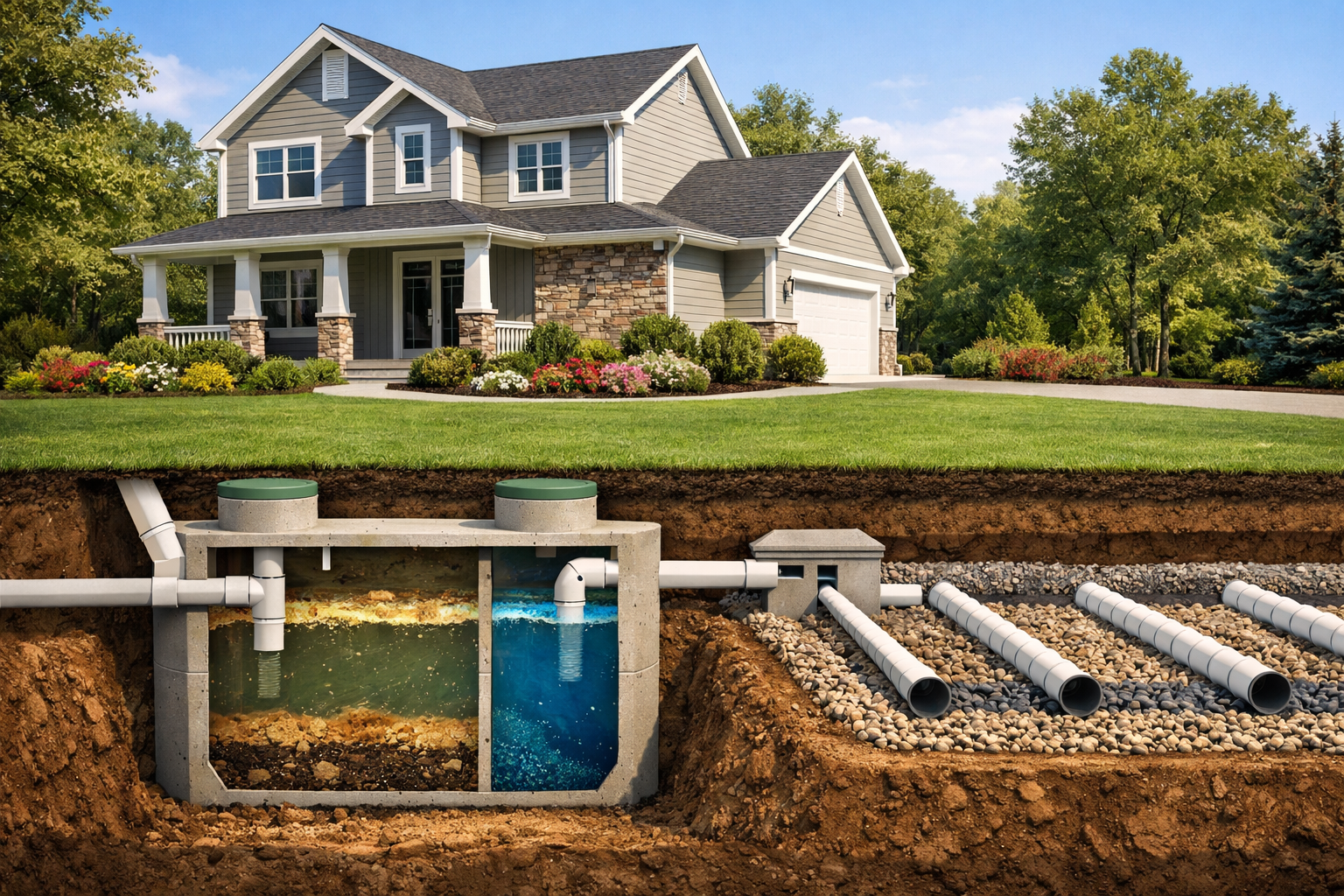
Your septic tank quietly handles thousands of gallons of wastewater each month, but without proper care, this essential system can fail catastrophically and cost you thousands in emergency repairs. Smart septic tank care tips can prevent these disasters and keep your system running smoothly for decades.
Key Takeaways
• Pump every 3-5 years for most households, with some regions requiring more frequent service
• Schedule annual inspections to monitor sludge levels and catch problems early
• Use septic-safe products only – biodegradable soaps and septic-safe toilet paper
• Spread out water usage throughout the week to prevent system overload
• Never flush non-biodegradable items like wipes, feminine products, or grease
• Clean effluent filters every 6 months to protect your drain field
• Watch for warning signs like slow drains, odors, or wet spots in your yard
• Keep detailed maintenance records for warranty claims and resale value
Quick Answer
Proper septic tank maintenance requires pumping every 3-5 years, annual inspections, using only septic-safe products, and avoiding harmful materials like wipes and grease. Regular care prevents costly failures and extends your system’s lifespan to 20-30 years.
How Often Should You Pump Your Septic Tank?
Most septic tanks need pumping every 3-5 years, but your specific schedule depends on household size, tank capacity, and local regulations. Northeastern states often require pumping every 2-3 years, while western states typically allow 3-5 year intervals.
Pumping frequency by region:
- Northeast (PA, NJ, NY): Every 2-3 years
- Southeast (FL, GA): Every 3 years
- West Coast (CA, WA, OR): Every 3-5 years
- Midwest (WI, MN, OH): Every 3 years
Choose more frequent pumping if:
- Your household has 4+ people
- You use a garbage disposal regularly
- Your tank is smaller than 1,000 gallons
- Local regulations require it
The average pumping cost ranges from $300-700, which is significantly cheaper than replacing a failed system that can cost $15,000 or more.
What Are the Warning Signs Your Septic Tank Needs Attention?
Recognizing early warning signs can prevent emergency situations and expensive repairs. Your septic system will show clear symptoms when it needs professional attention.
Immediate red flags:
- Slow drains throughout the house
- Sewage odors inside or outside your home
- Wet, soggy areas above your drain field
- Gurgling sounds from toilets or drains
- Sewage backup in basement drains or toilets
Subtle early signs:
- Unusually green, lush grass over the drain field
- Standing water around the septic tank area
- High nitrate levels in well water tests
- Frequent toilet clogs
If you notice multiple symptoms, contact a septic professional immediately rather than waiting for your next scheduled service. Early intervention can often prevent complete system failure.
Which Products Are Safe for Septic Systems?
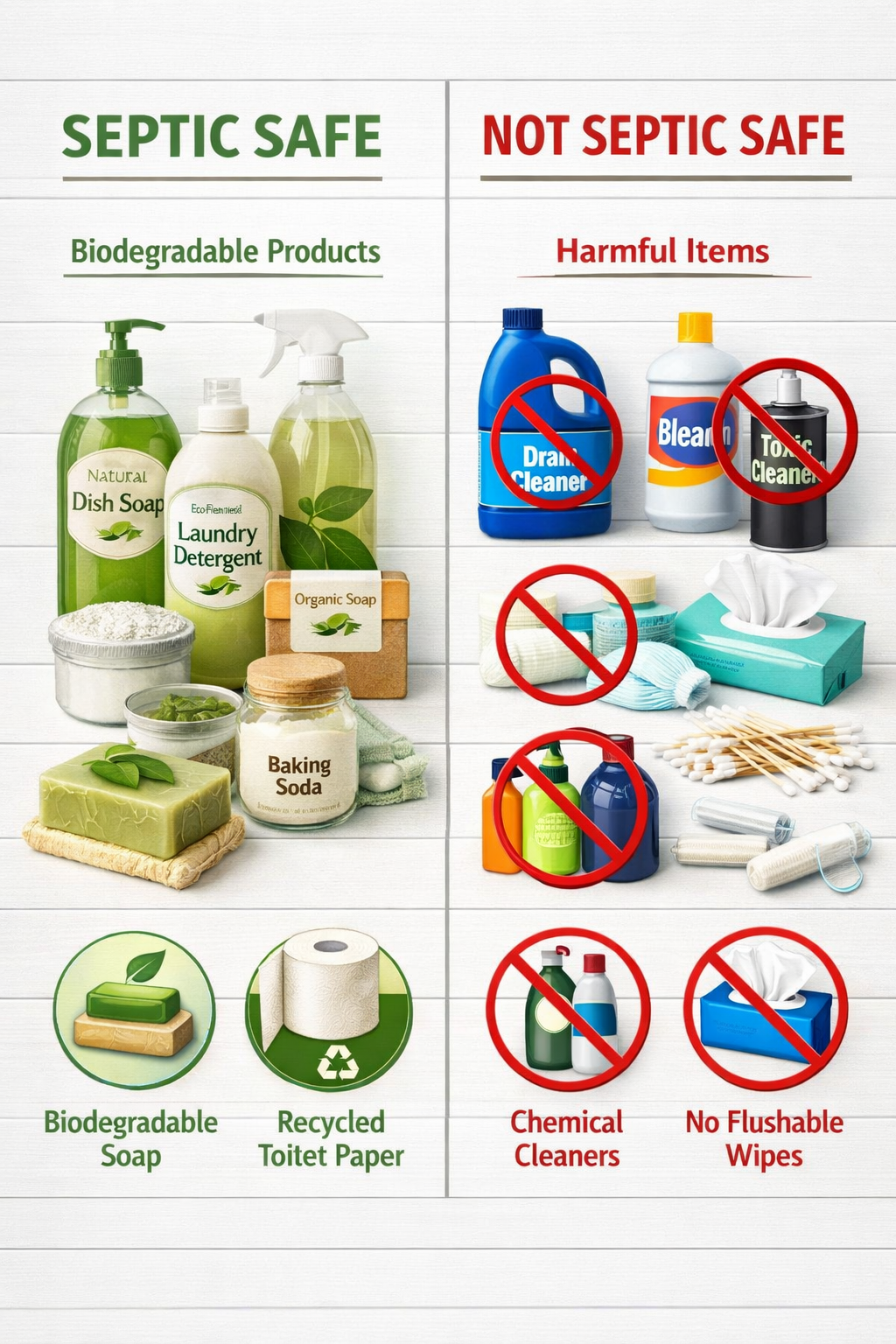
Only septic-safe products should enter your system to maintain healthy bacterial balance and prevent clogs. The wrong products can kill beneficial bacteria or create blockages that lead to system failure.
Septic-safe products to use:
- Biodegradable, low-phosphate laundry detergents
- Single-ply toilet paper labeled “septic safe”
- Natural cleaning products without antibacterial agents
- Liquid dish soaps (small amounts)
- White vinegar and baking soda for cleaning
Harmful products to avoid:
- Antibacterial soaps and cleaners
- Bleach-based products (except small amounts)
- Fabric softeners with synthetic chemicals
- Drain cleaners and degreasers
- Toilet bowl cleaners with harsh chemicals
FYI: Some links may be affiliate links, which means I may earn a small commission at no extra cost to you.
For homeowners who want a simple maintenance solution, products like Septifix tablets can help break down waste and maintain bacterial balance with just one monthly flush. These tablets are designed to support your septic system’s natural processes while reducing odors and preventing blockages.
How Can You Protect Your Drain Field?
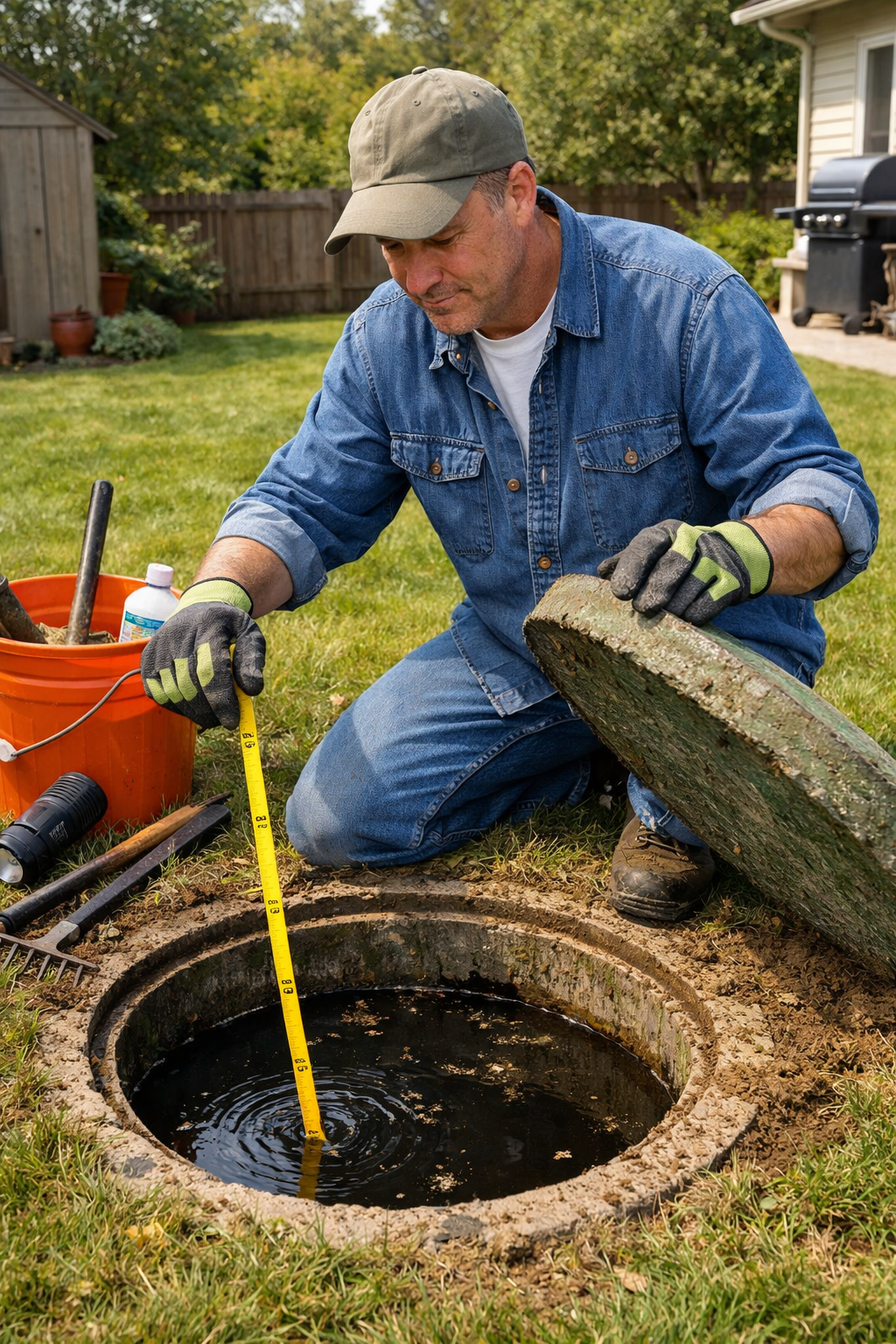
Your drain field (leach field) is the most expensive part of your septic system to repair or replace. Protecting it requires both proper septic tank maintenance and careful land use above the field.
Essential drain field protection:
- Clean effluent filters every 6 months to prevent solids from reaching the field
- Never drive vehicles or heavy equipment over the drain field
- Avoid planting trees within 30 feet of the field
- Redirect roof gutters and surface water away from the area
- Don’t build structures over the drain field
Landscaping guidelines:
- Plant only grass or shallow-rooted plants above the field
- Avoid deep-rooted trees like willows or maples nearby
- Keep the area accessible for future maintenance
- Maintain proper grading to prevent water pooling
A damaged drain field can cost $10,000-20,000 to replace, making protection efforts extremely cost-effective. Regular septic tank pumping and proper waste management are your best defenses against drain field problems.
What Should Never Go Down Your Drains?
Certain materials can destroy your septic system’s bacterial balance, create clogs, or damage system components. Knowing what to avoid is just as important as proper maintenance.
Never flush or drain:
- Wet wipes (even “flushable” ones)
- Feminine hygiene products
- Paper towels and napkins
- Cat litter (any type)
- Cigarette butts
- Condoms
- Dental floss
Kitchen waste to avoid:
- Cooking grease and oils
- Coffee grounds
- Eggshells
- Food scraps (minimize garbage disposal use)
- Large amounts of food coloring
Household chemicals:
- Paint and paint thinners
- Motor oil and automotive fluids
- Pesticides and herbicides
- Photography chemicals
- Excessive amounts of household cleaners
Even small amounts of these materials can accumulate over time and cause serious problems. When in doubt, throw it in the trash instead of down the drain.
How Do You Manage Water Usage for Septic Health?
Excessive water usage can overwhelm your septic tank, preventing proper waste separation and treatment. Smart water management protects your system and improves its efficiency.
Daily water management tips:
- Spread laundry loads throughout the week (1-2 loads per day maximum)
- Take shorter showers (5-7 minutes)
- Fix leaky faucets and running toilets immediately
- Use dishwashers and washing machines only with full loads
- Install low-flow showerheads and toilets
Weekly water strategies:
- Avoid doing multiple loads of laundry in one day
- Space out high-water activities (showers, dishwashing, laundry)
- Consider upgrading to high-efficiency appliances
- Install a water softener bypass for your septic system
Calculate your system’s capacity: A typical household produces 70 gallons of wastewater per person per day. A family of four generates about 280 gallons daily, which means your 1,000-gallon tank processes its entire volume every 3-4 days.
What Professional Maintenance Do You Need?
Regular professional maintenance catches problems early and ensures your system operates efficiently. Annual inspections and periodic pumping are essential investments in your system’s longevity.
Annual inspection checklist:
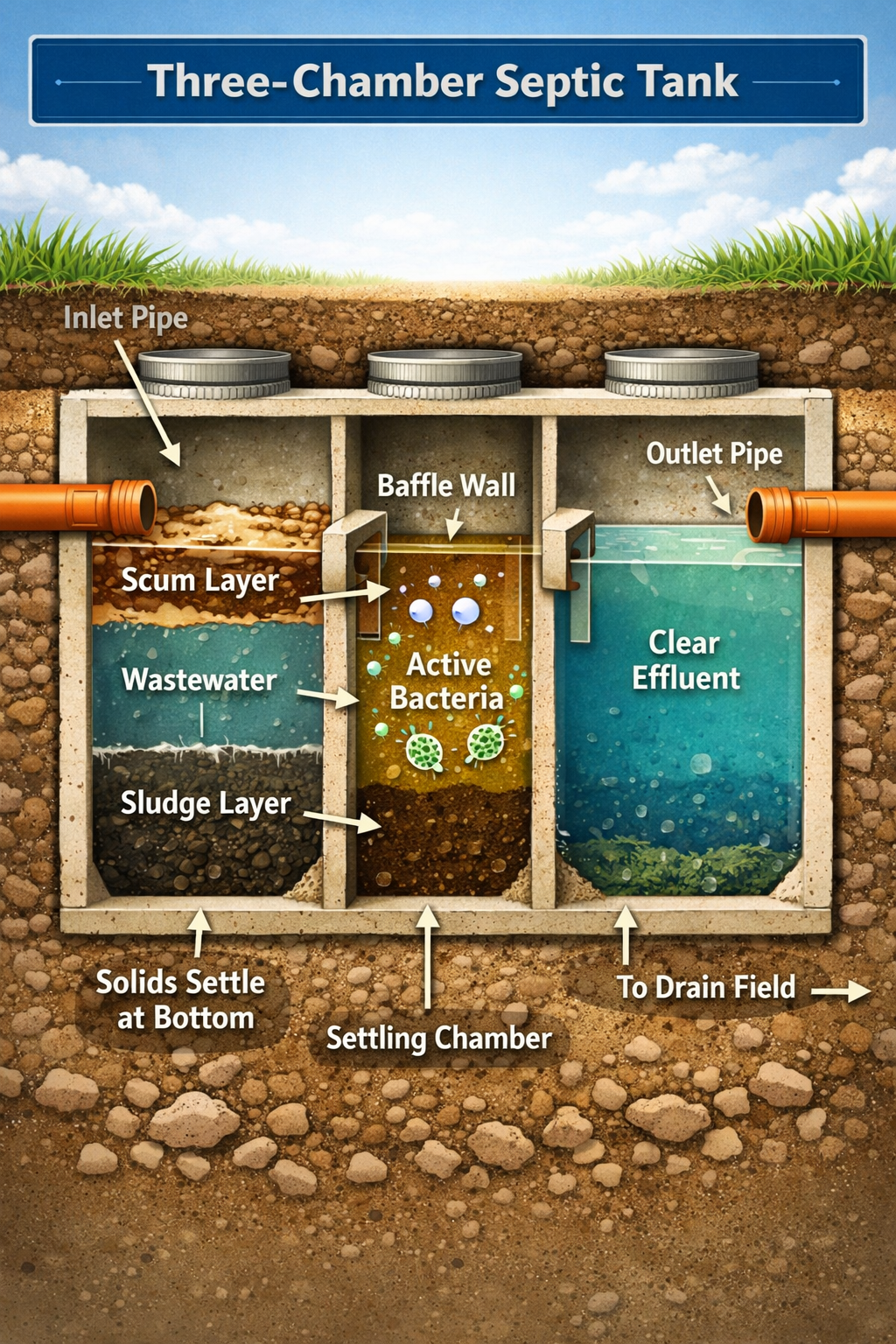
- Measure sludge and scum layer depths
- Check inlet and outlet baffles
- Inspect tank structure for cracks or damage
- Test effluent filters and clean if needed
- Examine drain field for proper drainage
Professional pumping service includes:
- Complete tank evacuation
- Tank interior inspection
- Component testing and adjustment
- Detailed service report
- Recommendations for repairs or improvements
Keep detailed records of:
- Pumping dates and service provider
- Inspection reports and findings
- Any repairs or component replacements
- Water usage patterns and household changes
These records help technicians track your system’s performance and can be valuable for warranty claims or when selling your property.
Helpful Resource for Simple Septic Maintenance
If you want a straightforward way to support your septic system between professional services, Septifix tablets offer a convenient monthly maintenance option. These tablets help break down waste, reduce unpleasant odors, and support the beneficial bacteria that keep your system functioning properly. While not a replacement for regular pumping and inspections, they can be a useful addition to your overall septic tank care routine.
Frequently Asked Questions
How much does septic tank pumping cost?
Most homeowners pay $300-700 for pumping, depending on tank size, location, and local rates. This cost is minimal compared to system replacement.
Can I pump my own septic tank?
No, septic pumping requires specialized equipment and proper waste disposal. Always hire licensed professionals for safety and legal compliance.
How do I know if my septic tank is full?
Signs include slow drains, sewage odors, gurgling sounds, and wet areas over the drain field. Schedule an inspection if you notice these symptoms.
What happens if I don’t pump my septic tank?
Unpumped tanks will eventually overflow, causing sewage backups, drain field damage, and expensive emergency repairs.
Are septic additives necessary?
Most systems don’t require additives if properly maintained. However, some bacterial supplements can be helpful after antibiotic use or chemical exposure.
Can I use a garbage disposal with a septic system?
Yes, but minimize use and consider more frequent pumping. Food waste increases sludge accumulation and can disrupt bacterial balance.
How long do septic systems last?
Well-maintained systems typically last 20-30 years. Poor maintenance can cause failure in 10-15 years or less.
What should I do if my septic system backs up?
Stop using water immediately, contact a septic professional, and avoid trying to fix it yourself. Sewage backups pose serious health risks.
Can I plant a garden over my drain field?
Only shallow-rooted plants and grass are safe. Avoid vegetables, deep-rooted plants, and anything requiring frequent watering or tilling.
How do I find my septic tank?
Check your home’s as-built drawings, follow the main sewer line from your house, or hire a professional with locating equipment.
What’s the difference between pumping and cleaning?
Pumping removes liquid and solid waste. Cleaning includes pumping plus thorough tank washing and detailed inspection.
Should I add bacteria to my septic tank?
Healthy systems generate sufficient bacteria naturally. Bacterial additives may help after heavy chemical use or antibiotic treatments, but they’re not routinely necessary.
Conclusion
Effective septic tank care combines regular professional maintenance with smart daily habits that protect your system’s health. By following these essential septic tank care tips – pumping every 3-5 years, using only septic-safe products, managing water usage, and watching for warning signs – you can avoid costly emergencies and extend your system’s lifespan to 20-30 years.
Start by scheduling an inspection if you haven’t had one in the past year, and begin implementing water conservation and product selection changes immediately. Keep detailed maintenance records and establish relationships with qualified local professionals before you need emergency service.
Remember that preventive care costs hundreds of dollars, while system replacement can cost tens of thousands. The small investment in proper maintenance pays enormous dividends in system reliability and property value protection.
References
[1] How Often To Pump Septic Tank – https://dandhsepticservices.com/how-often-to-pump-septic-tank/
[2] Your Complete Guide To Septic Systems Care Maint – https://www.wrenvironmental.com/blog/2025/july/your-complete-guide-to-septic-systems-care-maint/
[3] How Often To Pump A Septic Tank – https://clearriverenvironmental.com/how-often-to-pump-a-septic-tank/
[4] Maintaining Your Septic System – https://bpmhd.org/maintaining-your-septic-system/