
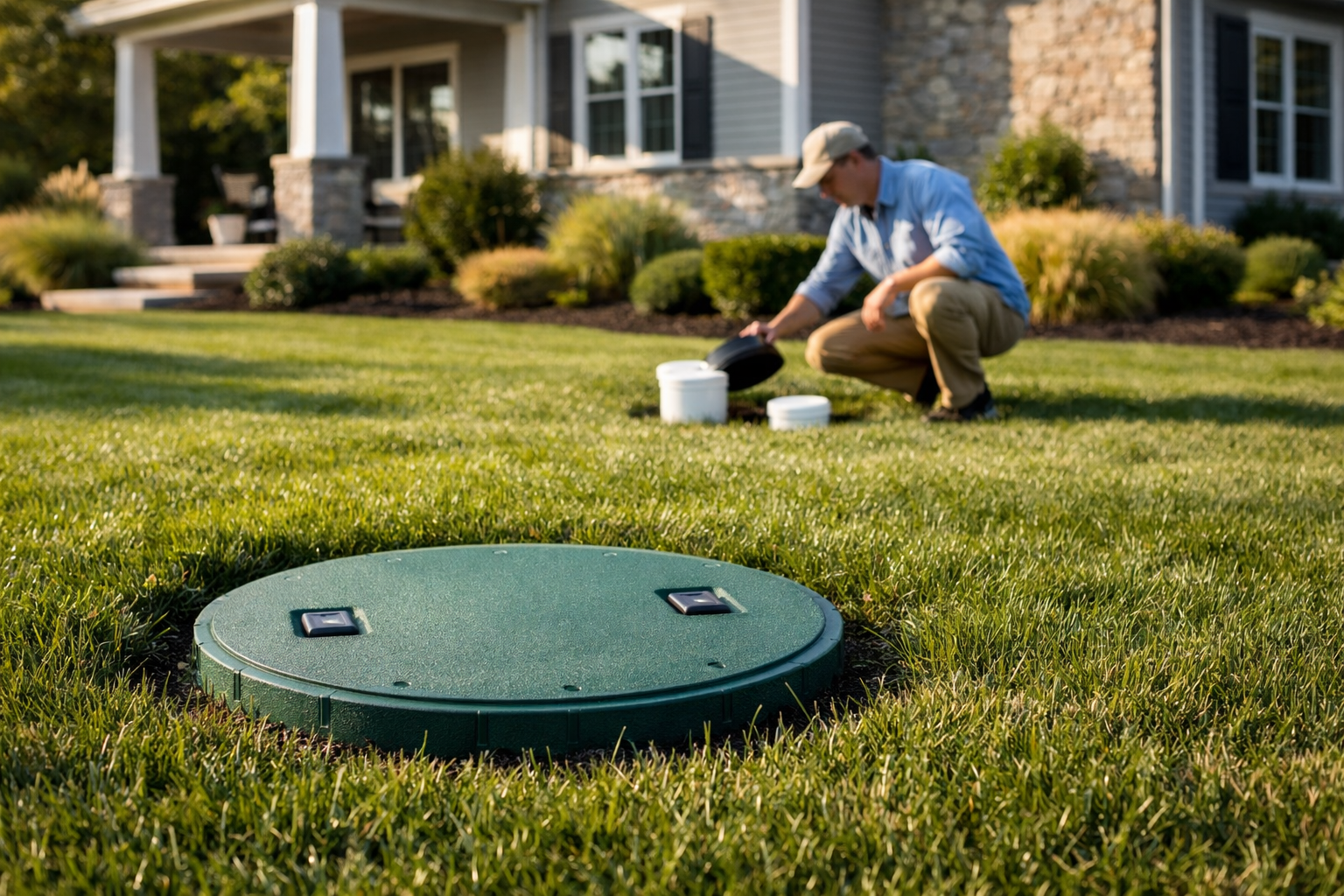
Last updated: March 1, 2026
Key Takeaways
• Pump your septic tank every 3-5 years as recommended by the EPA, though most households need service every 2-3 years
• Inspect your system annually to catch problems before they become expensive repairs
• Clean septic filters every six months to prevent solids from reaching your drain field
• Spread out water usage throughout the week to avoid overwhelming your system
• Never flush harmful items like wipes, medications, or chemicals that kill beneficial bacteria
• Monitor warning signs including slow drains, sewage odors, and soggy areas near your drain field
• Keep detailed maintenance records to track pumping schedules and system performance
• Use septic-safe products to protect the bacterial balance that breaks down waste
Quick Answer
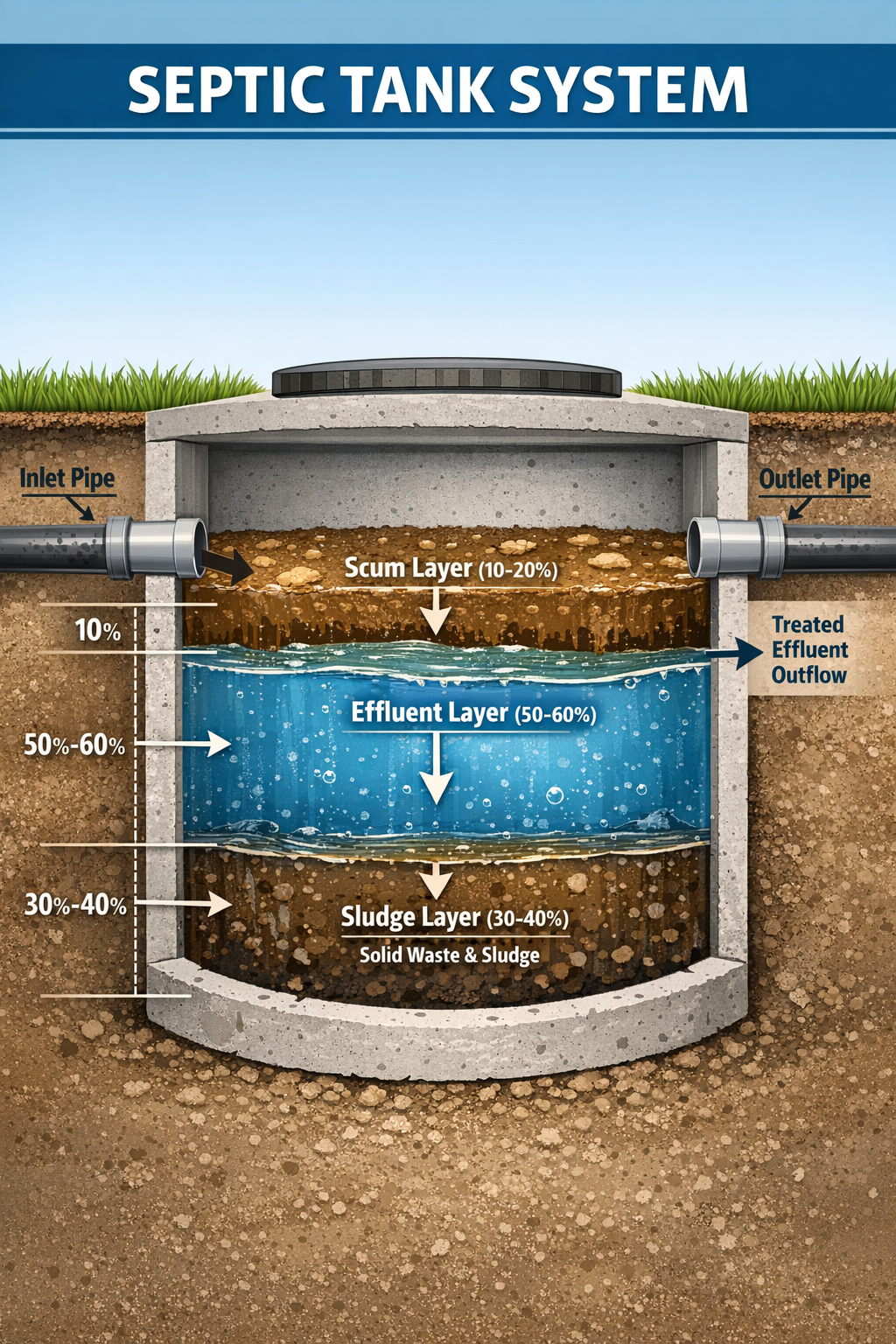
A proper septic tank care routine involves pumping every 3-5 years, annual inspections, and daily habits that protect your system. The key is preventing problems through regular maintenance, water conservation, and avoiding harmful substances that disrupt bacterial activity. Most system failures result from neglect rather than age, making consistent care essential for avoiding costly repairs.
How Does a Septic Tank Care Routine Work?
A septic tank care routine protects your system through three main approaches: regular professional maintenance, daily usage habits, and monitoring for problems. Your septic system relies on beneficial bacteria to break down waste, so the routine focuses on maintaining this bacterial balance while preventing overloading.
The routine starts with understanding your system’s capacity and usage patterns. A typical household of four with a 1,000-gallon tank needs pumping every 2-3 years, while smaller households can often wait 3-5 years[5]. Your specific schedule depends on tank size, household size, and water usage habits.
Choose professional pumping every 2-3 years if you have:
- Four or more people in your household
- Heavy water usage (multiple loads of laundry daily)
- A garbage disposal (though limiting use is better)
- Older tank with less efficient design
The most common mistake homeowners make is waiting for problems before starting maintenance. By then, damage to your drain field may already be occurring, leading to repairs that can cost thousands of dollars.
What Should You Include in Your Monthly Septic Tank Care Routine?
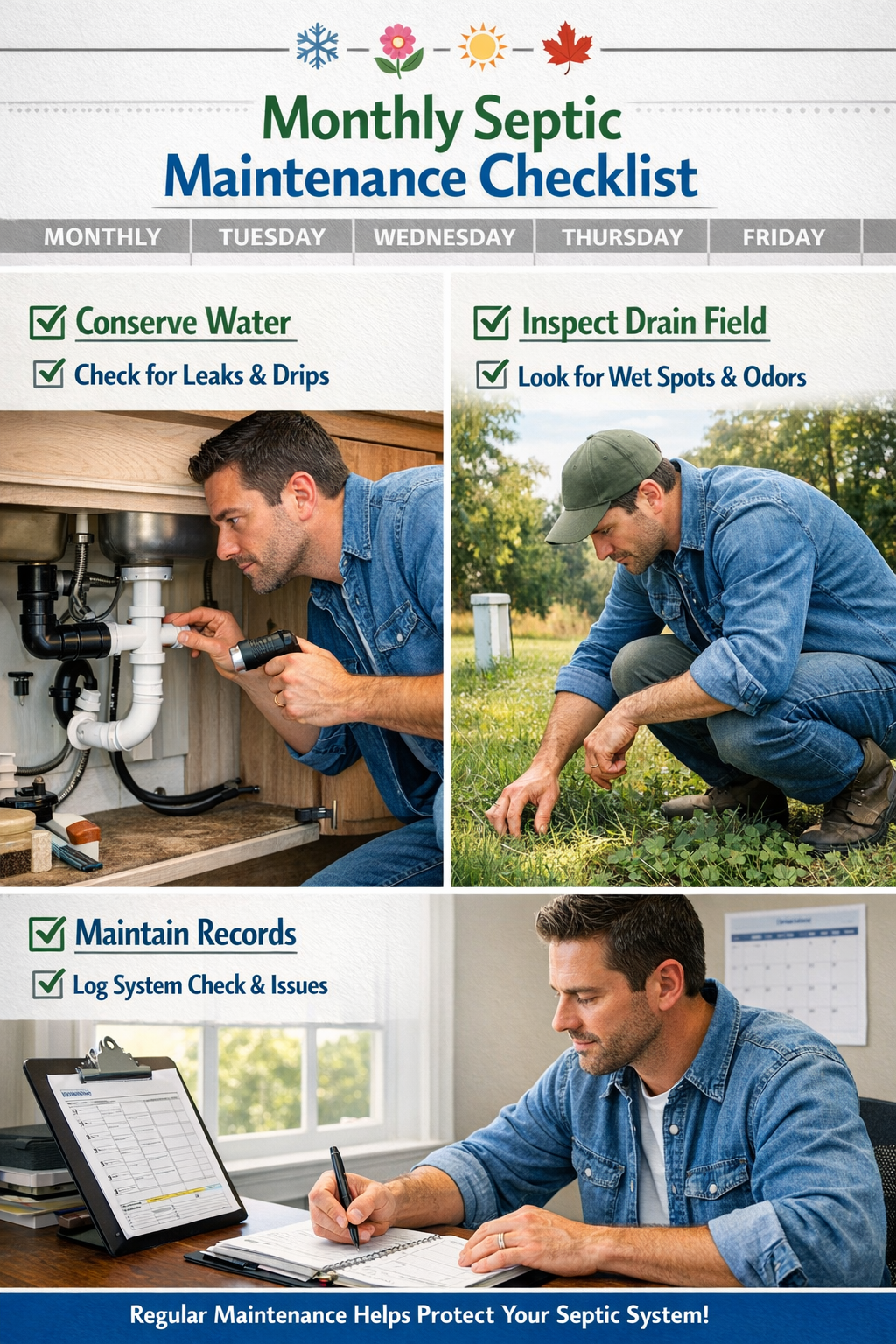
Monthly septic care focuses on monitoring your system’s performance and maintaining good usage habits. Check for warning signs, review your water usage patterns, and ensure you’re following septic-safe practices throughout your home.
Monthly inspection checklist:
- Walk around your drain field looking for soggy areas or standing water
- Check all drains in your home for slow drainage
- Listen for gurgling sounds from toilets or drains
- Note any sewage odors inside or outside your home
- Review your water usage and spread out heavy-use days
Monthly maintenance tasks:
- Clean your septic filter if accessible (every 6 months minimum)
- Check that risers and access covers are secure
- Document any changes in system performance
- Plan your laundry schedule to avoid consecutive heavy-use days
Water management plays a crucial role in monthly care. Spread out laundry loads throughout the week rather than doing multiple loads in one day. This prevents overwhelming your tank and allows proper settling time for solids.
FYI: Some links may be affiliate links, which means I may earn a small commission at no extra cost to you.
For homeowners who want a simple way to support their septic system’s bacterial balance, products like Septifix tablets can be helpful. These monthly-use tablets help break down waste and reduce odors by supporting the natural bacterial processes in your tank. While not required for basic maintenance, they offer an easy way to give your system extra support.
How Often Should You Schedule Professional Septic Tank Care?
Professional septic tank care should happen every 3-5 years for pumping, with annual inspections recommended for most systems. However, your specific schedule depends on household size, tank capacity, and local regulations that vary significantly by state.
Pumping frequency guidelines:
- Every 2-3 years: Households of 4+ people, heavy water users
- Every 3-4 years: Households of 2-3 people, moderate water use
- Every 4-5 years: Single person or couple, low water usage
- Every 1-2 years: Systems with garbage disposals or high solids load
Regional requirements also affect your schedule. Northeastern states like Massachusetts require inspections every 2 years, while California allows 3-5 year pumping cycles with environmental oversight. Southern states typically mandate 3-year pumping with additional coastal area inspections.
Schedule professional pumping when:
- Sludge and scum layers exceed one-third of tank volume
- It’s been 3+ years since last service (regardless of apparent need)
- You notice any warning signs of system stress
- You’re selling your home or completing required inspections
The biggest mistake is waiting until you see problems. Professional pumping removes accumulated solids before they can flow into your drain field, where they cause permanent damage that requires expensive repairs.
For more detailed guidance on timing, check our complete guide on how often to pump your septic tank.
What Daily Habits Support Your Septic Tank Care Routine?
Daily septic tank care centers on water conservation and protecting the bacterial environment that breaks down waste. Small daily choices accumulate to either support or stress your system over time.
Water conservation practices:
- Install low-flow toilets and showerheads to reduce system load
- Fix leaky faucets and running toilets immediately
- Take shorter showers and run dishwashers only when full
- Avoid long showers back-to-back that overwhelm your system
Septic-safe usage habits:
- Use septic-safe toilet paper that breaks down quickly
- Eliminate or severely limit garbage disposal use[6]
- Choose biodegradable cleaning products when possible
- Never flush wipes, feminine products, or medications[2][8]
Your kitchen habits significantly impact your septic system. Avoid pouring grease, oils, or food scraps down drains. These substances can clog pipes and disrupt bacterial activity in your tank. Instead, scrape plates thoroughly and dispose of cooking oils in the trash.
Never put these items down drains:
- Wipes (even those labeled “flushable”)
- Medications or chemicals
- Paint, pesticides, or automotive fluids
- Coffee grounds or cat litter
- Cigarette butts or dental floss
Choose septic-safe products when you have options, but don’t stress about occasional use of regular household cleaners. The key is avoiding large quantities of antibacterial products that could kill beneficial bacteria.
To learn more about what happens to waste in your system, read our guide on how septic tanks work.
How Do You Monitor Your Septic Tank Care Routine Effectiveness?
Monitoring your septic tank care routine involves watching for warning signs, tracking system performance, and maintaining detailed records. Early detection of problems allows for simple fixes rather than expensive emergency repairs.
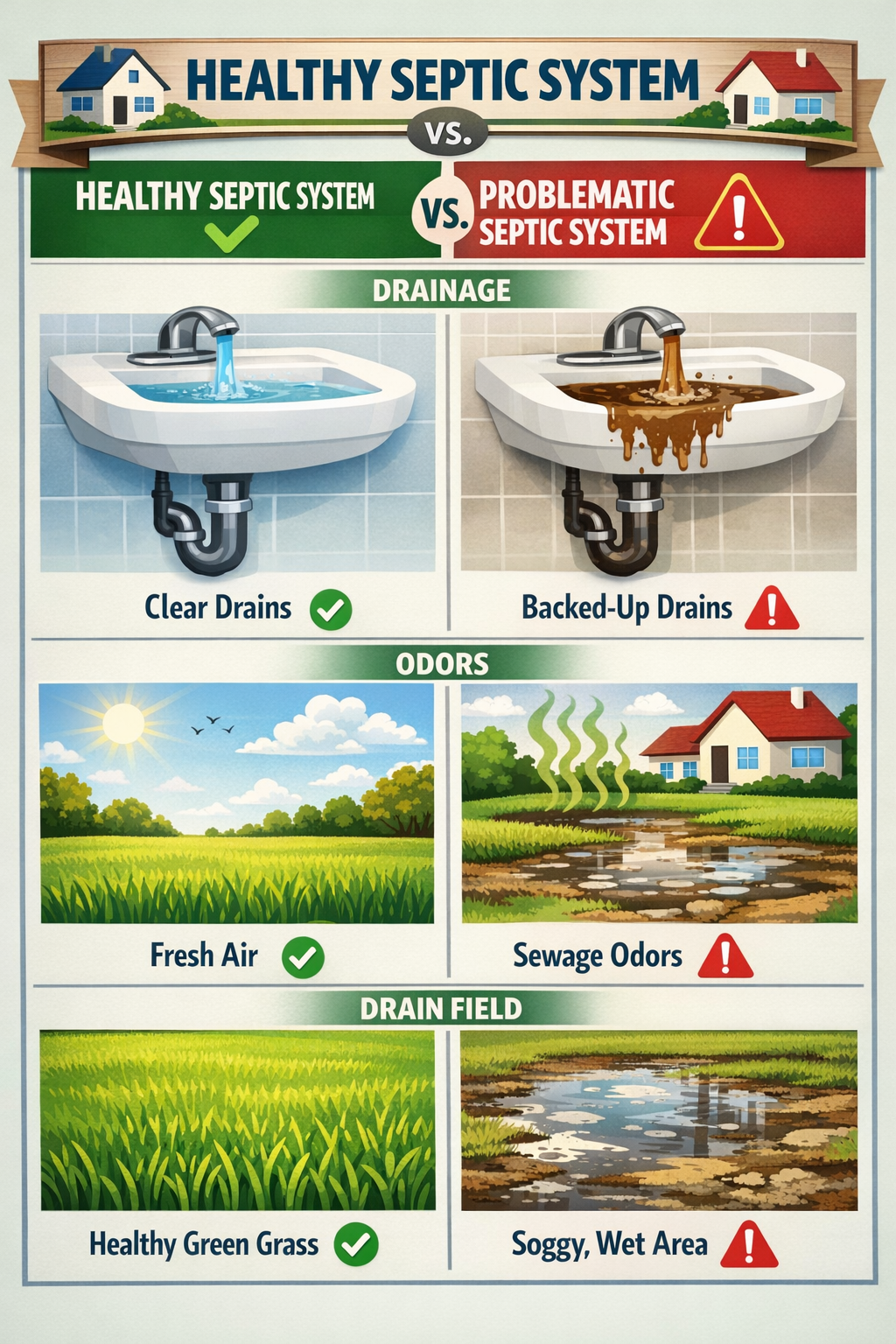
Key warning signs to monitor:
- Slow drains throughout your home (not just one fixture)
- Sewage odors inside or outside your house
- Gurgling sounds from toilets or drains
- Soggy areas or standing water near your drain field
- Unusually green grass over your septic system
Performance tracking methods:
- Keep a maintenance log with pumping dates and inspection results
- Note seasonal changes in system performance
- Document any plumbing issues or unusual occurrences
- Track your household’s water usage patterns
Create a simple maintenance record that includes pumping dates, inspection findings, and any repairs. This documentation helps you identify patterns and provides valuable information to septic professionals during service calls.
Monthly monitoring routine:
- Walk your property looking for wet spots or odors
- Test all drains for normal flow speed
- Listen for unusual sounds from plumbing fixtures
- Check that access covers remain secure and undamaged
If you notice multiple warning signs simultaneously, contact a septic professional immediately. Single issues might resolve on their own, but multiple symptoms often indicate system stress that requires attention.
For detailed information about recognizing problems, see our guide on signs your septic tank needs maintenance.
What Seasonal Septic Tank Care Should You Include in Your Routine?
Seasonal septic tank care addresses weather-related challenges and prepares your system for changing conditions throughout the year. Each season brings specific maintenance needs and potential problems to address.
Spring septic care tasks:
- Inspect for winter damage to pipes or tank components
- Check that snow melt hasn’t created drainage issues
- Schedule annual inspection or pumping if due
- Ensure proper grading around your drain field
Summer maintenance focus:
- Monitor water usage during peak household activity
- Keep drain field areas clear of heavy foot traffic
- Avoid parking or placing heavy objects over your system
- Maintain proper landscaping without deep-rooted plants
Fall preparation activities:
- Pump your tank before winter if it’s approaching capacity
- Insulate exposed pipes in colder climates
- Clear gutters to prevent excess water reaching your drain field
- Document system performance before winter stress
Winter protection measures:
- Avoid driving or parking on frozen ground over your system
- Keep snow cover over your tank for insulation
- Run water regularly if the house is vacant to prevent freezing
- Know the location of your tank for emergency access
Seasonal care also means adjusting your routine for holiday gatherings, summer guests, or other times when household water usage increases significantly. Plan ahead by pumping before busy periods if your tank is approaching capacity.
Helpful Resource for Simple Septic Maintenance
If you want a straightforward way to support your septic tank care routine, Septifix tablets offer a convenient monthly maintenance option. These tablets help break down waste, reduce bad smells, and support the bacterial processes that keep your septic tank working properly.
With one easy monthly flush, Septifix can help prevent blockages, protect your plumbing, and potentially extend the time between professional pumpings. While not a replacement for regular pumping and inspections, it’s a simple addition to your maintenance routine that many homeowners find helpful.
The tablets work by supporting the natural bacterial environment in your septic tank, which is essential for proper waste breakdown. This can be especially useful if you’ve had to use antibacterial cleaners or medications that might disrupt your system’s bacterial balance.
FAQ
How often should I pump my septic tank?
Most septic tanks need pumping every 3-5 years, but households of four or more typically need service every 2-3 years. Your specific schedule depends on tank size, household size, and water usage patterns.
What are the signs my septic tank needs attention?
Watch for slow drains, sewage odors, gurgling sounds from toilets, soggy areas near your drain field, or unusually green grass over your septic system. Multiple symptoms usually indicate system stress.
Can I use regular household cleaners with a septic system?
Yes, but use them in moderation. Avoid large quantities of antibacterial products that could kill beneficial bacteria. Choose septic-safe products when possible, but occasional use of regular cleaners won’t harm your system.
Should I add bacteria products to my septic tank?
A healthy septic tank produces its own bacteria from waste. However, bacteria products can be helpful after antibiotic use, heavy cleaning, or if you want extra support for your system’s bacterial balance.
How much does septic tank pumping cost?
Septic tank pumping typically costs between $200-500, depending on your location, tank size, and accessibility. This cost is much less than drain field repairs, which can run thousands of dollars.
What should I never put down my drains?
Never flush wipes, medications, feminine products, chemicals, paint, pesticides, grease, or coffee grounds. These items can clog your system or kill beneficial bacteria.
How do I find my septic tank for maintenance?
Check your home’s original blueprints, look for a rectangular depression in your yard, or follow the main sewer line from your house. You can also contact your local health department for permit records.
Can I do septic tank maintenance myself?
You can handle daily care habits and basic monitoring, but pumping and inspections require professional equipment and expertise. Never enter a septic tank due to dangerous gases.
How long do septic systems last?
Well-maintained septic systems can last 20-30 years or more. The tank itself may last even longer, but drain fields typically need replacement after 15-25 years depending on soil conditions and maintenance.
What happens if I don’t maintain my septic system?
Neglected septic systems can back up into your home, contaminate groundwater, or require complete drain field replacement costing $10,000 or more. Regular maintenance prevents these expensive problems.
Should I use septic tank additives?
Most septic systems don’t require additives, but they can be helpful in certain situations. Choose products that support bacterial activity rather than harsh chemicals that claim to eliminate pumping needs.
How much water can my septic system handle?
A typical septic system can process about 50-100 gallons per person per day. Spread out water usage throughout the week rather than using large amounts in a single day to avoid overwhelming your system.
Conclusion
A proper septic tank care routine protects your investment and prevents costly emergency repairs through consistent maintenance and smart daily habits. The key elements—pumping every 3-5 years, annual inspections, water conservation, and avoiding harmful substances—work together to maintain your system’s bacterial balance and processing capacity.
Start implementing your septic tank care routine today by scheduling your next professional inspection if it’s been more than a year. Create a simple maintenance log to track pumping dates and system performance. Most importantly, begin practicing water conservation and septic-safe habits that protect your system every day.
Remember that prevention costs far less than repairs. A few hundred dollars for regular pumping and maintenance can save you thousands in drain field replacement or emergency services. For comprehensive guidance on septic care, explore our complete septic tank maintenance guide.
Your septic system will serve you reliably for decades when you follow a consistent care routine. Take action now to protect this essential part of your home’s infrastructure.
References
[1] Your Complete Guide To Septic Systems Care Maint – https://www.wrenvironmental.com/blog/2025/july/your-complete-guide-to-septic-systems-care-maint/
[2] Septic System Maintenance Basics – https://www.feikemasanitation.com/blog/septic-system-maintenance-basics
[3] Septic System Maintenance – https://www.nearbyhunt.com/articles/septic-system-maintenance
[4] California Septic Tank Guide – https://cacciaplumbing.com/blog/california-septic-tank-guide/
[5] How Often To Pump A Septic Tank – https://clearriverenvironmental.com/how-often-to-pump-a-septic-tank/
[6] How Care Your Septic System – https://www.epa.gov/septic/how-care-your-septic-system
[8] New Homeowners Guide To Septic Maintenance What To Expect From A Septic Service – https://www.septicconnection.com/new-homeowners-guide-to-septic-maintenance-what-to-expect-from-a-septic-service