Last updated: March 2, 2026
Key Takeaways
• Schedule professional inspections every 3 years to catch problems early and maintain system efficiency
• Hire certified septic inspectors with proper credentials and local experience for accurate assessments
• Inspection costs range from $150-$450 depending on system complexity and regional pricing
• Prepare system records, permits, and maintenance logs before the inspector arrives to streamline the process
• Visual inspections, tank pumping assessments, and drain field evaluations are the three main inspection components
• Address minor issues immediately to prevent expensive system failures and property damage
• Annual inspections are required for alternative systems with electrical components or advanced treatment units
• Document all inspection findings and create a maintenance schedule based on professional recommendations
Quick Answer
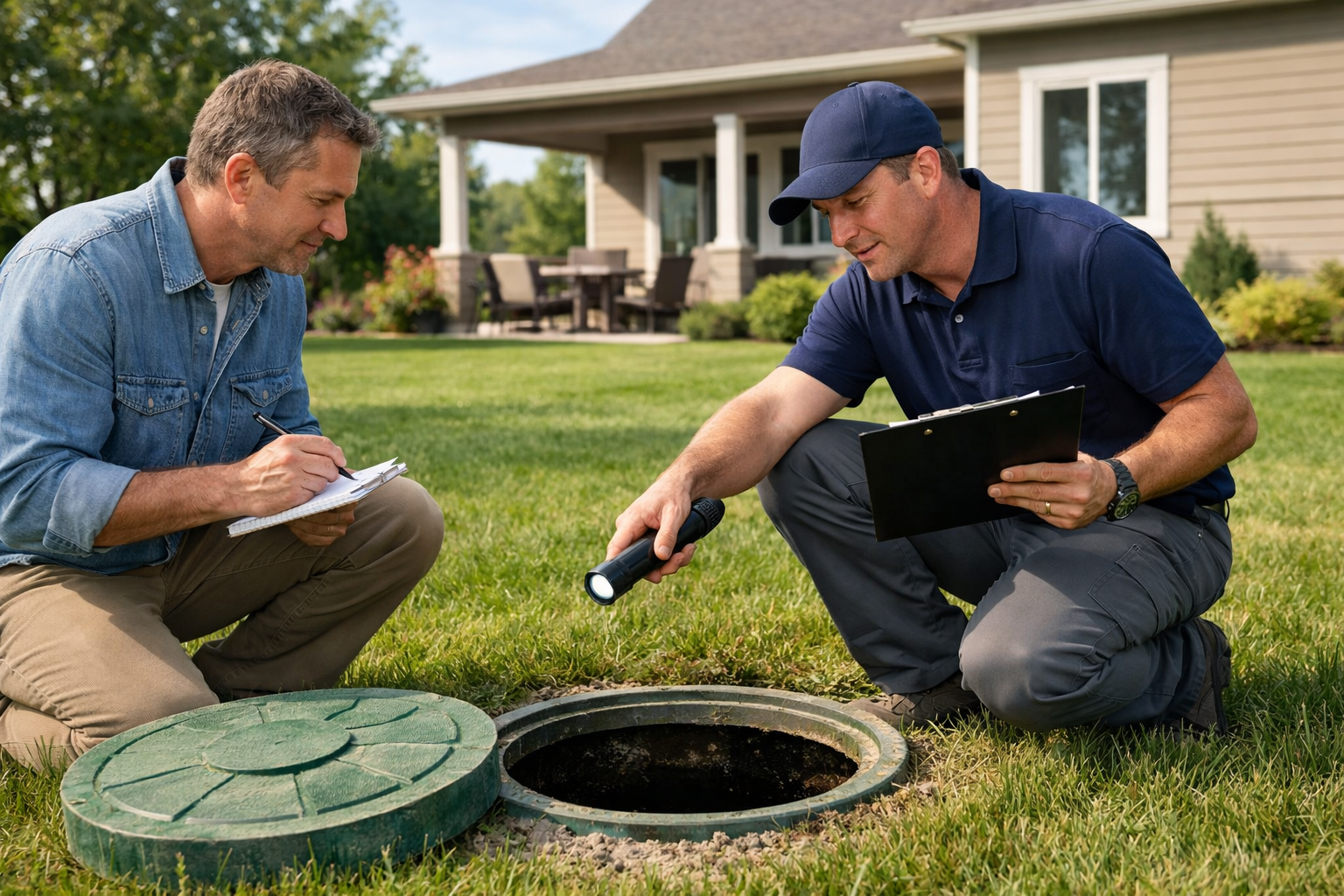
A septic system inspection involves a certified professional evaluating your tank, pipes, and drain field to identify potential problems before they become expensive repairs. Most homeowners need inspections every three years, though systems with electrical components require annual checks. Professional inspections cost $150-$450 and include visual assessments, pumping evaluations, and drain field testing to ensure your system operates safely and efficiently.
What Is a Septic System Inspection and Why Do You Need One?
A septic system inspection is a comprehensive evaluation of your wastewater treatment system performed by a certified professional. The inspector examines your septic tank, distribution components, and drain field to identify current problems and potential future issues before they cause system failure or environmental damage.
Regular inspections are essential because septic systems handle all wastewater from your home, and problems often develop gradually without obvious warning signs. The EPA recommends inspections every three years for standard systems, while alternative systems with electrical components need annual evaluations[8]. Early detection through professional inspections can save you thousands of dollars in repair costs and prevent sewage backups in your home.
Choose professional inspections if your system is over 10 years old, you’ve noticed slow drains or odors, or you’re buying a home with a septic system. Skip DIY inspections because they can’t assess internal tank conditions or measure sludge levels accurately.
Understanding how septic tank systems work helps you appreciate why professional inspections are crucial for system longevity.
How to Prepare for Your Septic System Inspection
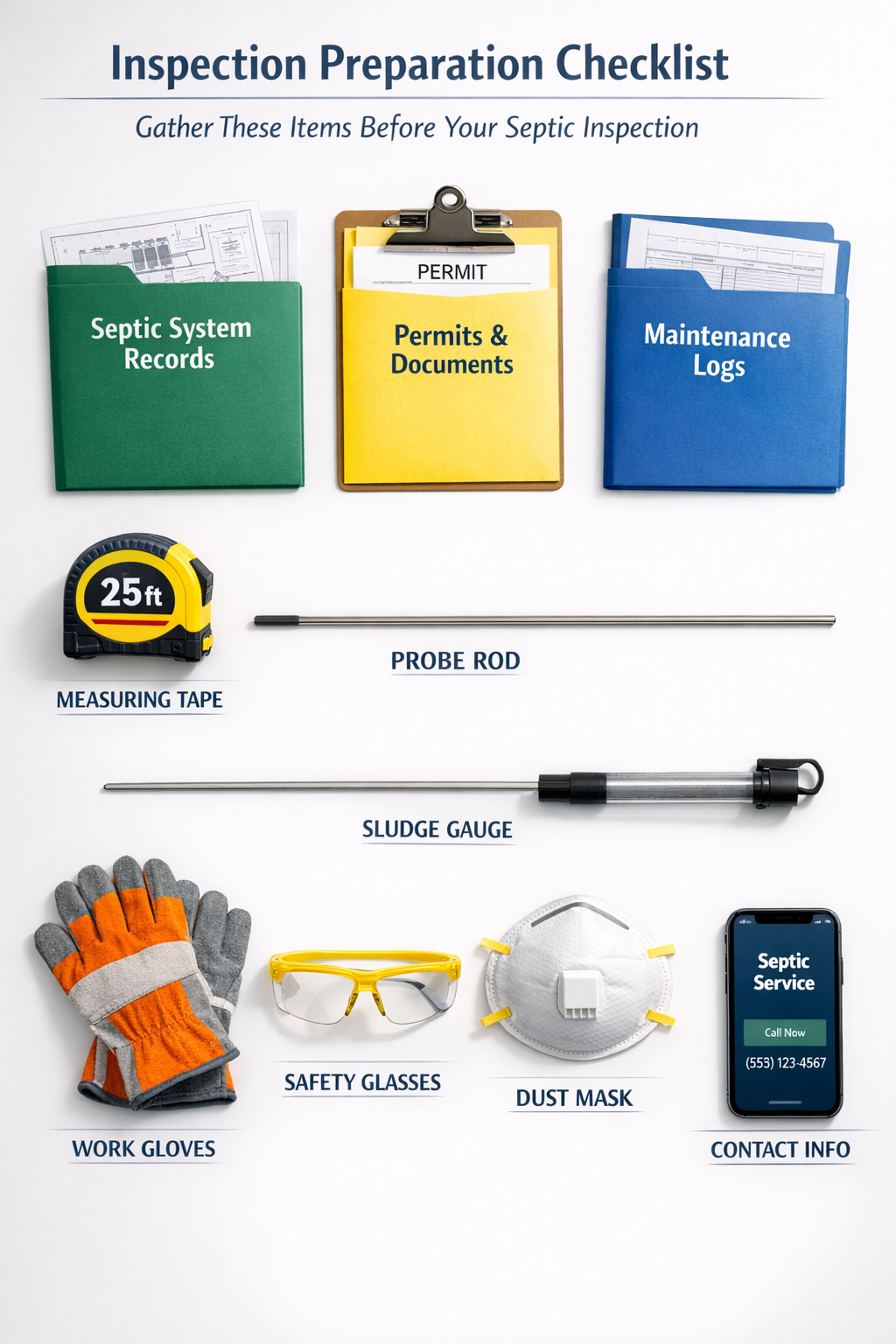
Gather all system documentation before your inspector arrives to ensure a thorough and efficient evaluation. Collect your septic system permits, installation records, previous inspection reports, and pumping receipts. These documents help the inspector understand your system’s age, design, and maintenance history.
Essential preparation steps:
• Locate and uncover access ports to save time and inspection costs
• Clear vegetation and debris from around the tank and distribution box
• Document any recent problems like slow drains, odors, or wet spots in the yard
• Prepare a list of questions about maintenance schedules and system performance
• Ensure easy property access for the inspector’s equipment and vehicle
Common mistake: Don’t attempt to open the septic tank yourself. Professional inspectors have proper safety equipment and training to handle potentially dangerous gases and structural hazards.
Most inspectors appreciate when homeowners have completed basic preparation, but avoid cleaning or treating your system immediately before the inspection. Recent treatments can mask underlying problems that need professional attention.
For comprehensive preparation guidance, review our complete septic tank maintenance checklist to ensure you’re ready for the inspection process.
What Happens During a Professional Septic System Inspection
Professional septic inspections involve three main evaluation phases that assess your entire wastewater treatment system. The inspector begins with a visual assessment of your property, examining the area around your septic tank and drain field for warning signs like soggy soil, unusual vegetation growth, or surface sewage.
Phase 1: Visual Property Assessment
• Tank location verification using system records and probing tools
• Surface condition evaluation around tank and drain field areas
• Vegetation pattern analysis that might indicate system problems
• Structural assessment of visible tank components and access ports
Phase 2: Tank Interior Inspection
• Sludge and scum level measurements to determine pumping needs
• Baffle and tee examination for proper wastewater flow direction
• Tank wall inspection for cracks, corrosion, or structural damage
• Inlet and outlet pipe assessment for blockages or deterioration
Phase 3: System Function Testing
• Water level evaluation in tank and distribution components
• Drain field performance testing through soil absorption assessments
• Flow pattern verification from tank through distribution system
The inspector documents all findings and provides recommendations for maintenance, repairs, or system upgrades. Professional inspections typically take 2-4 hours depending on system complexity and accessibility.
Learn more about what happens during a septic inspection for detailed insights into the evaluation process.
Key Components Inspected in Your Septic System
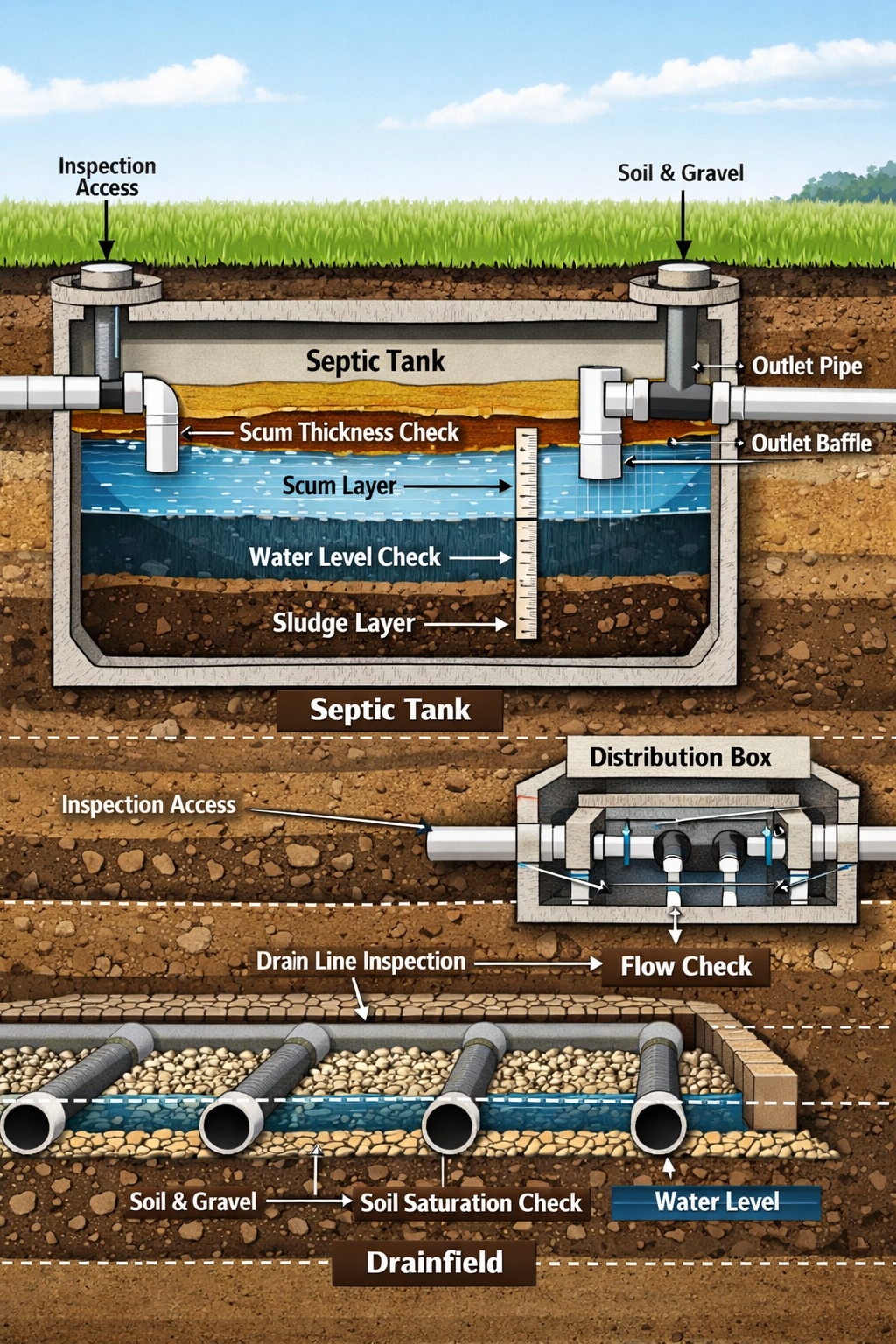
Certified inspectors evaluate specific system components that are critical for proper wastewater treatment and environmental protection. Each component serves a vital function, and problems in one area can cascade throughout your entire system.
Septic Tank Components:
• Inlet and outlet baffles that direct flow and prevent solids from escaping
• Tank walls and lid for structural integrity and proper sealing
• Sludge accumulation levels that indicate pumping schedule needs
• Scum layer thickness that affects tank capacity and efficiency
Distribution System Elements:
• Distribution box condition and proper effluent distribution
• Connecting pipes for leaks, blockages, or root intrusion
• Pump systems (if applicable) for electrical and mechanical function
• Control panels for alternative systems with advanced components
Drain Field Assessment:
• Soil absorption capacity through percolation testing when needed
• Pipe distribution patterns for even effluent dispersal
• Biomat formation that can indicate system overload or failure
• Groundwater separation to prevent contamination
Critical measurement thresholds: Inspectors pump your tank when the scum layer bottom is within 6 inches of the outlet, the sludge layer top is within 12 inches of the outlet, or combined sludge and scum exceed 25% of liquid depth.
Understanding septic tank parts and function helps you better comprehend inspection findings and recommendations.
How to Choose a Qualified Septic System Inspector
Selecting a certified septic inspector ensures accurate assessments and reliable recommendations for your system maintenance. Look for professionals with proper state licensing, industry certifications, and extensive local experience with your specific septic system type.
Essential inspector qualifications:
• State certification for septic system inspections in your area
• Professional liability insurance to protect against assessment errors
• Local experience with your system type and regional soil conditions
• Industry association membership like National Association of Wastewater Technicians
• Continuing education participation to stay current with inspection standards
Questions to ask potential inspectors:
• How many years have you been inspecting septic systems?
• What certifications and licenses do you currently hold?
• Can you provide references from recent residential inspections?
• Do you carry professional liability and general liability insurance?
• What does your inspection report include, and when will I receive it?
Red flags to avoid: Inspectors who quote prices significantly below market rates, can’t provide proof of certification, or pressure you to use specific repair contractors may not provide thorough, unbiased assessments.
Professional inspection costs typically range from $150-$450, with pricing influenced by system complexity, property accessibility, and regional market rates. Quality inspections are worth the investment to protect your property value and prevent expensive system failures.
FYI: Some links may be affiliate links, which means I may earn a small commission at no extra cost to you.
For homeowners looking to maintain their systems between professional inspections, Septifix tablets offer a simple monthly maintenance solution. These tablets help break down waste, reduce odors, and support proper bacterial balance in your septic tank. While not a replacement for professional inspections, Septifix can help keep your system functioning efficiently between evaluations.
Common Septic System Problems Found During Inspections
Professional inspections frequently uncover specific problems that, when caught early, can prevent expensive system failures and environmental damage. Understanding these common issues helps homeowners recognize warning signs and take prompt action based on inspection findings.
Most frequently discovered problems:
• Excessive sludge accumulation requiring immediate pumping to restore capacity
• Damaged baffles or tees that allow solids to escape into the drain field
• Cracked or deteriorating tank walls that can cause structural failure
• Clogged or broken distribution pipes preventing proper effluent flow
• Drain field saturation indicating soil absorption problems or system overload
Early warning signs inspectors investigate:
• Slow-draining fixtures throughout your home, especially floor drains
• Sewage odors around tank or drain field areas
• Wet or soggy soil above the drain field during dry weather
• Unusual vegetation growth that appears greener or more lush than surrounding areas
• Sewage backup incidents in basement drains or lowest bathroom fixtures
System age considerations: Tanks installed before 1975 often lack proper baffles, while systems over 20 years old frequently need major component replacements or upgrades to meet current environmental standards.
Addressing problems identified during inspections prevents more serious issues like septic tank backing up into house situations that require emergency intervention.
Septic System Inspection Costs and What Affects Pricing
Professional septic system inspection costs vary based on several factors that influence the time, equipment, and expertise required for thorough system evaluation. Understanding pricing factors helps homeowners budget appropriately and choose quality inspection services.
Typical inspection cost ranges:
• Basic visual inspection: $150-$250 for standard residential systems
• Comprehensive inspection with pumping: $300-$450 including tank evacuation
• Advanced system inspection: $400-$600 for systems with electrical components
• Pre-purchase inspection: $250-$400 with detailed buyer/seller reporting
Factors that increase inspection costs:
• System accessibility requiring excavation or special equipment access
• Tank size and complexity for larger residential or small commercial systems
• Multiple tank systems that require evaluation of each component
• Advanced treatment units with electrical, mechanical, or computerized controls
• Soil testing requirements for drain field evaluation or system upgrades
Regional pricing variations: Rural areas often have lower inspection costs but fewer certified inspectors, while urban markets typically offer more competitive pricing with greater inspector availability.
Cost-saving tip: Schedule inspections during off-peak seasons (late fall or early spring) when demand is lower, and many companies offer promotional pricing.
Regular inspections are significantly less expensive than emergency repairs. System failures can cost $3,000-$10,000 to repair, while preventive inspections and maintenance cost a fraction of that amount annually.
Creating Your Septic System Maintenance Schedule
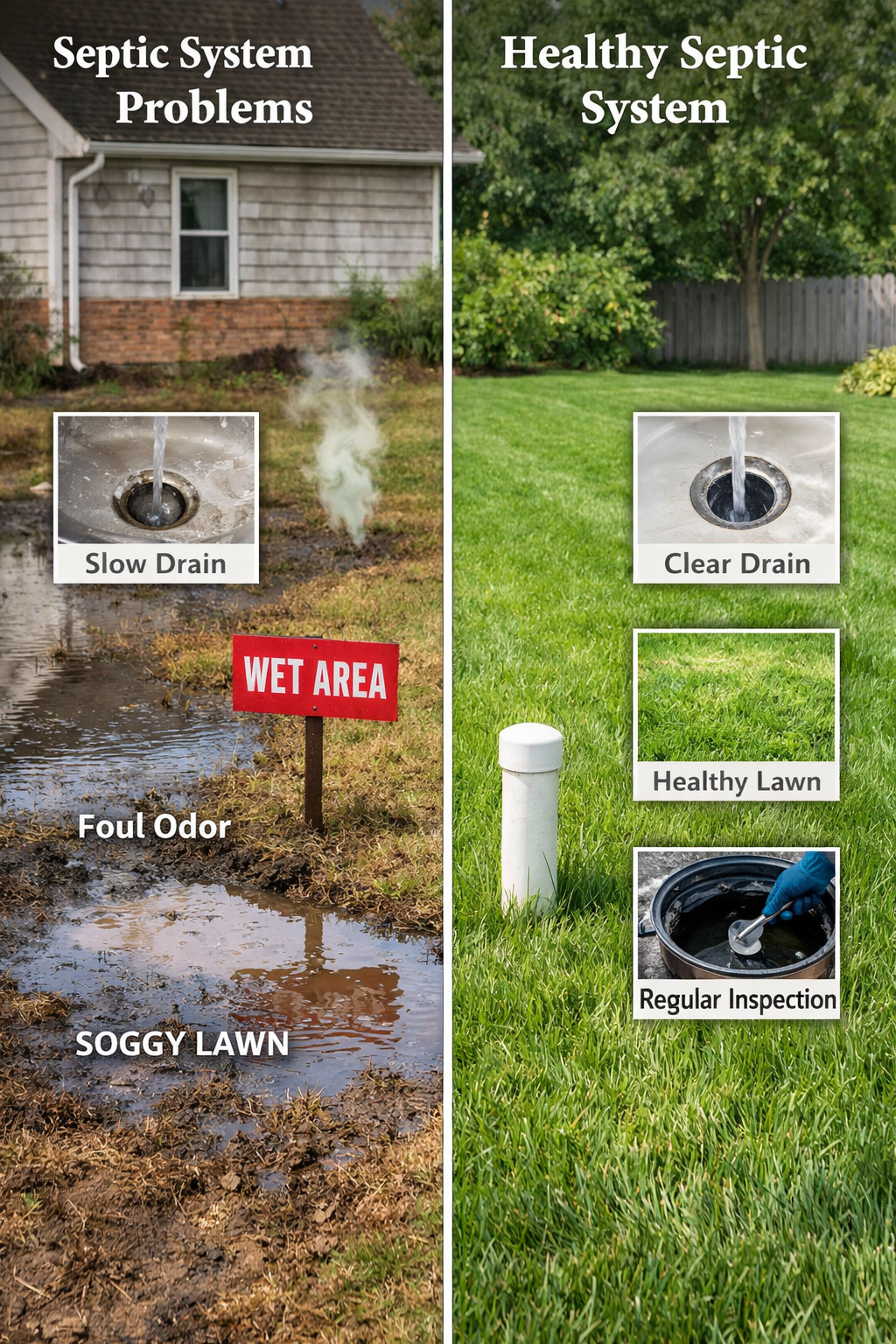
Developing a proactive maintenance schedule based on inspection findings ensures optimal system performance and prevents expensive emergency repairs. Your maintenance timeline should reflect your system type, household size, and inspector recommendations.
Standard maintenance timeline:
• Professional inspections: Every 3 years for conventional systems
• Tank pumping: Every 3-5 years depending on usage and tank size
• Annual inspections: Required for alternative systems with electrical components
• Quarterly visual checks: Homeowner monitoring of drain field and tank areas
• Monthly care routines: Proper waste disposal and water conservation practices
Factors that require more frequent maintenance:
• Large households that generate more wastewater volume
• Garbage disposal use that increases solid waste accumulation
• Older systems over 15 years that need closer monitoring
• Clay or poorly draining soils that stress system components
• High water table areas that can interfere with proper system function
Maintenance record keeping: Document all inspections, pumping services, repairs, and problems in a dedicated file. This documentation helps inspectors track system performance trends and can increase property value during home sales.
Simple monthly maintenance option: Consider using Septifix tablets as part of your routine care schedule. One tablet flushed monthly helps maintain proper bacterial balance, reduces waste buildup, and supports system efficiency between professional services. While this doesn’t replace professional inspections, it can help extend the time between pumping services and reduce odor problems.
Follow our essential septic tank care tips to maintain your system effectively between professional inspections.
Frequently Asked Questions
How often should I have my septic system inspected?
Most homeowners need professional inspections every three years for conventional systems. Alternative systems with electrical components require annual inspections to ensure proper function and compliance with environmental regulations.
What does a septic system inspection cost?
Professional inspections typically cost $150-$450 depending on system complexity, regional pricing, and whether pumping is included. Comprehensive inspections with tank pumping cost more but provide complete system evaluation.
Can I inspect my septic system myself?
Homeowners can perform basic visual checks for surface problems, but professional inspections are necessary to assess tank conditions, measure sludge levels, and evaluate drain field performance safely and accurately.
How long does a septic inspection take?
Most professional inspections take 2-4 hours depending on system accessibility, complexity, and the scope of evaluation required. Simple visual inspections may take less time, while comprehensive assessments require more thorough evaluation.
What should I do before the inspector arrives?
Gather system documentation, locate and clear access to tank lids, remove vegetation from around system components, and prepare a list of any problems you’ve noticed. Don’t pump or treat the system immediately before inspection.
When should I pump my septic tank?
Professional inspectors recommend pumping when sludge and scum levels reach specific thresholds, typically every 3-5 years for most households. Inspection findings determine the exact timing based on your system’s condition.
What happens if my system fails inspection?
Failed inspections require addressing identified problems before the system can operate safely. Minor issues like damaged baffles are relatively inexpensive to repair, while major problems may require system upgrades or replacement.
Do I need an inspection when buying a home with a septic system?
Yes, always require a professional septic inspection when purchasing a home with an on-site wastewater system. This protects you from inheriting expensive problems and ensures the system meets current standards.
How do I find a qualified septic inspector?
Look for state-certified professionals with proper insurance, local experience, and industry association memberships. Ask for references and verify credentials before scheduling your inspection.
What records should I keep after an inspection?
Maintain copies of inspection reports, pumping receipts, repair documentation, and system permits. These records help track system performance and may be required for property sales or permit renewals.
Can inspection frequency affect my insurance?
Some insurance companies offer discounts for homes with regularly maintained septic systems. Check with your provider about potential savings for documented preventive maintenance and inspections.
What’s the difference between inspection and pumping?
Inspections evaluate overall system condition and identify problems, while pumping removes accumulated solids from the tank. Many comprehensive inspections include pumping to allow thorough tank interior assessment.
Recommended Resource
If you want a simple way to support your septic system between professional inspections, Septifix tablets provide an easy monthly maintenance solution. These tablets help break down waste, reduce unpleasant odors, and maintain proper bacterial balance in your septic tank. With one tablet flushed monthly, you can help prevent blockages, protect your plumbing, and potentially extend the time between pumping services. While regular professional inspections remain essential, Septifix offers a convenient way to support your system’s day-to-day function and avoid costly emergency repairs.
👉 Discover the benefits of using Septifix for hassle-free septic maintenance
Conclusion
Regular septic system inspections are essential for protecting your home, property value, and environment from costly wastewater system failures. Professional inspections every three years help identify problems early, when repairs are manageable and affordable, rather than waiting for expensive emergency situations.
The key to successful septic system ownership is combining professional inspections with consistent maintenance practices. Prepare for inspections by gathering system documentation, hire certified professionals with proper credentials, and follow through on their recommendations promptly.
Start by scheduling your next professional inspection if it’s been more than three years since your last evaluation. Create a maintenance calendar based on inspector recommendations, and consider simple monthly care routines to support your system between professional services.
Remember that septic system care is an investment in your property’s long-term value and your family’s health and safety. Take action today to protect your septic system investment and avoid the stress and expense of system failures.
References
[1] Septic Inspections Guide Contractors 2025 – https://flengineeringllc.com/septic-inspections-guide-contractors-2025/
[2] Understanding Septic System Maintenance And Inspections For Your Home – https://www.keystonecastleinspections.com/post/understanding-septic-system-maintenance-and-inspections-for-your-home
[3] Septic System Inspection For Homeowners – https://smartsepticpros.com/blog/septic-system-inspection-for-homeowners/
[4] Essential Facts About Buying Homes With Septic Systems In – https://www.amerisave.com/learn/essential-facts-about-buying-homes-with-septic-systems-in
[8] Septic – https://www.epa.gov/septic