Best Septic Tank Treatment Methods: Your Complete Guide to System Health in 2026
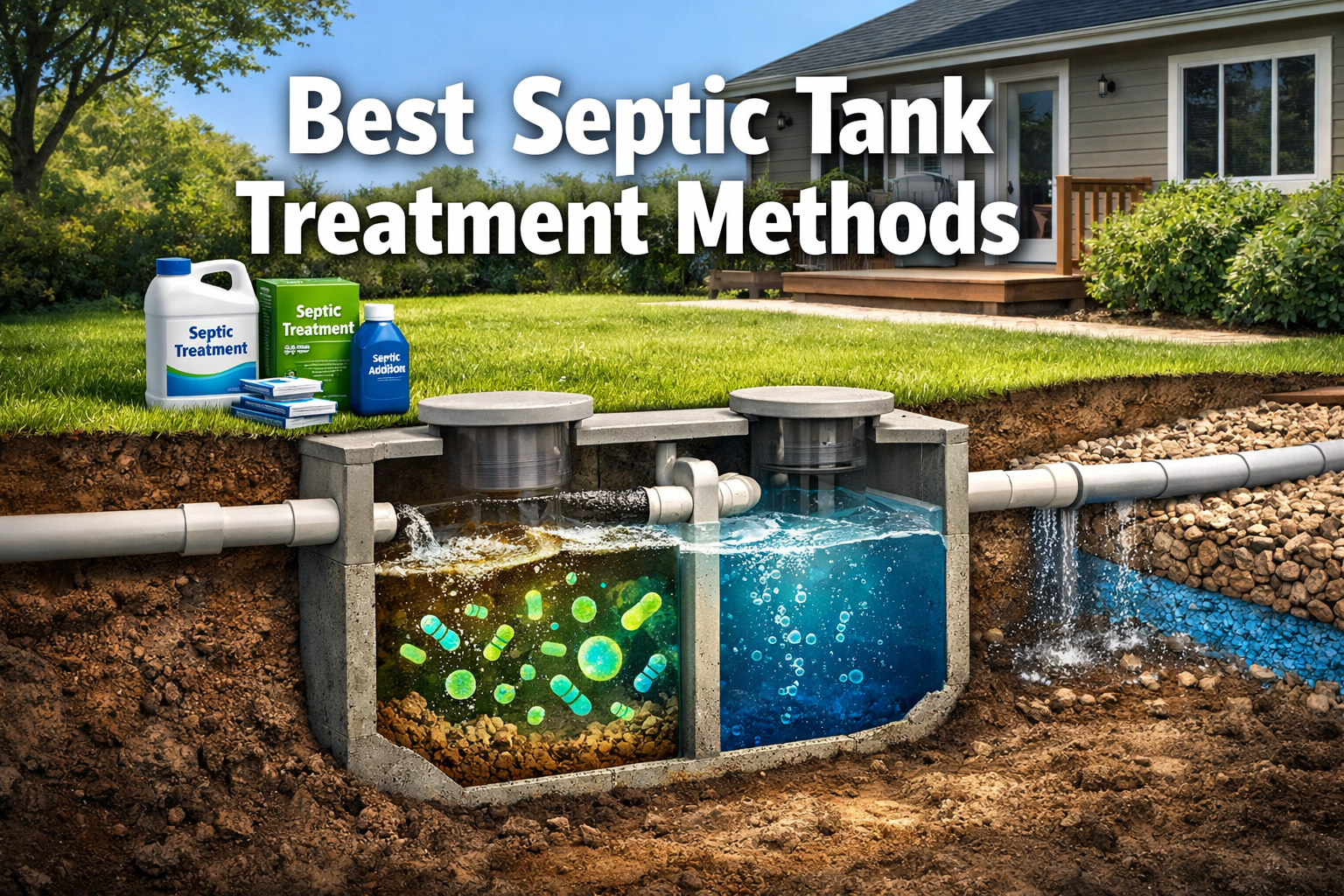
Picture this: It’s a beautiful Saturday morning, and you’re enjoying your coffee when suddenly you notice a foul smell wafting from your yard. Your septic system—the silent workhorse that handles all your household waste—might be crying out for help. With over 20% of American homes relying on septic systems, understanding the best septic tank treatment methods isn’t just helpful—it’s essential for protecting your investment and avoiding thousands in emergency repairs.
Key Takeaways
• Bacteria-based treatments are the most effective option for maintaining septic health, as they preserve beneficial microorganisms essential for waste breakdown
• Annual treatments can be more cost-effective than monthly applications, with some products maintaining effectiveness for 12+ months
• Enzyme-based treatments may harm your system by killing beneficial bacteria and potentially damaging pipes with harsh chemicals
• Proper treatment timing and application can extend pump-out intervals and prevent costly emergency repairs
• Understanding your septic system type helps you choose the most appropriate treatment method for optimal results
Understanding How Septic Systems Work
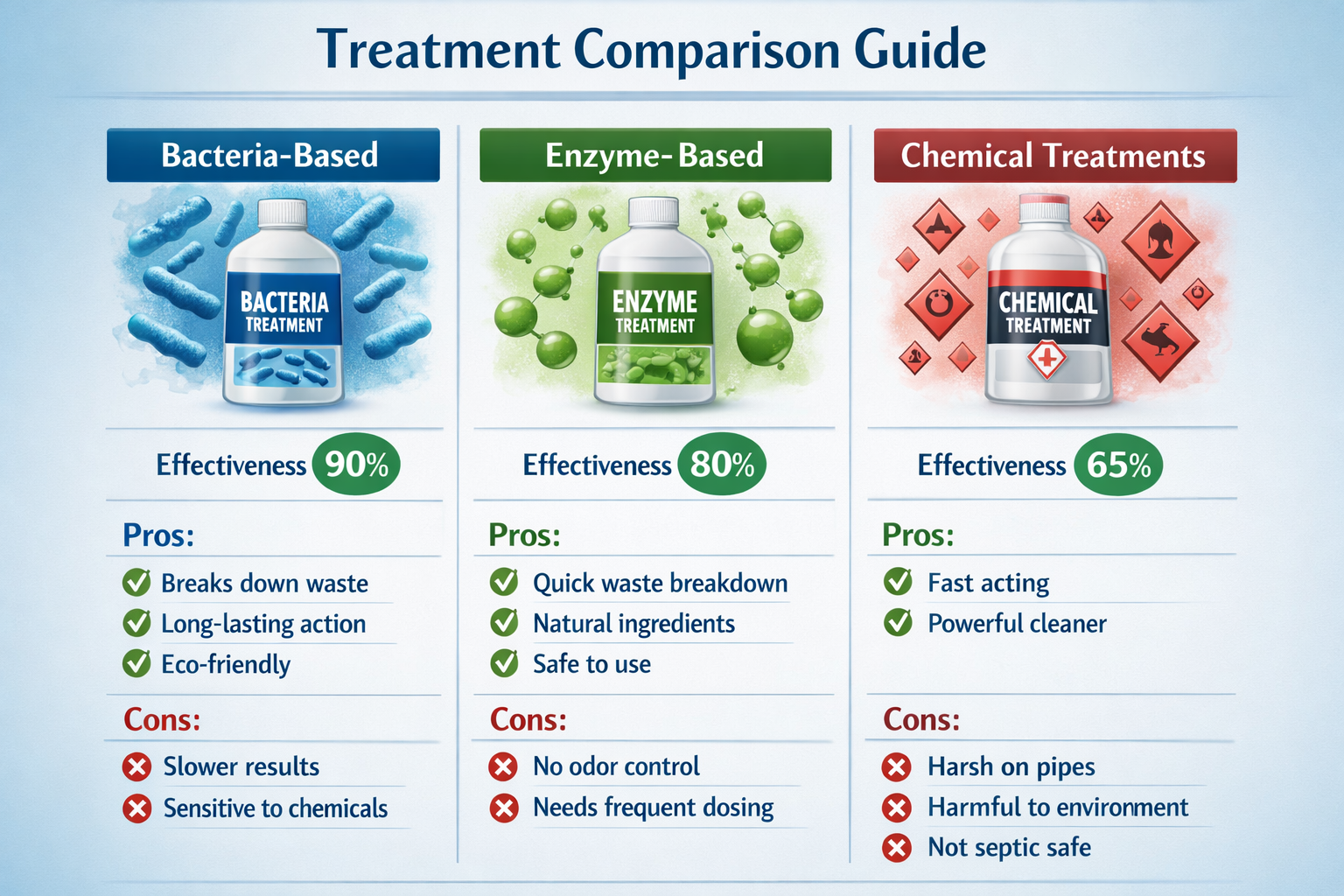
Before diving into treatment methods, it’s crucial to understand what’s happening beneath your yard. Your septic system is essentially a miniature wastewater treatment plant that relies on a delicate balance of bacteria and natural processes.
When wastewater enters your septic tank, it separates into three layers: scum on top, liquid in the middle, and sludge at the bottom. Beneficial bacteria work tirelessly to break down organic matter, converting solid waste into liquid that can safely filter through your drain field.
This bacterial ecosystem is what makes your septic system function properly. Without these microscopic helpers, waste would accumulate rapidly, leading to backups, odors, and system failure. For a deeper understanding of this process, check out our complete guide on how septic tank systems work.
The Role of Bacteria in Waste Processing
The bacteria in your septic tank are living organisms that need the right environment to thrive. They break down:
- Organic solids like food particles and human waste
- Oils and grease that enter from kitchen drains
- Toilet paper and other biodegradable materials
- Soap residues and cleaning products
When this bacterial balance gets disrupted—whether from harsh chemicals, antibiotics, or excessive water usage—your system’s efficiency plummets. This is where septic tank treatments become invaluable.
Types of Best Septic Tank Treatment Methods
Not all septic treatments are created equal. Understanding the different types helps you make an informed decision that supports rather than harms your system.
Bacteria-Based Treatments: The Gold Standard 🏆
Research consistently shows that bacteria-based treatments are the most effective septic system solutions. These products introduce live, beneficial bacteria that enhance your tank’s natural waste-processing capabilities.
Key Benefits:
- Preserve existing beneficial bacteria
- Enhance waste breakdown efficiency
- Reduce sludge accumulation
- Minimize odors naturally
- Extend time between pump-outs
How They Work:
Bacteria-based treatments contain concentrated strains of the same microorganisms naturally present in healthy septic systems. When added to your tank, they:
- Multiply rapidly in the anaerobic environment
- Produce enzymes that break down complex organic compounds
- Convert solid waste into liquid more efficiently
- Maintain optimal bacterial populations
Enzyme-Based Treatments: Proceed with Caution ⚠️
While marketed as septic-friendly, enzyme-based treatments often contain problematic ingredients. Many contain lye or sulfuric acid, which can eliminate organic matter but may also kill beneficial bacteria and damage your piping system.
Potential Issues:
- Can kill beneficial bacteria populations
- May contain corrosive chemicals
- Often provide only temporary results
- Can disrupt natural bacterial balance
Chemical Treatments: Generally Not Recommended
Chemical septic treatments typically contain harsh substances that can do more harm than good. These products may:
- Kill beneficial bacteria essential for waste processing
- Contaminate groundwater
- Damage septic tank components
- Create toxic conditions in your drain field
Comparing the Best Septic Tank Treatment Methods
When evaluating septic treatments, laboratory testing provides valuable insights into effectiveness. In a comprehensive 17-day controlled evaluation, bacteria-based treatments significantly outperformed competitors:
| Treatment Type | Effectiveness Score | Key Features |
|---|---|---|
| DOWN JOHN (Bacteria-based) | 97% | 3-part kit, annual application |
| FLUSHTIME | 70% | Monthly treatments required |
| Green Gobbler | 63% | Enzyme-based formula |
| Cabin Obsession | 53% | Chemical treatment |
| GreenPig | 47% | Basic bacterial blend |
What Makes a Treatment Effective?
The most successful septic treatments share several characteristics:
✅ Live Bacterial Cultures
- Multiple strains for comprehensive waste breakdown
- High concentration of viable organisms
- Specially selected for septic environments
✅ Enzyme Production
- Bacteria that produce waste-digesting enzymes
- Sustained enzyme activity over time
- Targeting of fats, oils, and grease
✅ Long-Lasting Formula
- Extended effectiveness periods
- Reduced application frequency
- Cost-effective maintenance
FYI: Some links may be affiliate links, which means I may earn a small commission at no extra cost to you.
For homeowners seeking a reliable, easy-to-use solution, Septifix tablets offer a convenient way to maintain septic system health. These tablets are designed to break down waste, reduce buildup, and help prevent the blockages that lead to costly repairs. Many homeowners find them helpful for maintaining a clean, odor-free system with minimal effort.
Application Methods and Best Practices
Proper application is just as important as choosing the right treatment. Here’s how to maximize effectiveness:
Timing Your Treatment
Best Times to Apply:
- Early morning before heavy water usage
- Before bedtime when system activity is minimal
- During low-usage periods to allow bacteria time to establish
Avoid These Times:
- Immediately after cleaning with harsh chemicals
- During or after antibiotic treatments
- When expecting heavy water usage (parties, laundry day)
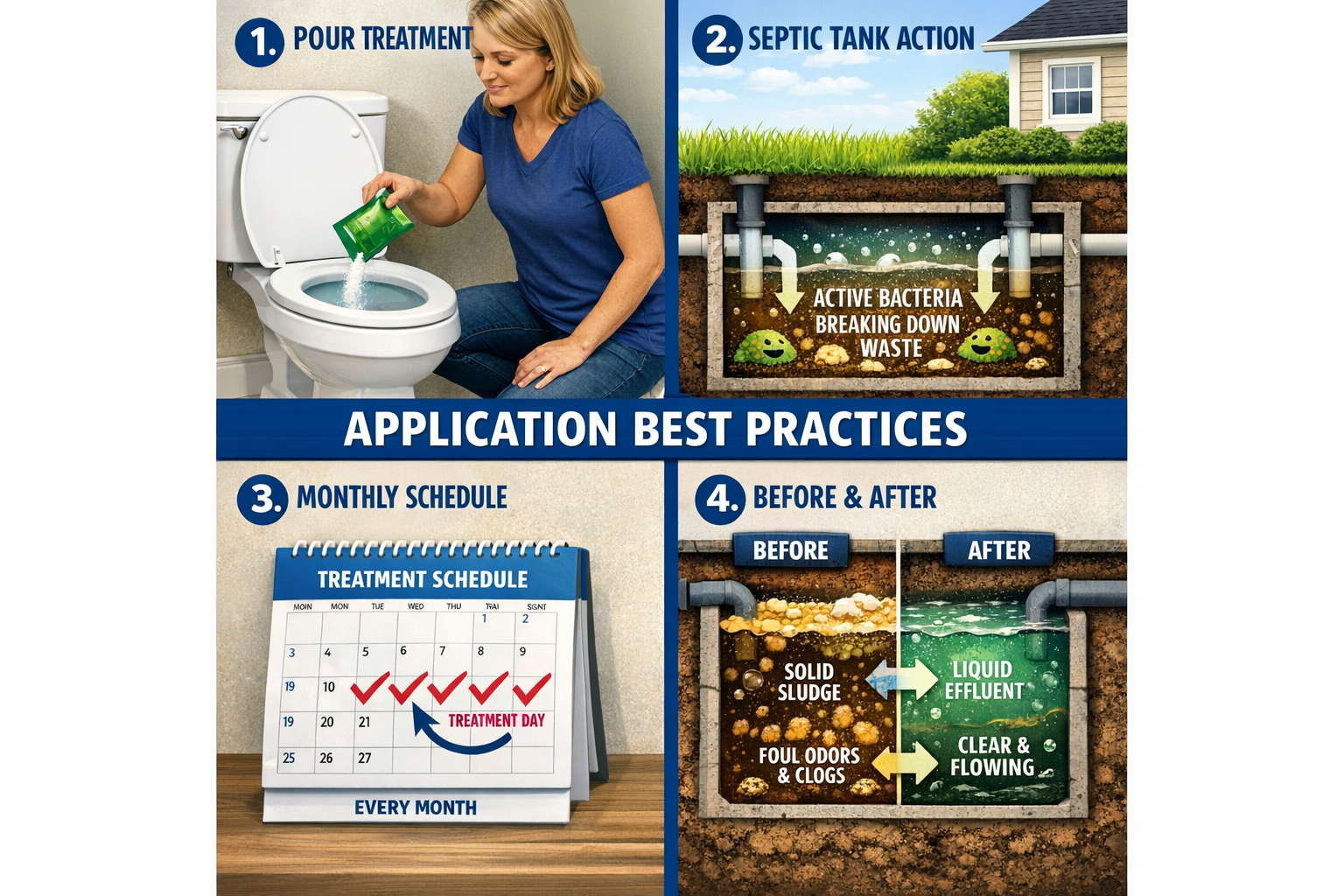
Step-by-Step Application Process
- Read manufacturer instructions carefully
- Flush treatment down toilet closest to septic tank
- Avoid using harsh chemicals for 24-48 hours after application
- Reduce water usage temporarily to allow bacteria to establish
- Monitor system performance over the following weeks
Frequency Guidelines
Treatment frequency depends on several factors:
Annual Treatments:
- Best for high-quality bacteria-based products
- Most cost-effective approach
- Suitable for properly functioning systems
Quarterly Treatments:
- Good for older systems or heavy usage
- Provides consistent bacterial supplementation
- Recommended during seasonal changes
Monthly Treatments:
- May be necessary for problematic systems
- Required by some lower-concentration products
- Consider if experiencing ongoing issues
If you’re noticing signs that your system might need attention, such as slow drains or unusual odors, addressing these issues promptly can prevent more serious problems.
Advanced Treatment Options for Modern Systems
As septic technology evolves, new treatment methods are emerging to meet stricter environmental standards and address specific challenges.
Enhanced Nutrient Reducing Septic Systems (ENRS)
These advanced systems use specially cultivated bacteria to break down suspended solids while converting harmful nitrates. ENRS technology represents an “affordable and environmentally sound solution” to aging septic infrastructure challenges.
ENRS Benefits:
- Significantly reduced nutrient discharge
- Enhanced environmental protection
- Compliance with strict regulations
- Extended system lifespan
Tertiary Treatment Systems
For properties requiring the highest level of treatment, tertiary systems can produce effluent up to 10 times cleaner than basic septic systems. These systems are designed to meet the most stringent regulatory standards.
When Tertiary Treatment is Needed:
- Properties near sensitive water bodies
- Areas with strict environmental regulations
- High-density developments
- Commercial applications
Biodigester Technology
Emerging as a 2026 homeowner solution, biodigesters offer an alternative to conventional septic tank replacement. These systems use advanced bacterial cultures to process waste more efficiently than traditional methods.
Maintenance Schedules and Long-Term Care
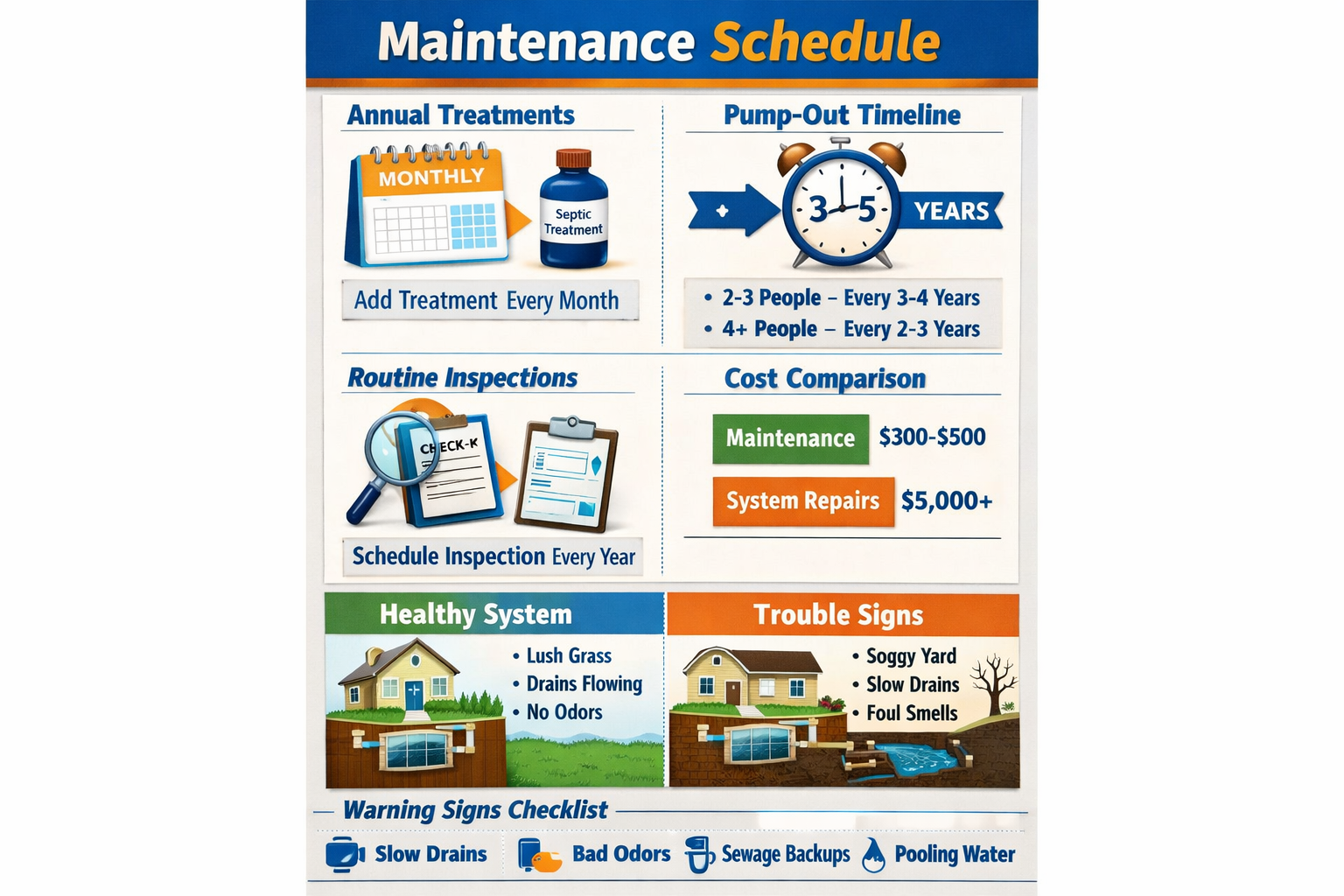
Creating a comprehensive maintenance schedule ensures your septic system operates efficiently for decades. Here’s a proven approach:
Annual Maintenance Checklist
🔍 System Inspection
- Check for surface signs of problems
- Inspect tank access ports
- Examine drain field for wet spots or odors
- Review household water usage patterns
🧪 Treatment Application
- Apply annual bacteria-based treatment
- Document application date and product used
- Monitor system performance post-treatment
- Adjust frequency based on results
📋 Record Keeping
- Maintain treatment logs
- Track pump-out intervals
- Note any system issues or repairs
- Monitor water usage changes
Recognizing When Treatment Isn’t Enough
Sometimes, even the best treatments can’t solve underlying system problems. Watch for these warning signs that indicate professional intervention may be needed:
Red Flags:
- Persistent odors despite treatment
- Frequent backups into the house
- Standing water over drain field
- Unusually rapid tank filling
Understanding how to tell if your septic tank is full can help you distinguish between treatment needs and pumping requirements.
Cost-Benefit Analysis of Regular Treatment
Investing in quality septic treatments pays dividends over time:
Treatment Costs vs. Repair Costs:
- Annual treatment: $50-150
- Emergency pump-out: $300-500
- System repair: $3,000-10,000
- Complete replacement: $15,000-50,000
Real-world data demonstrates impressive results from proper treatment programs. One church avoided pumping for 10 years after implementing a quality treatment regimen, while many homeowners have eliminated previously required annual pump-outs.
Environmental Impact and Regulatory Considerations
Modern septic treatments must balance effectiveness with environmental responsibility. The best products support both system health and ecological protection.
Environmental Benefits of Proper Treatment
Water Quality Protection:
- Reduced nutrient runoff to groundwater
- Lower risk of surface water contamination
- Enhanced filtration through drain field
- Protection of local ecosystems
Sustainable Waste Management:
- Extended system lifespan reduces replacement needs
- Decreased pumping frequency saves resources
- Natural bacterial processes minimize chemical usage
- Reduced environmental footprint overall
Regulatory Compliance
Many areas have specific requirements for septic system maintenance and treatment. Staying compliant protects both your investment and the environment:
Common Requirements:
- Regular inspection schedules
- Approved treatment products only
- Proper disposal of pump-out waste
- Documentation of maintenance activities
Choosing Eco-Friendly Products
Look for treatments that offer:
- Biodegradable ingredients
- No harmful chemicals or additives
- Sustainable packaging
- Third-party environmental certifications
Troubleshooting Common Septic Issues
Even with regular treatment, septic systems can develop problems. Here’s how to address common issues:
Odor Problems
Possible Causes:
- Bacterial imbalance in tank
- Inadequate ventilation
- Overloading of system
- Damaged or blocked pipes
Treatment Solutions:
- Apply bacteria-based treatment immediately
- Reduce water usage temporarily
- Avoid harsh chemicals for several weeks
- Consider professional inspection if odors persist
For detailed guidance on septic odors, see our complete guide to septic tank smell issues.
Slow Drainage Issues
Treatment Approach:
- Immediate bacterial treatment to enhance waste processing
- Reduce water usage to allow system recovery
- Avoid chemical drain cleaners that kill beneficial bacteria
- Monitor improvement over 2-3 weeks
System Overloading
Signs of Overloading:
- Frequent backups
- Rapid tank filling
- Poor drain field performance
- Persistent treatment failures
Solutions:
- Implement water conservation measures
- Spread water usage throughout the day
- Repair leaking fixtures immediately
- Consider system upgrade if problems persist
Understanding why your septic tank fills so quickly can help identify and address overloading issues.
Professional vs. DIY Treatment Options
While many septic treatments can be applied by homeowners, understanding when to seek professional help is crucial.
DIY Treatment Benefits
Advantages:
- Cost-effective maintenance
- Convenient scheduling
- Regular system monitoring
- Immediate response to minor issues
Best DIY Practices:
- Use only proven, bacteria-based products
- Follow manufacturer instructions precisely
- Maintain detailed treatment records
- Monitor system performance regularly
When to Call Professionals
Professional Services Needed:
- System inspections and pumping
- Major repairs or component replacement
- Regulatory compliance issues
- Persistent problems despite treatment
Choosing Professional Services:
- Verify licensing and insurance
- Check references and reviews
- Ensure compliance with local regulations
- Get written estimates for work
Recommended Septic Treatment Solution
For homeowners looking for a simple, effective way to maintain their septic system, Septifix tablets provide a convenient solution that many property owners trust. These easy-to-use tablets are designed to help break down waste, reduce buildup, and prevent the blockages that can lead to expensive repairs.
What makes Septifix tablets particularly helpful is their focus on maintaining a healthy bacterial balance in your septic tank—the foundation of proper system function. While not a magic solution, they can be a useful tool in your overall septic maintenance strategy, especially when combined with proper water usage habits and regular professional inspections.
👉 See how Septifix tablets can keep your septic system clean and efficient
Remember, the best treatment approach combines quality products with good maintenance habits and professional oversight when needed.
Future Trends in Septic Treatment Technology
The septic industry continues to evolve, with new technologies emerging to address environmental concerns and improve system efficiency.
Emerging Technologies
Smart Monitoring Systems:
- Real-time bacterial level monitoring
- Automated treatment dispensing
- Mobile app integration for homeowner alerts
- Predictive maintenance scheduling
Advanced Bacterial Strains:
- Genetically optimized waste-processing bacteria
- Cold-weather resistant formulations
- Specialized strains for specific waste types
- Enhanced nutrient reduction capabilities
Sustainable Packaging:
- Biodegradable treatment containers
- Concentrated formulas reducing shipping impact
- Refillable dispensing systems
- Carbon-neutral production processes
Industry Innovations for 2026 and Beyond
As we move through 2026, several trends are shaping the septic treatment landscape:
Precision Treatment:
- Customized bacterial blends based on household composition
- Seasonal treatment variations
- Integration with smart home systems
- Personalized maintenance schedules
Environmental Integration:
- Treatments that enhance soil health
- Products supporting beneficial soil microorganisms
- Integration with renewable energy systems
- Circular economy waste processing approaches
Conclusion
Choosing the best septic tank treatment methods doesn’t have to be complicated, but it does require understanding your system’s needs and selecting products that support rather than harm the natural bacterial processes essential for proper function.
Key takeaways for septic system success:
- Prioritize bacteria-based treatments that enhance your system’s natural waste-processing capabilities
- Avoid enzyme-based and chemical treatments that can kill beneficial bacteria and damage system components
- Establish a consistent treatment schedule based on your system’s age, usage, and performance
- Monitor your system regularly for signs of problems that treatment alone cannot solve
- Maintain detailed records of treatments, pump-outs, and system performance
The most effective approach combines quality treatments with good maintenance habits, water conservation, and professional oversight when needed. By investing in proper septic care today, you’re protecting your property value, avoiding costly emergency repairs, and contributing to environmental protection.
Your next steps:
- Assess your current septic maintenance routine
- Choose a proven bacteria-based treatment product
- Establish a regular application schedule
- Schedule a professional inspection if you haven’t had one recently
- Begin monitoring your system’s performance indicators
Remember, your septic system is a significant investment that, with proper care, can serve your property reliably for decades. The small investment in quality treatments and regular maintenance pays enormous dividends in system longevity, environmental protection, and peace of mind.
For more comprehensive information about septic system care, explore our septic tank care resources and maintenance guides.
References
[1] Down John Septic Tank Treatment – https://www.downjohn.com/products/down-john-septic-tank-treatment
[2] Septic System Types – https://www.premiertechaqua.com/en-us/blog/septic-system-types
[3] Best Septic Tank Treatments – https://www.flushtime.co/post/best-septic-tank-treatments
[4] 5 New Years Resolutions For A Healthier Septic System In 2026 – https://www.metroseptic.com/blog/5-new-years-resolutions-for-a-healthier-septic-system-in-2026/
[5] Enhanced Nutrient Reducing Septic Systems Enrs Florida Sewage Treatment Plants Water Pollution – https://www.theinvadingsea.com/2026/02/06/enhanced-nutrient-reducing-septic-systems-enrs-florida-sewage-treatment-plants-water-pollution/
[6] Watch – https://www.youtube.com/watch?v=X1ynK-h3HZE
[7] Your Complete Guide To Septic Systems Care Maint – https://www.wrenvironmental.com/blog/2025/july/your-complete-guide-to-septic-systems-care-maint/