Last updated: March 7, 2026
Key Takeaways
- Pump every 3-5 years and schedule annual inspections to prevent costly backups and system failures
- Never flush wipes, feminine products, or grease down drains as these items cause immediate clogs and damage
- Spread laundry loads throughout the week instead of doing multiple loads in one day to avoid overwhelming your system
- Fix leaky faucets and running toilets immediately to prevent excess water from flooding your septic tank
- Use biodegradable cleaning products and avoid harsh chemicals that kill beneficial bacteria
- Protect your drain field by never parking vehicles or placing heavy objects over the absorption area
- Install low-flow fixtures to reduce water usage and extend your system’s lifespan significantly
Quick Answer
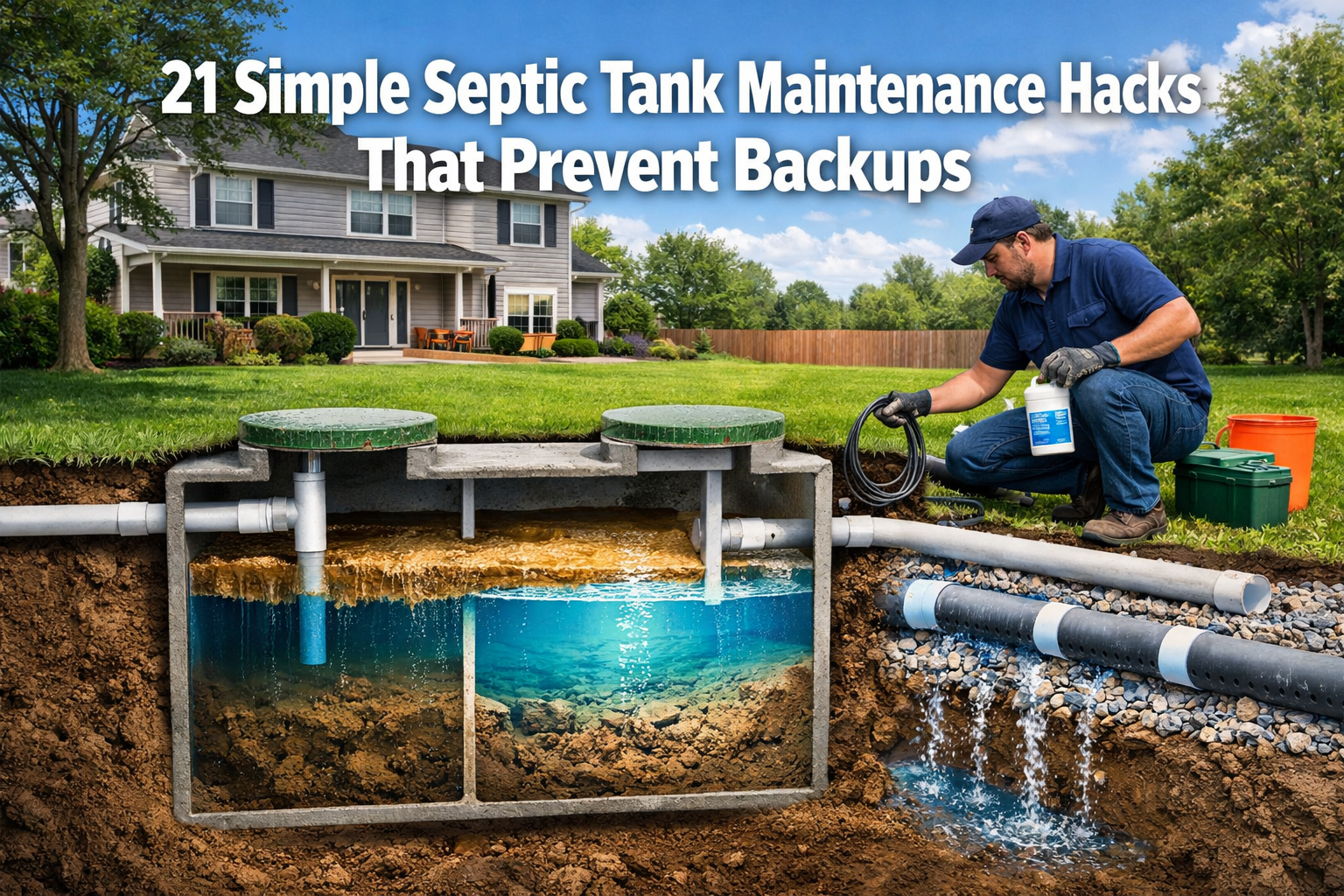
These 21 simple septic tank maintenance hacks prevent backups by focusing on proper pumping schedules, protecting beneficial bacteria, managing water usage, and avoiding harmful substances. Regular inspections every 1-2 years combined with smart daily habits like spreading laundry loads and using septic-safe products will keep your system running smoothly for decades while avoiding expensive emergency repairs.
Septifix: Simple Septic Tank Care in One Tablet
Septifix tablets help break down waste, reduce bad smells, and keep your septic tank working properly. With one easy monthly flush, you can help prevent blockages, protect your plumbing, and avoid costly repairs.
👉 See how Septifix tablets can keep your septic system clean and efficient
What Are the Most Critical Septic Tank Maintenance Hacks That Prevent Backups?
The most effective septic tank maintenance hacks focus on regular pumping, proper waste disposal, and water management. These simple practices prevent 90% of backup issues when followed consistently.
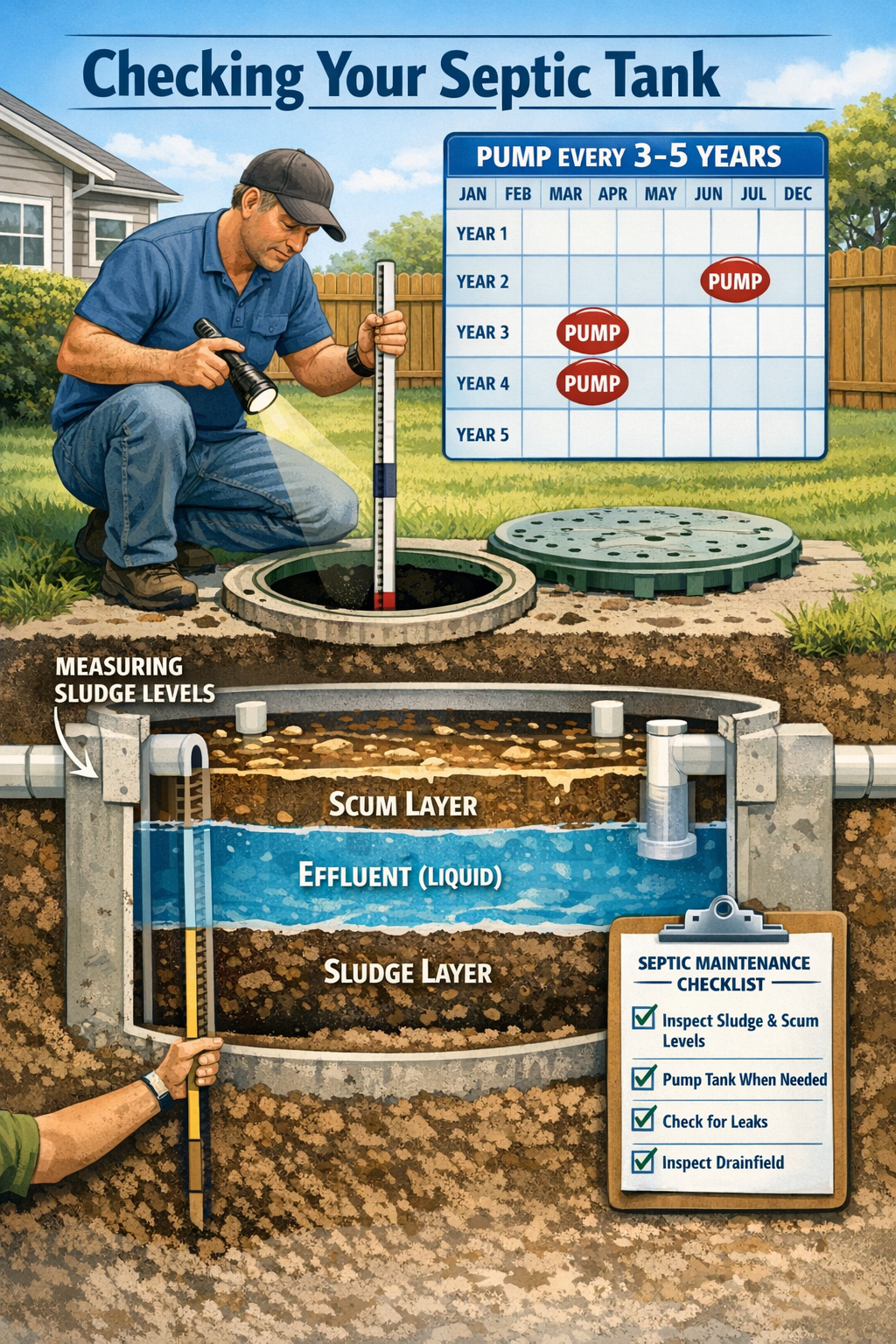
1. Schedule Professional Pumping Every 3-5 Years
For a standard 1,000-gallon tank serving a family of four without a garbage disposal, pump every 3-5 years. Households with garbage disposals need pumping every 2-3 years due to increased solid waste.
2. Get Annual Professional Inspections
Annual or biannual inspections help establish a data-driven pumping schedule specific to your household’s usage patterns. Alternative septic systems with mechanical parts require annual inspection or more frequently per manufacturer recommendations.
3. Check Sludge Levels Yourself
Use a clear tube or hire a professional to measure sludge depth. When sludge reaches one-third of the tank’s depth, it’s time for pumping.
4. Keep Detailed Maintenance Records
Document all pumping dates, inspection findings, and repairs. This data helps predict future maintenance needs and can prevent unexpected backups.
5. Locate and Mark Your System Components
Know where your septic tank and drain field are located to avoid accidental damage during yard work and ensure easy access for maintenance.
Common mistake: Waiting until you notice problems before scheduling maintenance. By then, damage may already be occurring.
Which Items Should Never Go Down Your Septic System Drains?
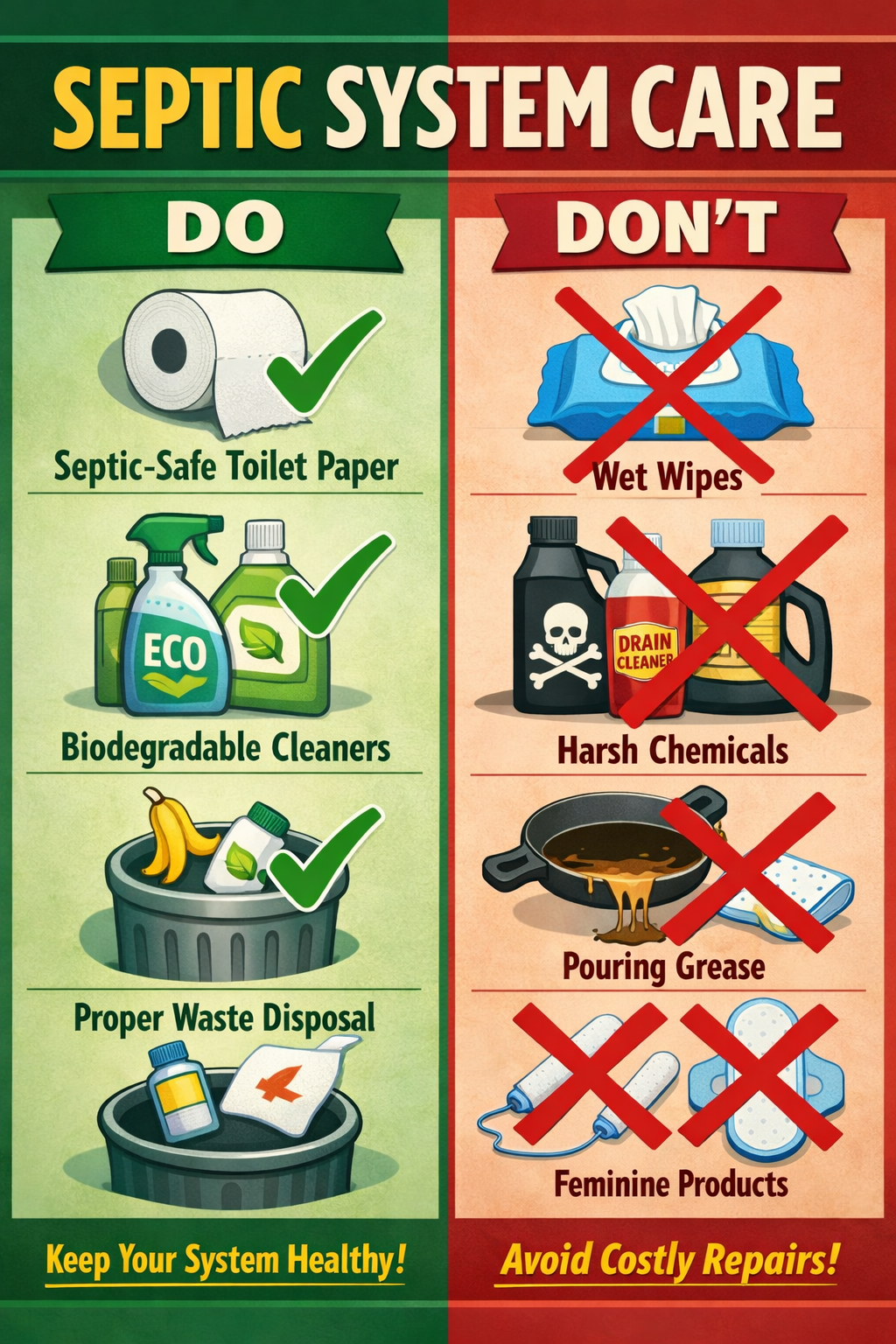
Never flush “flushable” wipes, feminine products, paper towels, cat litter, diapers, cigarette butts, condoms, dental floss, grease, oils, paints, thinners, pesticides, or medicines, as these cause system failures and backups.
6. Avoid All “Flushable” Wipes
Despite marketing claims, flushable wipes don’t break down in septic systems and create expensive clogs in pipes and pumps.
7. Never Pour Grease or Cooking Oil Down Drains
Grease solidifies and creates blockages throughout your system. Collect cooking grease in containers and dispose of it in regular trash.
8. Use Septic-Safe Toilet Paper
Choose toilet paper that dissolves quickly. Test by placing a few sheets in a jar of water and shaking—it should break apart easily.
9. Dispose of Medications Properly
Flushed medications kill beneficial bacteria and can contaminate groundwater. Use pharmacy take-back programs or follow FDA disposal guidelines.
10. Keep Feminine Products Out of Toilets
Tampons, pads, and applicators don’t decompose and cause immediate blockages. Always dispose of these items in trash receptacles.
Choose septic-safe products if: You want to extend your system’s life and avoid emergency pump-outs that can cost $300-500.
How Can Water Management Prevent Septic Tank Backups?
Proper water management prevents system overload by spreading usage throughout the week and fixing leaks immediately. Excess water can overwhelm your septic tank and cause backups into your home.
11. Spread Laundry Loads Throughout the Week
Instead of doing multiple consecutive loads, spread laundry throughout the week to prevent flooding the absorption area. This allows your drain field time to process wastewater properly.
12. Fix Leaky Faucets and Running Toilets Immediately
Even small leaks introduce excessive water that can overwhelm the system and cause backups. A running toilet can waste 200+ gallons per day.
13. Install Low-Flow Fixtures
Use toilets that use 1-1.6 gallons per flush, low-flow showerheads, and faucet aerators to reduce water strain on the system. This simple upgrade can extend your system’s life by years.
14. Take Shorter Showers
Limit showers to 5-10 minutes to reduce daily water usage. Consider installing a shower timer as a helpful reminder.
15. Run Dishwashers and Washing Machines Only with Full Loads
Partial loads waste water and put unnecessary stress on your septic system. Wait until you have full loads to maximize efficiency.
Decision rule: If your household uses more than 70 gallons per person per day, you’re likely overloading your system and should implement water conservation measures immediately.
What Cleaning Products and Chemicals Are Safe for Septic Systems?
Use biodegradable cleaning products and enzyme-based drain cleaners instead of harsh chemicals that kill beneficial bacteria required for waste breakdown. The right products maintain your system’s biological balance.
16. Choose Biodegradable Cleaners
Look for products labeled “septic-safe” or “biodegradable.” These break down naturally without harming beneficial bacteria.
17. Use Enzyme-Based Drain Cleaners
When drains run slowly, use enzyme-based cleaners that break down organic matter without damaging your system. Avoid chemical drain cleaners entirely.
18. Limit Bleach and Disinfectant Use
Small amounts of bleach won’t harm your system, but excessive use kills beneficial bacteria. Use sparingly and choose alternatives when possible.
Common mistake: Using commercial septic tank additives, yeast, or sugar. These products are unnecessary and potentially harmful—seeding the system is not recommended.
Septifix: Simple Septic Tank Care in One Tablet
Septifix tablets help break down waste, reduce bad smells, and keep your septic tank working properly. With one easy monthly flush, you can help prevent blockages, protect your plumbing, and avoid costly repairs.
👉 See how Septifix tablets can keep your septic system clean and efficient
How Should You Protect Your Septic Drain Field?
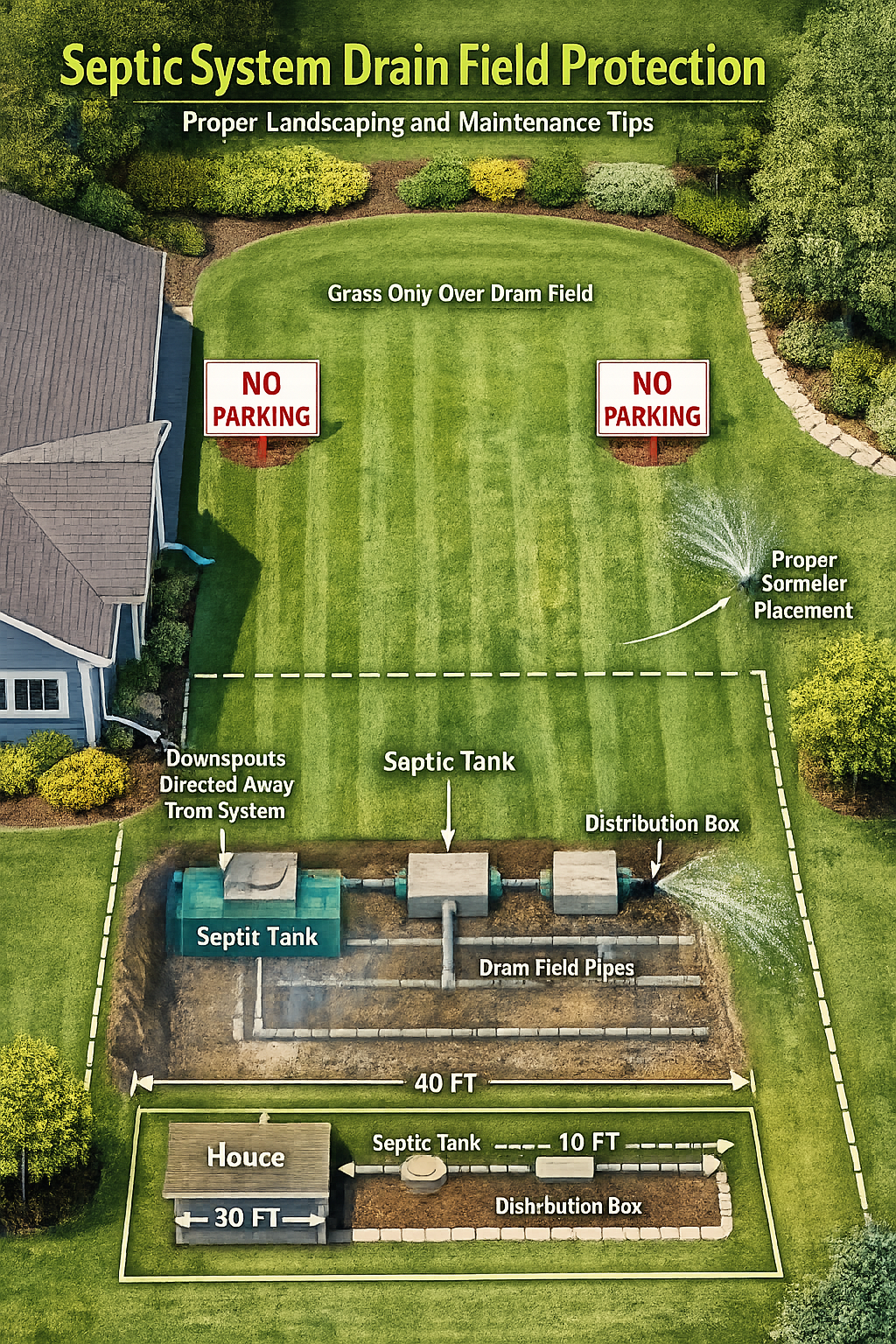
Never park vehicles or place heavy objects on the drain field, and avoid building permanent structures over any portion of the septic system to prevent crushing and expensive repairs.
19. Keep Vehicles Off the Drain Field
Even light vehicles can compact soil and crush pipes. Mark your drain field boundaries and educate family members about these restrictions.
20. Plant Only Grass Over the Drain Field
Avoid trees and shrubs to prevent root intrusion that clogs the system. Grass provides the best ground cover without threatening underground components.
21. Divert Water Away from the Drain Field
Direct downspouts and irrigation sprinklers away from the drain field to prevent saturation that can impair system function, especially during heavy rain.
Edge case: If you must access the drain field area for maintenance, use lightweight equipment and avoid working on wet soil when it’s most susceptible to compaction.
Maintenance Schedule Checklist
| Frequency | Task | Purpose |
|---|---|---|
| Monthly | Check for slow drains, odors, or wet spots | Early problem detection |
| Quarterly | Inspect visible pipes and connections | Prevent minor issues from becoming major |
| Annually | Professional inspection | Assess overall system health |
| Every 3-5 years | Professional pumping | Remove accumulated solids |
| As needed | Repair leaks immediately | Prevent system overload |
FAQ
How often should I pump my septic tank?
Pump every 3-5 years for a standard 1,000-gallon tank serving a family of four without a garbage disposal. Homes with garbage disposals need pumping every 2-3 years.
Can I use regular toilet paper in my septic system?
Yes, but choose brands that dissolve quickly. Test by shaking a few sheets in a jar of water—they should break apart easily within 10 seconds.
What should I do if my septic system backs up?
Stop using water immediately, contact a professional septic service, and avoid using chemical drain cleaners. For emergency guidance, see our complete backup prevention guide.
Are garbage disposals safe for septic systems?
Avoid garbage disposals as they add up to 50% more solids to the tank and require more frequent pump-outs. Compost food scraps instead.
How do I know if my septic tank is full?
Signs include slow drains, sewage odors, wet spots over the drain field, or gurgling sounds from drains.
Can I plant trees near my septic system?
Plant trees at least 30 feet away from your septic tank and drain field to prevent root intrusion that can cause expensive damage.
What cleaning products are septic-safe?
Use biodegradable, phosphate-free cleaners labeled “septic-safe.” Avoid antibacterial soaps, bleach-based cleaners, and chemical drain cleaners.
Should I use septic tank additives?
No, commercial septic tank additives are unnecessary and potentially harmful. Your system naturally contains the bacteria needed for proper waste breakdown.
How much does septic tank pumping cost?
Professional pumping typically costs $200-500 depending on tank size and location. This investment prevents much more expensive backup repairs.
What happens if I don’t maintain my septic system?
Neglected systems can back up into your home, contaminate groundwater, require expensive emergency repairs, or need complete replacement costing $10,000-20,000.
Can I do septic maintenance myself?
You can perform basic tasks like water conservation and proper waste disposal, but pumping and inspections require professional equipment and expertise.
How long do septic systems last?
Well-maintained septic systems can last 20-30 years or more. Poor maintenance can reduce this to 10-15 years and require premature replacement.
Septifix: Simple Septic Tank Care in One Tablet
Septifix tablets help break down waste, reduce bad smells, and keep your septic tank working properly. With one easy monthly flush, you can help prevent blockages, protect your plumbing, and avoid costly repairs.
👉 See how Septifix tablets can keep your septic system clean and efficient
Conclusion
These 21 simple septic tank maintenance hacks prevent backups by addressing the three main causes of system failure: improper waste disposal, water overload, and lack of regular maintenance. The most critical actions are scheduling professional pumping every 3-5 years, never flushing harmful items like wipes or grease, and managing water usage through conservation practices.
Start implementing these hacks today by creating a maintenance schedule and marking your calendar for annual inspections. Focus first on the daily habits that cost nothing but provide huge benefits: spreading laundry loads throughout the week, using septic-safe products, and fixing leaks immediately.
Remember that preventive maintenance costs far less than emergency repairs. A $300 pump-out every few years prevents thousands in backup cleanup and system replacement costs. For more detailed guidance, explore our comprehensive septic maintenance guide and learn how to recognize warning signs before problems become emergencies.
References
[1] Septic Pumping – https://mornetic.com/septic-pumping/
[2] Be Septic Safe Best Practices For Septic System Maintenance – https://hgic.clemson.edu/factsheet/be-septic-safe-best-practices-for-septic-system-maintenance/
[3] Septic Tanks Preventative Routine Maintenance – https://des.sc.gov/permits-regulations/septic-tanks/homeowner-resources/septic-tanks-preventative-routine-maintenance
[4] Septic System Maintenance Tips 2025 – https://martinseptic.com/septic-system-maintenance-tips-2025/
[5] Caring For Older Septic Systems – https://vdwws.com/blog/caring-for-older-septic-systems
SEO Meta Title: 21 Simple Septic Tank Maintenance Hacks That Prevent Backups