
Last updated: March 7, 2026
Key Takeaways
- Skip regular pumping and face $15,000-$25,000 drain field replacement costs instead of $300 maintenance fees
- Flush inappropriate items like medications, grease, and chemicals that kill beneficial bacteria
- Ignore early warning signs like slow drains, odors, and gurgling sounds that indicate system problems
- Overload your system with excessive water use during laundry or dishwashing cycles
- Use antibacterial products that disrupt the natural bacterial balance needed for waste breakdown
- Plant trees or build structures too close to your drain field, causing expensive root damage
- Neglect professional inspections every 1-3 years that catch problems before they become catastrophic
- Pour grease and oils down drains, creating solid blockages that require costly repairs
- Add unnecessary additives that can harm your system more than help it
Quick Answer
The most expensive septic tank mistakes cost homeowners $15,000-$35,000 in emergency repairs and drain field replacements. These disasters are preventable through simple maintenance: pump every 3-5 years ($300), avoid flushing harmful items, schedule regular inspections, and protect your drain field from damage. Research shows that 56% of septic systems fail due to poor maintenance, while proper care costs only $3,000-$4,000 over 20 years.
What Are the Most Expensive Septic Tank Mistakes Homeowners Make?
Skipping regular pumping and ignoring drain field protection are the two most catastrophic mistakes that lead to complete system failure. A single drain field replacement typically costs $15,000-$25,000, with total costs reaching $25,000-$35,000 when including emergency services and cleanup.
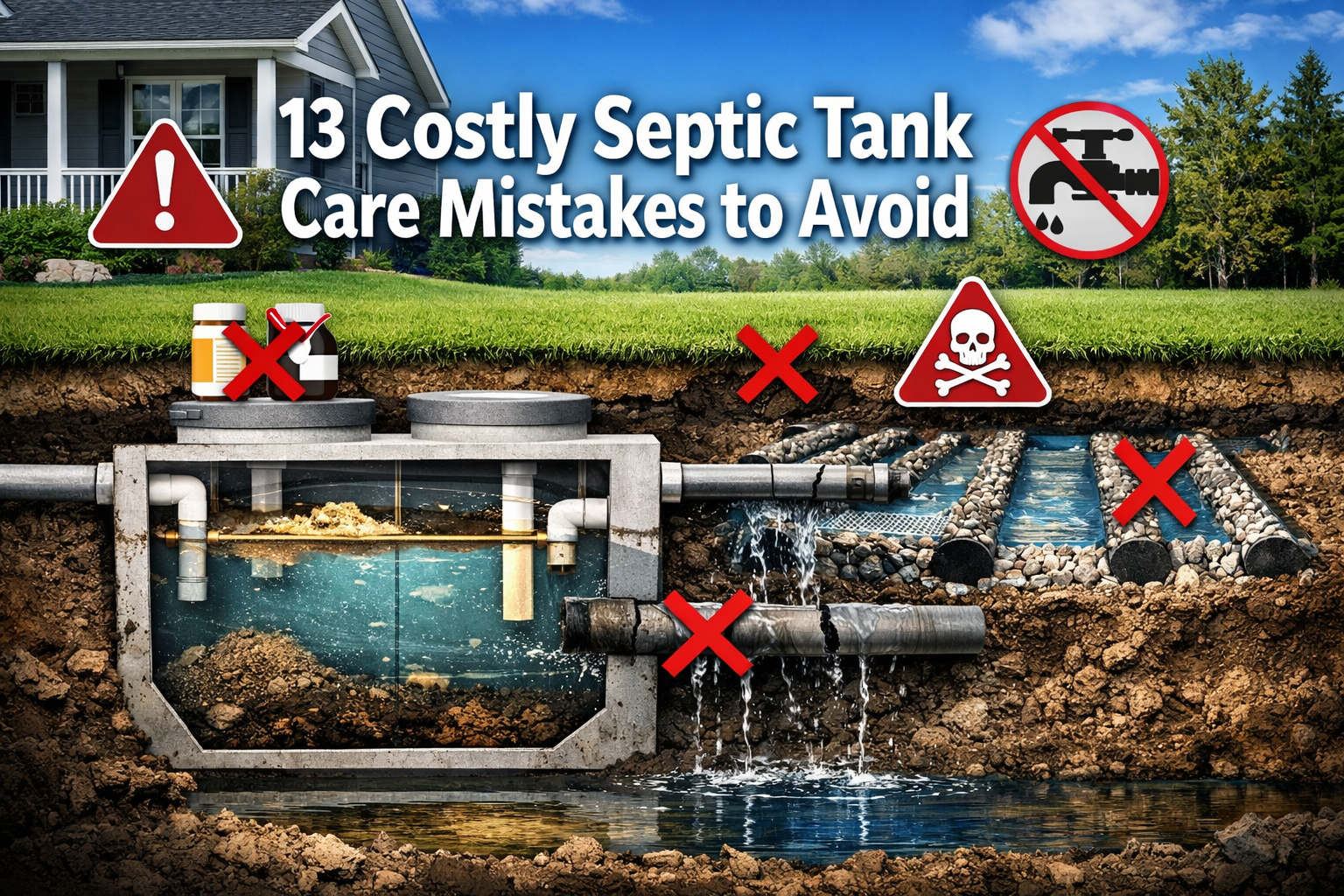
Here are the 13 costly septic tank care mistakes that can destroy your system and your budget:
1. Skipping Regular Septic Tank Pumping
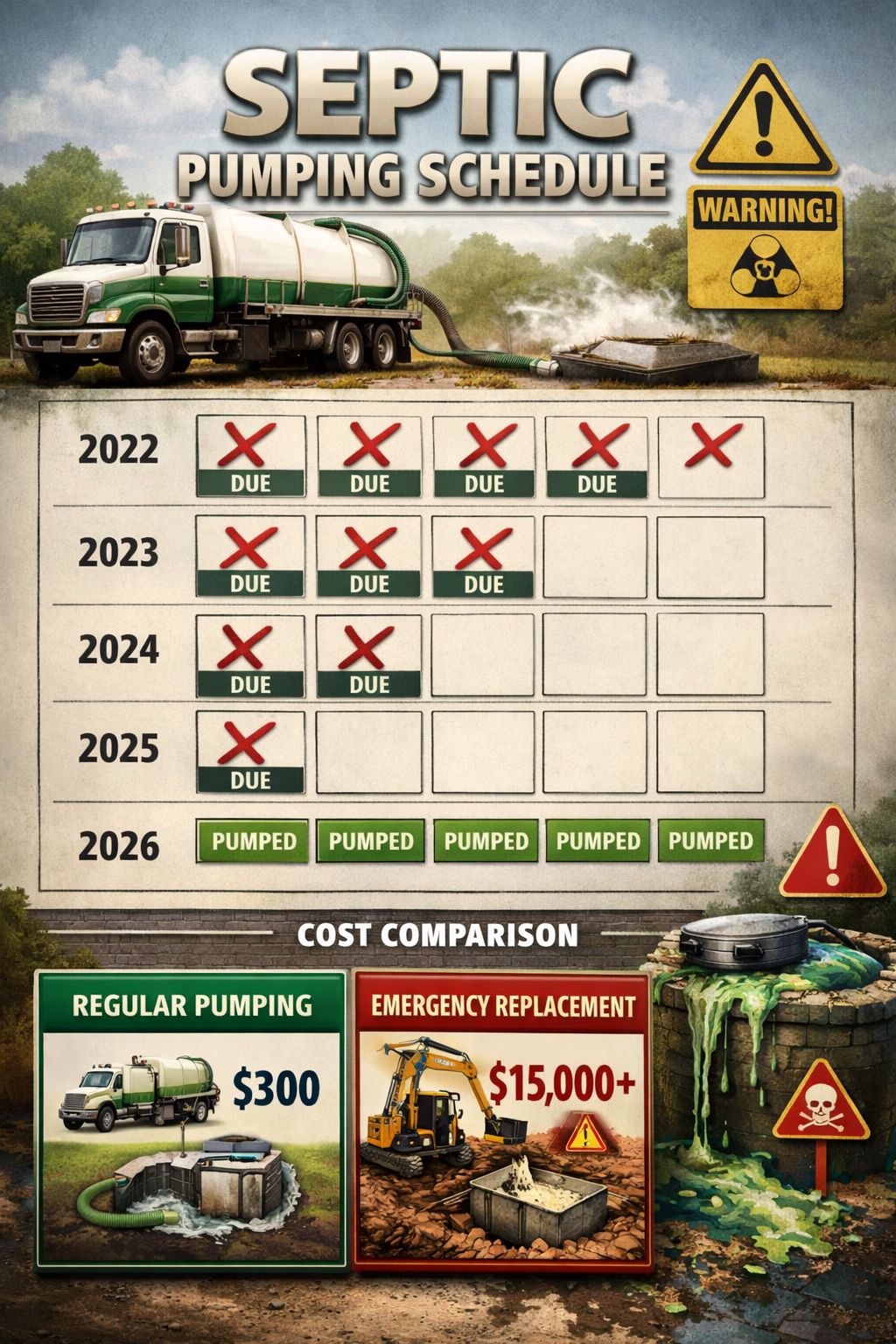
Not pumping your septic tank every 3-5 years allows solids to accumulate and migrate into your drain field, causing permanent damage. The US EPA recommends pumping every 3-5 years depending on household size and water use.
Research shows that 20% of septic tanks were not desludged over a five-year period, representing a critical maintenance gap. Regular pumping costs only $250-$300, while neglecting it can lead to:
- Complete drain field failure ($15,000-$25,000)
- Emergency sewage cleanup ($2,000-$5,000)
- Temporary sewage system installation ($1,000-$3,000)
Choose pumping every 3 years if you have a large household (4+ people) or use a garbage disposal regularly.
Septifix: Simple Septic Tank Care in One Tablet
Septifix tablets help break down waste, reduce bad smells, and keep your septic tank working properly. With one easy monthly flush, you can help prevent blockages, protect your plumbing, and avoid costly repairs.
👉 See how Septifix tablets can keep your septic system clean and efficient
2. Flushing Inappropriate Items Down Toilets and Drains
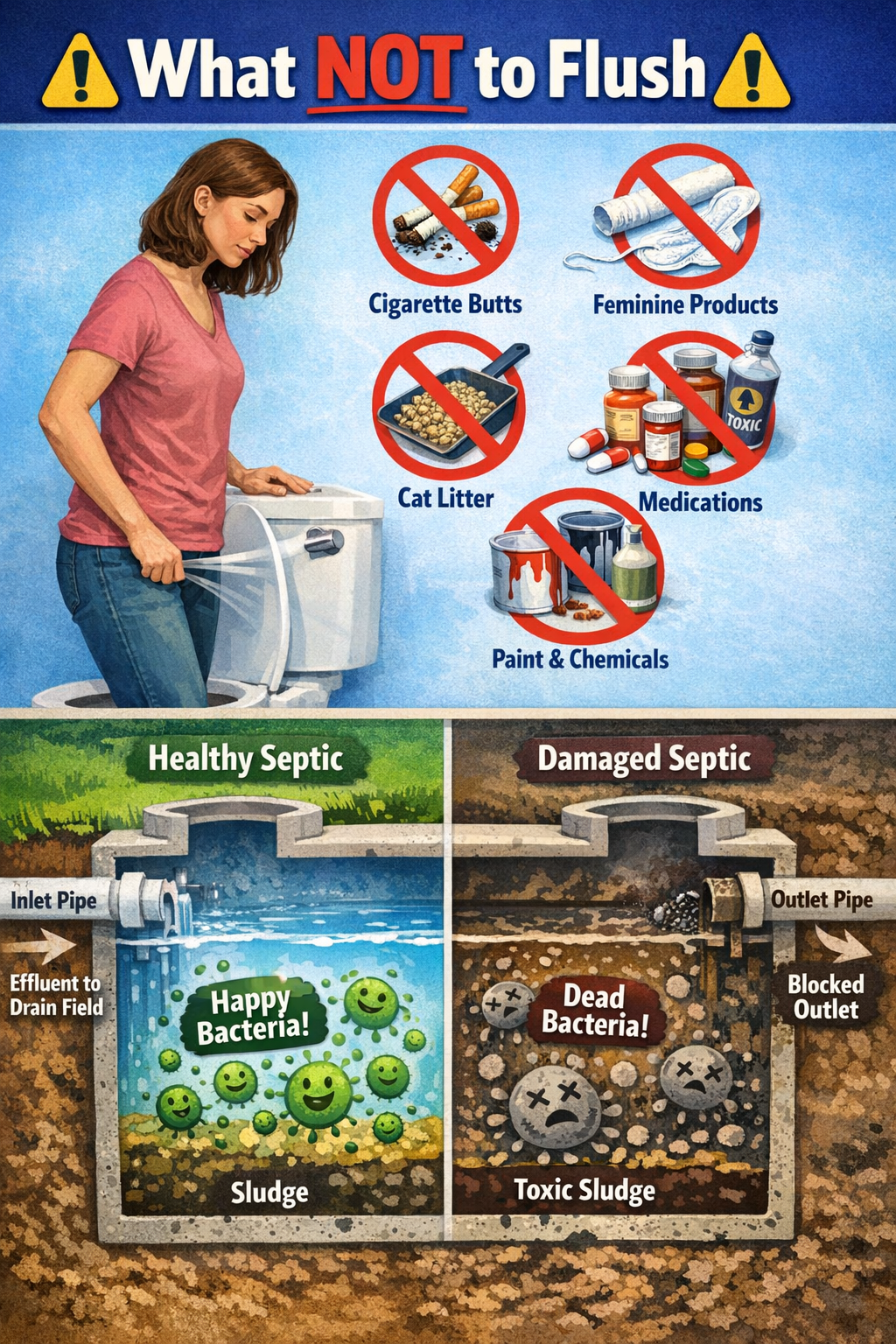
Flushing medications, feminine products, cigarette butts, cat litter, and chemicals kills the beneficial bacteria that break down waste in your septic tank. These items don’t decompose and can clog your system permanently.
Never flush these items:
- Prescription medications and antibiotics
- Feminine hygiene products and diapers
- Cigarette butts and tobacco products
- Cat litter (even “flushable” types)
- Paint, solvents, and household chemicals
- Dental floss and hair in large quantities
Common mistake: Many homeowners think “flushable” wipes are safe. They’re not—they don’t break down in septic systems and cause expensive blockages.
For detailed guidance on proper septic care practices, see our complete septic tank care routine guide.
3. Ignoring Early Warning Signs of System Problems
Dismissing slow drains, gurgling sounds, and sewage odors allows small problems to become catastrophic failures. Research shows that 10% of households observed symptoms of poorly functioning septic tanks but didn’t attempt to fix them.
Watch for these warning signs:
- Slow-draining sinks, tubs, and toilets
- Gurgling sounds from drains
- Sewage odors inside or outside your home
- Standing water or wet spots in your yard
- Unusually green grass over your drain field
Take action immediately if you notice any of these symptoms. Early intervention costs hundreds, not thousands.
Learn more about recognizing problems in our guide on signs your septic tank needs maintenance.
4. Overloading Your System with Excessive Water Use
Running multiple water-intensive appliances simultaneously overwhelms your septic tank’s ability to separate solids and liquids properly. This forces untreated wastewater into your drain field.
Avoid these water overload scenarios:
- Running dishwasher and washing machine at the same time
- Taking long showers while laundry is running
- Hosting large gatherings without spreading water use
- Using high-flow fixtures and appliances
Spread water use throughout the week instead of concentrating it on one day. Your septic system needs time to process wastewater properly.
5. Using Antibacterial Products That Kill Beneficial Bacteria
Excessive use of antibacterial soaps, cleaners, and hand sanitizers disrupts the natural bacterial balance that breaks down waste in your septic tank. Without healthy bacteria, solids accumulate faster.
Limit these products:
- Antibacterial hand soaps and body washes
- Bleach-based household cleaners
- Toilet bowl cleaners with antimicrobial agents
- Antibacterial dish soaps
Choose septic-safe cleaning products labeled as biodegradable and phosphate-free. Your septic system depends on living bacteria to function.
6. Pouring Grease, Oils, and Fats Down Drains
Disposing of cooking grease and oils through your drains creates solid blockages that can clog pipes and disrupt your septic tank’s operation. These substances solidify and float, preventing proper waste separation.
Never pour these down drains:
- Cooking oils and fats from meat
- Butter, margarine, and dairy products
- Salad dressings and mayonnaise
- Automotive oils and lubricants
Collect grease in containers and dispose of it in your regular trash instead.
7. Planting Trees and Shrubs Too Close to Your Drain Field
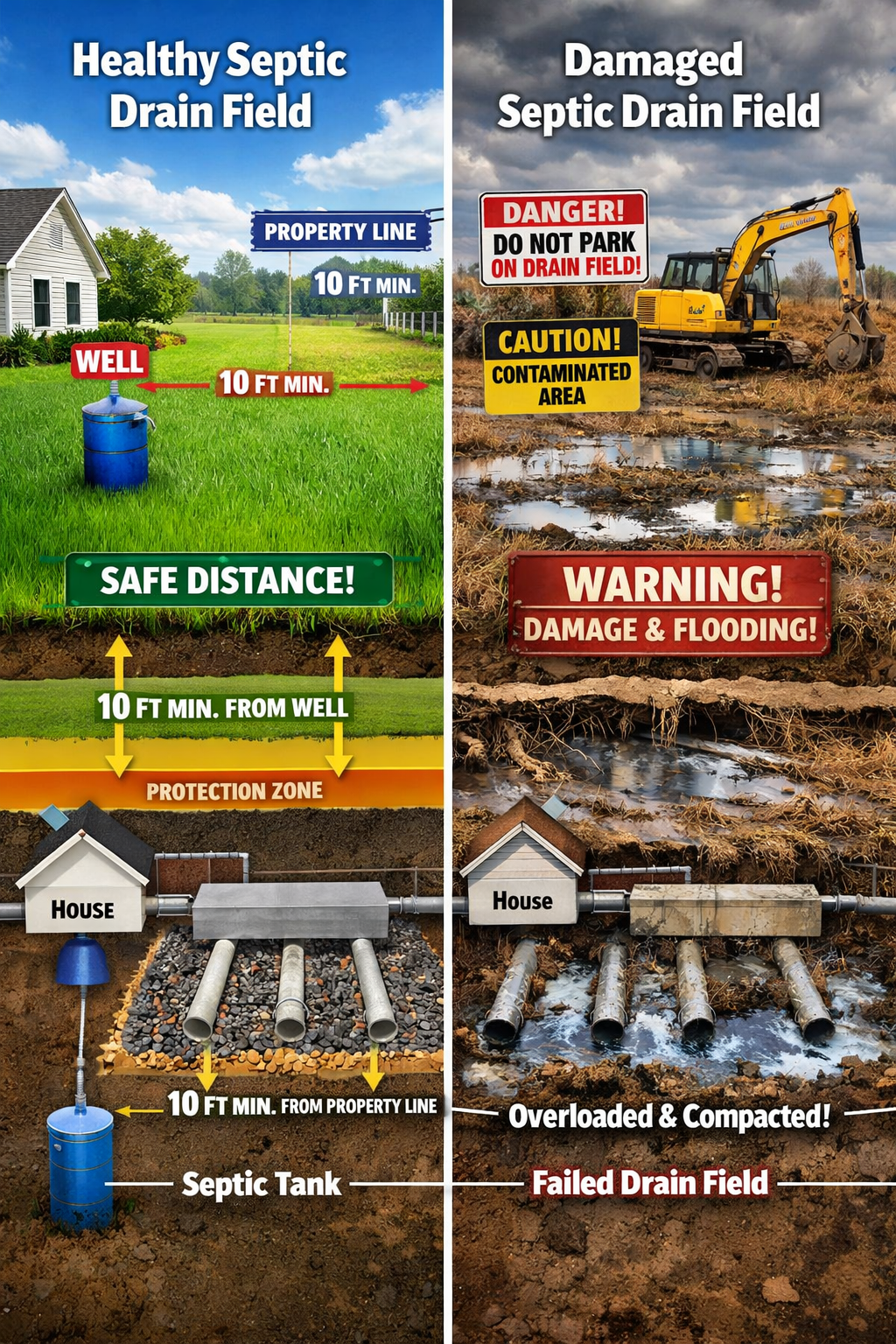
Installing landscaping within 10 feet of your septic system allows roots to infiltrate and damage pipes. Tree roots can completely destroy drain fields, requiring expensive replacement.
Maintain proper distances:
- Trees: at least 30 feet from your septic tank
- Shrubs: at least 10 feet from drain field lines
- Vegetable gardens: avoid planting over drain fields
- Flower beds: use shallow-rooted plants only
Choose grass or shallow-rooted ground cover for areas above your septic system.
For comprehensive maintenance guidance, check our essential septic tank care tips.
8. Driving or Building Over Your Septic System
Parking vehicles or constructing buildings over your septic tank or drain field compacts soil and can crack pipes or tank components. The weight damages the system’s ability to filter wastewater properly.
Protect your system from:
- Cars, trucks, and heavy machinery
- Storage sheds and permanent structures
- Swimming pools and hot tubs
- Concrete patios and driveways
Mark your septic system boundaries clearly and educate family members and contractors about off-limits areas.
9. Neglecting Professional Inspections and Maintenance
Skipping regular professional inspections every 1-3 years means problems go undetected until they cause system failure. The US EPA recommends inspecting the entire septic system every 1-3 years.
Professional inspections catch:
- Early signs of tank or pipe damage
- Drain field saturation problems
- Pump malfunctions before complete failure
- Bacterial balance issues
Schedule inspections every 2 years for most households. The cost ($200-$400) is minimal compared to emergency repairs ($1,000-$25,000).
10. Adding Unnecessary Chemical Additives
Using septic tank additives and treatments without professional guidance can disrupt your system’s natural balance. Many commercial additives are unnecessary and some can harm beneficial bacteria.
Be cautious with:
- Enzyme additives and bacterial supplements
- Chemical drain cleaners and degreasers
- Septic tank “activators” and “boosters”
- Homemade remedies and treatments
Consult a septic professional before adding any treatments to your system. A healthy septic tank produces its own bacteria naturally.
For more information about septic treatments, see our guide on septic tank bacteria treatment.
11. Ignoring Septic Tank Filter Maintenance
Failing to clean or replace your septic tank filter allows solids to pass into your drain field, causing permanent damage. Filters should be cleaned every 6-12 months.
Filter maintenance includes:
- Removing and rinsing the filter quarterly
- Replacing damaged or worn filters immediately
- Checking filter housing for cracks
- Ensuring proper filter installation
Clean your filter during regular pumping or ask your septic professional to include it in routine maintenance.
12. Using Your Garbage Disposal Excessively
Grinding large amounts of food waste increases the solid load in your septic tank by up to 50%, requiring more frequent pumping and potentially overwhelming your system.
Limit garbage disposal use for:
- Small food scraps only
- Soft foods that break down easily
- Occasional use, not daily disposal
- Emergency cleanup situations
Compost food waste instead or dispose of it in regular trash to reduce strain on your septic system.
13. Delaying Repairs When Problems Arise
Postponing septic repairs allows minor issues to escalate into major system failures. What starts as a $250-$400 pump repair can become a $1,000+ replacement or complete system failure.
Address problems immediately:
- Strange odors or gurgling sounds
- Slow drainage or backups
- Pump alarms or warning lights
- Wet spots in your yard
Call a professional within 24-48 hours of noticing problems. Quick action saves thousands in emergency repairs.
To understand when your system needs attention, read our guide on how to tell if septic tank is full.
How Much Do These Mistakes Actually Cost?
Proper maintenance costs only $3,000-$4,000 over 20 years, while neglect leads to catastrophic failures costing 8-12 times more. Here’s the real cost breakdown:
| Maintenance Task | Cost | Frequency | 20-Year Total |
|---|---|---|---|
| Regular pumping | $250-$300 | Every 3-4 years | $1,500-$2,000 |
| Professional inspections | $200-$400 | Every 2 years | $2,000-$4,000 |
| Filter cleaning | $50-$100 | Annual | $1,000-$2,000 |
| Total maintenance | $4,500-$8,000 |
Compare this to failure costs:
- Drain field replacement: $15,000-$25,000
- Emergency repairs: $1,000-$5,000
- Sewage cleanup: $2,000-$5,000
- Total failure cost: $18,000-$35,000
Septifix: Simple Septic Tank Care in One Tablet
Septifix tablets help break down waste, reduce bad smells, and keep your septic tank working properly. With one easy monthly flush, you can help prevent blockages, protect your plumbing, and avoid costly repairs.
👉 See how Septifix tablets can keep your septic system clean and efficient
What Should You Do Right Now?
Schedule a professional inspection if you haven’t had one in the past 2 years. This single action can identify problems before they become expensive disasters.
Immediate action steps:
- Check your pumping records – if it’s been 3+ years, schedule pumping immediately
- Inspect your drain field for standing water, odors, or unusually green grass
- Review your household habits – eliminate harmful products and excessive water use
- Locate and mark your septic system boundaries to prevent accidental damage
- Create a maintenance schedule with reminders for pumping and inspections
For detailed cost information, see our guides on septic tank pumping costs and complete septic tank cost breakdown.
Frequently Asked Questions
How often should I pump my septic tank?
Every 3-5 years for most households. Pump every 3 years if you have 4+ people or use a garbage disposal regularly. The US EPA recommends this frequency to prevent solids from reaching your drain field.
What’s the most expensive septic tank mistake?
Skipping regular pumping, which leads to drain field failure costing $15,000-$25,000. This single mistake accounts for most catastrophic septic system failures.
Can I use regular household cleaners with a septic system?
Use septic-safe, biodegradable cleaners in moderation. Avoid antibacterial products and bleach-based cleaners that kill beneficial bacteria your system needs to function.
How do I know if my septic tank is full?
Watch for slow drains, gurgling sounds, sewage odors, or standing water in your yard. These signs indicate your tank needs immediate pumping or professional attention.
Is it safe to drive over my septic system?
Never drive or park over your septic tank or drain field. The weight can crack pipes, compact soil, and damage your system’s ability to filter wastewater properly.
Do septic tank additives really work?
Most additives are unnecessary. A healthy septic system produces its own bacteria naturally. Some additives can actually harm your system’s bacterial balance.
What happens if I ignore septic tank maintenance?
System failure becomes inevitable. Research shows 56% of septic tanks fail due to poor maintenance, leading to expensive repairs, health hazards, and environmental contamination.
How much does emergency septic repair cost?
Emergency repairs range from $1,000-$5,000, with complete system replacement costing $15,000-$35,000. Regular maintenance costs only $250-$400 annually.
Can tree roots really damage my septic system?
Yes, tree roots can completely destroy drain fields. Plant trees at least 30 feet from your septic tank and avoid any deep-rooted plants over your drain field.
When should I call a septic professional?
Immediately when you notice problems like slow drains, odors, or standing water. Also schedule routine inspections every 1-3 years and pumping every 3-5 years.
What’s the biggest warning sign of septic problems?
Sewage odors inside or outside your home indicate immediate problems. Don’t ignore this sign—it means untreated wastewater is escaping your system.
How can I extend my septic system’s lifespan?
Follow the 13 guidelines in this article: pump regularly, avoid harmful products, protect your drain field, schedule inspections, and address problems immediately. Proper care extends system life to 20-30 years.
Conclusion
Avoiding these 13 costly septic tank care mistakes can save you $15,000-$35,000 in emergency repairs and system replacement. The key insight is simple: proper maintenance costs only $3,000-$4,000 over 20 years, while neglect leads to catastrophic failures costing 8-12 times more.
Your next steps are straightforward. Schedule a professional inspection if you haven’t had one in 2 years. Check your pumping records and schedule service if it’s been 3+ years. Review your household habits and eliminate harmful products that kill beneficial bacteria.
Most importantly, don’t ignore warning signs like slow drains, odors, or standing water. Research shows that 56% of septic systems fail due to poor maintenance, but these failures are completely preventable with proper care.
Start today by creating a maintenance schedule and marking your septic system boundaries. Your future self—and your bank account—will thank you for taking action now instead of facing a septic emergency later.
For ongoing maintenance guidance, bookmark our septic tank care FAQ and natural septic care methods for eco-friendly maintenance approaches.
References
[1] Over Half Of Septic Tanks Failed Inspection Putting Householders Health And The Environment At Risk Says Epa – https://www.epa.ie/news-releases/news-releases-2025/over-half-of-septic-tanks-failed-inspection-putting-householders-health-and-the-environment-at-risk-says-epa.php
[2] New Research Finds That 20 Of Septic Tanks Were Not Desludged In The Past Five Years – https://www.esri.ie/news/new-research-finds-that-20-of-septic-tanks-were-not-desludged-in-the-past-five-years
[3] Why Regular Septic Maintenance Can Save You Thousands In 2026 – https://www.metroseptic.com/blog/why-regular-septic-maintenance-can-save-you-thousands-in-2026/
[4] Resolving Septic System Malfunctions – https://www.epa.gov/septic/resolving-septic-system-malfunctions
[5] How Much Does Repairing Septic Tank Cost – https://www.angi.com/articles/how-much-does-repairing-septic-tank-cost